



Blue Porcelain Plate
When you search for a blue porcelain plate, you step into centuries of global trade, kilns, and hand-painted artistry.
Blue Porcelain Plate
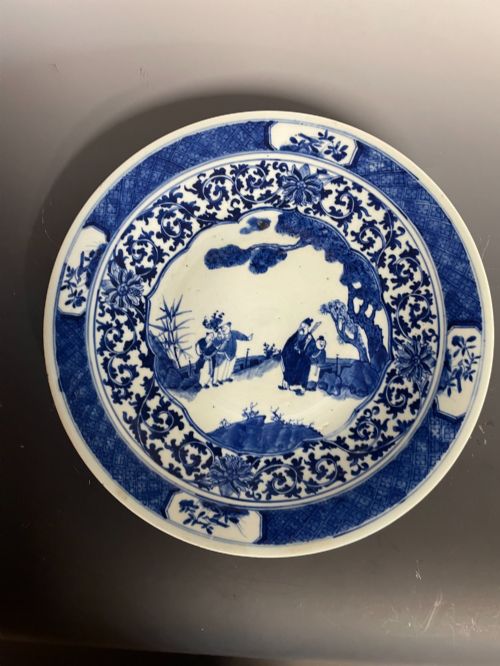
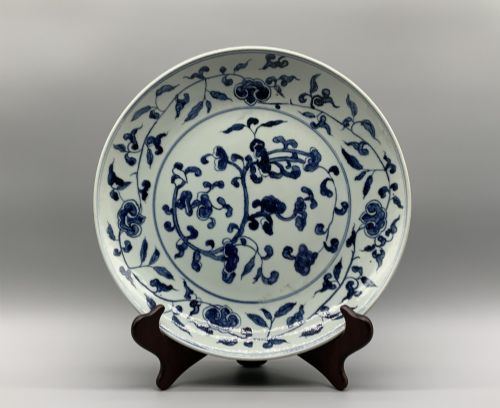
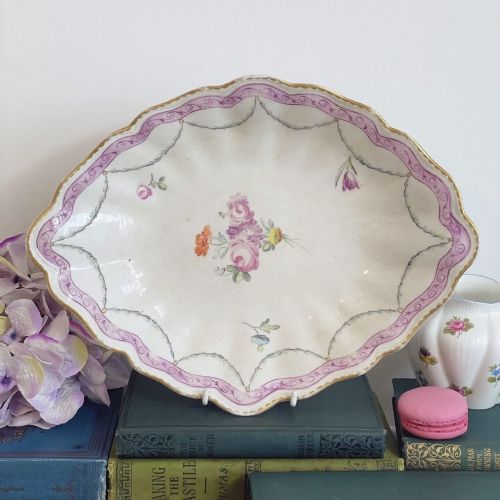
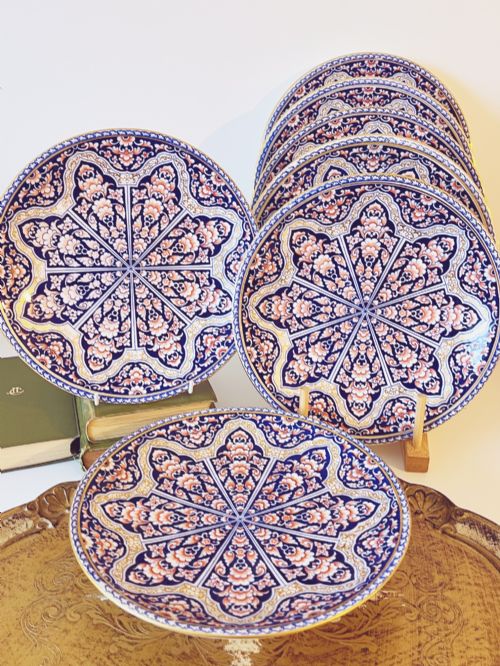
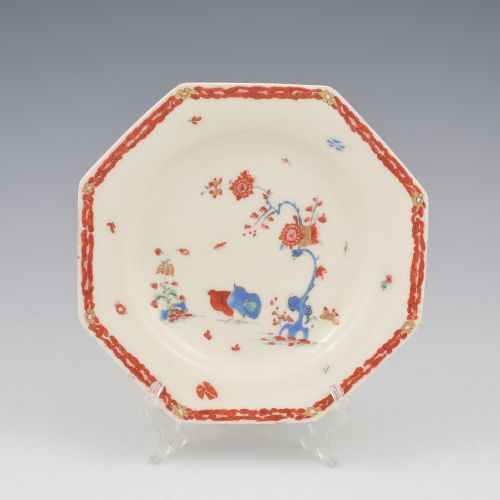
A blue porcelain plate brings together form and function, serving as both a dining vessel and a decorative charger across centuries of domestic life. When exploring a blue porcelain plate selection, you will encounter diverse origins spanning Qing Dynasty China, eighteenth-century English factories, and Meiji period Japanese workshops.
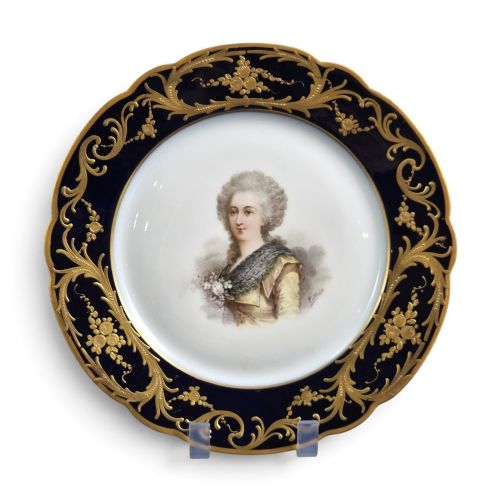
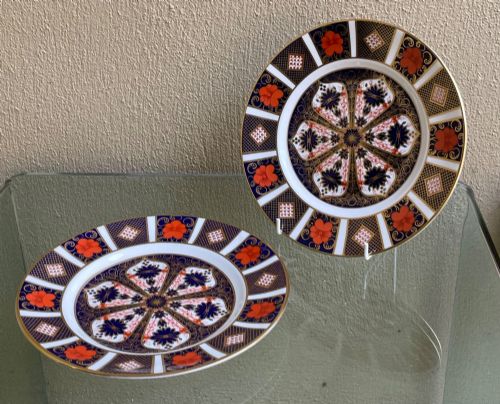
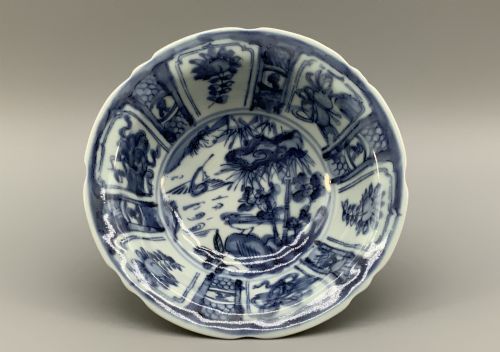
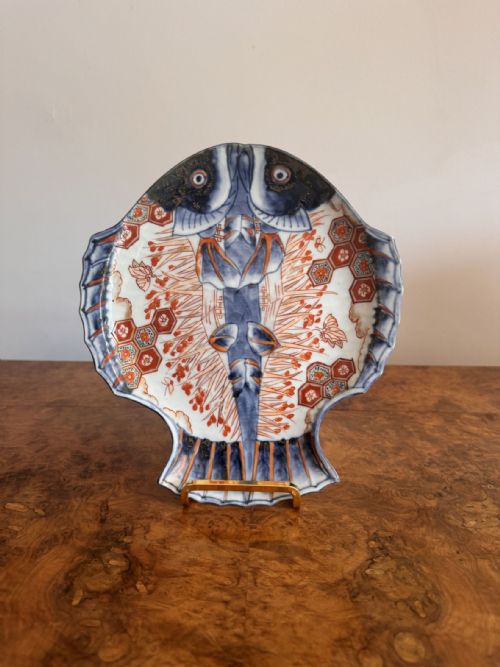
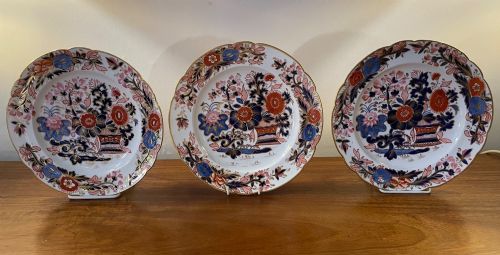
The objects take many shapes, from deep chargers and lobed bowls to square dessert dishes and cabinet plates meant for display. Eighteenth-century examples often display intricate underglaze blue and white painting, while later Victorian and twentieth-century pieces introduce rich imari palettes and hand-painted fruit.
Makers ranged from imperial Chinese kilns to European porcelain houses such as Worcester, Derby, Bow, and Royal Worcester. Each piece reflects the aesthetic priorities of its era, moving from restrained botanical motifs to exuberant Japanese-inspired designs.
Materials and technique
Makers relied on fine porcelain, bone china, and ceramic bodies shaped by hand or moulded before receiving cobalt blue pigment and transparent glaze. Kiln firing vitrified the body, fusing the glaze and underglaze colour into a durable, glassy surface.
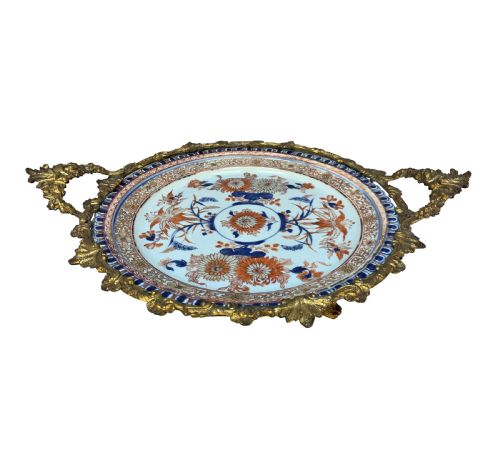
Many items incorporate additional decorative layers, including enamel, gold leaf, gilding, and ormolu mounts that elevate simple serving dishes into luxurious cabinet pieces. Handpainting required immense skill to control flowing cobalt under extreme heat without blurring the delicate floral, bird, or landscape designs.
Blue Porcelain Plate Retail Price Guide 2026
Typical asking prices for blue porcelain plate among the pieces listed under this phrase on Sellingantiques today, from the lower quarter to the upper quarter. They describe what is for sale here now, not the wider market.
Materials range from traditional earthenware and soft-paste porcelain to bone china enhanced with gold leaf, enamel, and gilt mounts.
Assessing quality
Quality rests in the crispness of the cobalt painting, the purity of the porcelain body, and the precision of the form. Earlier pieces from eighteenth-century kilns often show subtle throwing rings and pinholes that reveal the authentic hand of the potter.
Pinnacle examples feature signed artistry by notable painters, complex gilding, and mounts in ormolu that indicate commissioning for high-status interiors. The integration of glaze and pigment determines whether a piece maintains sharp, clear outlines or suffers from bleeding colour.
Royal Crown Derby·Royal Worcester·Meissen Porcelain
The Blue Porcelain Plate Glossary
- Charger
- A large decorative plate or platter traditionally used for display or as a base setting during formal dining.
- Imari
- A Japanese export style characterised by vibrant cobalt blue, iron red, and gilt detailing, widely copied in European factories.
- Soft-paste
- An early European porcelain composition made from clay and glass frit, fired at lower temperatures than true hard-paste porcelain.
- Underglaze
- Pigment applied directly to the unfired ceramic body before glazing and firing, locking the colour permanently beneath the glass surface.
- Comport
- A raised dish or bowl used for serving fruit or sweets as part of a formal dessert service.
Blue Porcelain Plate: Frequently Asked Questions
How are antique plates dated?
Makers frequently applied factory marks, blue crescents, or date ciphers to the underside of the ceramic body. Comparing these symbols with known period styles clarifies the decade of production.
Material composition also offers clues, as soft-paste porcelain differs visibly in weight and translucency from later nineteenth-century bone china and hard-paste varieties.
Can these plates still hold food?
Most antique pieces function primarily as decorative cabinet plates or wall chargers due to age and delicate enamel decoration. Historic glazes can be sensitive to modern detergents and heavy cutlery.
Gentle hand washing in warm water preserves the surface gilding and prevents any stress to centuries-old ceramic bodies.
What is imari style?
Imari describes a distinct decorative palette featuring deep underglaze blue combined with rust red and gold leaf highlights. Originating in Japan, European kilns rapidly adopted the aesthetic.
These pieces stand out for their dense, colourful patterns often depicting birds, flowers, and traditional landscapes.
Why are some plates called chargers?
Chargers are substantially larger than standard dining plates, historically measuring upwards of thirty centimetres across. They sat at the base of table settings or adorned sideboards.
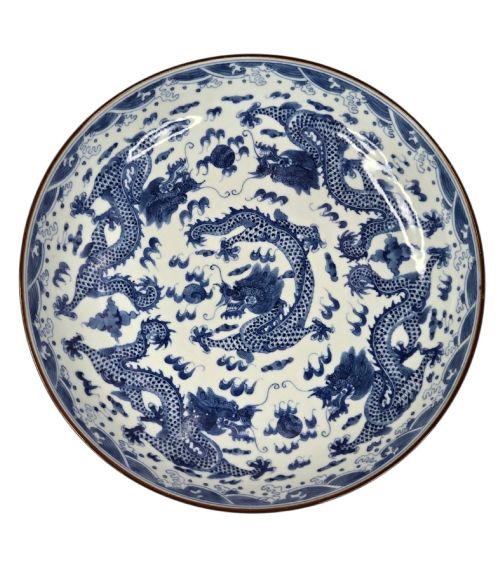
Their generous surface area provided artisans ample space to paint expansive garden scenes, dragons, or floral sprays.