




Floral Porcelain Plate
A floral porcelain plate brings botanical detail to the table, offering hand-painted sprays and gilt edges that collectors prize for their colour and form.
What floral porcelain plates are
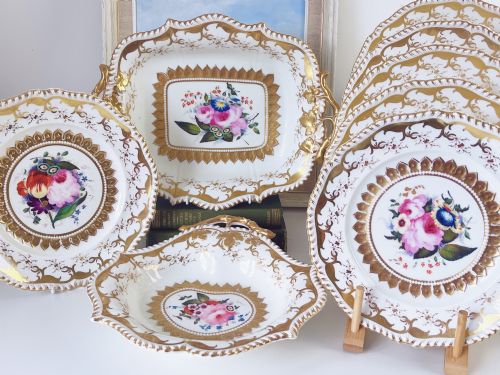
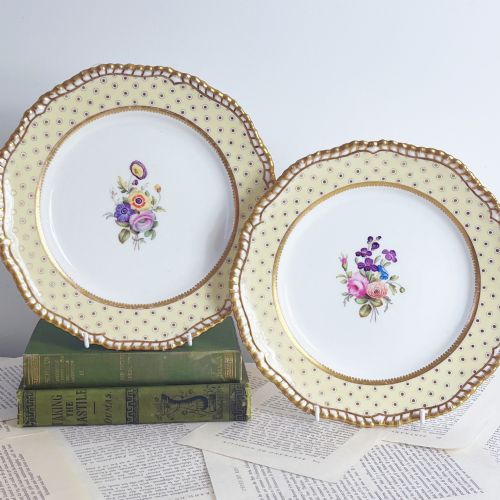
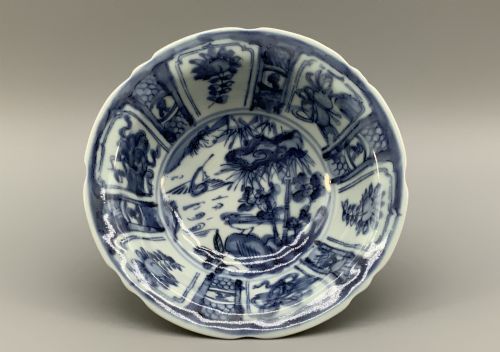
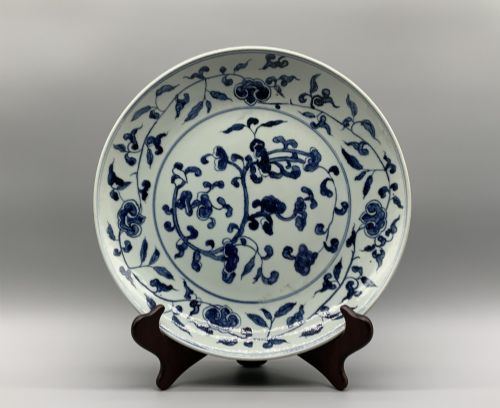
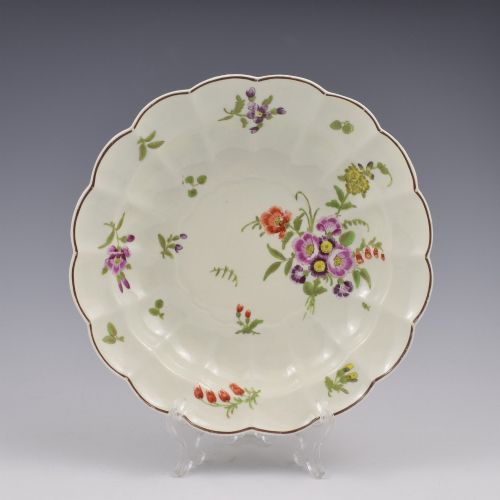
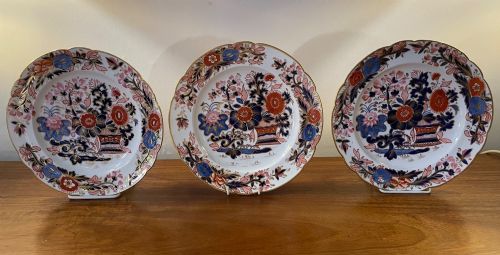
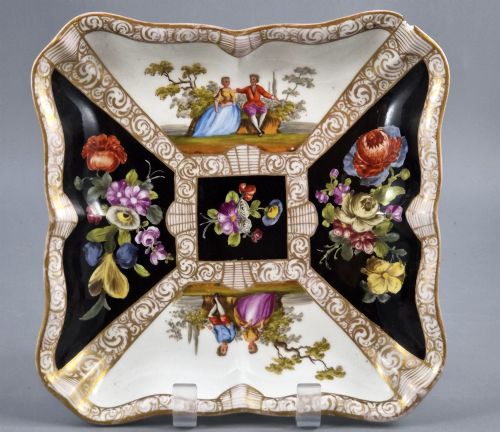
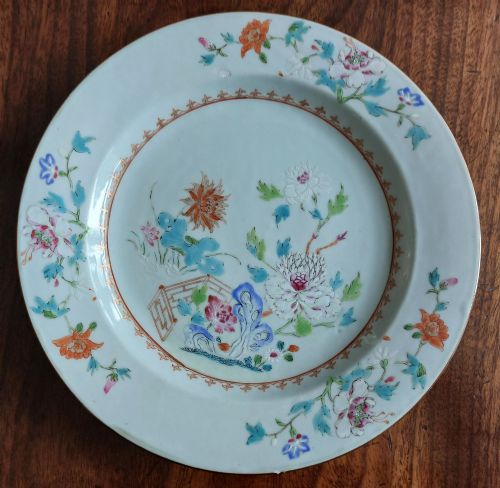
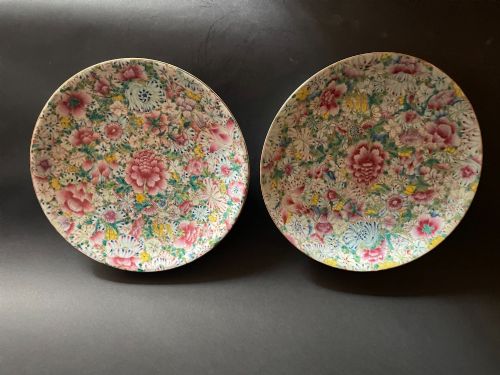
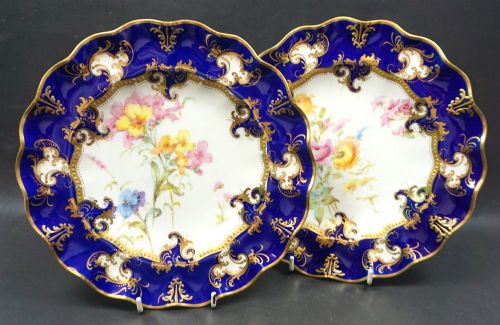
A floral porcelain plate presents painted blooms across surfaces of bone china or porcelain, taking the form of cabinet plates, decorative dishes, and dessert plates. These pieces serve as both functional tableware and decorative items, appearing across various centuries with distinct botanical motifs.
The pieces on this page emerge from several key periods, including the eighteenth century, the Regency era, the Edwardian period, and the nineteenth century. Makers applied styles ranging from the Aesthetic Movement to Regency designs, creating diverse visual expressions.
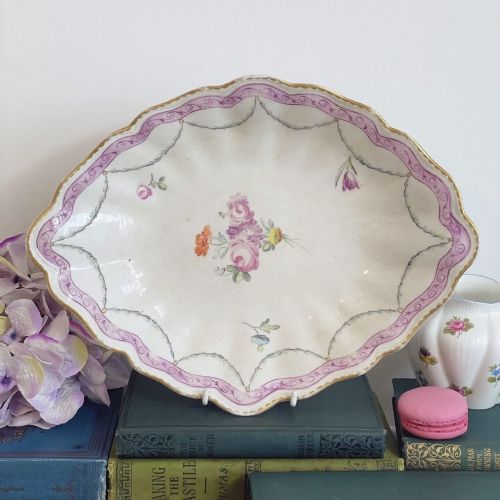
Most examples feature floral sprays or specific botanical studies such as orchids, often complemented by gilt highlights or wet blue borders. The inventory includes octagonal shapes alongside traditional circular dessert and cabinet plates.
How they were made
Potters shaped these objects using porcelain and bone china, firing the clay bodies at high temperatures to achieve a hard white base. Artisans then applied enamel paints by hand to create the floral sprays.
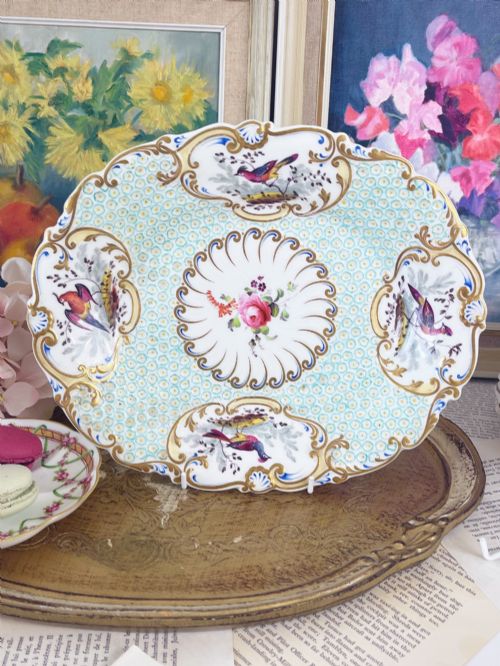
Gilt and gold leaf embellishments were added to rims and borders, requiring a secondary firing to bond the precious metal to the porcelain glaze. Factories employed skilled painters to execute detailed botanical studies and bird designs.
Object types include decorative dishes, dessert plates, and cabinet plates decorated with hand-painted orchids and floral sprays.
What varies in quality
The precision of the hand painting dictates the upper tier of quality, where botanical accuracy and fine brushwork distinguish factory-produced standards from master painter output. Early periods such as the Red Anchor era command attention for their specific paste and glaze characteristics.
The richness of the gilding and the crispness of the porcelain moulding separate standard table wares from exhibition cabinet pieces. Wedgwood and Chelsea examples demonstrate how refined baseline materials elevate the finished decorative dish.
Royal Doulton·Bloor Derby·Spode·Wedgwood·Daniel·Chelsea·Swansea
The Floral Porcelain Plate Glossary
- Bone china
- A type of soft-paste or hard-paste porcelain incorporating bone ash for strength and translucency. It provides a bright white background for enamel painting.
- Cabinet plate
- A decorative dish intended for display in a cabinet rather than for daily dining use. These pieces often feature elaborate hand-painted scenes or rich gilding.
- Enamel
- Opaque glass-like paint fused to the porcelain surface during a muffle kiln firing. It holds vibrant colours across centuries.
- Gilt
- A thin layer of gold applied to the edges and borders of porcelain plates. It adds a reflective quality that complements floral motifs.
- Red Anchor period
- An eighteenth-century phase of production at the Chelsea porcelain factory identified by a small red anchor mark. Pieces from this time use specific soft-paste formulas.
Frequently Asked Questions
How do I display a cabinet plate?
Cabinet plates suit wall mounting using coated wire hangers or placement on dedicated plate stands within glass-fronted furniture.
Keep them away from direct sunlight to preserve the vibrant enamel colours and gold leaf highlights.
Can I use these plates for dining?
Historic dessert plates and decorative dishes are generally reserved for display rather than active service.
Hand washing in lukewarm water with mild soap protects the delicate glazes and nineteenth-century enamels from modern detergents.
What defines the Aesthetic Movement style?
Aesthetic Movement pieces incorporate asymmetrical compositions, often pairing floral designs with birds and geometric shapes.
This late nineteenth-century approach favoured flat decoration and simplified forms over traditional Regency symmetry.
How are different factory periods identified?
Factories used specific underglaze or painted marks, such as the Chelsea red anchor, alongside distinct paste compositions and glaze textures.
Comparing the weight, translucency, and painting style helps attribute unmarked pieces to specific workshops.