


Botanical Cabinet Plate
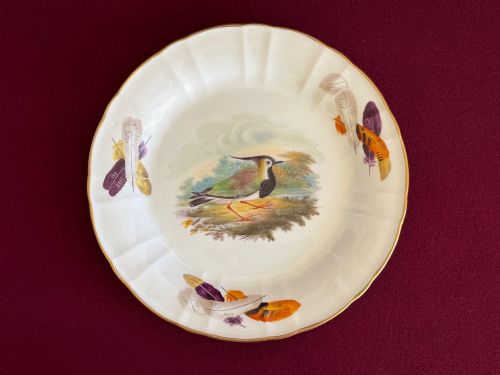
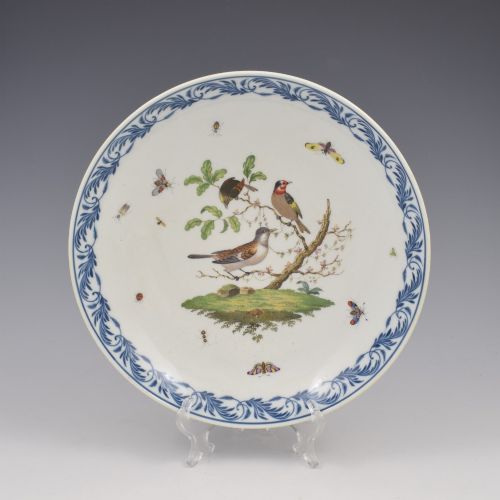
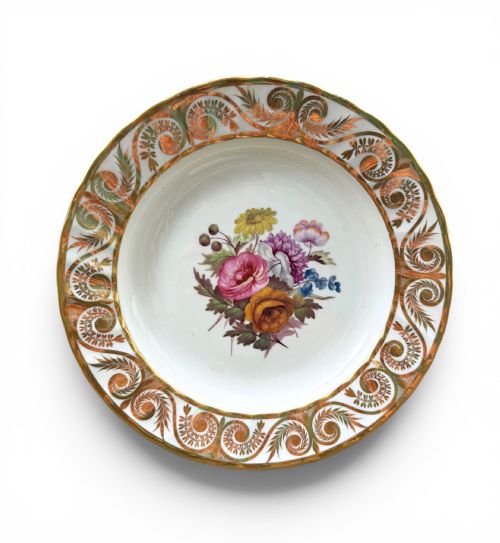
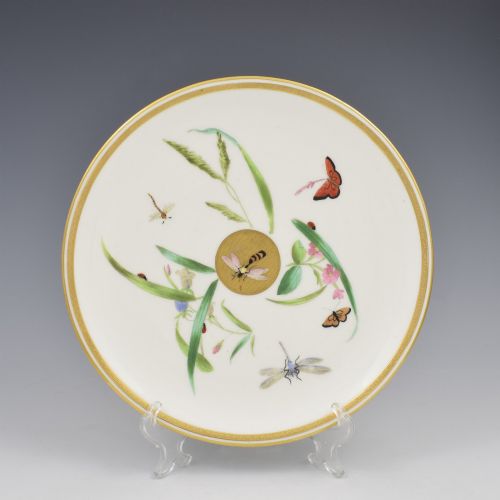
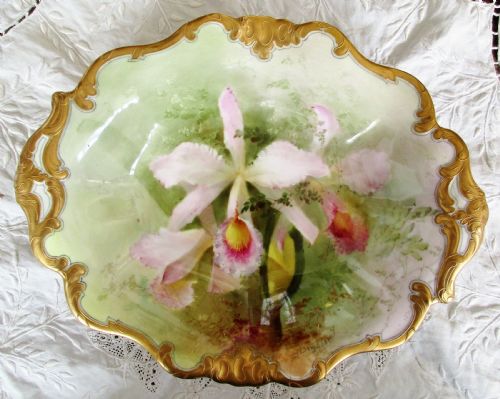
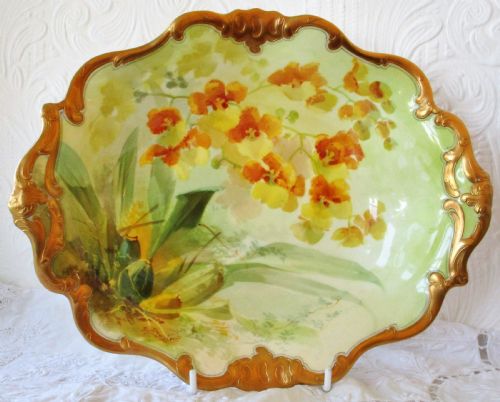
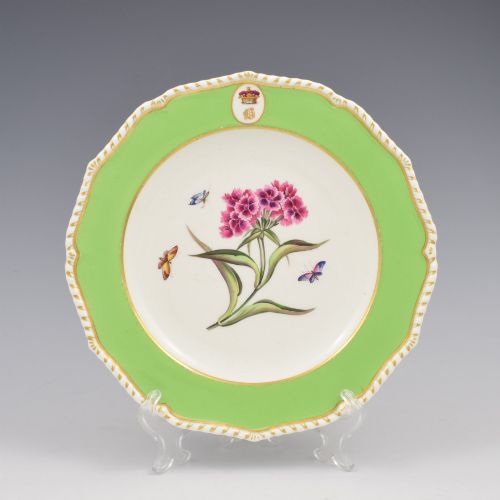
When you search for a botanical cabinet plate, you are looking at fine porcelain painted with flowers, birds, or botanical specimens intended for display.
Botanical Cabinet Plate
A botanical cabinet plate is a ceramic dish created primarily for visual presentation rather than daily dining use. These items appear across various periods including the eighteenth, nineteenth, and early twentieth centuries, spanning Georgian, Regency, Victorian, and Edwardian eras. Forms range from dedicated cabinet plates and dessert plates to decorative dishes and serving dishes.
The pieces on this page originate from prominent English factories such as Worcester, Derby, Coalport, Minton, and Royal Doulton, alongside continental porcelain houses like Meissen, Sèvres, and Furstenberg. Collectors most frequently encounter nineteenth-century English and European porcelain featuring hand-painted floral or ornithological subjects.
How they were made
The bodies of these items comprise porcelain, bone china, or hard-paste porcelain, formed and fired before receiving meticulous hand-painting. Artisans applied overglaze enamel colours to depict botanical studies, flowers, and birds directly onto the ceramic surface.
Gilding and gold leaf served to highlight rims, borders, and armorial details, often requiring a secondary firing to bond the metal to the glaze. Many examples combine painted floral motifs with rich gilt accents typical of Regency and Victorian manufacture.
Object forms span dessert plates, serving dishes, and cabinet dishes decorated with hand-painted flora and fauna.
What varies in quality
The distinction between tiers rests upon the precision of the hand-painted artwork and the renown of the factory or decorator. Pieces bearing specific botanical or ornithological identifications executed by named artists display superior artistic competency.
Execution of the gilding and the clarity of the porcelain body further separate standard production items from exceptional cabinet pieces. Weight, translucency of the bone china or porcelain, and the sophistication of the border design dictate the standing of an individual dish.
Wedgwood·Meissen·Derby·Minton·Royal Doulton·Bloor Derby·Barr Flight and Barr·Furstenberg·Copeland·Sevres·Coalport·Royal Worcester·Kornilov Brothers·Chelsea Derby·Ridgway·Chamberlain Worcester·Nantgarw·Coalport·Fukagawa·New Hall·Rockingham·Royal Crown Derby
The Botanical Cabinet Plate Glossary
- Cabinet plate
- A decorative ceramic dish made for display in a cabinet or on a wall rather than for practical table use. These plates typically feature intricate hand-painted subjects.
- Bone china
- A type of soft-paste porcelain incorporating bone ash, known for high strength, whitened appearance, and delicate translucency. English factories utilised this composition extensively from the late eighteenth century onward.
- Overglaze enamel
- Vitreous coloured decoration applied on top of the fired and glazed ceramic surface, requiring a subsequent low-temperature kiln firing. This technique allowed artists to achieve vibrant botanical hues.
- Hard-paste porcelain
- A durable ceramic material composed of kaolin and petuntse, fired at high temperatures. Continental manufacturers such as Meissen and Sèvres specialised in this dense medium.
- Armorial
- A design incorporating a family crest, coat of arms, or heraldic insignia. Plates bearing these motifs were often commissioned by landed families.
Botanical Cabinet Plate: Frequently Asked Questions
How were botanical cabinet plates used?
These pieces served primarily as decorative items for display in drawing rooms or dining parlours, often exhibited on plate stands or mounted in wall brackets. They demonstrated the owner's cultivation, wealth, and interest in natural history.
While some forms originated as part of larger dessert services intended for formal dining, botanical and ornithological designs were frequently selected specifically to be showcased in glazed cabinets.
How can I tell the period of a plate?
Dating relies heavily upon factory marks, backstamps, and the style of the hand-painted decoration. Blue underglaze marks, impressed letters, and puce or red painted cyphers point to specific decades and manufacturing houses.
Stylistic shifts, such as the transition from neoclassical Regency motifs to ornate Victorian gilding or Aesthetic Movement Japanese influences, also help narrow the date of manufacture.
What is the difference between a cabinet plate and a dessert plate?
A dessert plate was originally manufactured as part of a functional dining service used for serving the final course of a meal. Cabinet plates were produced expressly for visual display.
Over time, high-quality dessert plates featuring botanical or armorial painting naturally transitioned into cabinet display roles due to their artistic merit.