


Gilded Ceramic Dish
A gilded ceramic dish brings together bright enamel work and metal leaf on porcelain, bone china, or earthenware, catching the eye on any cabinet shelf.
Gilded Ceramic Dish
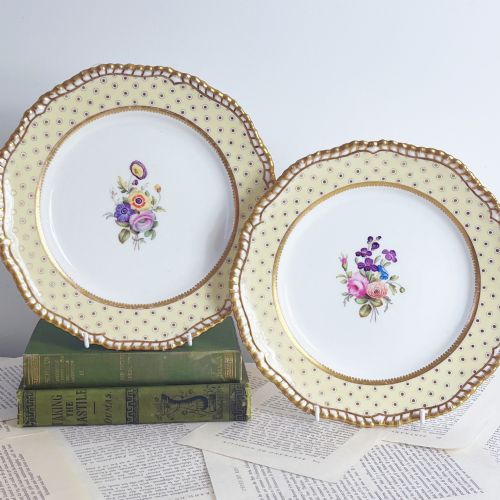
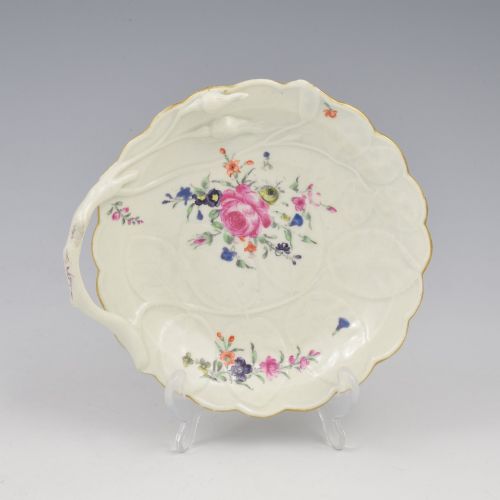
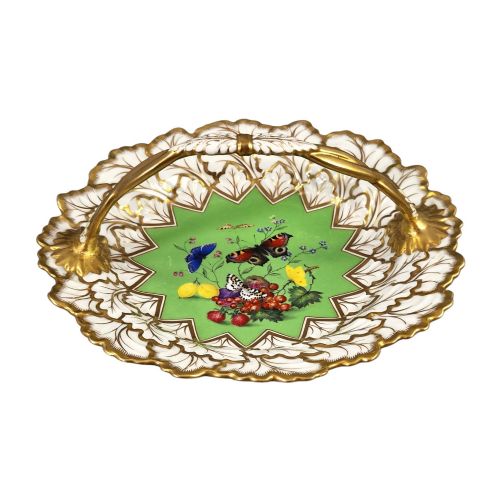
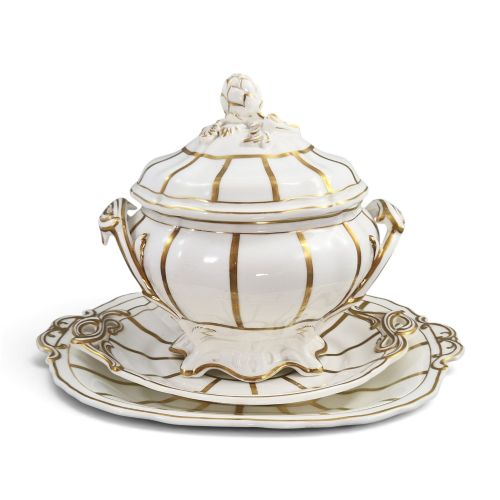
A gilded ceramic dish encompasses decorative plates, cabinet plates, sweetmeat dishes, and serving vessels produced across the eighteenth, nineteenth, and early twentieth centuries. When searching for a gilded ceramic dish, buyers encounter English porcelain from factories like Worcester and Coalport alongside Japanese Imari wares and continental pieces from Sèvres, Meissen, and Berlin.
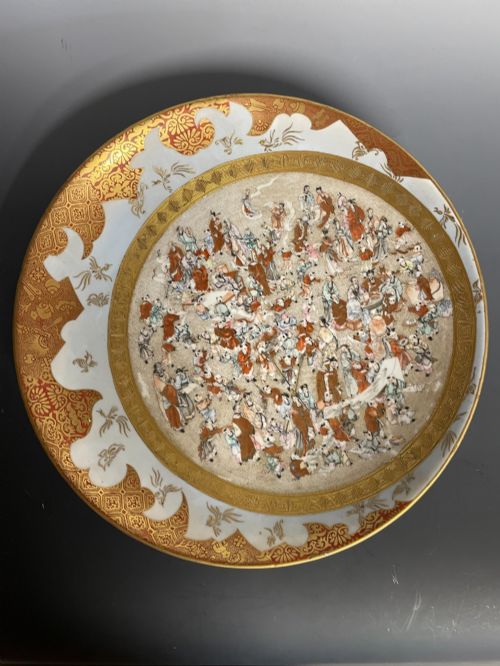
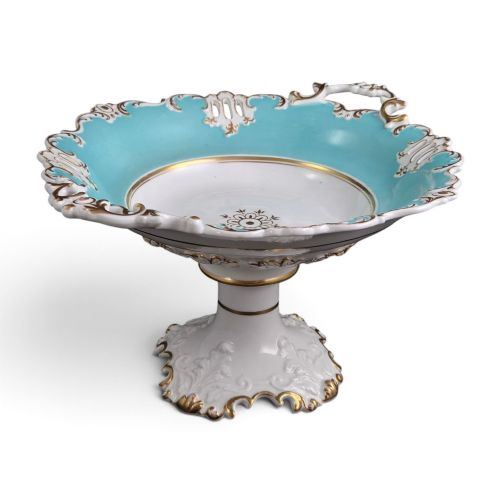
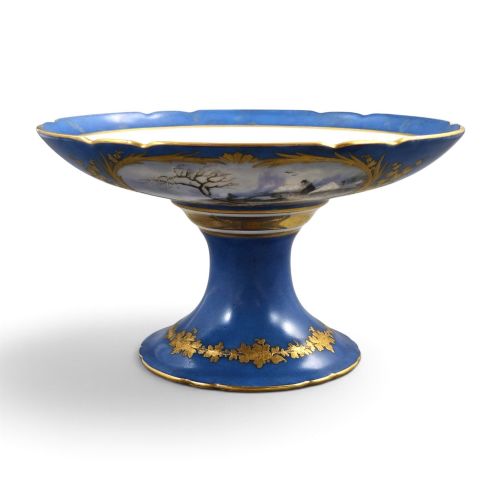
The selection ranges from early Worcester leaf dishes and Regency dessert services to Victorian tazzas, Edwardian lustre bowls, and Meiji period Satsuma chargers. These pieces served both decorative functions in formal rooms and practical roles at dining tables, combining painted scenes with metal gilding.
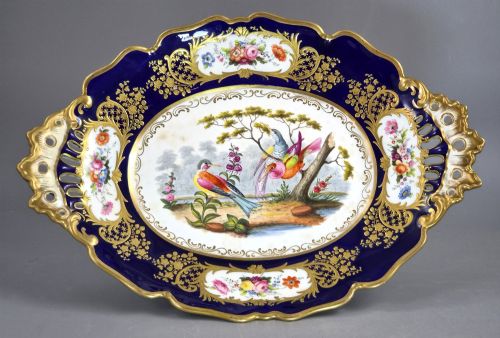
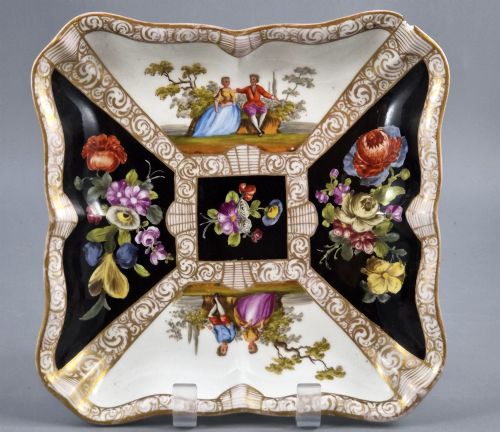
English and European factories dominate the nineteenth-century material, while Japanese imports from the Meiji period provide contrasting styles featuring intricate moriage and hand-painted panels. Cabinet plates and small sweetmeat dishes appear most frequently, offering distinct shapes like scalloped edges, square lobes, and oval serving forms.
How They Were Made
Potters formed these items using porcelain, bone china, or earthenware, which were then fired before receiving hand-painted designs in enamel colours. Artisans applied gold leaf, gilt, or liquid gilding to rims, handles, and borders to accent the central motifs.
Painters executed detailed bird, floral, and figural scenes directly onto the ceramic surface before a final kiln firing to bond the metals and enamels permanently to the glaze. Japanese makers employed specialised regional techniques such as Satsuma crackle-glaze earthenware decorated with raised enamel and heavy gold leaf.
Gilded Ceramic Dish Retail Price Guide 2026
Typical asking prices for gilded ceramic dish among the pieces listed under this phrase on Sellingantiques today, from the lower quarter to the upper quarter. They describe what is for sale here now, not the wider market.
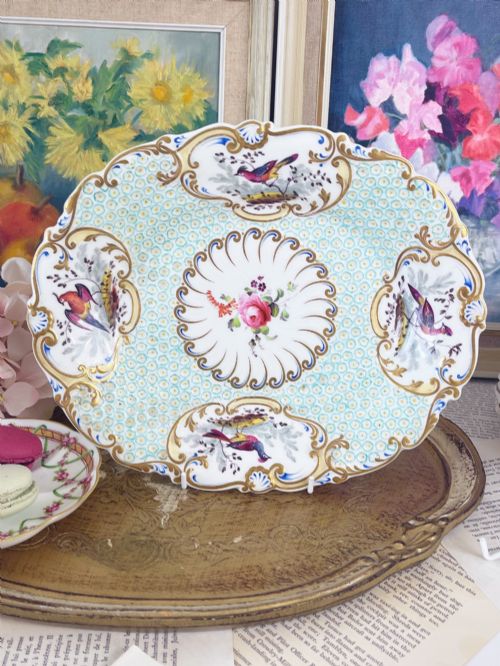
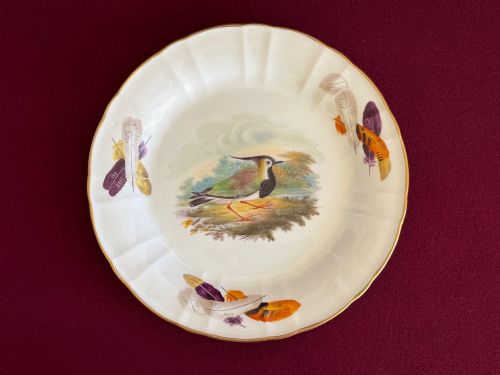
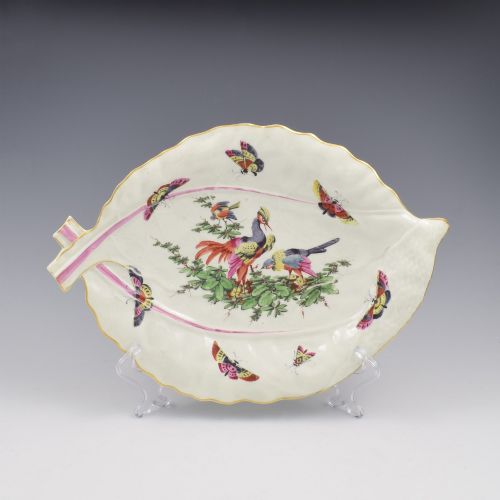
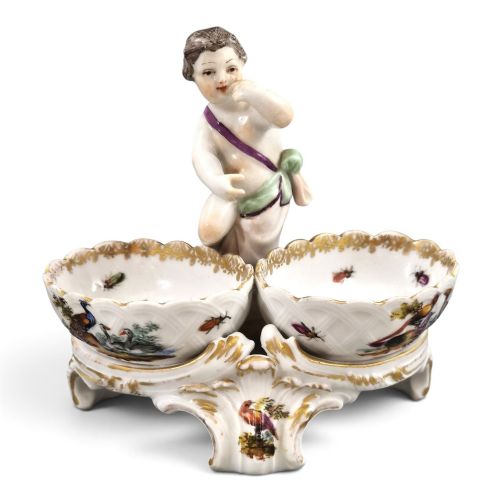
Lapwings, fancy birds, and hidden insects gaze out from beneath layers of gold leaf across centuries of kiln-fired porcelain.
What Varies in Quality
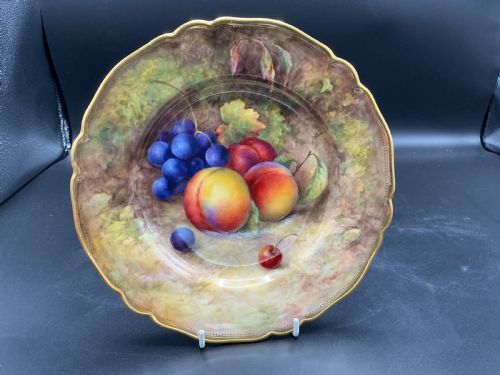
Quality rests upon the precision of the hand-painting and the depth of the gilding applied across the ceramic surface. Superior pieces display finely rendered botanical, bird, or figural subjects executed by named painters or major porcelain houses.
The crispness of moulded details, such as rococo scrolls or leaf lobes, separates standard factory output from exceptional cabinet pieces. Preservation of the original gold leaf and enamel brilliance without rubbing determines the enduring appeal of each item.
Koshida·Spode·Coalport·H & R Daniel·Wedgwood·Meissen·Flight Barr And Barr·Davenport·KPM Berlin·Royal Worcester·Royal Crown Derby·Chamberlains Worcester·Moses Webster·Hicks And Meigh·Minton·Royal Doulton·David Dewsberry·Daisy Makeig Jones
The Gilded Ceramic Dish Glossary
- Cabinet plate
- A decorative ceramic plate intended for display in a cabinet rather than for dining use. These often feature elaborate hand-painted scenes and heavy gilding.
- Gilding
- The application of gold leaf, gilt, or powdered gold to ceramic surfaces. This technique highlights rims, handles, and painted borders.
- Bone china
- A type of soft-paste porcelain containing bone ash, developed in England. It provides a bright white background ideal for enamel painting and gilding.
- Imari
- A style of Japanese export porcelain characterised by underglaze blue, iron red, and abundant gold. Pieces display traditional floral and geometric patterns.
- Sweetmeat dish
- A small shallow vessel designed for serving confections, nuts, or sweetmeats. They frequently feature shaped edges or divided compartments.
Gilded Ceramic Dish: Frequently Asked Questions
What is a gilded ceramic dish used for?
These dishes served practical dining functions, such as presenting sweetmeats, desserts, or side dishes during formal meals. Many forms were also intended purely for display in cabinets and drawing rooms.
Over time, collectors shifted smaller plates and bowls into decorative roles to showcase their painted subjects and gold detailing without risking daily wear.
How do I identify eighteenth century porcelain?
Early pieces from factories like Worcester often feature distinct body pastes, hand-painted underglaze blue, or early enamel palettes with bird and fruit motifs. Examining the base can reveal period factory marks or characteristic glaze pooling.
Comparing the weight, potting style, and hand-painted brushwork against documented examples helps confirm the production period.
What is the difference between Imari and Satsuma ware?
Imari pieces are porcelain items decorated in underglaze blue, iron red, and extensive gold, originating from Japanese export kilns. Satsuma wares are typically earthenware featuring a characteristic crackled ivory glaze and elaborate polychrome enamels.
Both Japanese styles incorporate heavy gilding, but their ceramic bodies and primary colour palettes remain distinct.
How should I care for antique porcelain with gilding?
Gilded ceramics require gentle handling and should be washed by hand in warm water with mild soap when necessary. Harsh abrasives, chemical cleaners, and dishwashers will wear away delicate enamel paint and gold leaf.
Keeping items out of direct sunlight prevents enamel fading while preserving the finish of the ceramic surface.