

Antique English Pottery
Antique english pottery gathers centuries of domestic craft, from slipware jugs and creamware platters to transfer-printed Staffordshire figures.

Antique English Pottery
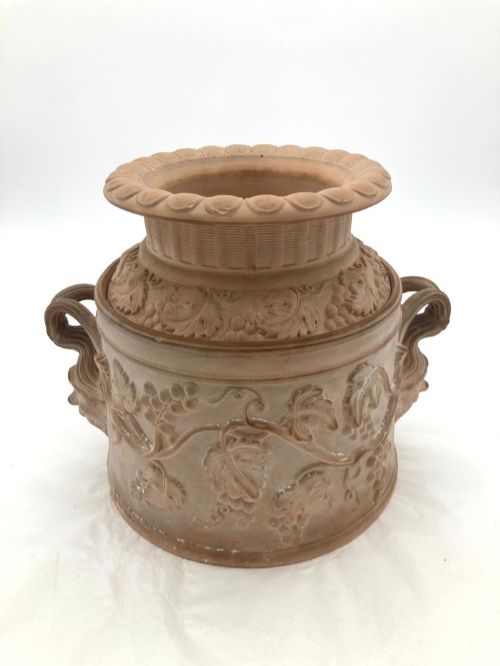
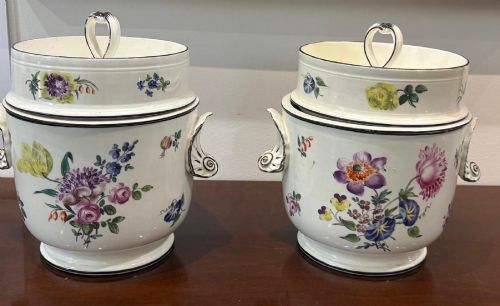
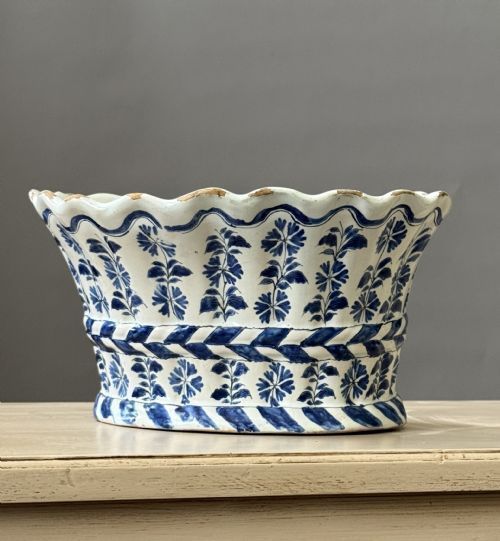
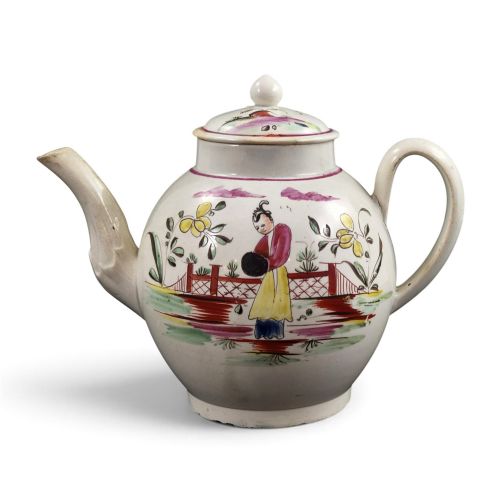
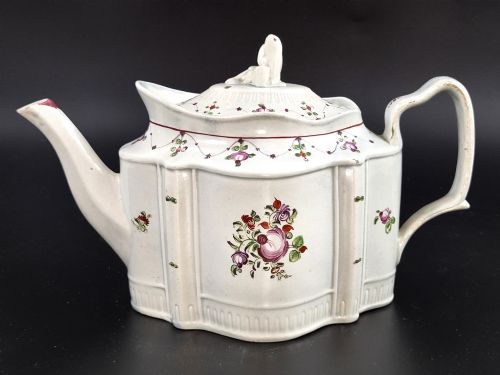
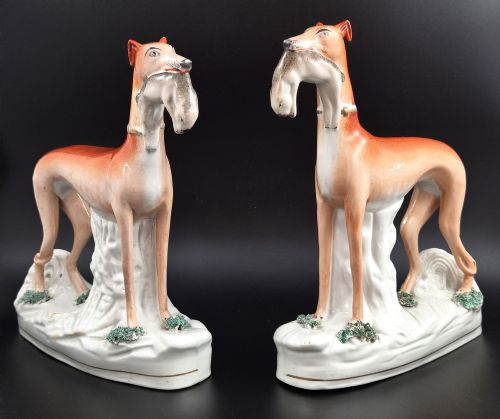
When searching for antique english pottery, collectors encounter a vast array of functional and decorative domestic objects spanning several centuries. The selection ranges from early tin-glazed delftware chargers and creamware teapots to Victorian Staffordshire figures and transfer-printed platters.
Vessels such as jugs, pitchers, vases and serving dishes dominate the offerings, alongside sculptural animal figures and architectural pieces. Pieces originating from Staffordshire, Sunderland and Leeds feature prominently across the collection.
The objects reflect changing domestic tastes, moving from utilitarian kitchenware and tavern items to elaborate mantel ornaments and cabinet pieces.
How they were made
Potters utilised earthenware, creamware, pearlware, and ironstone as foundational bodies, shaping them on wheels or casting them in moulds. Surfaces received lead glazes, salt glazes, or metallic lustres to seal the porous clay and provide a glossy sheen.
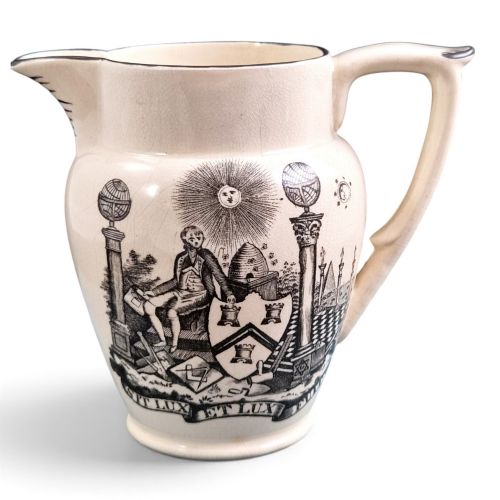
Decoration relied heavily on black and blue transfer printing, hand-painted polychrome pigments, and tube-lined designs. Enamel colours and gilt highlights were frequently added over the glaze before a final kiln firing.
Antique English Pottery Retail Price Guide 2026
Typical asking prices for english pottery among the pieces listed under this phrase on Sellingantiques today, from the lower quarter to the upper quarter. They describe what is for sale here now, not the wider market.
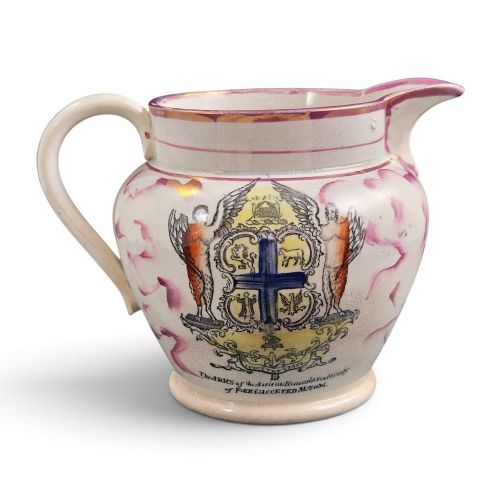
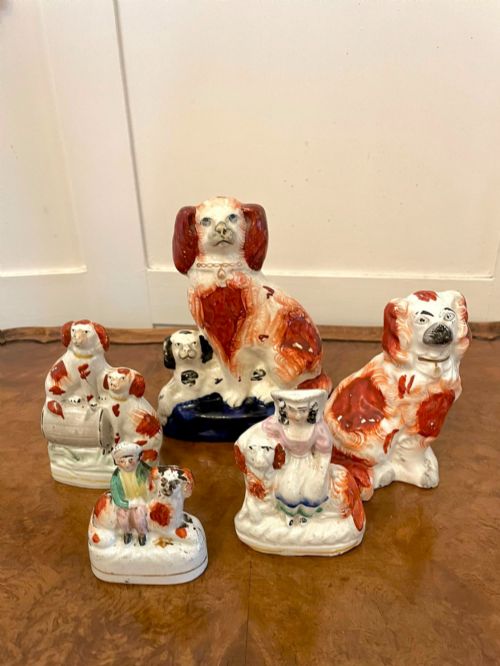
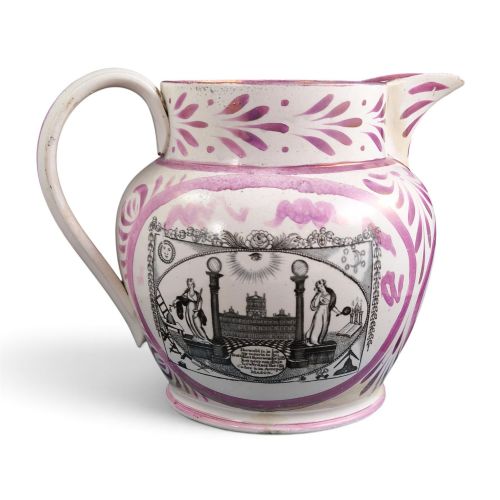
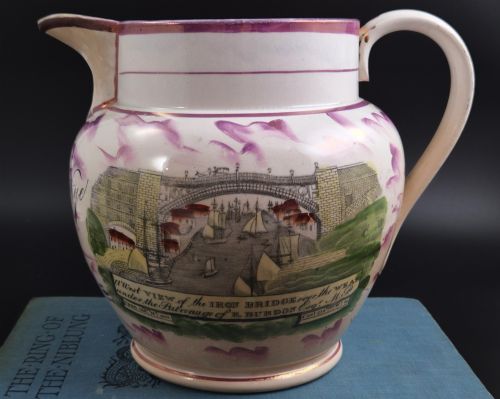
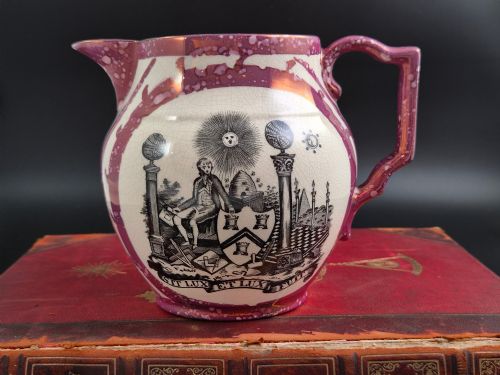
Pottery types include transfer-printed platters, lustre jugs, painted delftware chargers, and moulded Staffordshire animal figures.
What varies in quality
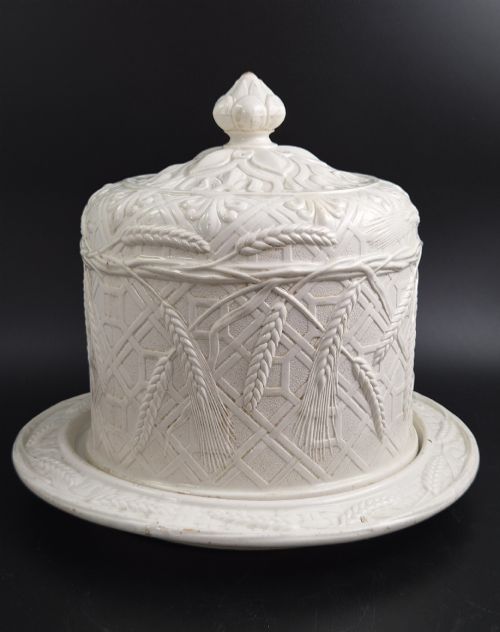
The refinement of the clay body and the crispness of moulded details set exceptional items apart from standard wares. Early pieces display delicate throwing and careful hand-painting, whereas mass-produced later items rely on mechanical transfer prints.
The depth and brilliance of the glaze, particularly on lustreware and early delft, dictate visual appeal. Preservation of original enamels and gilding without excessive rubbing preserves the historical integrity of the piece.
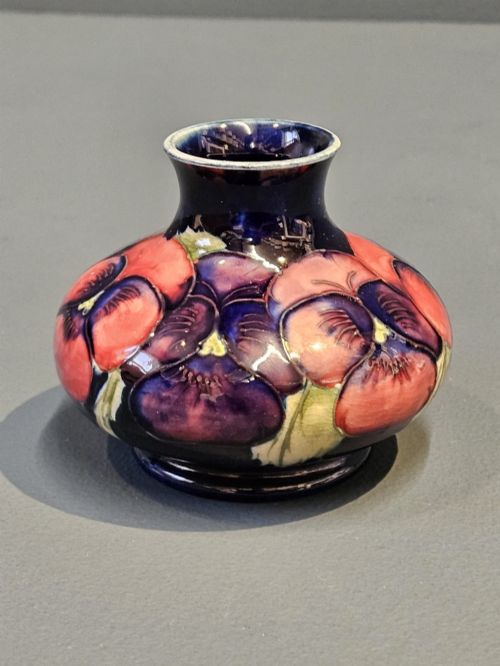
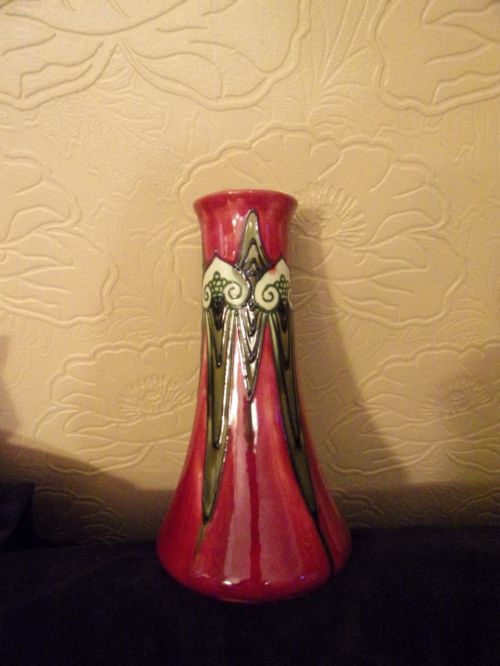
Moorcroft·Minton·Davenport·Wedgwood·Spode·Mason's·Doulton Burslem
The Antique English Pottery Glossary
- Creamware
- A refined light-coloured earthenware developed in the eighteenth century, valued for its warm tone and smooth glaze.
- Pearlware
- An eighteenth-century earthenware with a bluish glaze that pooled in recesses, designed to mimic Chinese porcelain.
- Transfer printing
- A method of applying detailed designs to pottery by engraving a copper plate and transferring the ink via tissue paper.
- Lustreware
- Pottery finished with a metallic glaze that creates an iridescent sheen, often seen in pink or copper tones.
- Delftware
- Tin-glazed earthenware produced in England, typically featuring hand-painted blue and white or polychrome motifs.
- Slipware
- Pottery decorated by applying liquid clay to a contrasting body before firing.
Antique English Pottery: Frequently Asked Questions
How do I date antique pottery?
Dating relies on stylistic markers, glaze types, and manufacturing marks found on the base.
Changes in clay bodies, such as the transition from creamware to pearlware, help narrow the period of origin.
Were Staffordshire figures used as toys?
Most Staffordshire figures served as mantel ornaments rather than children's playthings.
Smaller toy figures and money boxes were produced for children, but larger ceramic dogs and historical characters decorated parlour shelves.
How should I clean antique earthenware?
Dust pieces gently with a soft, dry brush to remove surface debris.
Avoid immersing old porous ceramics in water, particularly if they possess fragile overglaze enamels or historical repairs.
What is transfer-printed pottery?
Transfer printing is a technique where an engraved metal plate applies ink designs onto pottery.
This method allowed workshops to produce complex scenic and floral patterns consistently across large dinner services.