






Antique Ceramic Charger
An antique ceramic charger brings broad, painted surface space to a wall or sideboard through centuries of diverse kiln traditions.
Antique Ceramic Charger
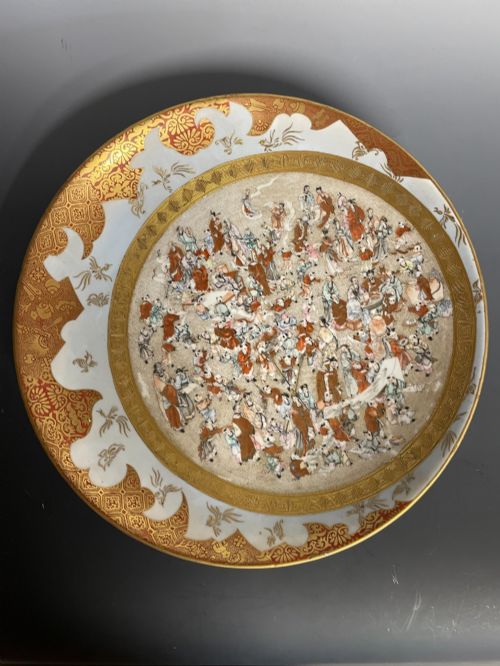
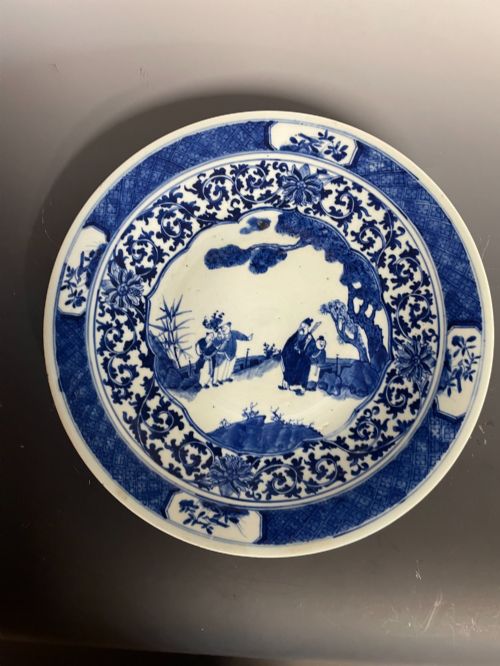
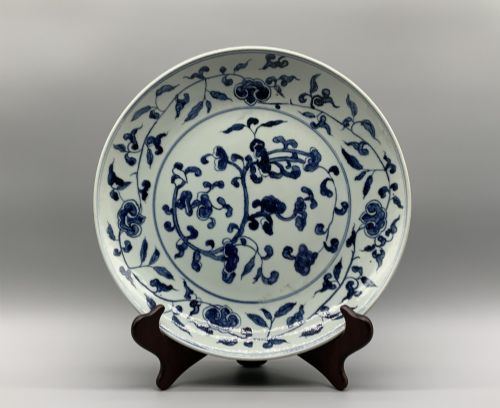
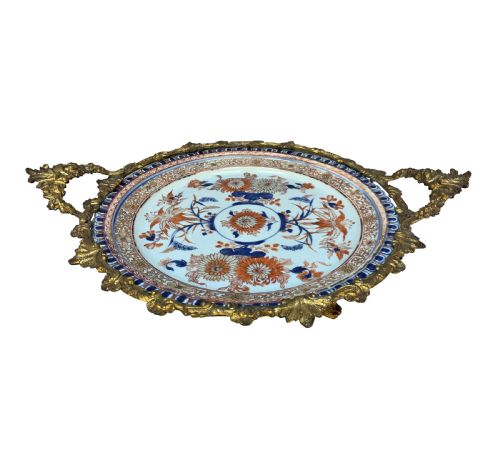
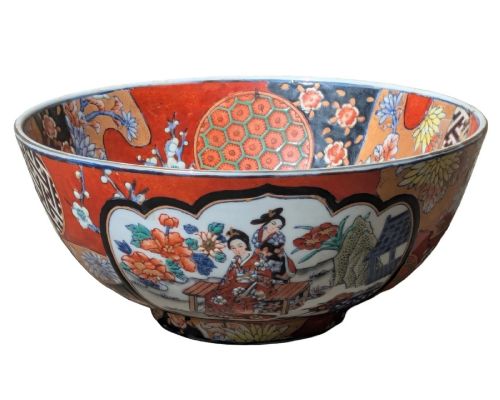
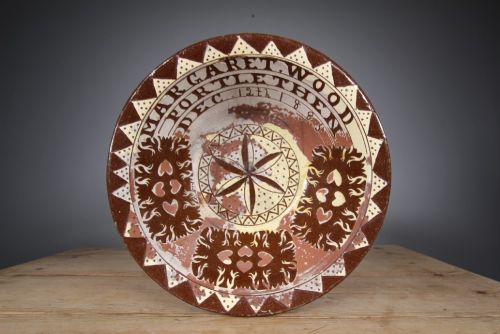
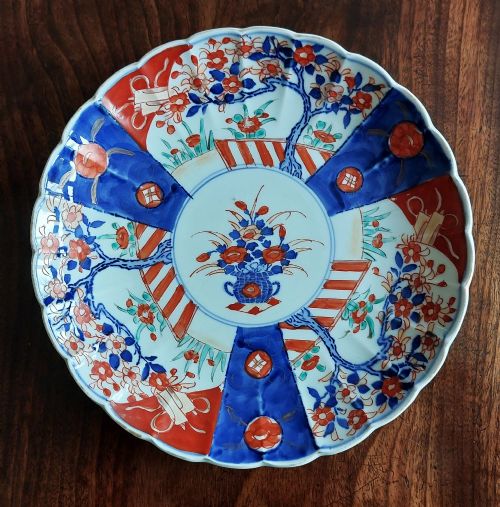
An antique ceramic charger is a large decorative plate or serving platter designed primarily for display rather than standard dining use. When browsing this selection, you will frequently encounter robust earthenware and porcelain examples originating from European delftware kilns and Japanese Imari traditions.
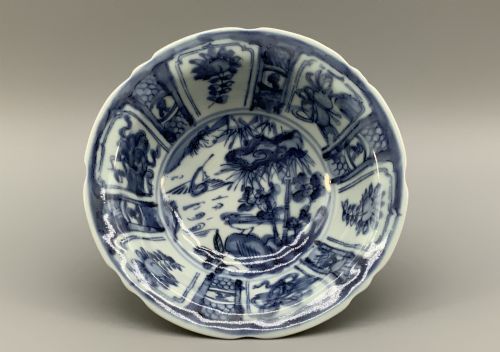
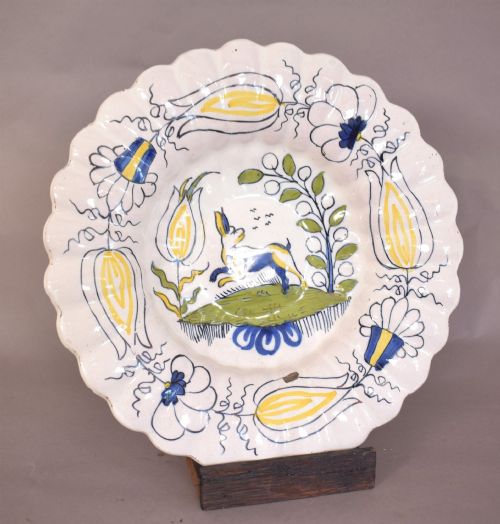
The inventory spans multiple centuries, incorporating seventeenth-century tin-glazed earthenware alongside nineteenth-century porcelain and transferware. Forms range from scalloped bowls and lobed dishes to expansive flat platters.
Continental delftware and Asian export porcelain dominate the older periods, while later Victorian and twentieth-century examples introduce rich hand-painted botanical and pictorial scenes.

Materials and Construction
Potters shaped these large platters from ceramic pastes, earthenware, or soft-paste porcelain before applying tin glaze, cobalt underglaze, or enamel pigments. Many traditional pieces received a white opaque tin glaze to provide a smooth canvas for hand-painted blue and white or polychrome motifs.
Firing took place in wood or coal-fueled kilns, where masters utilised gold leaf, enamel, and copper or cobalt oxides to achieve rich surface coloration. Certain European and Asian workshops then mounted finished plates in ormolu or left edges scalloped and silver-shaped.
Antique Ceramic Charger Retail Price Guide 2026
Typical asking prices for ceramic charger among the pieces listed under this phrase on Sellingantiques today, from the lower quarter to the upper quarter. They describe what is for sale here now, not the wider market.
Materials documented across the inventory include tin glaze, earthenware, gold leaf, and cobalt underglaze.
Judging Quality and Execution
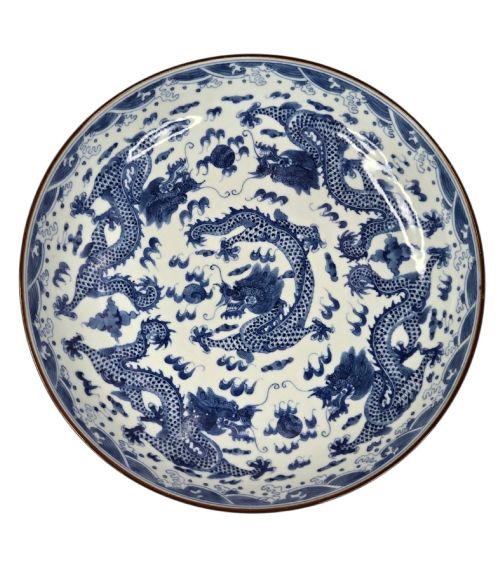
Quality rests upon the precision of the hand-painting, the clarity of the cobalt underglaze, and the stability of the glaze across a broad surface. Superior pieces display confident, fluid brushwork on subjects such as dragons, portraits, or intricate floral panels without muddying of the pigments.
The weight and flatness of the ceramic body also determine distinction, as larger platters often warped during high-temperature kiln firings. Well-preserved pieces maintain crisp edge definition and intact enamel colours without excessive surface rubbing.

Royal Worcester·Royal Crown Derby·Seaton Pottery·Sèvres
The Antique Ceramic Charger Glossary
- Tin Glaze
- A lead glaze rendered opaque by the addition of tin oxide, creating a white background typical of delftware and maiolica. This technique allowed artists to paint directly onto an absorbent surface before the final firing.
- Cobalt Underglaze
- Pigment applied to ceramic bodies prior to glazing and high-temperature firing, yielding deep blue decoration. The mineral withstands extreme kiln heat, binding permanently with the glaze.
- Imari
- A Japanese export porcelain style featuring iron red, cobalt blue, and gold leaf highlights. Originating from Arita, these wares gained immense popularity across European households.
- Creamware
- A refined earthenware developed in England during the eighteenth century, noted for its warm pale yellow tone. It superseded heavier salt-glazed stonewares for table and display service.
- Soft-Paste Porcelain
- A ceramic composite made from clay and glass frit rather than hard-paste kaolin minerals. It was widely utilised by European factories to produce fine decorative cabinet plates.
Antique Ceramic Charger: Frequently Asked Questions
How were antique chargers displayed?
Large chargers were traditionally stood on edge upon sideboards or hung directly on walls using specialised wire hangers to showcase their painted centres.
Their substantial diameter made them centrepieces in formal dining rooms rather than functional tableware.
What is the difference between delft and porcelain?
Delft utilises a porous earthenware body covered in an opaque white tin glaze, while porcelain is a denser, vitrified material fired at much higher temperatures.
Delft often shows softer edges and heavier potting compared to the thin, resonant quality of porcelain.
How do I care for a ceramic charger?
Keep these pieces away from direct sunlight and moisture fluctuations to protect old glazes and delicate gold leaf embellishments from degrading over time.
Dust them gently with a soft dry cloth and avoid harsh chemical cleaners entirely.
How can I tell the period of a charger?
Dating relies on examining the weight of the clay body, the chemistry of the glaze, and the specific painting style associated with known historical eras.
Comparing backstamps, foot rims, and stylistic motifs against established factory records narrows down the date of production.