

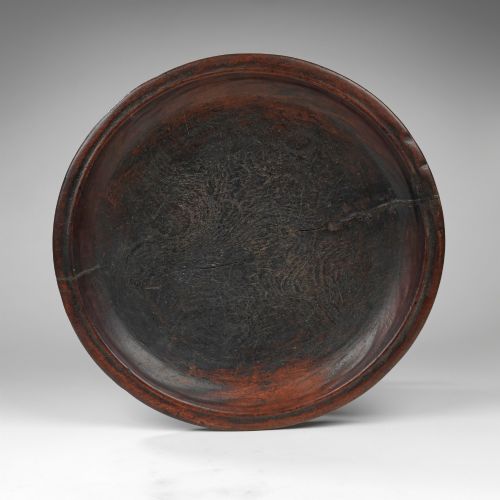
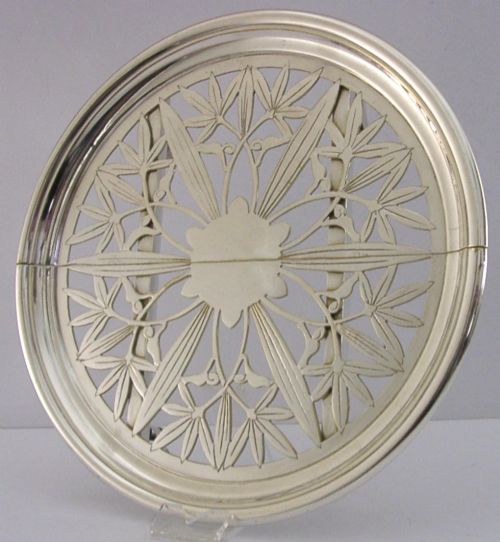
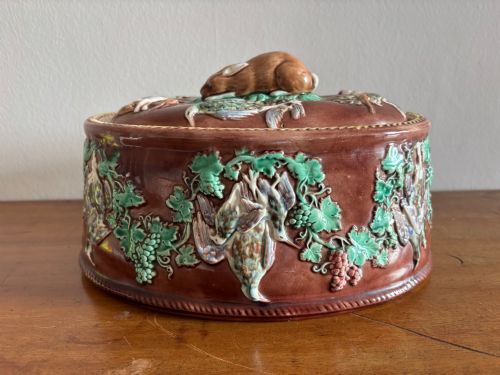
Antique Serving Dish
An antique serving dish brings the weight of centuries of dining traditions straight to the modern table through earthenware, porcelain, and silver plate.
Antique Serving Dish
An antique serving dish encompasses functional vessels designed for presenting food at the table, ranging from substantial meat platters and deep vegetable tureens to delicate dessert dishes and chargers. When exploring this selection, buyers commonly encounter earthenware and transferware platters alongside silver-plated warming stands and porcelain bowls from the eighteenth, nineteenth, and early twentieth centuries.
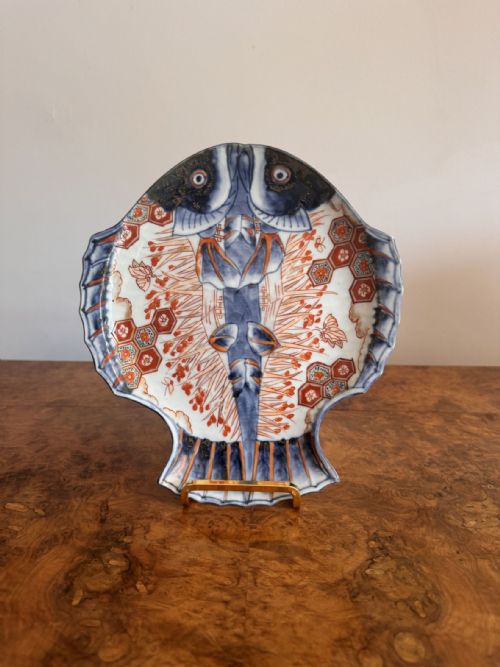
The assortment spans diverse international traditions, featuring English transferware alongside Japanese Imari porcelain and French art deco stands. These pieces served practical roles in grand dining rooms and modest households alike, evolving in form from heavy salt-glazed chargers to revolving breakfast dishes.
How They Were Made
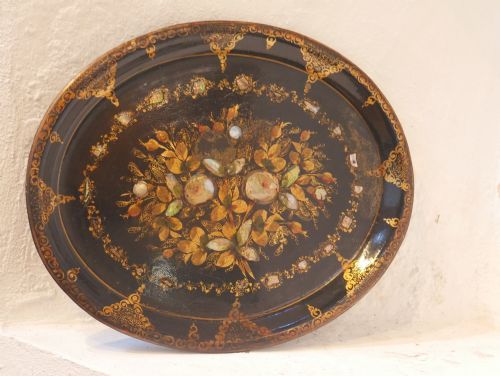
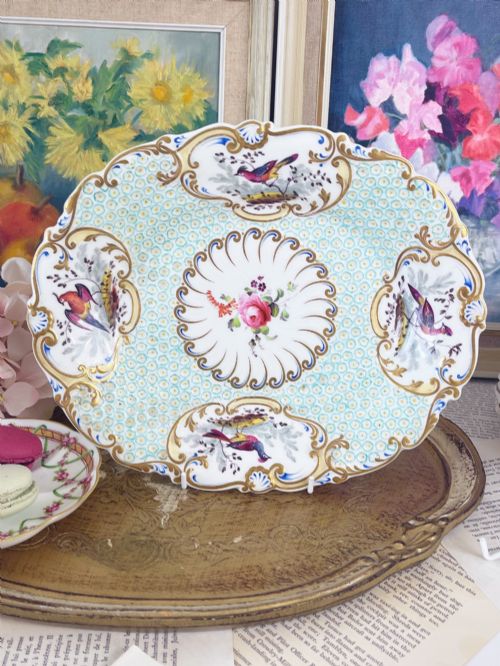
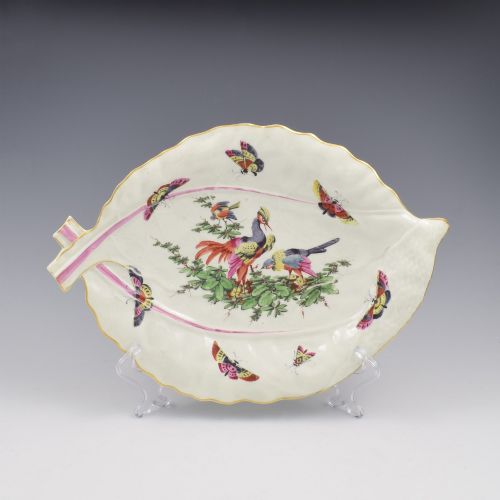
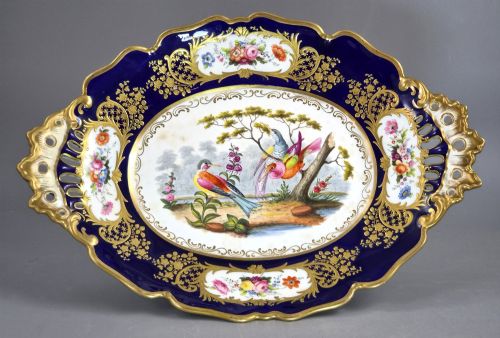
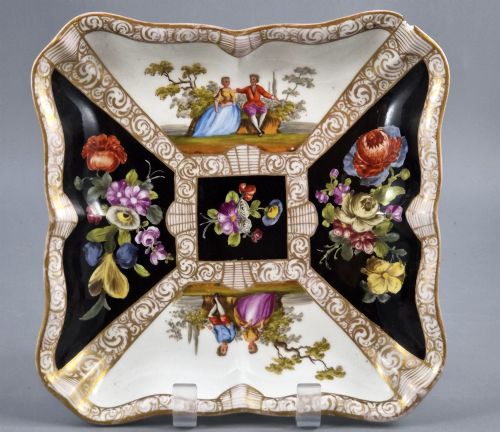
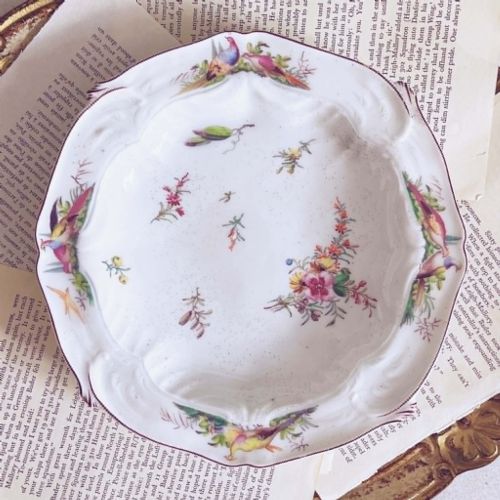
Potters and metalsmiths shaped these vessels using traditional techniques such as hand-painting polychrome birds and floral motifs directly onto earthenware or porcelain bodies, often finished with cobalt blue or polychrome glazes. Earthenware and creamware platters were frequently moulded and transfer-printed with intricate landscape scenes.
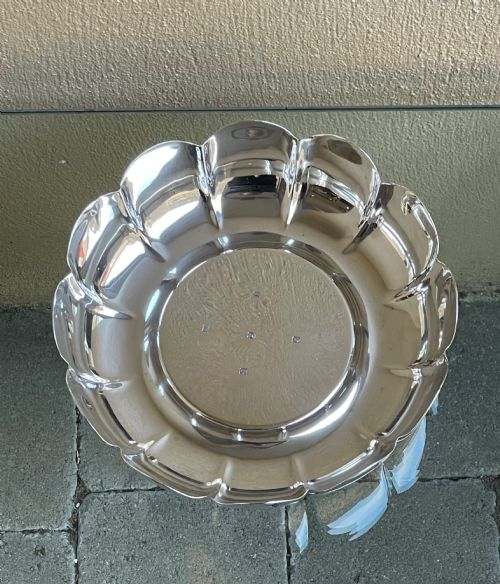
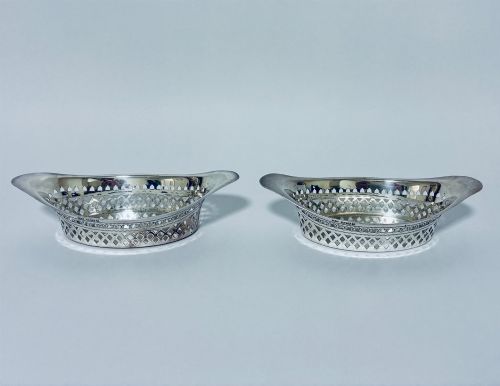
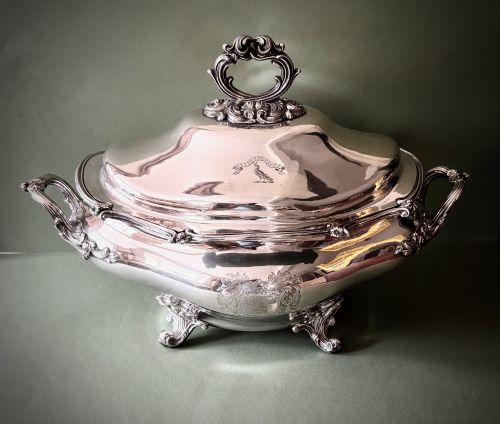
Metal vessels relied on Old Sheffield plate or silver plating over copper bases, alongside solid sterling silver formations shaped by hammering and piercing. Glass components were frequently cut or moulded and combined with ormolu, brass, or silver plate to create complex multi-part serving sets.
Antique Serving Dish Retail Price Guide 2026
Typical asking prices for serving dish among the pieces listed under this phrase on Sellingantiques today, from the lower quarter to the upper quarter. They describe what is for sale here now, not the wider market.
Serve butter with flair from a Victorian novelty dish shaped precisely like an artist's palette.
What Varies in Quality
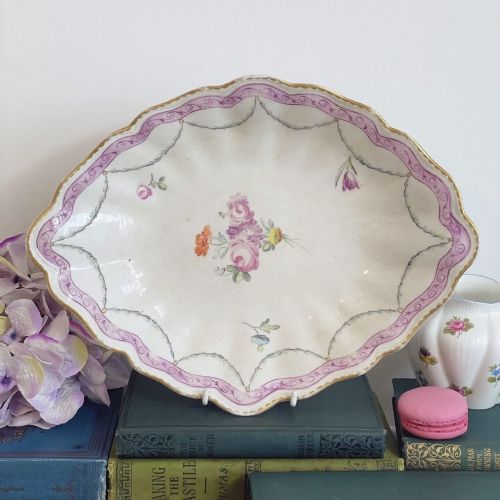
Excellence in these vessels often reveals itself in the crispness of hand-painted details, such as delicate brushwork on porcelain birds and flowers, and the precision of transfer printing on earthenware chargers. Superior metalwork displays clean casting, crisp engraving, and heavy silver plating that maintains its integrity over the underlying base metal.
The sophistication of the form also dictates standing, with uncommon shapes like fish-form plates, revolving mechanisms, and reticulated pierced galleries demonstrating higher levels of artisan ambition than standard utility platters.
H & R Daniel·Dr Wall Worcester·Coalport·Meissen·Chelsea·Christofle·Wedgwood·Derby·Spode·Davenport·Chamberlains Worcester·Kangxi·Hicks & Meigh·J.W.R.·Paul Storr·Doulton Burslem·Herculaneum·Tiffany & Co·Wiskemann·Robert Hamilton·Mappin & Webb·Barker and Ellis·Fenton Brothers·Goldsmith's & Silversmith's Co·Thomas Prime
The Antique Serving Dish Glossary
- Transferware
- Pottery decorated by applying a printed design from an engraved copper plate onto the ceramic surface through tissue paper. This technique allowed for consistent reproduction of complex pictorial scenes.
- Tureen
- A deep covered bowl designed for serving soups, stews, or vegetables at the table. These vessels often rest upon matching fixed or separate stands.
- Creamware
- A refined, light-coloured earthenware developed in England during the eighteenth century with a characteristic pale yellow glaze. Wedgwood famously perfected this versatile body for armorial platters and chargers.
- Imari
- A style of Japanese export porcelain characterised by a palette of underglaze blue, iron red, and gold. This decorative scheme proved highly influential on European ceramic factories.
Antique Serving Dish: Frequently Asked Questions
How were antique tureens used?
These covered vessels held hot soups, gravies, or vegetables at the dining table, keeping the contents warm beneath a fitted lid. Servants brought them to the table as part of grand service traditions.
Today, they function as striking centrepieces or functional containers for modern dinner parties, bridging historical dining customs with contemporary presentation.
Can I use antique platters daily?
Many sturdy earthenware and silver-plated platters remain robust enough for regular handling and serving food. Hand washing protects the delicate glazes and older metallic surfaces from modern detergents.
Ceramics with fine hand-painted enamels or early soft-paste bodies deserve gentler treatment to preserve their historical surface decoration.
What is Old Sheffield plate?
This material consists of a thin sheet of sterling silver fused to a heavy copper base through heat and pressure. It represents an early precursor to standard electroplating.
Collectors prize genuine pieces for their warm lustre and the subtle copper edges visible where the silver layer has thinned over generations of use.