

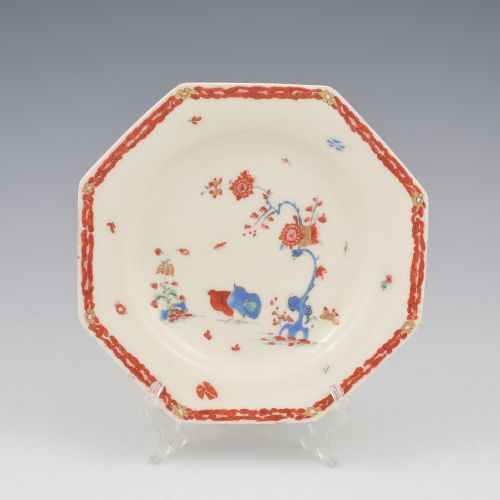
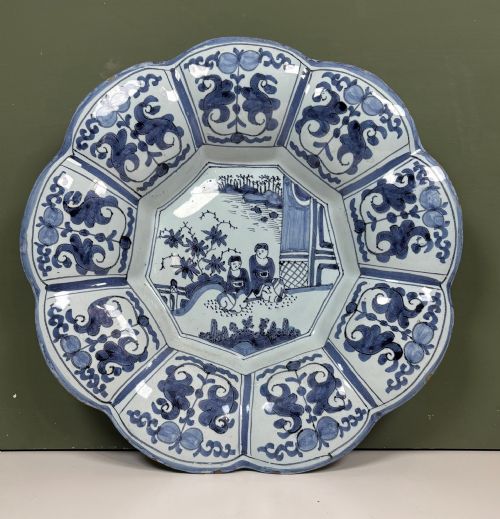
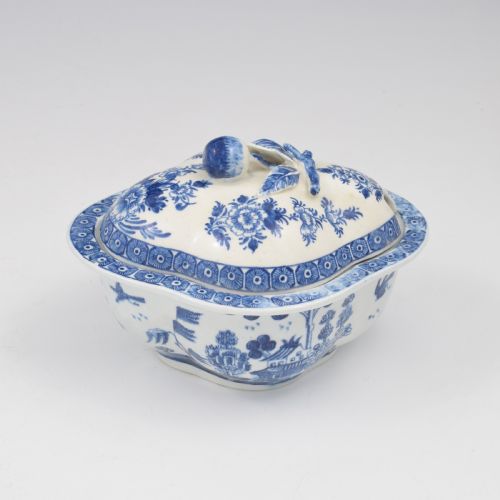
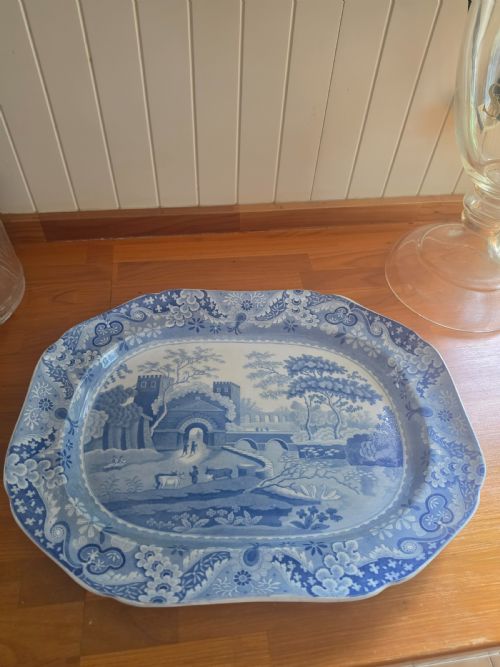
Georgian Blue White Ceramic
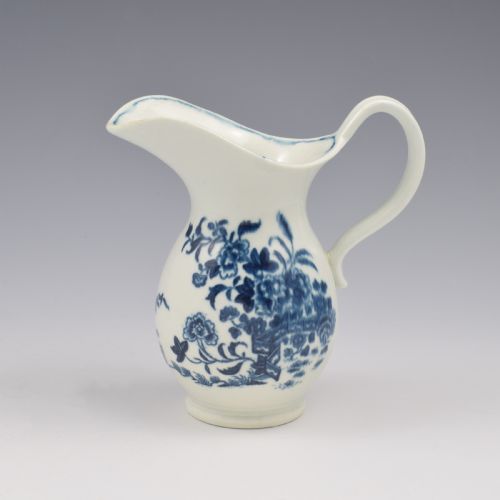
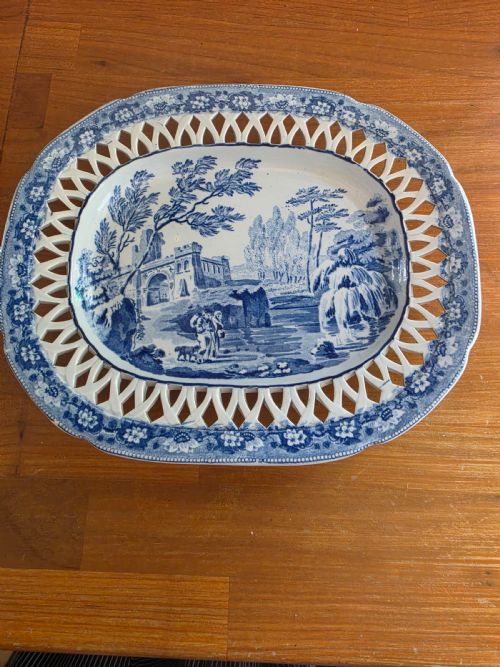
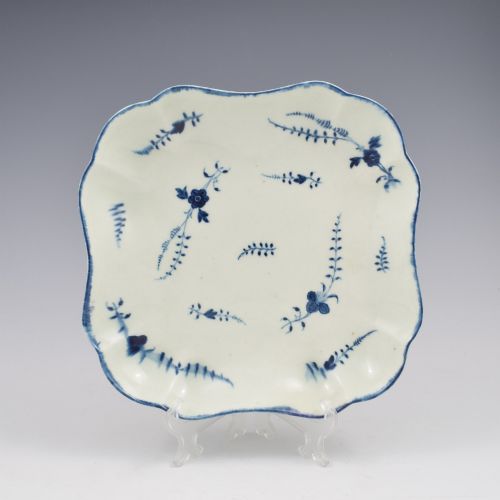
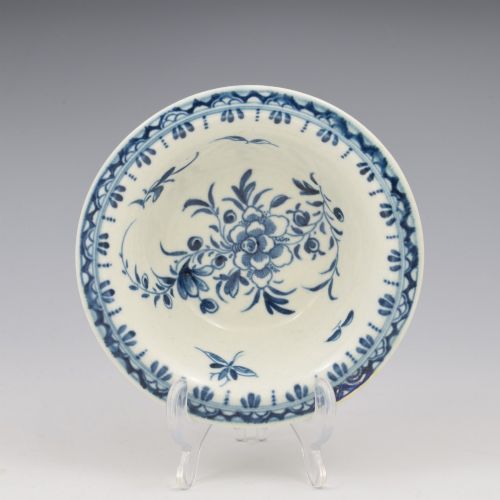
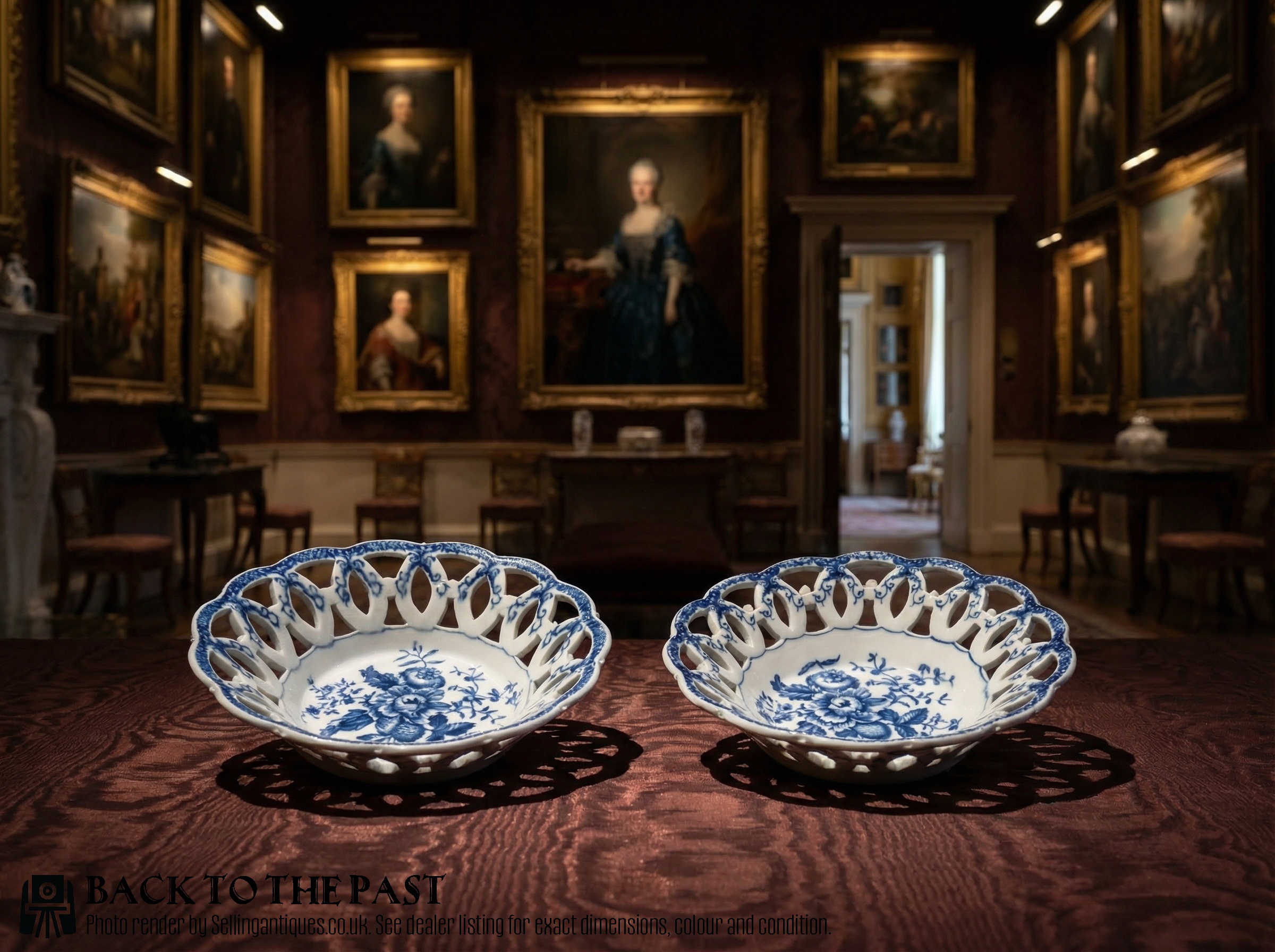
Georgian blue white ceramic pieces bring cobalt tones and tin glaze together for a formal table.
Georgian Blue White Ceramic
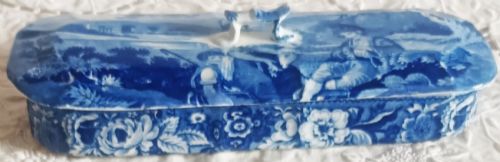
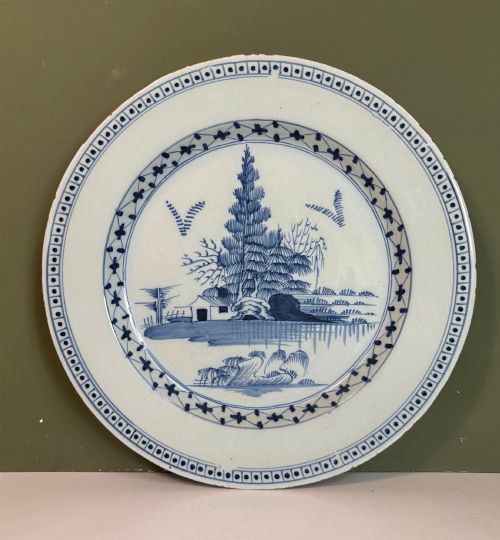
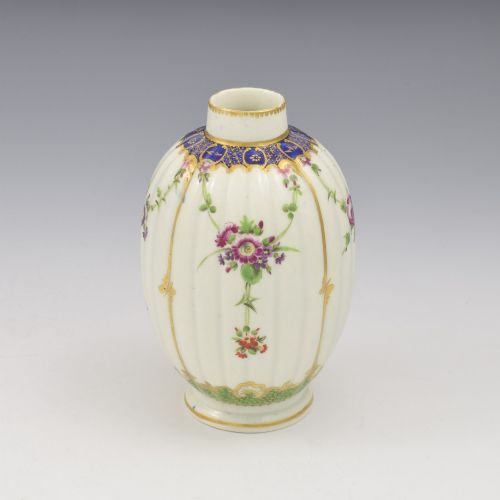
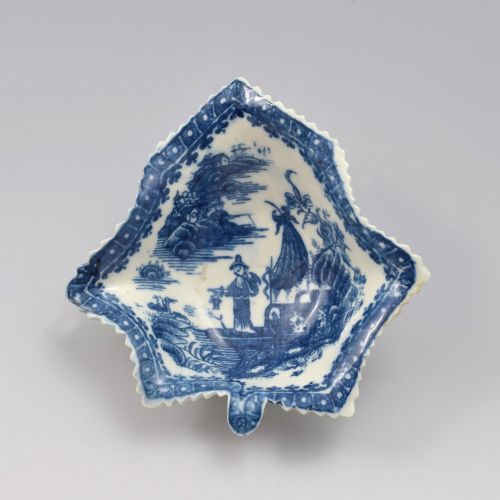
When searching for georgian blue white ceramic, a buyer encounters table vessels, chargers, and dishes produced across the eighteenth and nineteenth centuries.
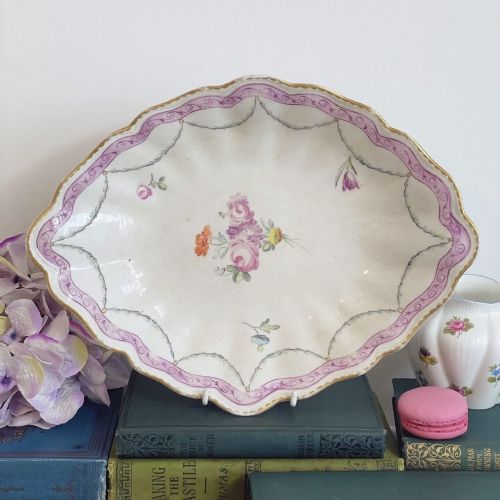
The selections on this page span earthenware, porcelain, and tin-glazed earthenware shaped into plates, tureens, and serving platters.
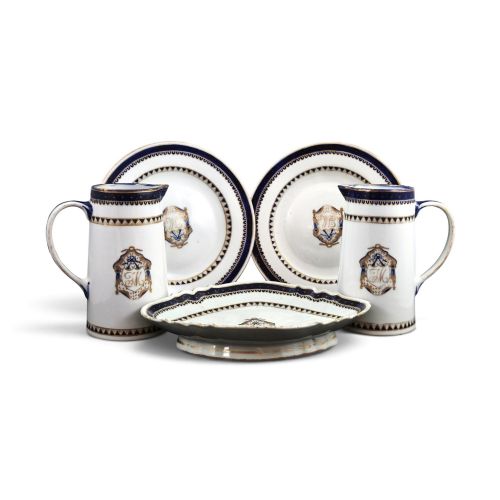
Most items reflect the aesthetic of Georgian Chinoiserie, Delftware, and Chinese Export traditions alongside transfer-printed patterns.
Materials and Techniques
Potters utilised earthenware and soft-paste porcelain as bodies, applying glaze to seal the clay before firing.
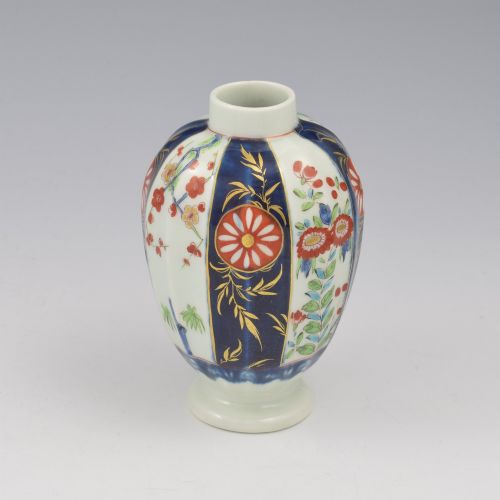
Decoration relied on handpainted pigments or transfer printing in cobalt blue, sometimes finished with enamel or gold leaf.
Georgian Blue White Ceramic Retail Price Guide 2026
Typical asking prices for georgian blue white ceramic among the pieces listed under this phrase on Sellingantiques today, from the lower quarter to the upper quarter. They describe what is for sale here now, not the wider market.
Assessing Quality
Quality rests on the crispness of the transfer print or the fluidity of the handpainted blue design across the ceramic body.
Finer pieces display balanced forms, smooth glaze coverage, and clear historical maker marks on the underside.
Dr Wall Worcester·Caughley Porcelain·Bow Porcelain·Spode·Davenport·Minton·John Rogers and Son·Stubbs
The Georgian Blue White Ceramic Glossary
- Transfer ware
- Pottery decorated by applying a printed design from a copper plate onto paper and transferring it to the ceramic surface before glazing.
- Tin-glazed earthenware
- Pottery covered with a white tin oxide glaze that provides an opaque background for blue painting, commonly seen in Delftware.
- Soft-paste porcelain
- A ceramic composition containing glass frit and white clay, fired at lower temperatures than hard-paste porcelain.
- Chinoiserie
- European artistic styles reflecting Chinese motifs and landscapes, frequently rendered in blue and white on tea wares and plates.
- Tureen
- A deep covered vessel designed for serving soups, sauces, or vegetables at the dining table.
Georgian Blue White Ceramic: Frequently Asked Questions
What are georgian blue white ceramic items?
These pieces comprise plates, chargers, tureens, and dishes produced in Britain and beyond during the Georgian and Regency periods. They utilise earthenware, tin glaze, and porcelain to display cobalt blue decoration.
Collectors prize them for their historical transfer-printed scenes and handpainted blue patterns that mirror eighteenth-century tastes.
How were these ceramics used?
Factories created these vessels for dining, tea service, and food presentation in prosperous households. They served practical roles at the table while showcasing fashionable blue and white designs.
Platters held meats, while smaller dishes managed sauces, pickles, and desserts during formal meals.
How do I care for antique pottery?
Wash these items by hand in lukewarm water using mild soap, avoiding dishwashers and harsh scrubbers entirely. Sudden temperature changes can crack the historic glaze or ceramic body.
Store them securely on stable shelving away from direct sunlight to preserve the blue pigments and glaze integrity.
How do I distinguish periods?
Eighteenth-century examples often feature handpainted tin glaze or soft-paste porcelain bodies with distinct potting weights. Regency and nineteenth-century pieces frequently employ transfer printing on refined earthenware.
Examining the foot rim, glaze texture, and any recorded maker marks helps confirm the production era.