

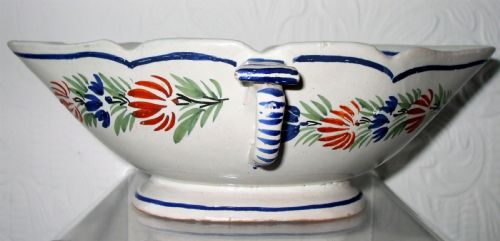
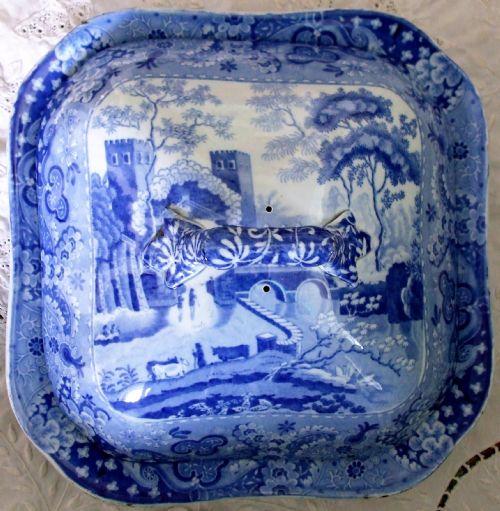
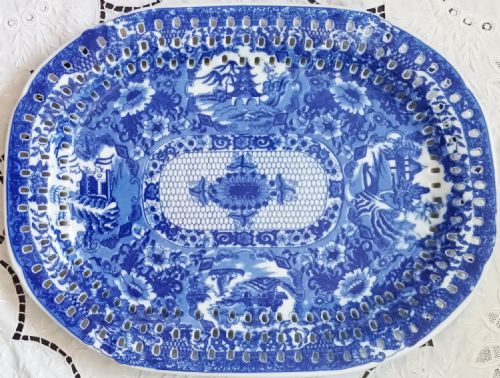
Blue White Serving Dish
A blue white serving dish carries the history of centuries at the dining table, offering generous proportions and striking cobalt patterns for daily service or display.
Blue White Serving Dish
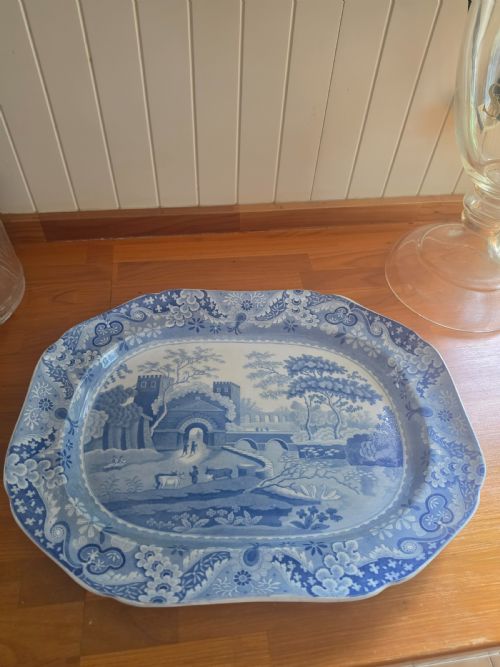
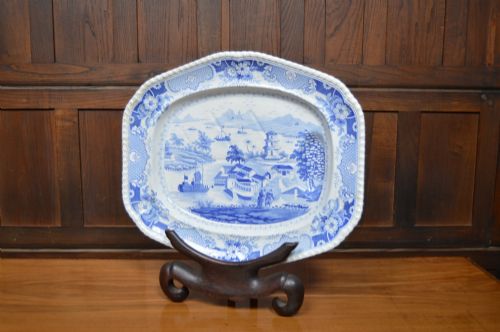
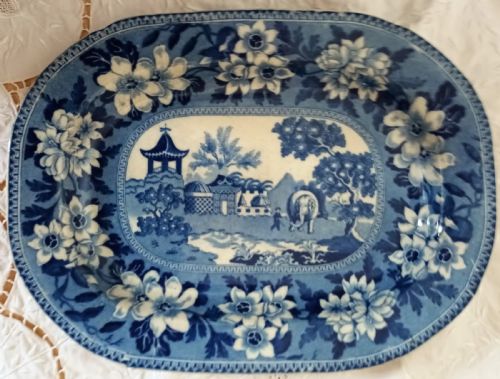
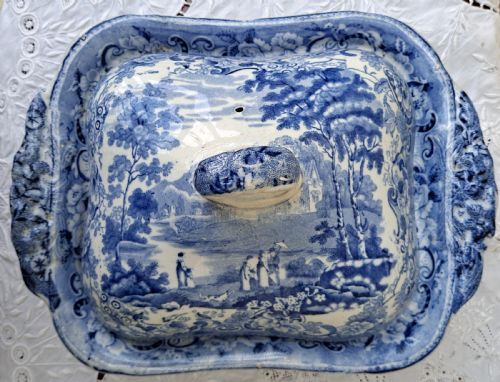
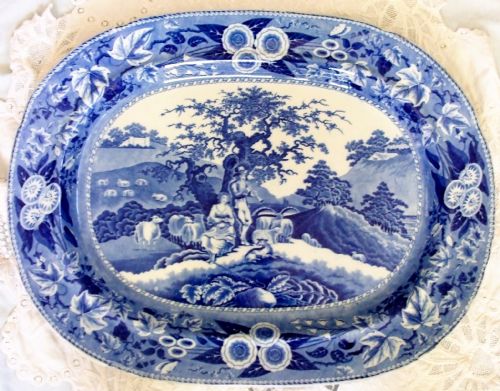
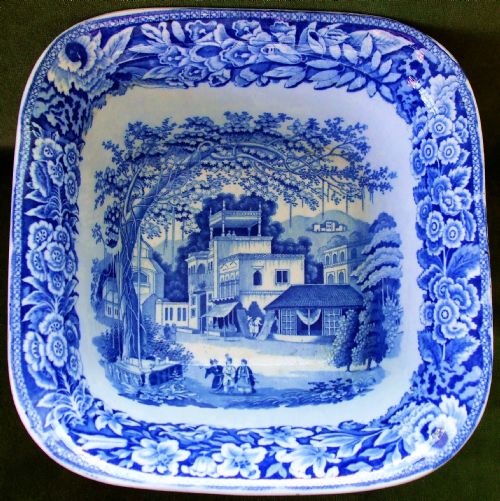
A blue white serving dish encompasses large meat platters, deep vegetable tureens, and broad chargers originating from English potteries, Chinese export kilns, and European manufactories. Buyers encounter heavy earthenware platters bearing pastoral transfer prints alongside finer porcelain dishes from the eighteenth and nineteenth centuries.
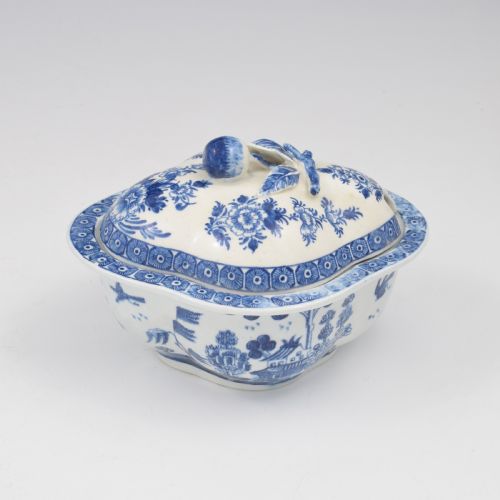
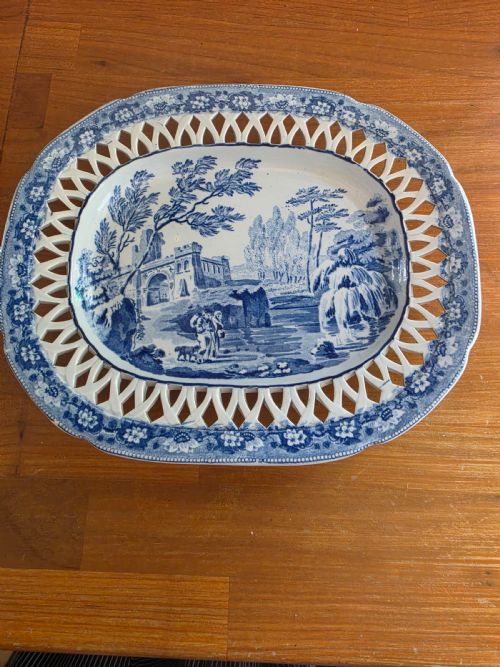
The domestic forms recorded here range from lidded tureens with matching ladles to pierced net-pattern serving dishes and quatrefoil sauce tureens. These items served functional roles in period dining rooms before transitioning into decorative wall plates and cabinet pieces.
Materials and Technique
Potters utilised earthenware, pearlware, ironstone, and porcelain bodies, applying cobalt pigment beneath a clear glaze before firing at high temperatures. Transfer printing allowed factories to apply intricate landscape and figural scenes onto large meat platters with remarkable consistency.
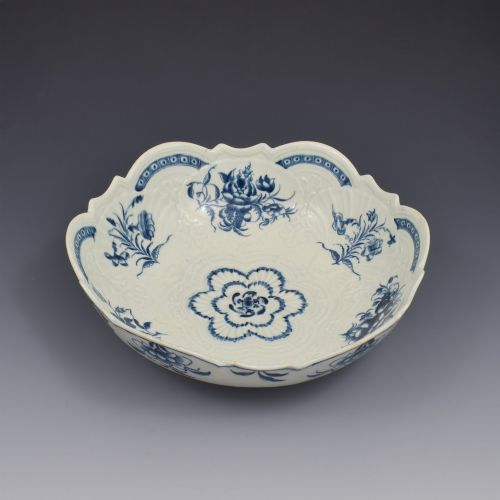
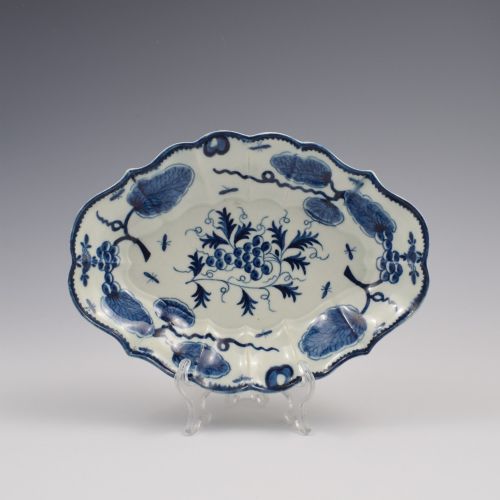
Earlier pieces often display handpainted cobalt decoration on tin-glazed earthenware or Chinese export porcelain, whilst later nineteenth-century examples rely on copperplate transfer printing on refined pottery.
Blue White Serving Dish Retail Price Guide 2026
Typical asking prices for blue white serving dish among the pieces listed under this phrase on Sellingantiques today, from the lower quarter to the upper quarter. They describe what is for sale here now, not the wider market.
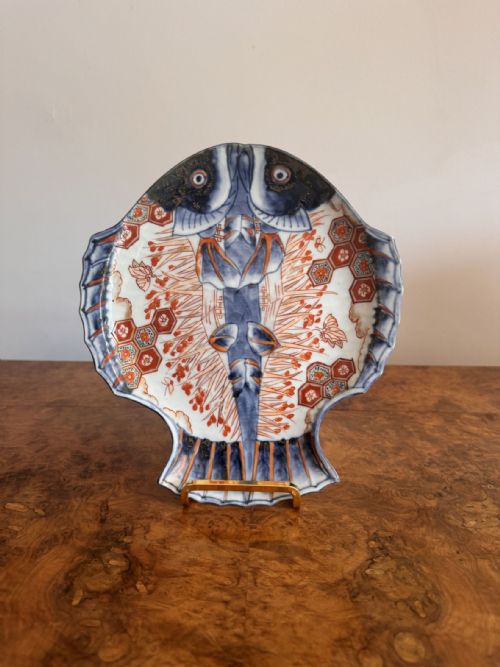
One unexpected nineteenth-century ceramic plate takes the whimsical form of a swimming fish, complete with painted fins and scales.
Judging Quality
Quality rests upon the crispness of the transfer print, the depth of the cobalt blue against the white ground, and the structural integrity of large ceramic bodies. Superior pieces exhibit minimal kiln distortion and clear, unblurred patterns across wide surfaces.
The reputation of the maker and the complexity of the printed border or central topographical scene distinguish standard utility wares from factory masterpieces intended for wealthy households.
Spode·Davenport·John Rogers And Son·James Wallace And Co·J And R Riley·J And R Clews·Minton·Masons·Robert Hamilton Of Stoke
The Blue White Serving Dish Glossary
- Transferware
- Pottery decorated by applying a printed design from an engraved copper plate via tissue paper onto the unglazed or bisque ceramic body.
- Charger
- A large ornamental or serving plate, typically measuring over twelve inches in diameter, meant for display or central table use.
- Tureen
- A deep covered bowl designed for serving soups, sauces, or vegetables at the dining table.
- Pearlware
- A refined earthenware developed in the late eighteenth century featuring a bluish glaze that pooled in recesses to give a whiter appearance than creamware.
Blue White Serving Dish: Frequently Asked Questions
What were blue white serving dishes used for?
These vessels held large joints of meat, roasted poultry, vegetables, and sauces during formal meals in Georgian and Victorian dining rooms. Their generous sizes accommodated family dining and substantial entertaining.
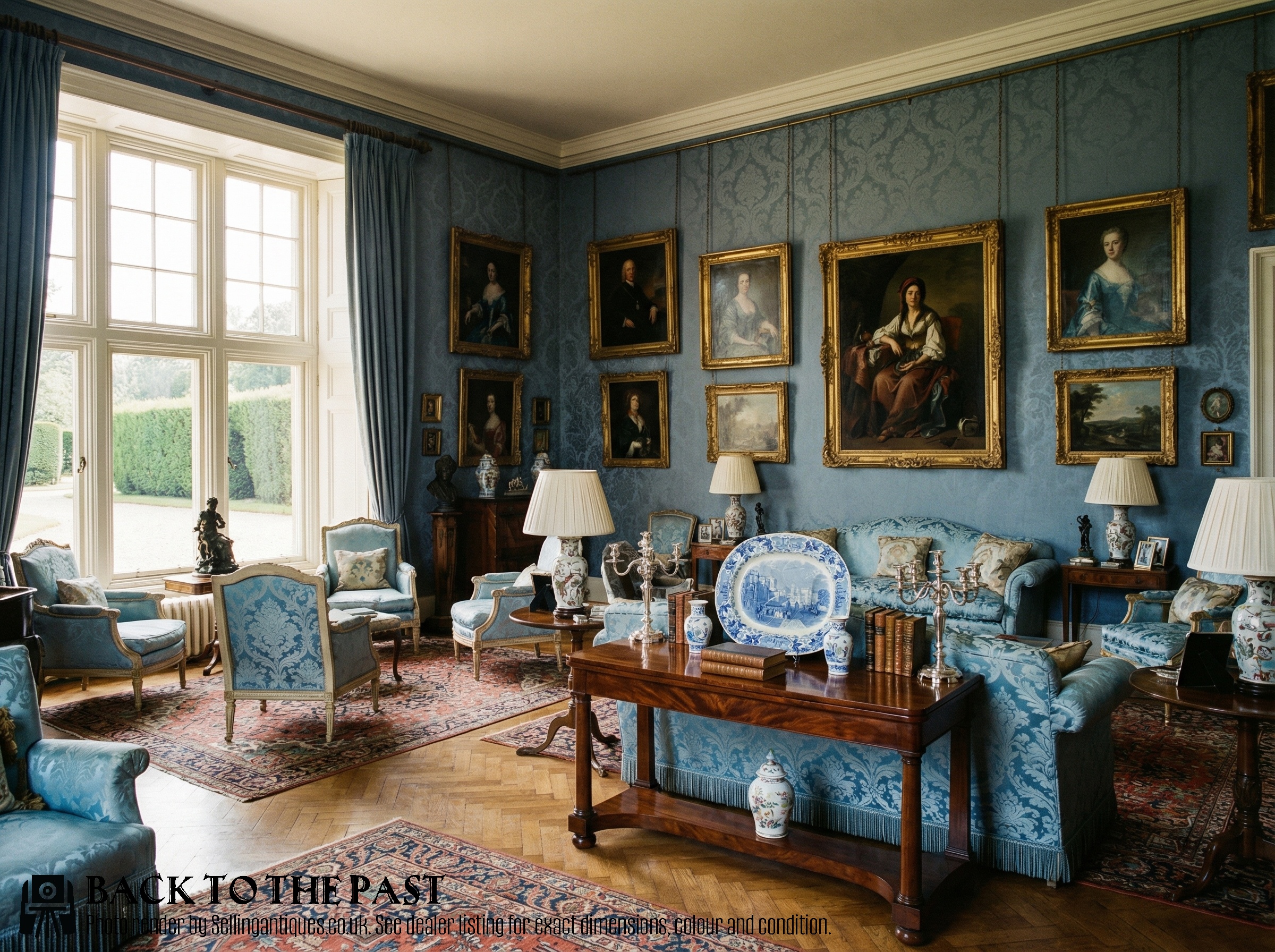
After clearing the table, many of the larger chargers and platters transitioned to wall display or sideboard decoration within prosperous homes.
How do I date a transferware platter?
Datation relies upon registry marks, factory backstamps, ceramic body composition, and stylistic clues within the printed border patterns. Earlier pieces often feature hand-scratched marks or early transfer styles.
Comparing pattern names against historical factory records helps narrow the production window to specific decades.
Are these dishes safe for food use?
Most antique pieces contain lead-based glazes and may have hidden hairline fractures or historic repairs that make modern culinary use impractical. Collectors generally treat them as display items or historical artefacts.
Hand washing in tepid water without harsh detergents protects the fragile glaze and historic ceramic body.
What is the difference between porcelain and earthenware?
Porcelain is fired at much higher temperatures until the ceramic body vitrifies, resulting in a dense, non-porous material that often appears translucent. Earthenware is more porous and opaque, requiring a reliable glaze to seal the clay body.
Ironstone and pearlware sit between these categories as refined, durable earthenware bodies developed for heavy domestic use.