

Antique English Transferware
Antique English transferware brings nineteenth-century domestic tables alive with printed blue patterns on durable ceramic bodies.
What They Are
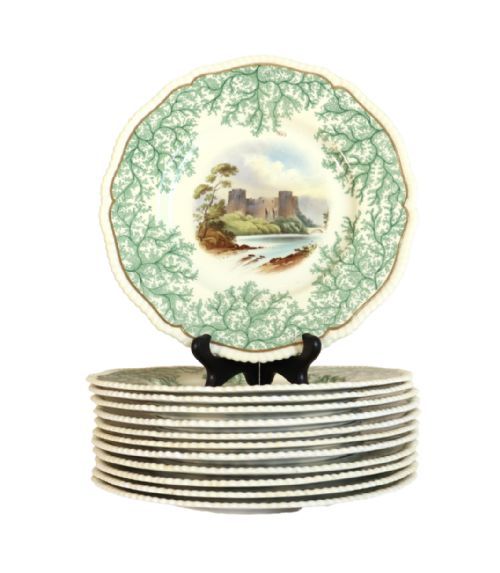
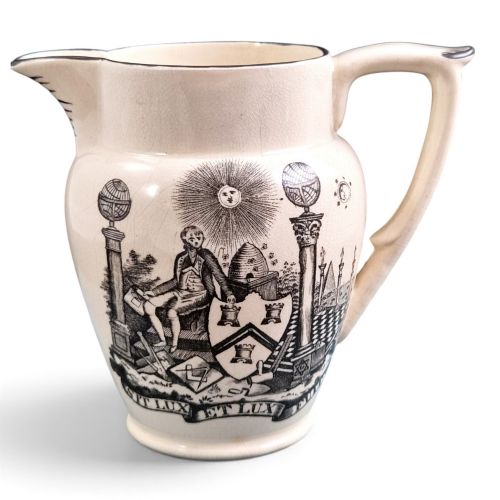
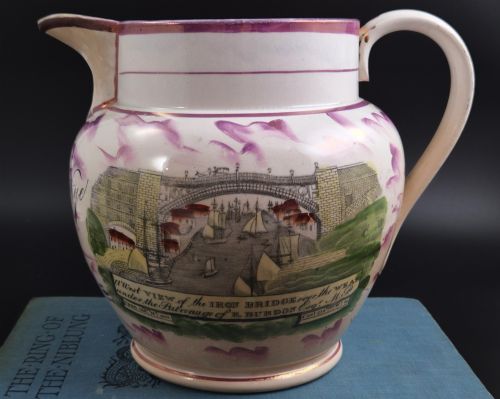
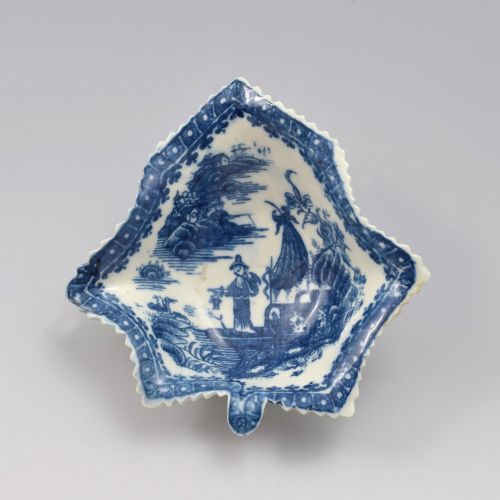
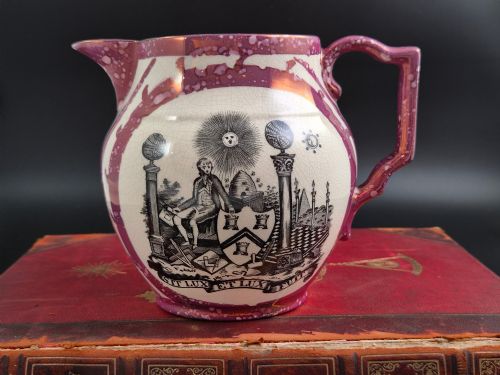
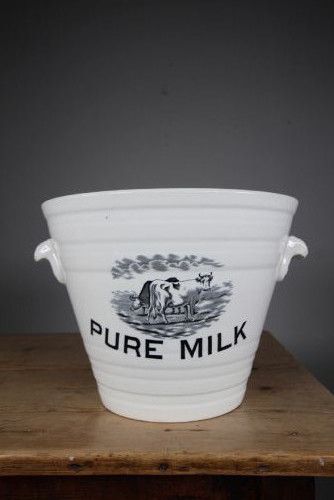
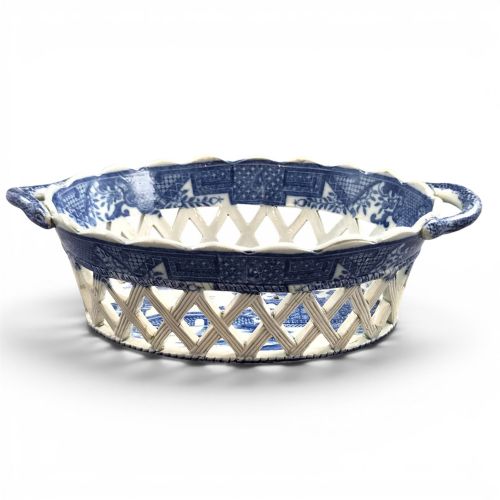
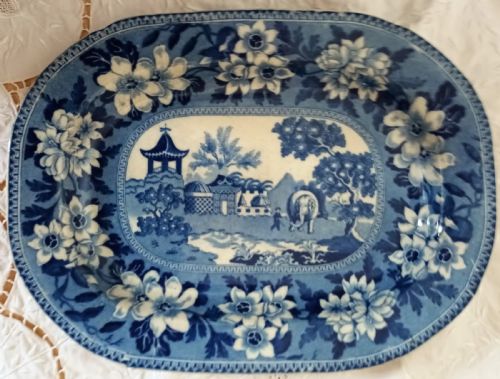
Antique English transferware comprises plates, chargers, and serving dishes produced across the nineteenth century in Georgian, Regency, and Victorian styles. These domestic ceramics display printed decorative scenes, ranging from classical architectural views to botanical patterns.
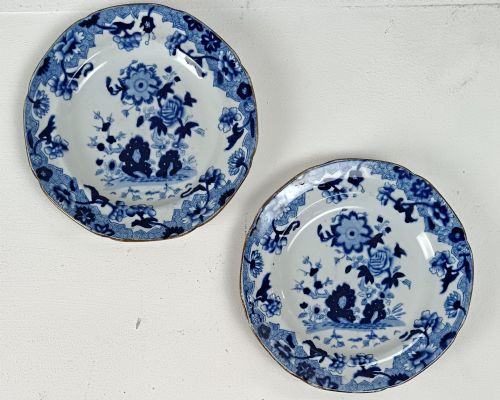
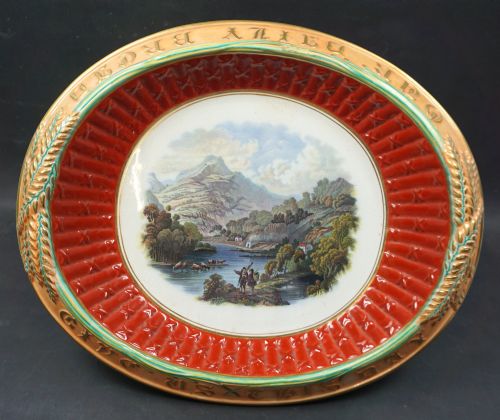
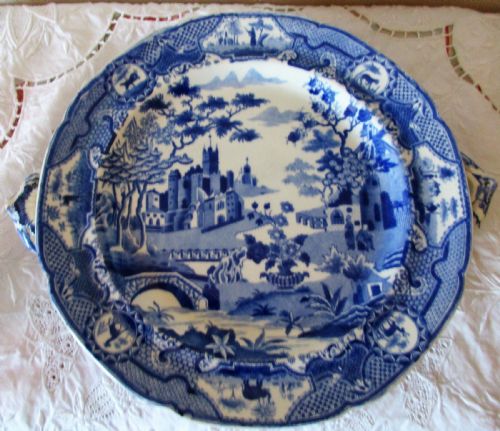
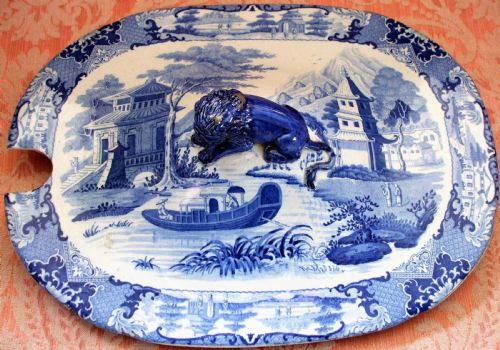
The pieces on this page are predominantly earthenware and ironstone pottery objects created for dining and presentation. Buyers encounter items bearing specific location titles like Richmond, Yorkshire and Wiseton Hall alongside classic decorative motifs such as Japan.
How They Were Made
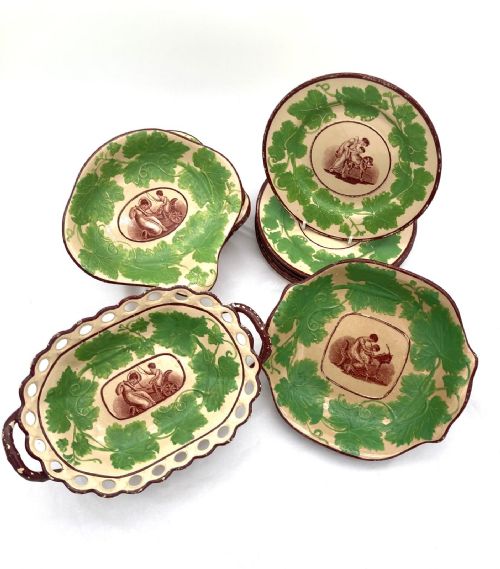
Potters formed these ceramic objects using earthenware, pearlware, and ironstone bodies shaped into plates and dishes. Artisans applied printed designs from copper engravings onto the clay surface before glazing and firing.
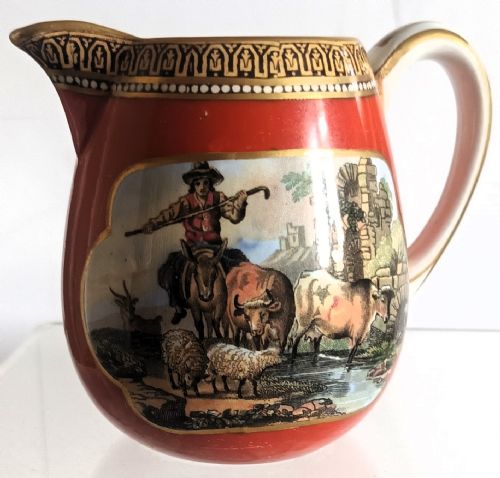
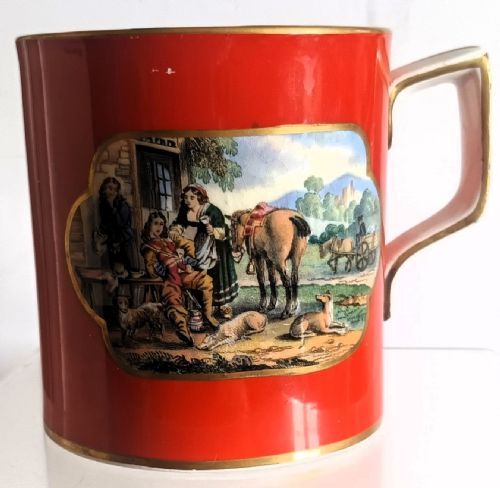
Certain pieces received additional hand-painted touches or gilt highlights over the glaze to elevate the monochrome transfer print. The resulting ceramic wares combined industrial production techniques with traditional potting skills.
Retail Price Guide 2026
Typical UK retail prices for english transferware, calculated from the Sellingantiques database of over a million retail prices indexed since 2003. This retail price guide relies exclusively on Sellingantiques data; no external sources or auction records are used, so the figures do not describe the wider market.
Current listings feature nineteenth-century earthenware and ironstone spanning the Georgian and Regency periods.
What Varies in Quality
Quality rests upon the crispness of the transfer print and the refinement of the ceramic body, where ironstone offers greater weight and durability than standard earthenware. Early pearlware bodies and precise engraving separate finer examples from standard production.
The complexity of the printed subject matter and the registration accuracy during the transfer process distinguish superior items. Subtle variations in glaze consistency and the presence of supplementary gilding also mark out the upper tier of these wares.
Mason·Pettys and Co Leeds
The Antique English Transferware Glossary
- Transferware
- Ceramic pottery decorated by transferring a printed design from an engraved copper plate onto the clay or glaze. This technique allowed intricate pictorial scenes to be replicated consistently across commercial production.
- Ironstone
- A heavy, durable type of earthenware patented in the nineteenth century to imitate Chinese porcelain. It provides a robust body for large chargers and serving dishes.
- Pearlware
- A refined earthenware developed with a bluish-white glaze that pooled in recesses. It bridges the transition between creamware and later nineteenth-century white earthenwares.
- Charger
- A large decorative or serving plate exceeding standard dining dimensions. These substantial pottery pieces often display complex topographical or scenic patterns.
Frequently Asked Questions
What is antique transferware?
Antique transferware is pottery decorated by transferring a printed ink design from a copper plate onto a ceramic body before firing. This method revolutionised domestic tableware production in the nineteenth century.
Items range from everyday plates to large serving chargers, featuring everything from landscape views to exotic patterns.
How do I care for transferware?
These nineteenth-century ceramics require gentle handling and hand washing rather than dishwasher cleaning to protect the glaze and any delicate gilt details. Sudden temperature changes should also be avoided to prevent crazing.
Displaying them safely on plate racks or flat surfaces preserves their structural integrity for daily enjoyment.
How are different periods identified?
Periods are distinguished by ceramic composition, glaze characteristics, and stylistic traits like Georgian symmetry or Regency restraint. Pearlware and early ironstone bodies typically point toward the earlier decades of the nineteenth century.
Maker marks and named topographical patterns also help anchor specific pieces within their historical production window.
Were these dishes used daily?
Many of these plates and serving dishes served functional roles on nineteenth-century dining tables before surviving as collector pieces. Ironstone and sturdy earthenware were specifically chosen for regular domestic utility.
Larger chargers and asparagus dishes catered to specific courses during formal meals.