



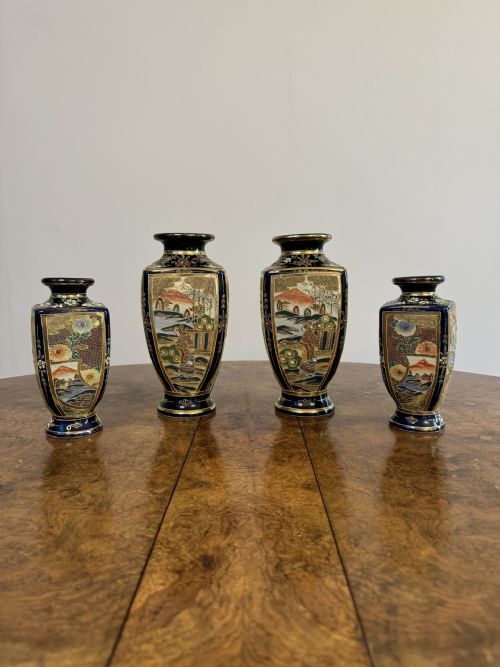
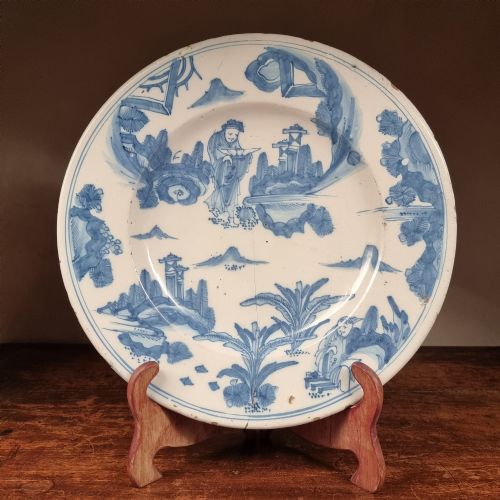
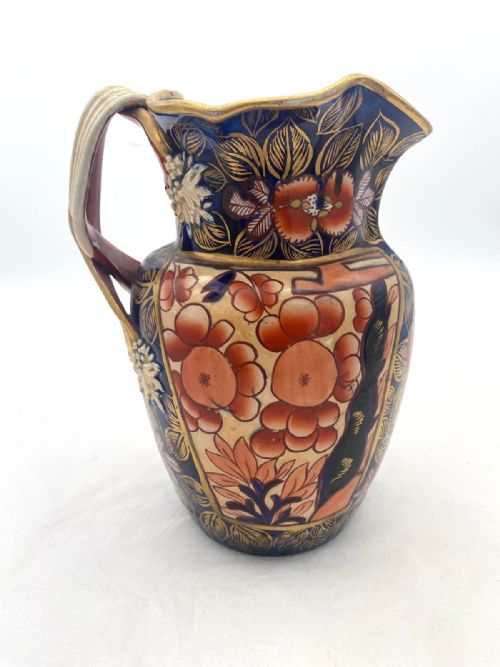
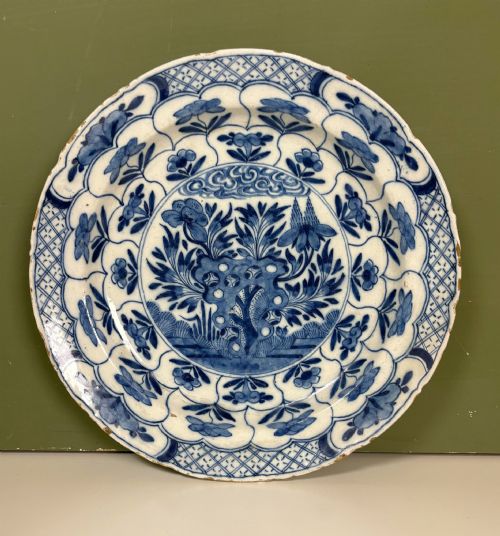
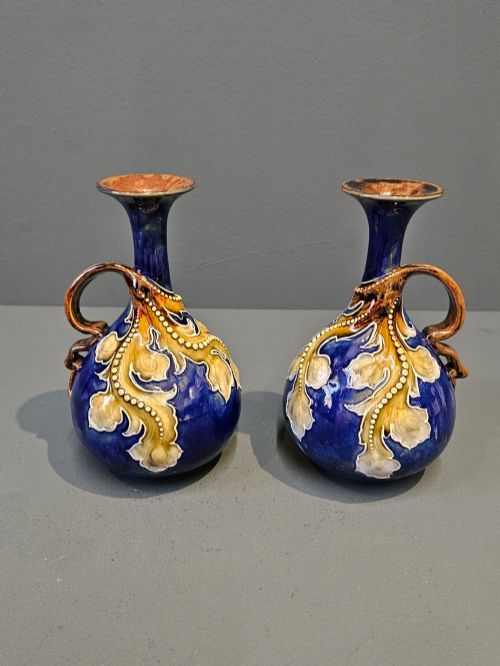
Cobalt Blue Pottery
Cobalt blue pottery brings deep, striking colour to domestic spaces through centuries-old ceramic traditions spanning English earthenware, Dutch Delft and Asian porcelain.
Cobalt Blue Pottery
Cobalt blue pottery encompasses a diverse selection of vessels and display pieces created across multiple centuries and regions. When searching for cobalt blue pottery, buyers encounter functional and decorative items ranging from early earthenware chargers to porcelain vases.
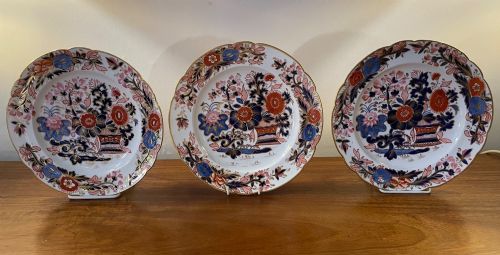
The selections on this page draw heavily from British, European and Asian origins. Examples include Victorian Staffordshire figures, Georgian ironstone jugs and Japanese Imari plates.
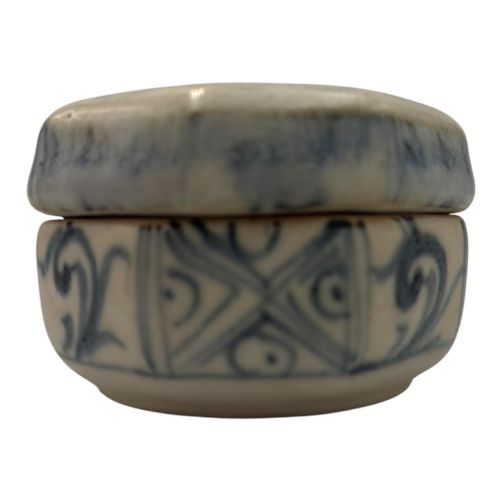
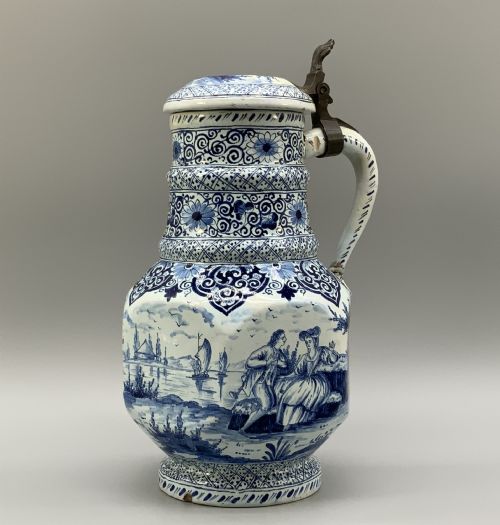
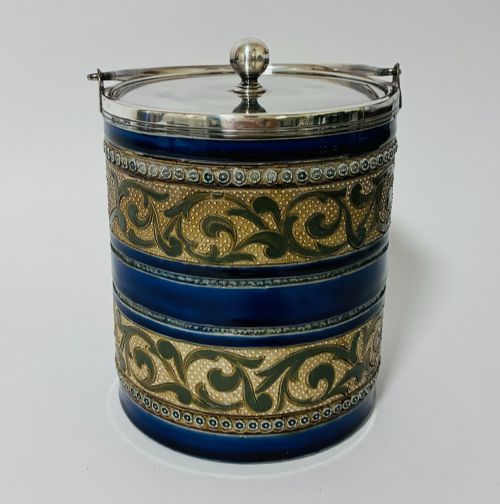
Vessels take many forms, including ewers, posset pots, biscuit barrels and large decorative platters. These items display distinctive blue decoration applied over earthenware, stoneware or porcelain bodies.
Materials and Techniques
Potters utilised various clay bodies including earthenware, ironstone, porcelain and terracotta to form the base of each piece. These ceramic foundations were shaped into plates, bowls, jugs and vases before receiving surface decoration.
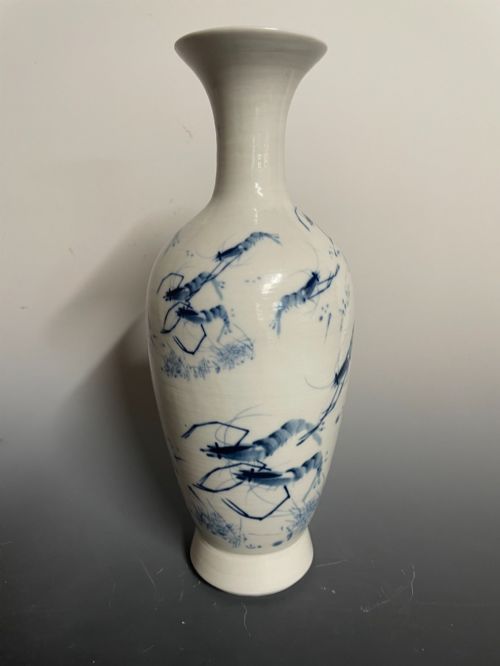
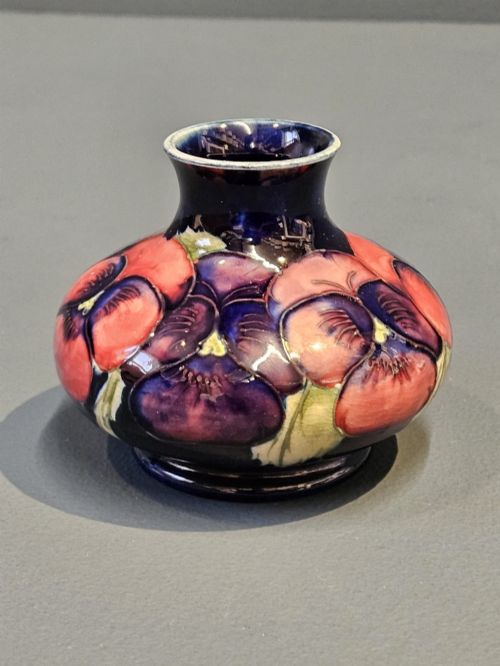
Cobalt glaze and blue and white transfer printing provided the signature colouration seen across many items. Some pieces incorporated supplementary details such as gold leaf, enamel or copper lustre over the primary glaze.
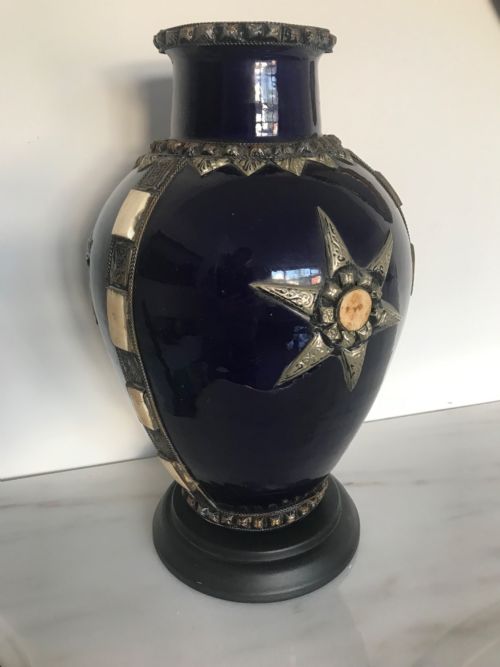
Certain items feature applied metal mounts in pewter or silver plate, alongside silver cabochons that enhance the finished ceramic structure.
Cobalt Blue Pottery Retail Price Guide 2026
Typical asking prices for cobalt blue pottery among the pieces listed under this phrase on Sellingantiques today, from the lower quarter to the upper quarter. They describe what is for sale here now, not the wider market.
Listings feature items spanning the 17th century through to the 20th century, utilising earthenware, porcelain, ironstone and terracotta.
Assessing Quality in Cobalt Pottery
Quality in cobalt blue pottery rests upon the crispness of the painted or transferred design and the stability of the glaze. Finer examples display sharp cobalt pigment execution without blurring or pooling in the ceramic surface.
The execution of the ceramic form itself dictates distinction, particularly in moulded Staffordshire figures, thrown vessels and heavy ironstone chargers. Superior items maintain balanced proportions and clean potting lines throughout.
The inclusion of additional decorative elements, such as intricate enamel work or applied metal mounts, separates standard domestic ware from more ambitious exhibition pieces.
Doulton Lambeth·Fourmaintraux Courquin·Kinkozan·Keeling and Co·Mason's Ironstone·Moorcroft
The Cobalt Blue Pottery Glossary
- Delft
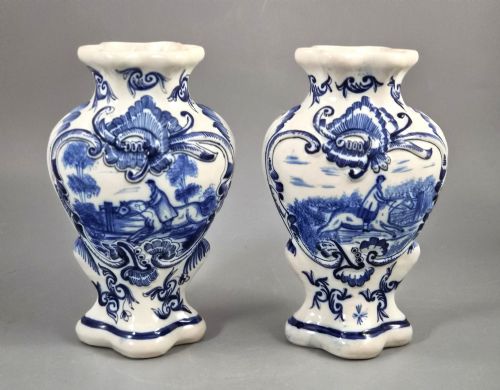
- Tin-glazed earthenware originating in the Netherlands and England, typically decorated in blue and white. It often appears on large chargers and posset pots.
- Transferware
- Pottery decorated by applying a printed design from an engraved copper plate onto the ceramic body. This technique produced detailed pictorial scenes on plates and platters.
- Ironstone
- A heavy, durable type of feldspathic stoneware patented in the 19th century. It frequently forms sturdy jugs, mugs and serving platters.
- Imari
- Japanese porcelain decorated in underglaze blue, iron red and gold. It influenced European ceramic production significantly.
- Ewer
- A large pitcher or jug with a wide spout and flared base, designed for pouring liquids. These often appear in ceramic and porcelain forms.
Cobalt Blue Pottery: Frequently Asked Questions
How do I clean antique cobalt pottery?
Wash ceramic items gently by hand using warm water and mild soap. Avoid soaking pieces that feature delicate overglaze enamel or metal mounts.
Dry each item thoroughly with a soft cloth to protect the glaze and prevent moisture damage to older earthenware bodies.
Is cobalt pottery safe for food?
Many older ceramic items contain lead in their glazes or show wear that makes them unsuitable for daily culinary use. Displaying them as decorative pieces protects the antique glaze.
Assess the interior condition of jugs and bowls carefully before considering any contact with liquids or foodstuffs.
How do I date a blue and white charger?
Examine the weight and thickness of the ceramic body, alongside the characteristics of the foot rim and glaze finish. Earlier pieces often display rougher potting techniques and distinct tin-glaze properties.
Cross-reference any painted registry marks or maker stamps with known factory production periods to narrow down the decade.
What caused the blue colour on these pots?
Potters used cobalt oxide pigment beneath or within the glaze because it withstands the high temperatures required for ceramic firing. This mineral compound produces a stable, intense blue tone.
Different firing conditions and pigment concentrations resulted in the varied shades of blue seen across different centuries.