
Antique Decorative Pottery
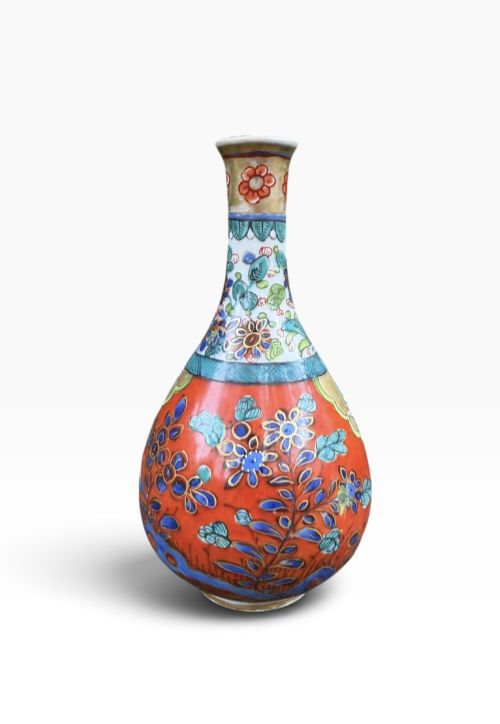
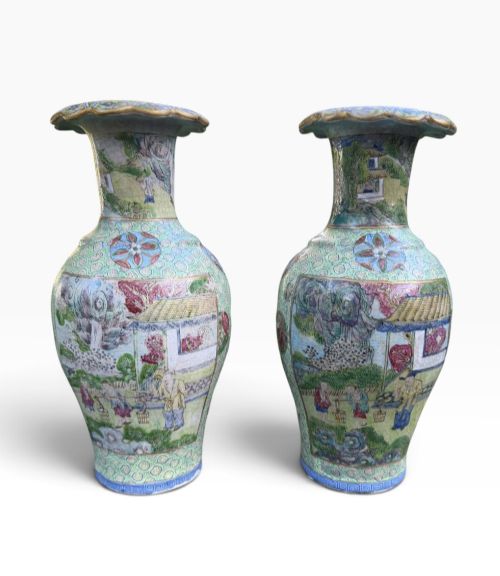
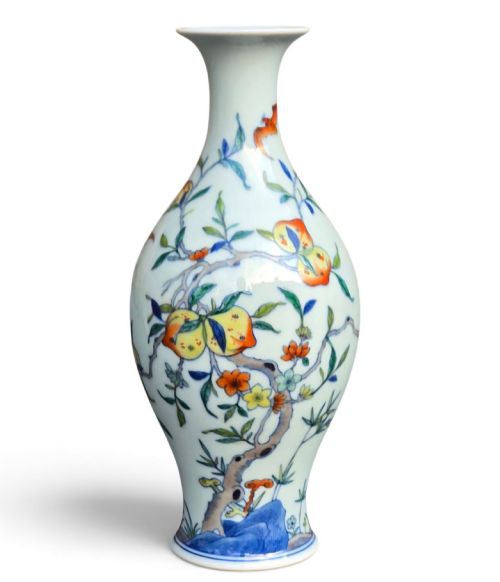
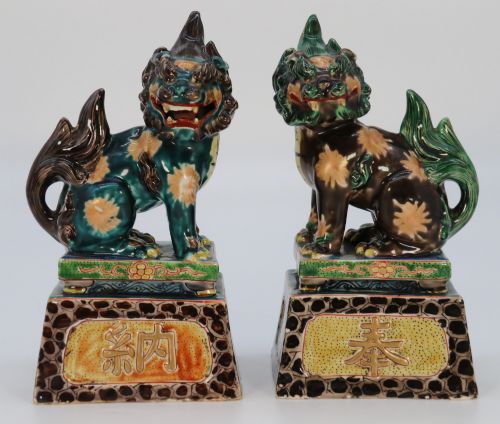
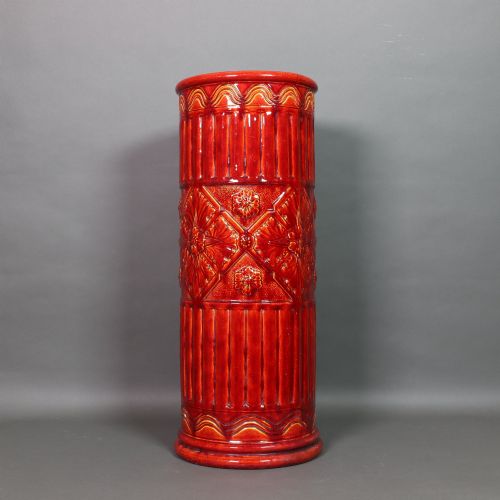
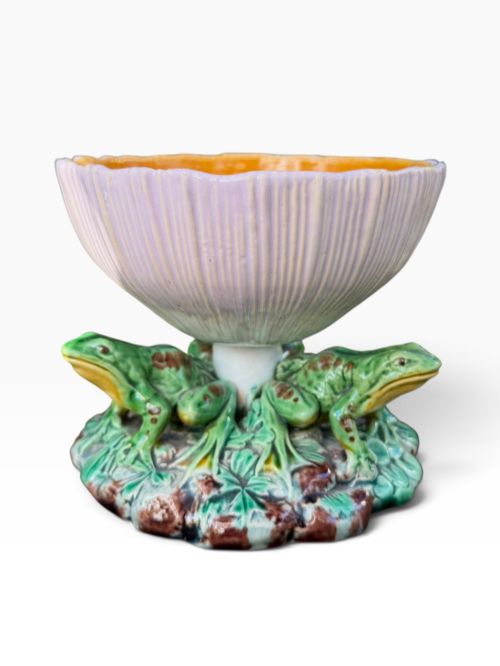
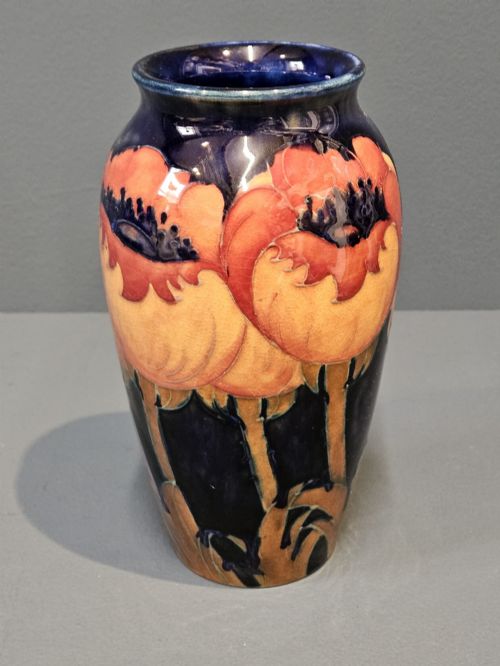
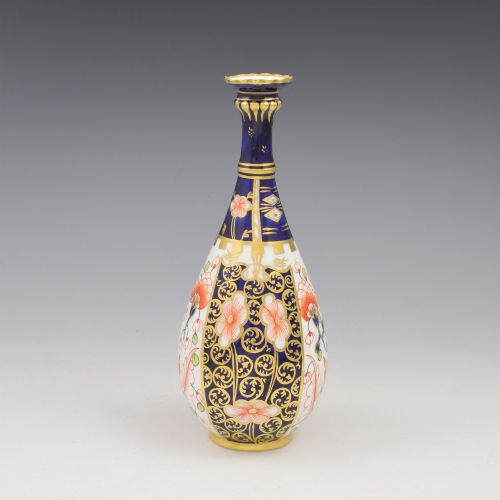
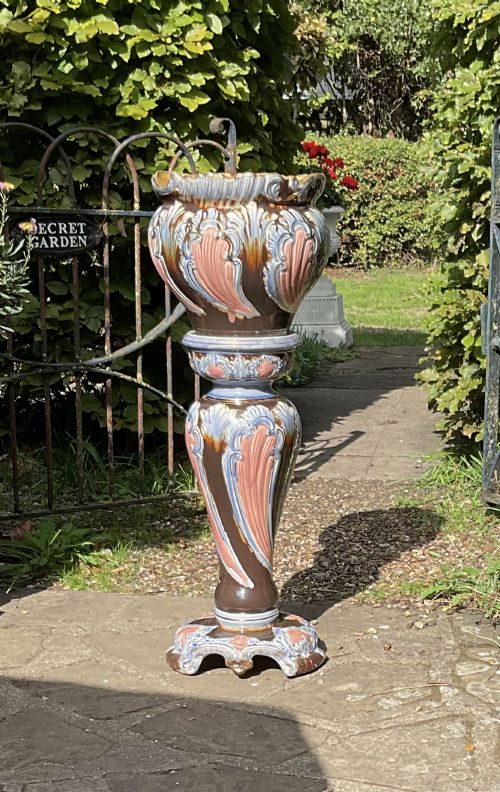
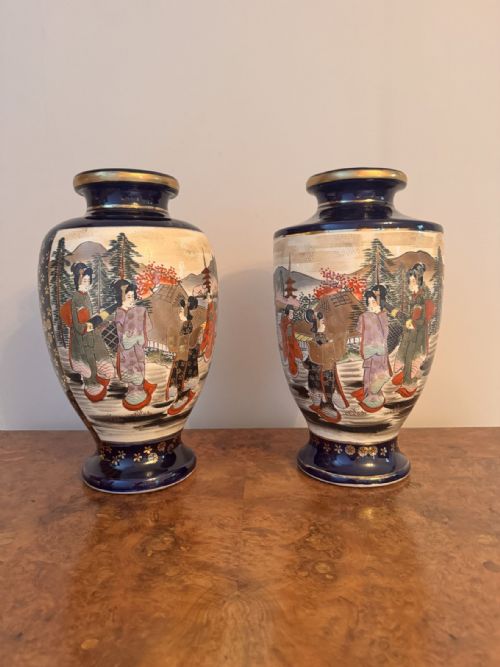
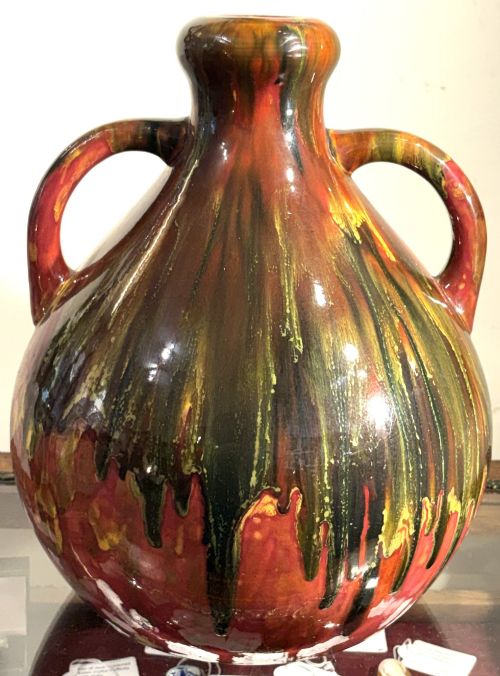
These antique decorative pottery pieces bring rich glazes, hand-painted patterns and sculptural forms into a room.
Antique Decorative Pottery
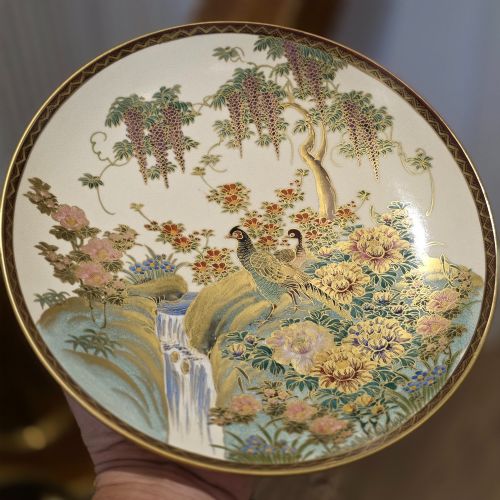
When you search for antique decorative pottery, you encounter vessels and plates made for display rather than utility. The selection spans centuries of global ceramic tradition, featuring chargers, ewers, and vases from British, European, and Asian workshops.
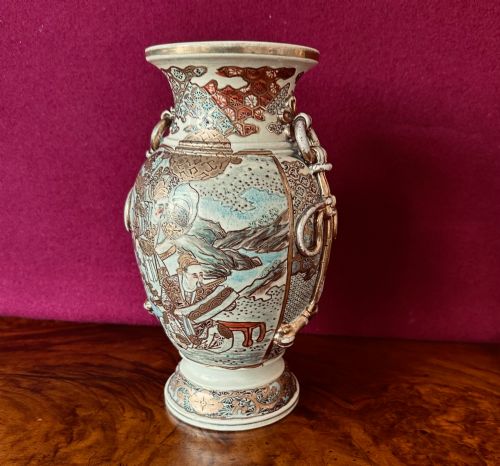
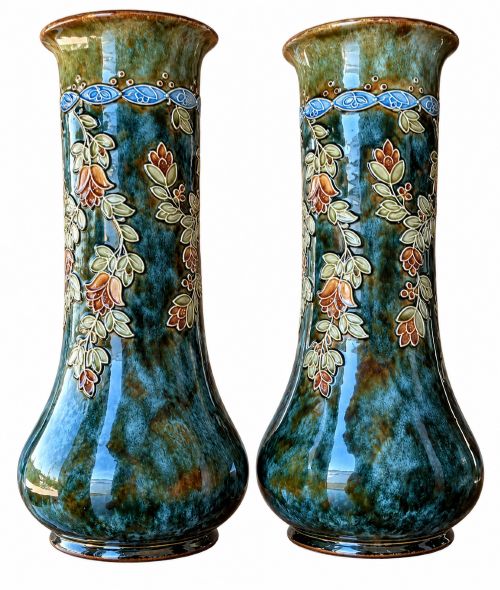
The pieces on this page lean heavily towards the nineteenth and early twentieth centuries. You will find Victorian stoneware, Art Nouveau earthenware, and delft chargers sitting alongside Japanese Satsuma and Arita wares.
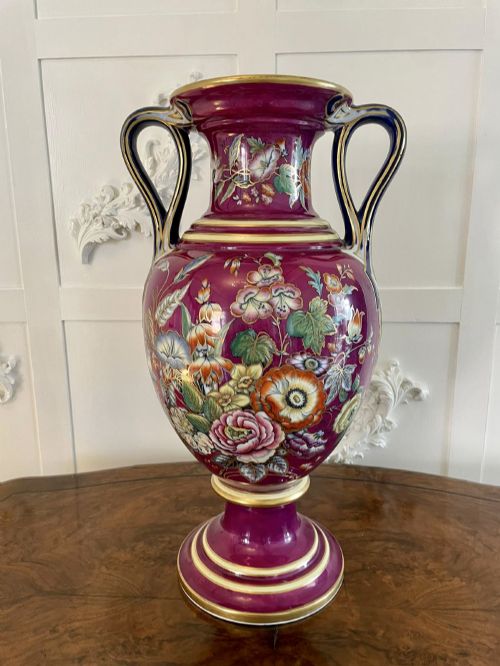
Forms range from large floor vases and table ewers to wall-hanging plaques and deep serving bowls. Each item carries the distinct aesthetic of its period, whether that is the geometric restraint of the Arts and Crafts movement or the ornate revivalism of the nineteenth century.
How they were made
Potters shaped these bodies from earthenware, stoneware, and porcelain, utilising throwing wheels, moulds, and hand-building techniques. Earthenware and porous bodies required protective coatings, leading workshops to develop sophisticated glaze recipes.
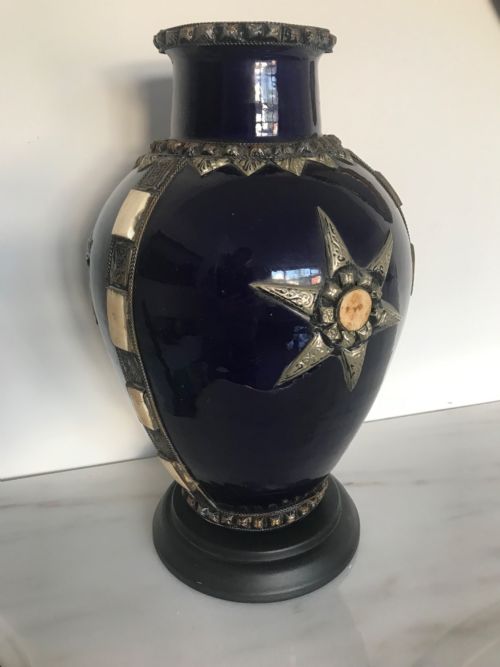
Surface decoration involved tin enamels, cobalt blue pigments, transfer printing, and gold leaf applications. Many pieces received multiple firings to fix metallic lustres, enamels, and bronze or silver mounts added after the ceramic kiln work.
Listings feature 19th Century, Victorian, and 1900 periods alongside materials including earthenware, porcelain, and stoneware.
What varies in quality
The distinction between ordinary production and superior work lies in the control of the kiln and the surety of the brushwork. Master decorators achieved depth and luminosity in glazes like fairyland lustre and majolica tin enamels, whereas lesser pieces show flat colour and blurred transfer lines.
Proportion and execution define the finer examples. Crisp moulding, balanced metal mounts, and hand-painted details executed with precision elevate a piece far above standard factory output.
Royal Doulton·Wedgwood·Moorcroft·Cantagalli Florence·Boch Freres
The Antique Decorative Pottery Glossary
- Majolica
- A type of earthenware coated with an opaque white tin glaze and painted with metallic oxide colours. It achieved immense popularity during the Renaissance Revival of the nineteenth century.
- Charger
- A large decorative plate intended for display on a sideboard or wall rather than for dining use. These wide surfaces often carried narrative or botanical transfer prints.
- Lustre
- A ceramic glaze containing metallic salts that produce an iridescent, shimmering surface upon reduction firing. Wedgwood and Sunderland potteries mastered this technique.
- Stoneware
- A dense, vitrified ceramic fired at high temperatures until non-porous. It accepts salt glazes and intricate relief moulding readily.
- Faience
- European tin-glazed earthenware similar to delftware and majolica. It frequently incorporates hand-painted floral or figural motifs.
Antique Decorative Pottery: Frequently Asked Questions
How do I clean antique pottery?
Dust surfaces gently with a soft, dry cloth to prevent accumulation in crevices and crazed glaze lines. Avoid water immersion, particularly on pieces with metal mounts, cold-painted highlights, or porous earthenware bodies.
Harsh chemical detergents strip fragile enamels and gold leaf. If washing is necessary, use lukewarm water with a mild soap and dry thoroughly immediately.
Where should I display these pieces?
Place heavier chargers and large vases on sturdy furniture away from high-traffic areas where accidental knocks might occur. Sunlight can fade delicate overglaze enamels and lustre finishes over time.
Consider the height and surrounding space to let sculptural forms and rich glazes stand out. Wall brackets safely showcase chargers and decorative plates.
What is the difference between earthenware and stoneware?
Earthenware is fired at lower temperatures, leaving the ceramic body porous and relatively soft unless sealed with an impermeable glaze. Stoneware vitrifies during high-temperature firing, creating a dense, waterproof material that resists chipping.
Stoneware generally feels heavier and sounds resonant when tapped, while earthenware requires careful handling around any exposed unglazed edges.
How do I identify the period of a piece?
Examine the stylistic cues, such as the flowing organic lines of Art Nouveau or the heavy revivalist ornament of the Victorian era. Base marks, impressed factory ciphers, and artist signatures provide definitive dating references.
The choice of palette and manufacturing technique also align with specific decades, helping distinguish eighteenth-century delft from later Victorian revivals.