
Antique Stoneware Vessel
An antique stoneware vessel brings dense, vitrified weight and salt-glazed texture to a room, holding centuries of utilitarian design.
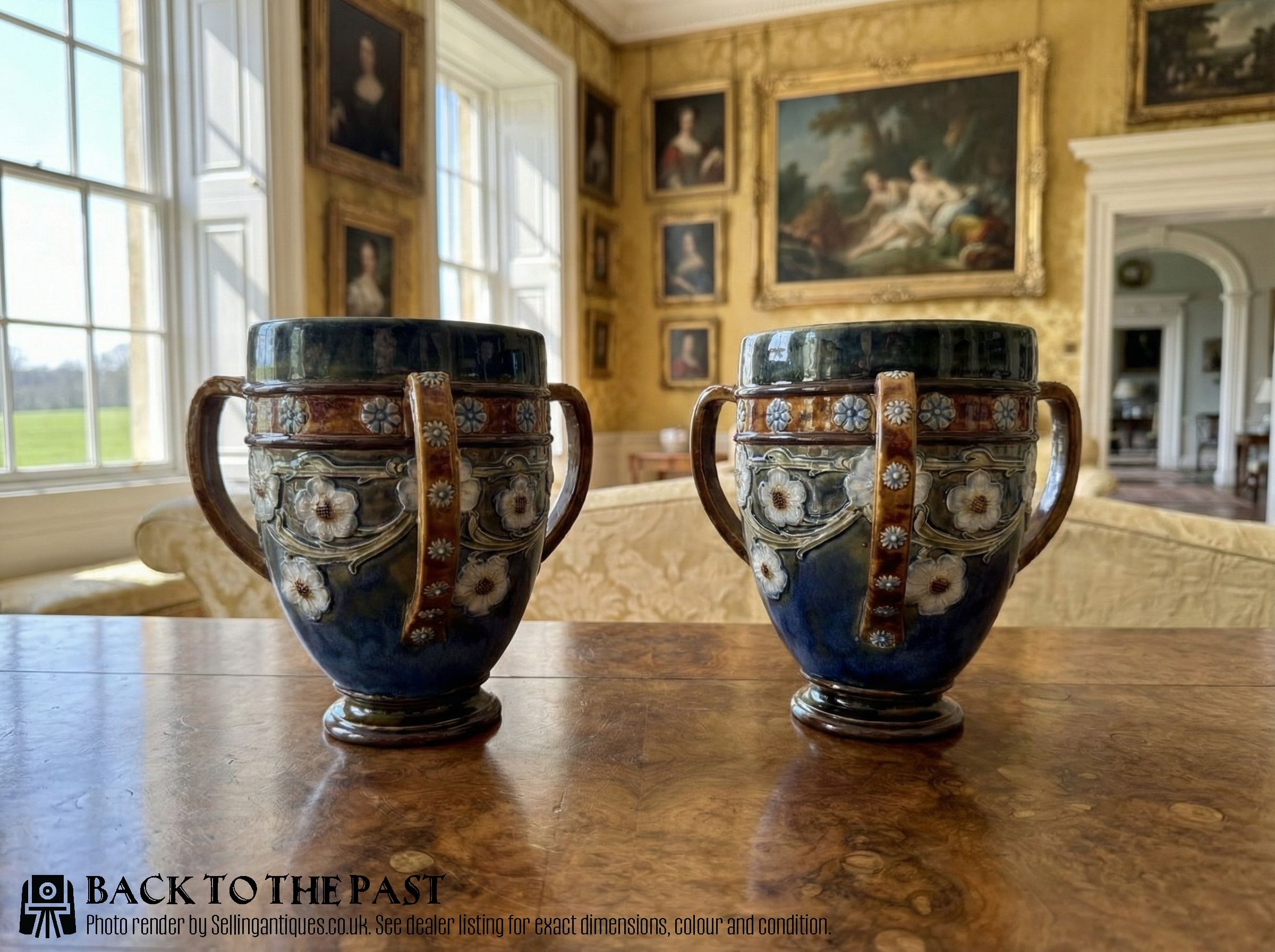
What an antique stoneware vessel is
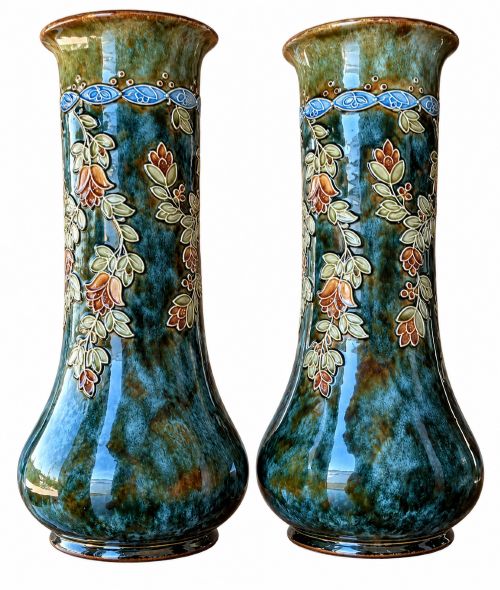
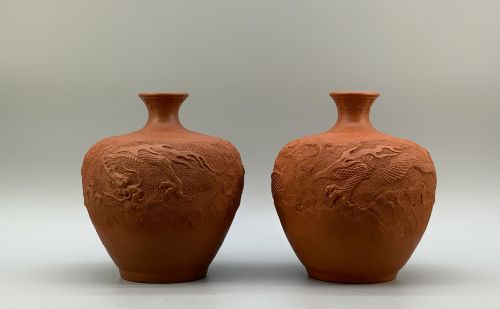
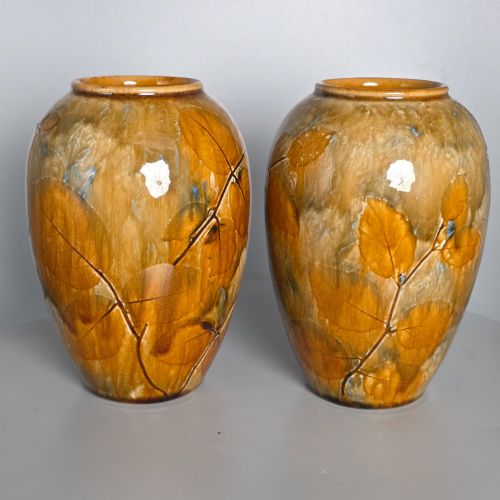
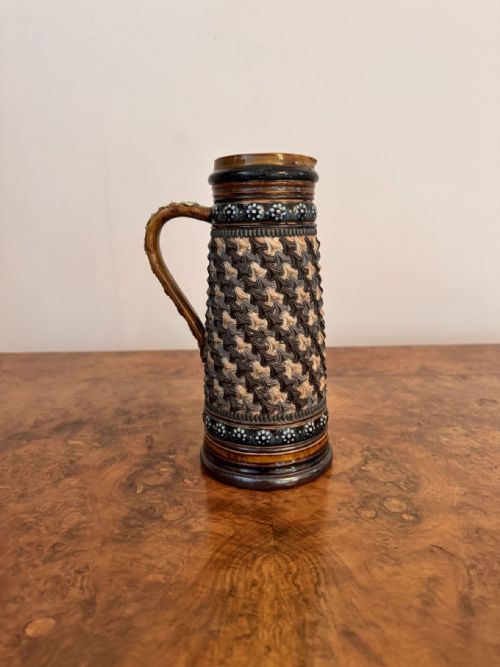
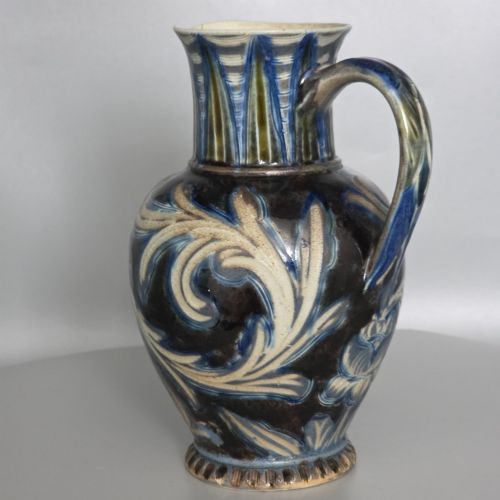
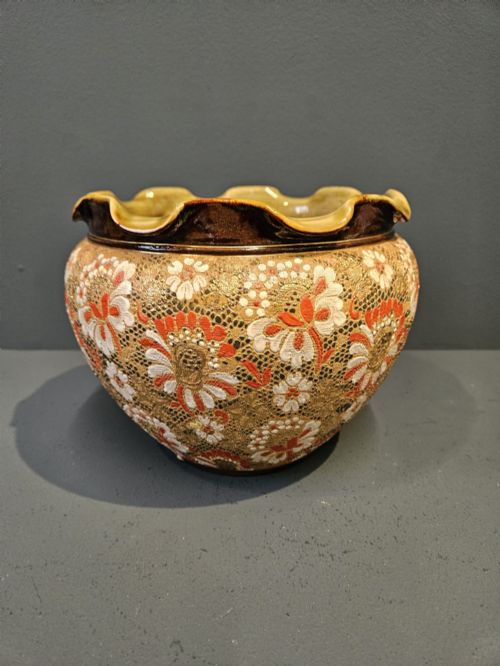
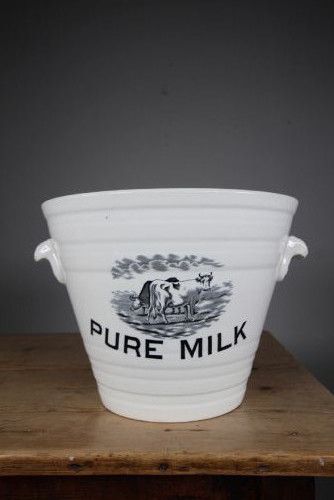
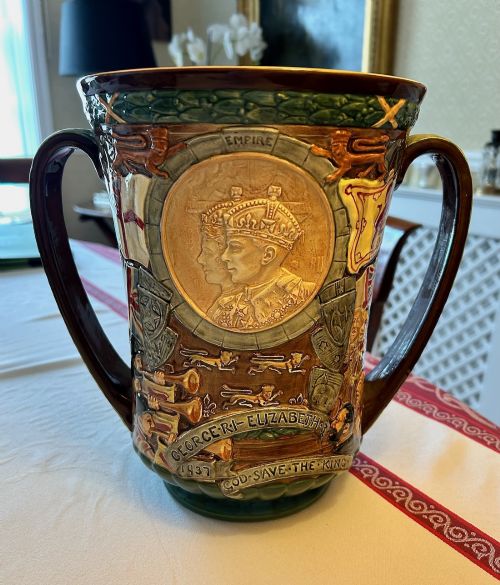
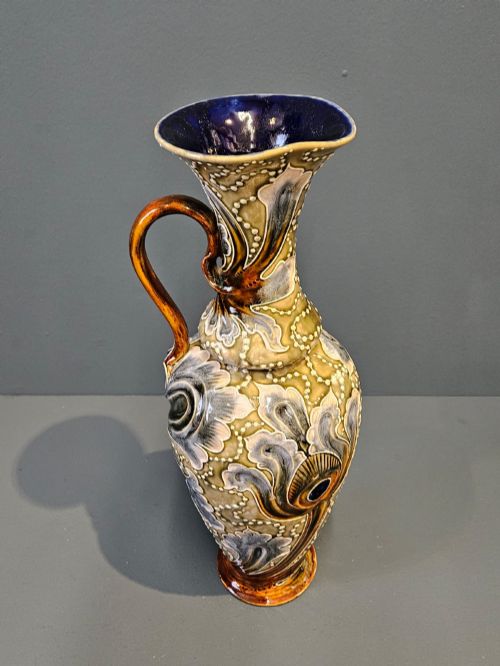
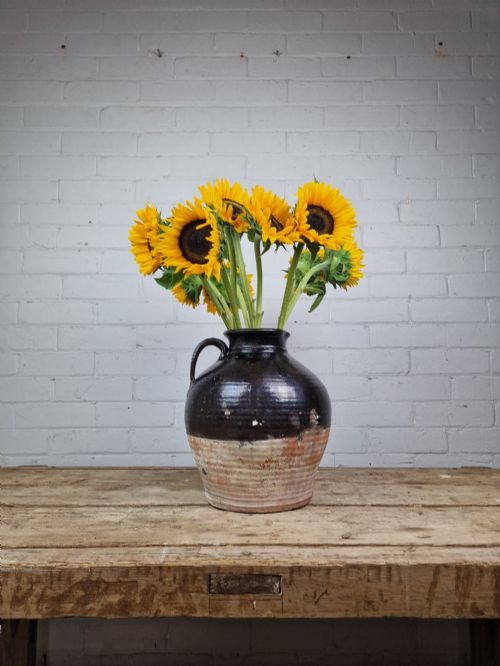
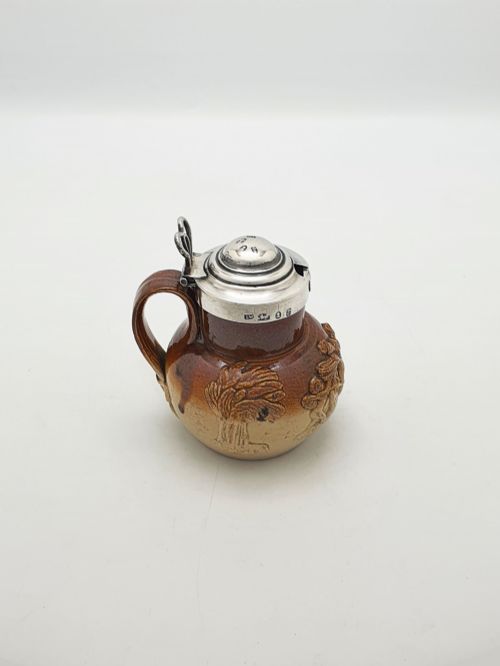
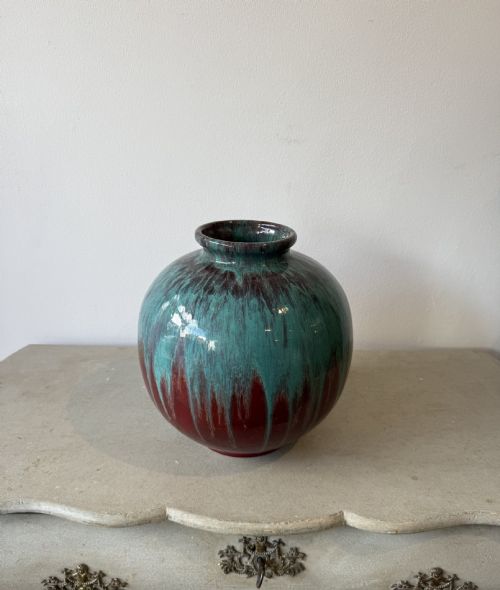
An antique stoneware vessel spans domestic storage and decorative forms, appearing across this page as jugs, flagons, jars, loving cups, and vases. These pieces range from eighteenth-century German salt-glaze pieces to Victorian industrial jars and Doulton Lambeth productions.
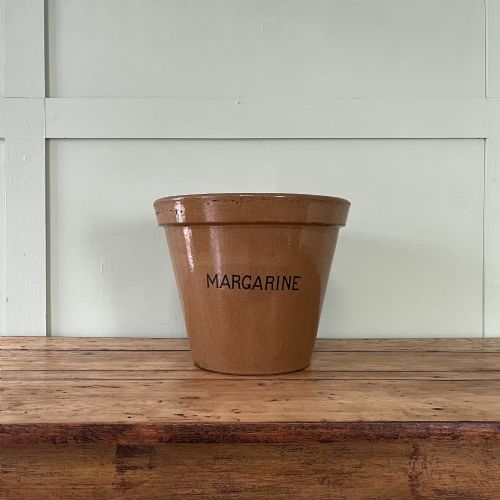
The Victorian era contributes significant output here, alongside eighteenth-century German examples bearing royal ciphers and salt glaze finishes. Forms vary from massive five-gallon storage containers to delicate, artist-signed art pottery vases.
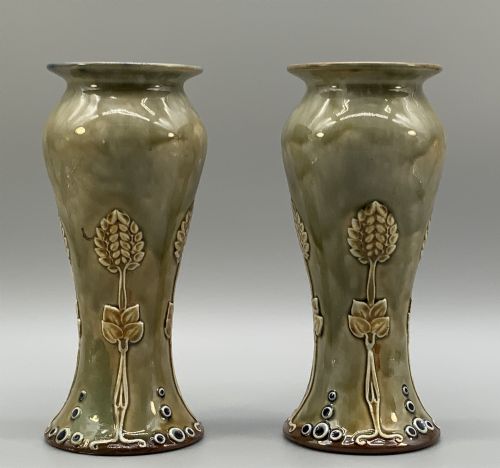
Buyers encounter sturdy utilitarian vessels alongside highly decorative studio pottery, reflecting both kitchen utility and refined Victorian Arts and Crafts or Art Nouveau aesthetics.
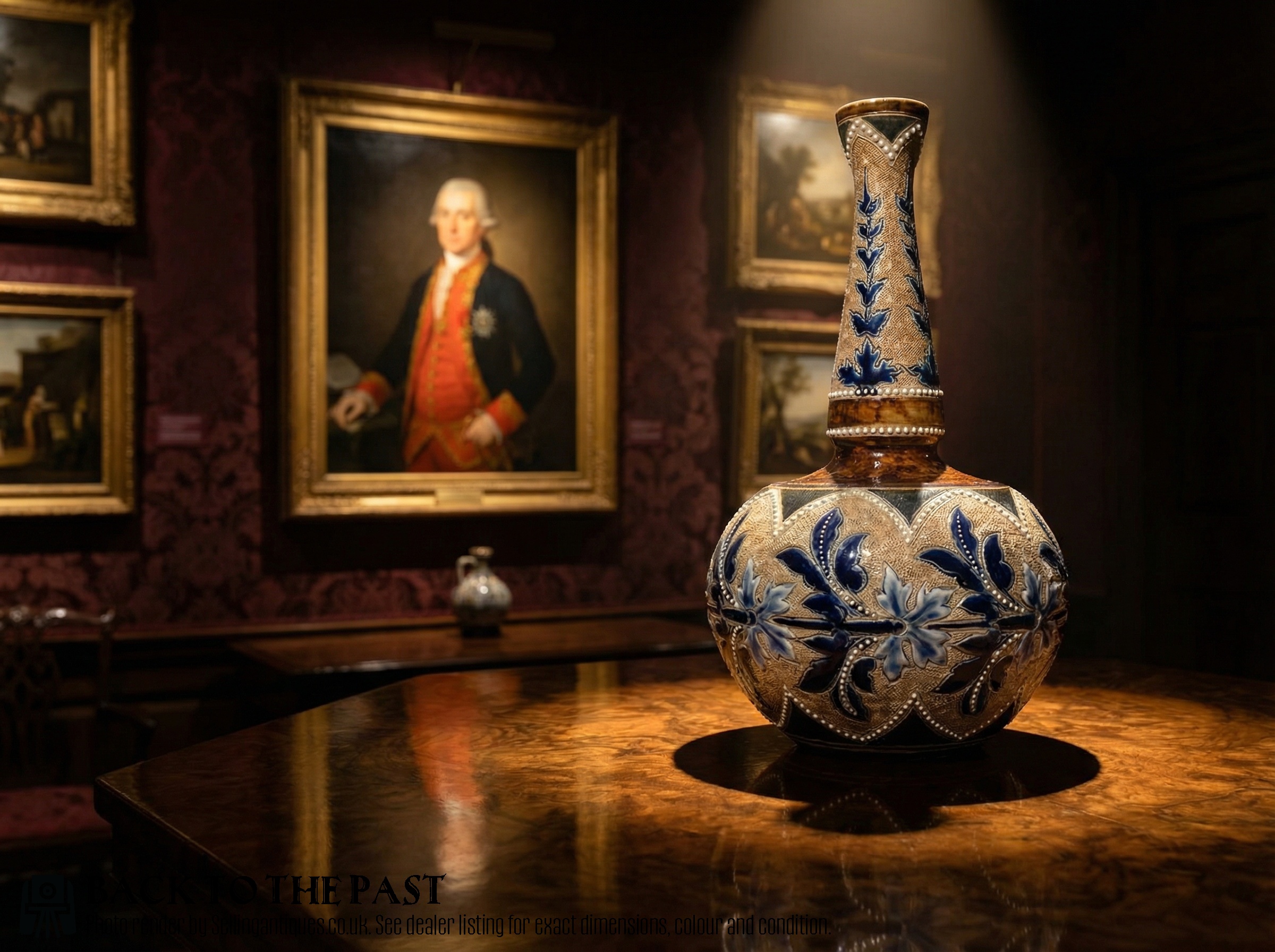
How they were made
Potters shaped dense ceramic bodies and fired them at high temperatures until the clay vitrified and became completely non-porous. Many surfaces received a salt glaze, thrown into the kiln during firing to create a characteristic orange-peel texture.
Makers applied cobalt oxide pigments to decorate the ceramic bodies, sometimes highlighting incised designs or royal ciphers with deep blue tones. Finished vessels occasionally incorporated subsidiary materials like cork stoppers and enamel accents.
Retail Price Guide 2026
Typical UK retail prices for stoneware vessel, calculated from the Sellingantiques database of over a million retail prices indexed since 2003. This retail price guide relies exclusively on Sellingantiques data; no external sources or auction records are used, so the figures do not describe the wider market.
The listings here encompass stoneware, ceramic, and salt glaze materials spanning the eighteenth century through the Victorian era.
What varies in quality
Quality rests upon the crispness of the salt glaze texture and the deliberate application of cobalt oxide decoration. Master potters and named artists achieved superior control over the reactive kiln atmospheres, resulting in even surfaces and distinct colour depth.
Artistic ambition separates simple utilitarian containers from bespoke studio pieces, such as those bearing individual artist signatures or intricate Victorian Arts and Crafts ornamentation.
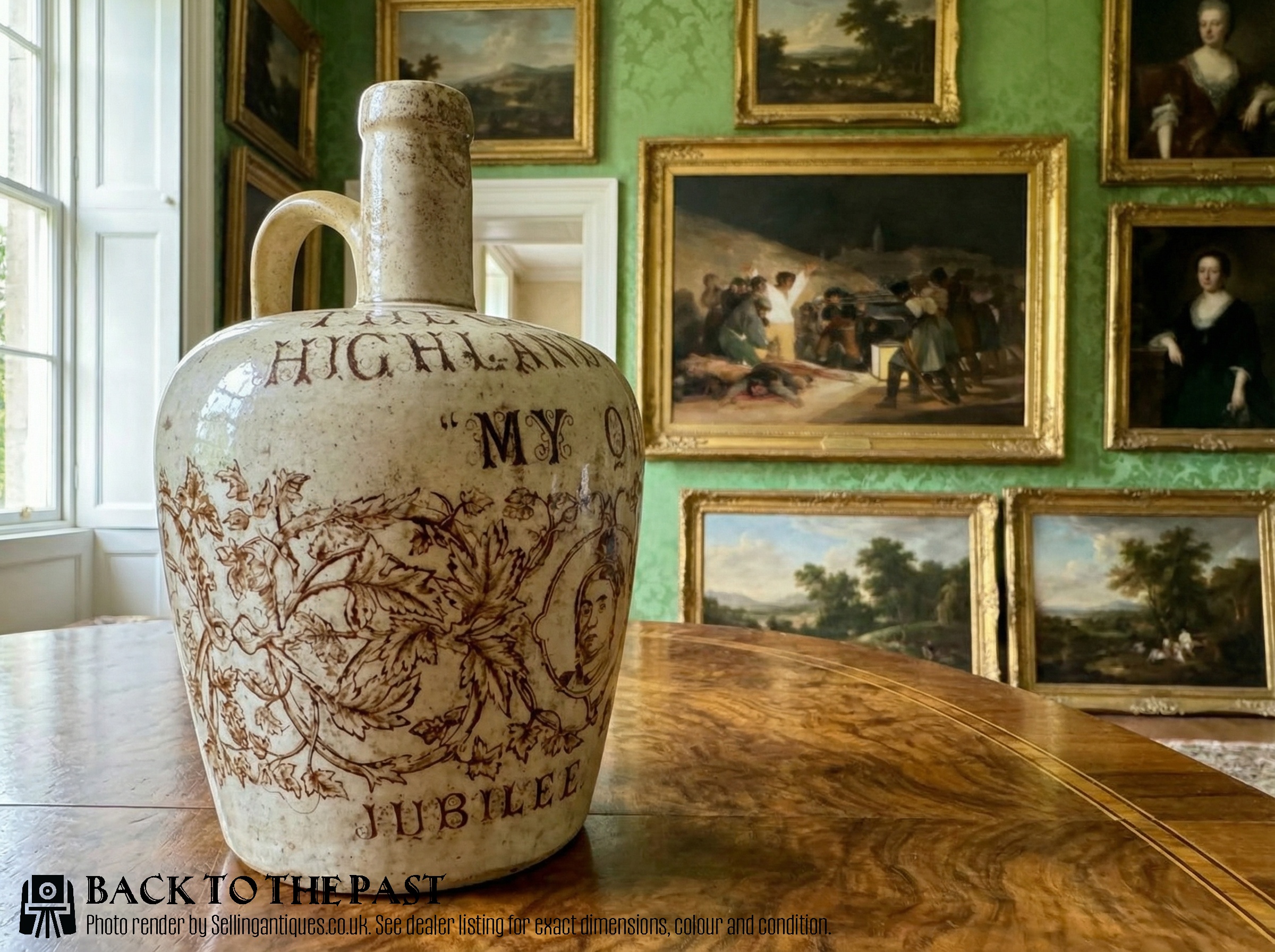
Doulton Lambeth·Royal Doulton·Port Dundass·Westerwald
The Antique Stoneware Vessel Glossary
- Stoneware
- A robust ceramic type fired at high temperatures until semi-vitrified and waterproof. It does not require glazing to hold liquids, though salt glazing is common.
- Salt Glaze
- A glossy, slightly textured finish created by throwing common salt into the hot kiln during firing. The sodium reacts with the silica in the clay body to form a durable coating.
- Cobalt Oxide
- A metallic pigment used under glazes to produce a durable blue decoration. It withstands the extreme heat required for firing stoneware.
- Royal Cipher
- Monogram or initials of a reigning monarch used for official standardisation or commemorative purposes. These markings appear on German salt glaze jugs.
- Vitrified
- Fired until the clay particles fuse together completely, rendering the material dense, hard, and impermeable to water.
Frequently Asked Questions
What is an antique stoneware vessel?
An antique stoneware vessel is a heavy, vitrified ceramic container made for storage, serving, or display. These pieces include utilitarian jars, flagons, and jugs alongside decorative vases.
They represent centuries of pottery traditions, utilising salt glaze finishes and cobalt oxide decoration to achieve their distinctive appearance.
How were salt glaze vessels used?
These vessels served primarily practical roles in homes and businesses for holding liquids like ginger beer, whisky, and water, or storing dry goods. Larger pieces like five-gallon jars acted as heavy-duty bulk containers.
Over time, finer versions transitioned into decorative roles as vases and loving cups during the Victorian period.
How do I date a stoneware vessel?
Dating relies on stylistic markers, manufacturing techniques, and specific factory names or royal ciphers stamped onto the clay body. Eighteenth-century German pieces feature distinct salt-glaze patterns and ciphers.
Victorian examples often display factory marks from potteries like Doulton Lambeth or specific industrial branding from makers such as Port Dundass.
How do I clean antique stoneware?
Cleaning requires only gentle washing with warm water and a soft cloth to remove dust and surface dirt from the salt-glazed or ceramic surface. Avoid harsh chemical cleaners that might affect old glazes or enamel details.
Ensure any original components like cork stoppers remain dry and treated with care to preserve their age.