

Victorian Ceramic Jug
These victorian ceramic jug examples offer practical serving vessels and decorative ewers shaped by nineteenth-century kilns.
What They Are
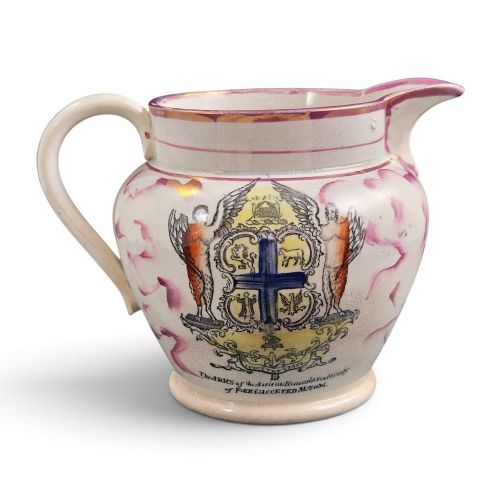
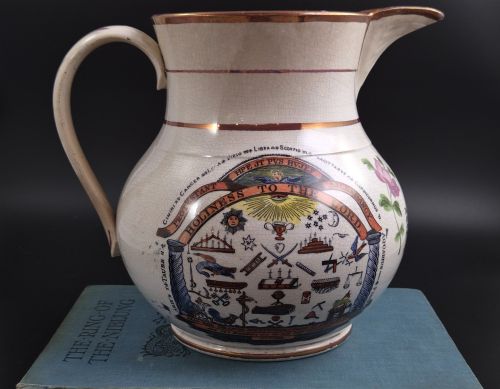
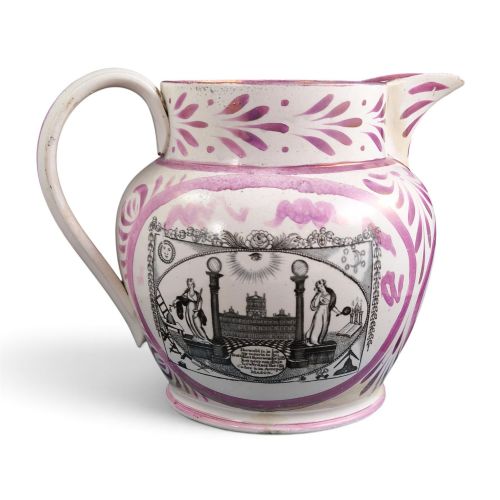
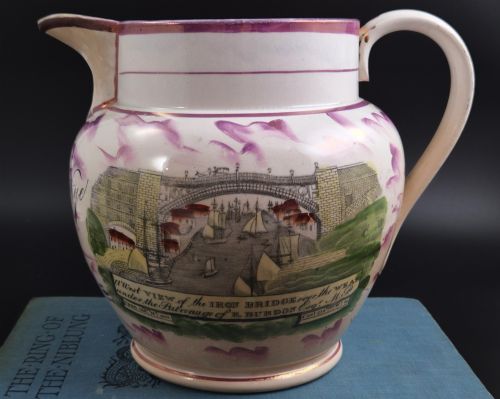
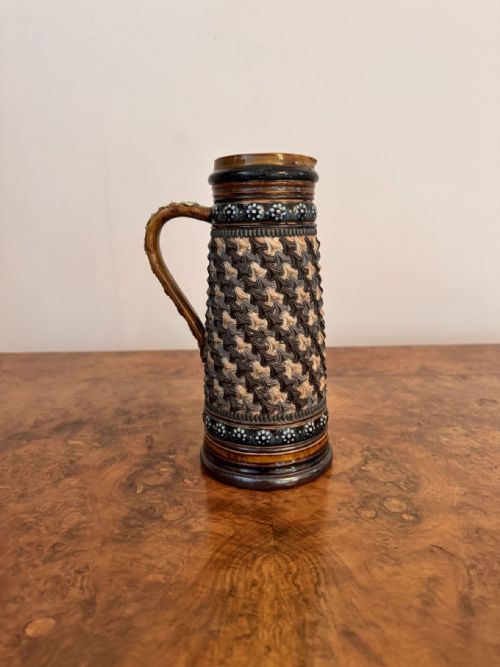
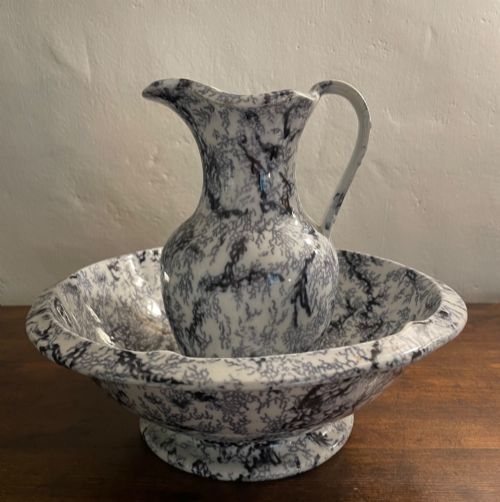
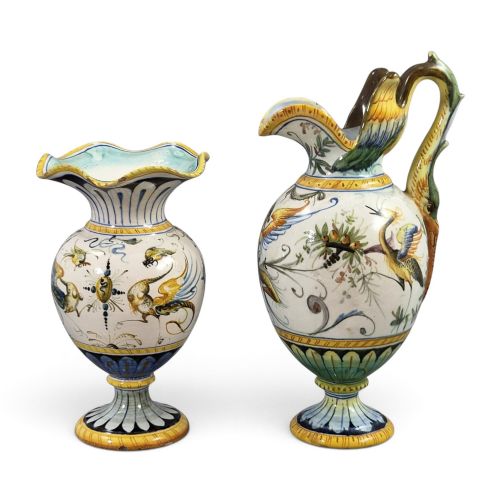
When you search for a victorian ceramic jug, you find nineteenth-century pitchers, ewers, and flagons designed for functional service and decorative display. The evidence shows forms ranging from large utility vessels to patterned tableware.
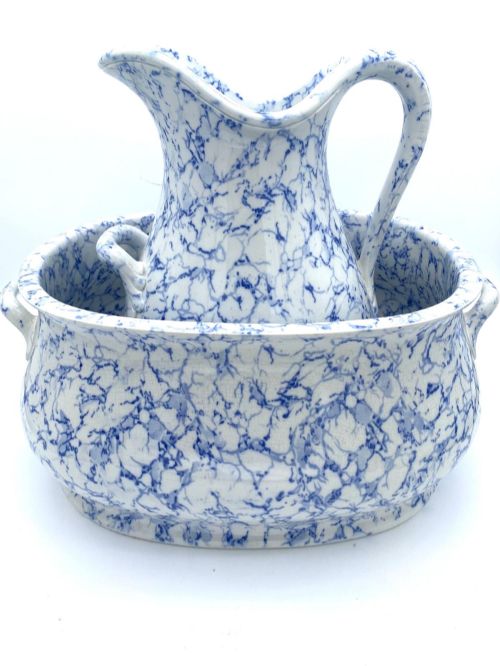
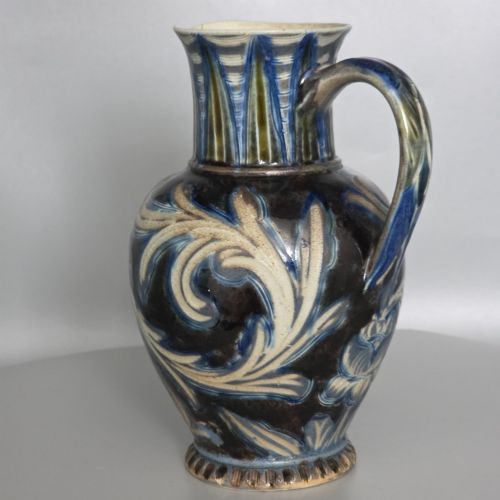
You are most likely to meet earthenware and stoneware pieces from the Victorian era, alongside specialised ironstone and porcelain creations. These items include regional British patterns and utilitarian containers.
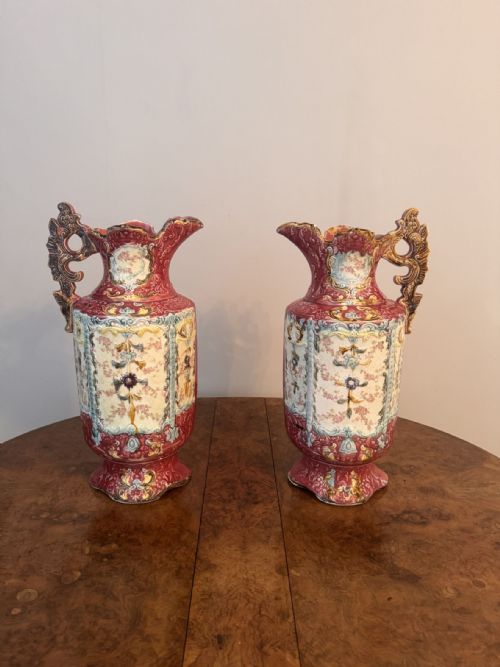
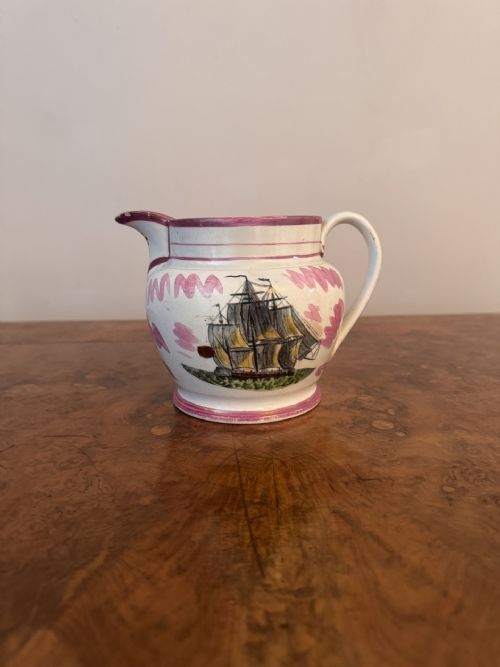
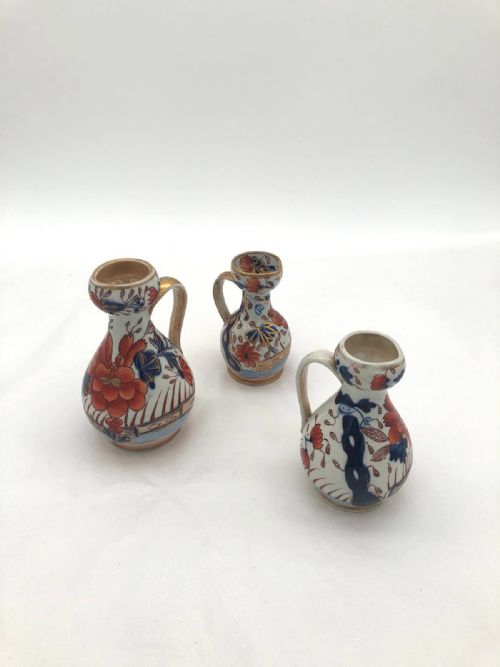
Makers utilised diverse regional styles, spanning from Gaudy Welsh patterns to Chinoiserie ironstone and Port Dundass stoneware. Collectors encounter both everyday pouring vessels and ornamental ewers.
How They Were Made
Potters shaped these vessels from earthenware, stoneware, and ironstone, applying specialised glazes to seal the porous clay bodies. Kiln workers fired these ceramic pieces to achieve durable utility forms.
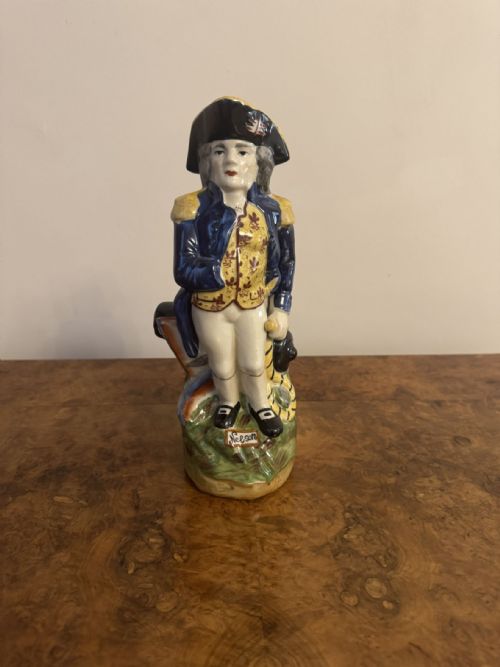
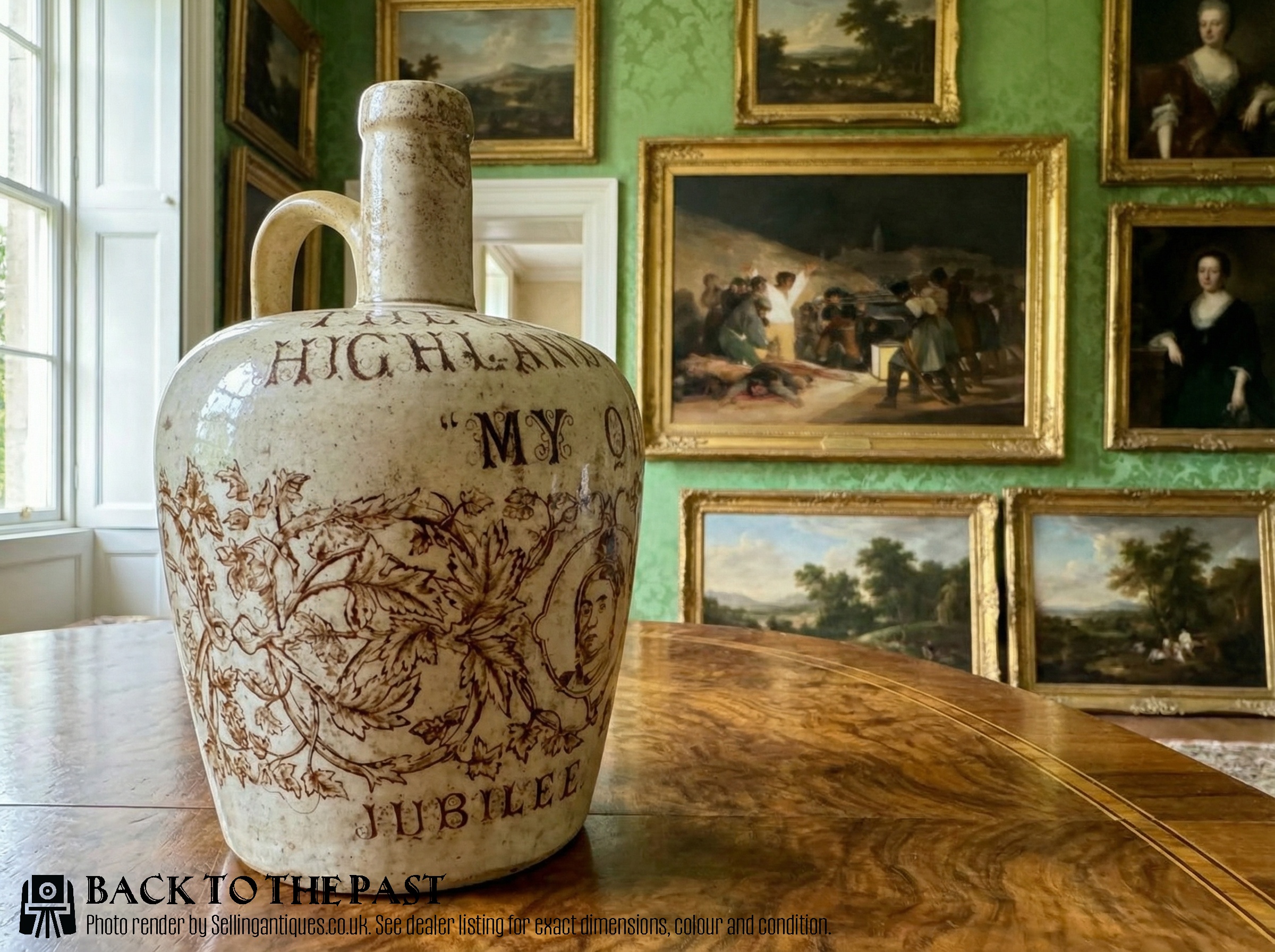
Decoration involved hand-applied enamel, cobalt blue grounds, and delicate gold leaf details. Artisans also incorporated moulded elements, such as grotesque handles and embossed portraits of historical figures like Victoria and Wellington.
Retail Price Guide 2026
Typical UK retail prices for victorian ceramic jug, calculated from the Sellingantiques database of over a million retail prices indexed since 2003. This retail price guide relies exclusively on Sellingantiques data; no external sources or auction records are used, so the figures do not describe the wider market.
The listings show nineteenth-century periods alongside materials like enamel, glaze, earthenware, copper lustre, stoneware, ironstone, and gold leaf.
What Varies in Quality
Quality separates simple utilitarian storage containers from ambitious decorative ewers through the refinement of the ceramic body and the precision of the glaze. Ironstone and stoneware pieces demonstrate superior durability, whereas delicate earthenware requires careful handling.
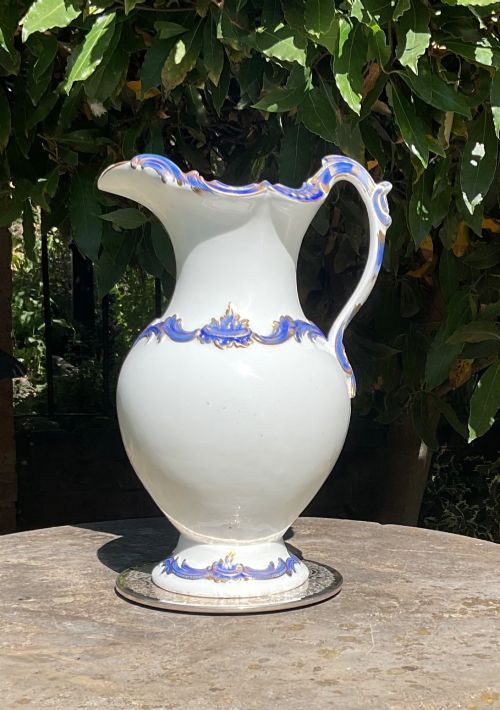
The sophistication of the surface decoration defines the upper tier of the range. Hand-painted enamel, intricate Chinoiserie motifs, and applied gold leaf elevate standard pouring vessels into artistic display pieces.
Mason s Ironstone·Port Dundass·Royal Worcester·Doulton
The Victorian Ceramic Jug Glossary
- Ironstone
- A dense, durable type of earthenware patented in the nineteenth century. It bridges the gap between traditional pottery and true porcelain.
- Stoneware
- A heavy, vitreous ceramic fired at high temperatures. It resists liquids naturally without requiring complex internal glazing.
- Gaudy Welsh
- A style of colourful earthenware pottery decorated with cobalt blue, copper lustre, and bright enamel. It was produced specifically for domestic Welsh markets.
- Ewer
- A large pitcher with a flared spout and a bulbous body, historically used for pouring water. Victorian examples often served decorative functions.
Frequently Asked Questions
What is a victorian ceramic jug?
A victorian ceramic jug is a pouring vessel or decorative ewer produced during the nineteenth century using materials like earthenware, stoneware, and ironstone.
These pieces served various domestic purposes, ranging from heavy storage containers to colourful patterned tableware.
How were these jugs used?
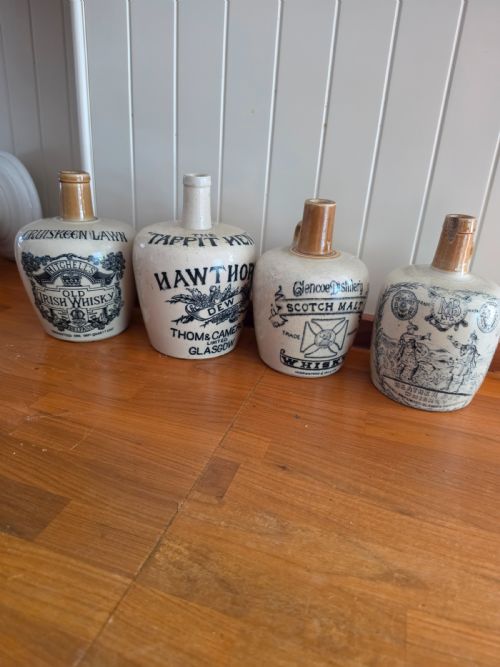
Many of these vessels functioned as utilitarian containers for liquids like whisky, water, or milk in nineteenth-century homes. Larger examples held generous quantities for household service.
Others served primarily as decorative ewers or vases, displayed on mantelpieces or sideboards for their aesthetic appeal.
How do I identify a Victorian piece?
Identification relies on examining the ceramic body, glaze type, and decorative style recorded in nineteenth-century manufacturing traditions. Stoneware and ironstone characteristics provide clear indicators of period production.
Specific patterns, such as Gaudy Welsh motifs or Chinoiserie ironstone designs, further help place a vessel within the Victorian timeline.
Can I use these jugs today?
While many stoneware and ironstone jugs remain structurally robust, older ceramic pieces require gentle handling due to age and potential glaze wear. Utilitarian vessels of sturdy build handle careful everyday use.
Decorative ewers with delicate enamel or gold leaf details are better suited for display rather than active service.