
Antique Water Pitcher
An antique water pitcher brings historic ceramic and glass craftsmanship straight to the table.

What these pieces are
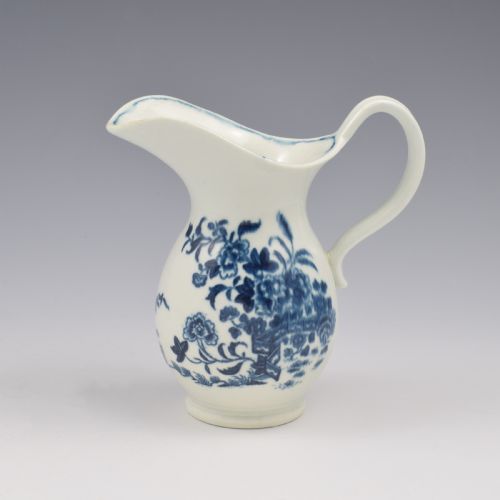
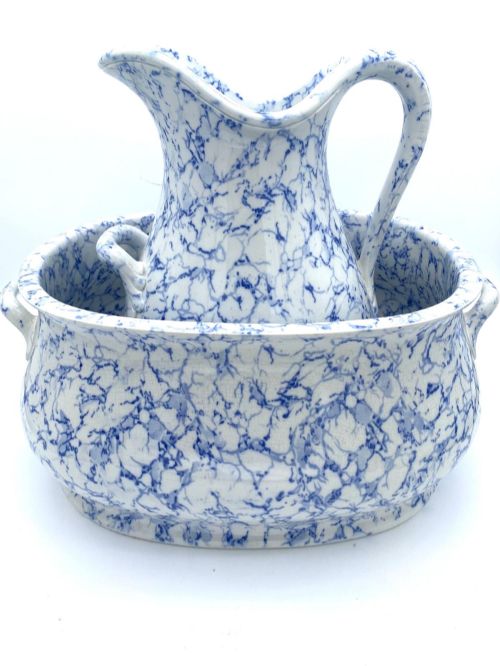
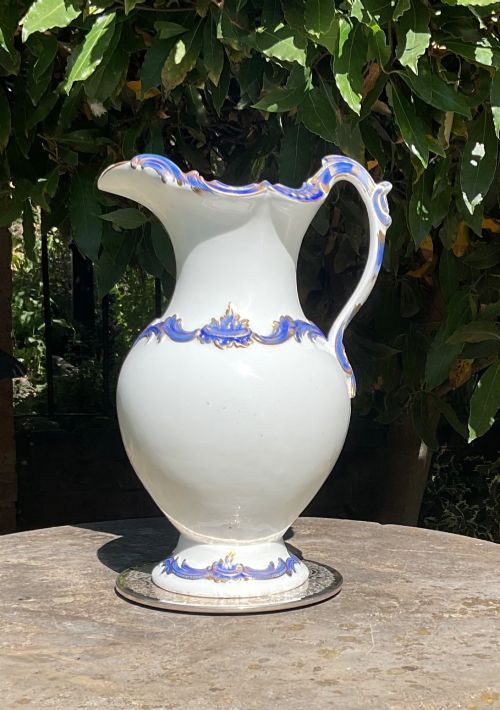
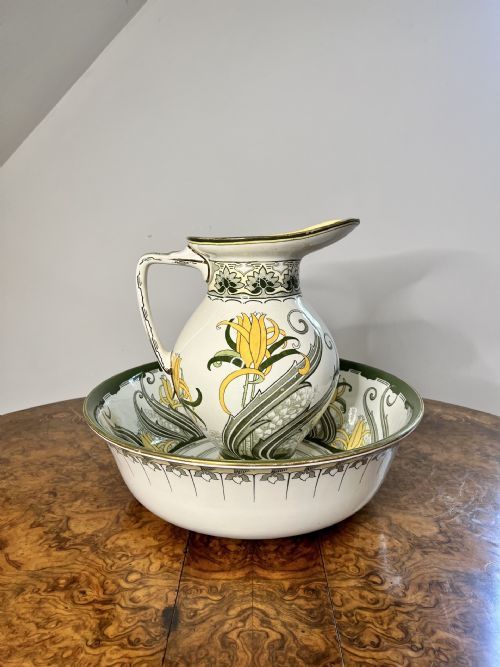
When you search for an antique water pitcher, you are looking at utilitarian vessels designed for serving water, lemonade, or drinks at the table, often found paired with a matching bowl. The pieces available here span from the mid-nineteenth century up to the early twentieth century, encompassing utilitarian stoneware alongside decorative ceramic wares.
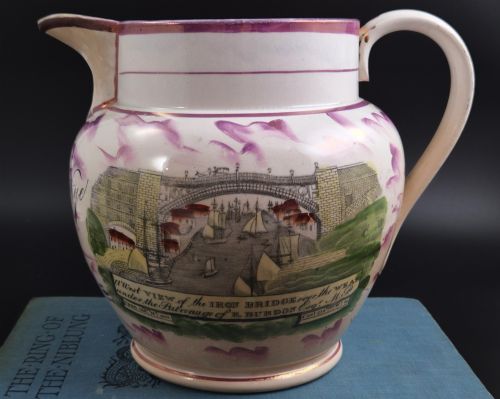
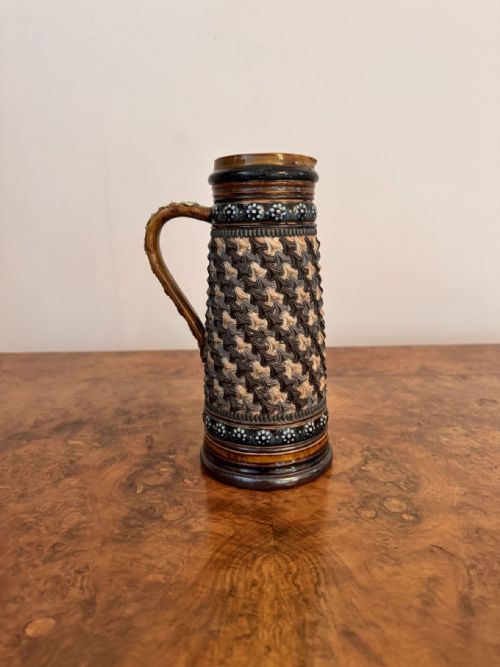
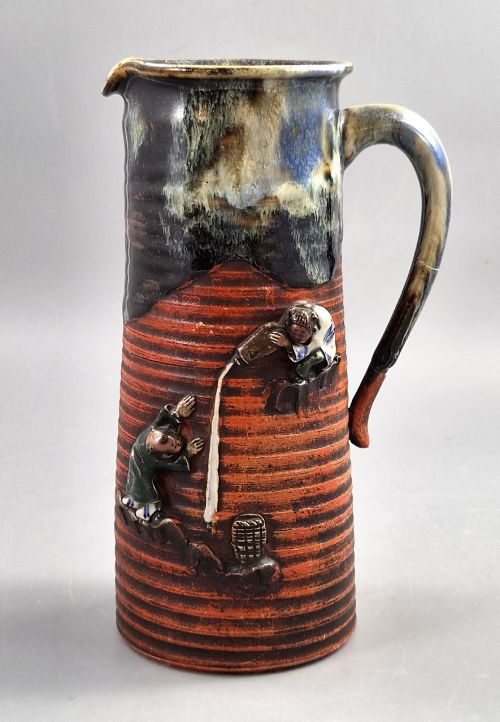
You are most likely to meet Victorian examples on this page, including large stoneware jugs, porcelain items, and moulded earthenware. These domestic items reflect the varied dining and washing habits of British households across the nineteenth century.
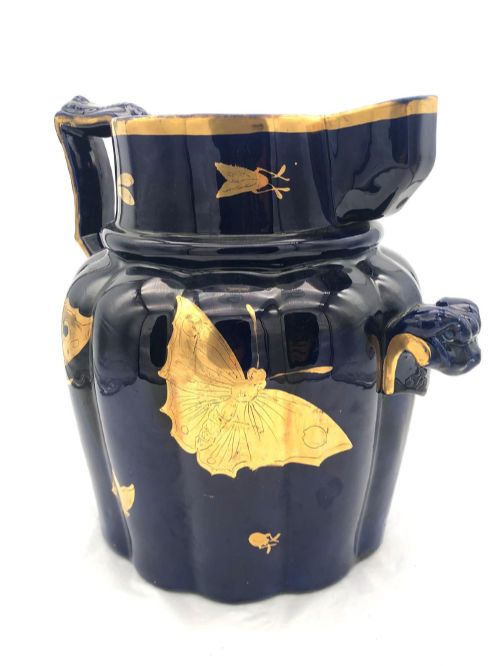
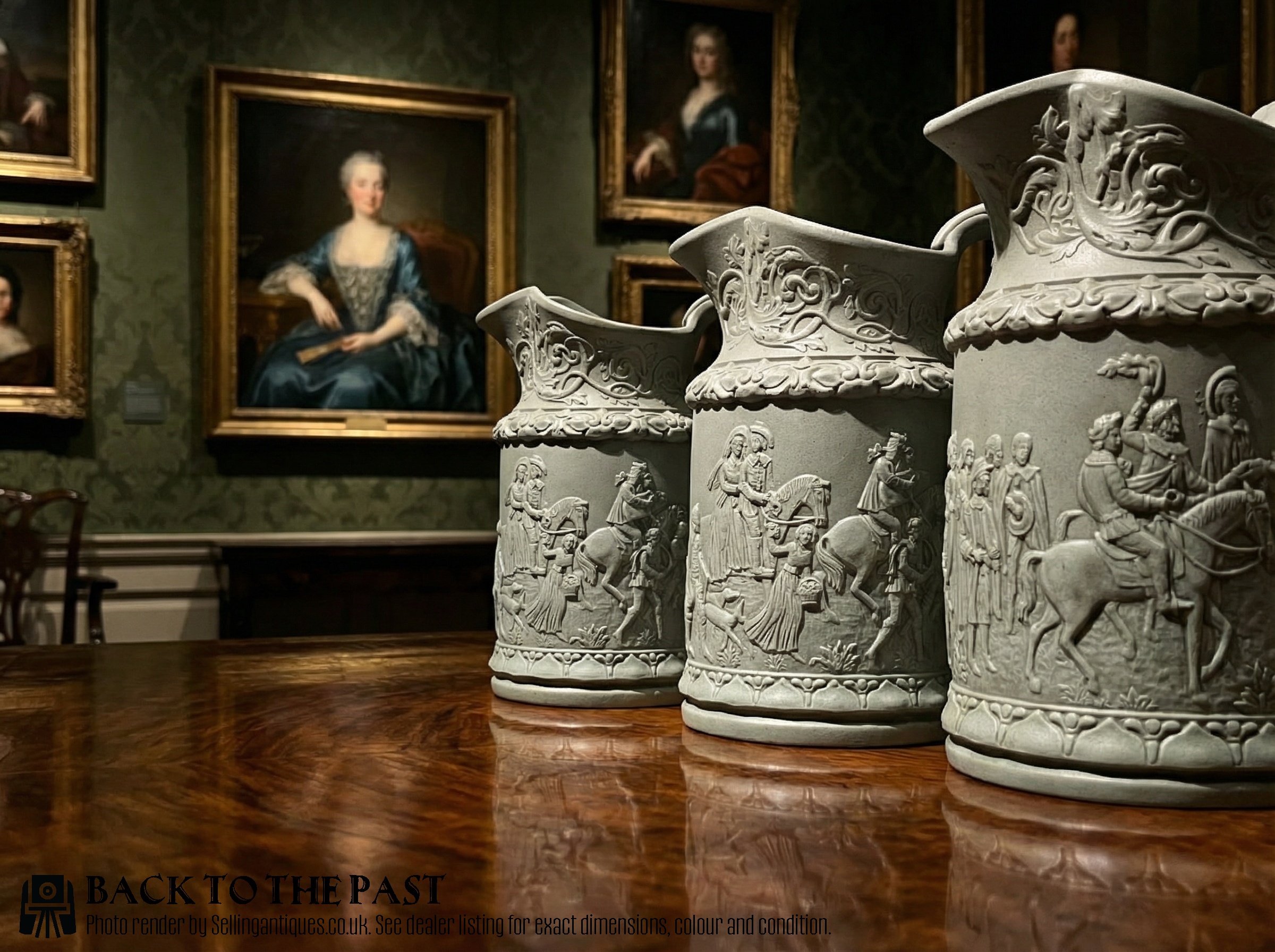
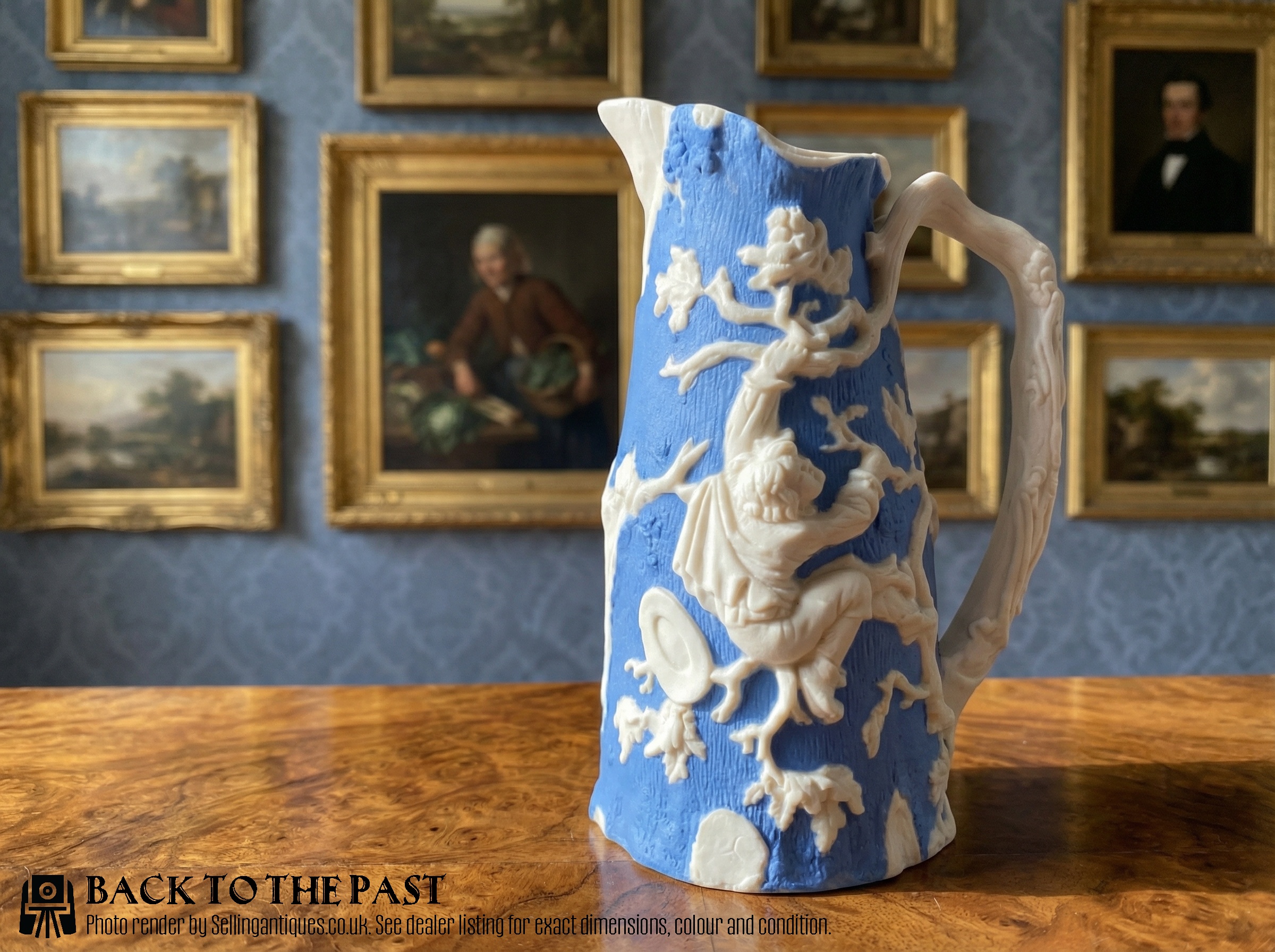
The selections include distinctive forms such as parian ware jugs, jasperware vessels, and majolica designs featuring botanical motifs. Each object demonstrates the functional needs of past dining rooms combined with the prevailing decorative styles of its decade.
How they were made
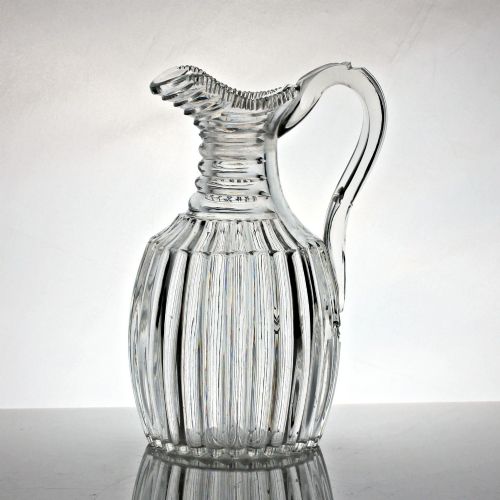
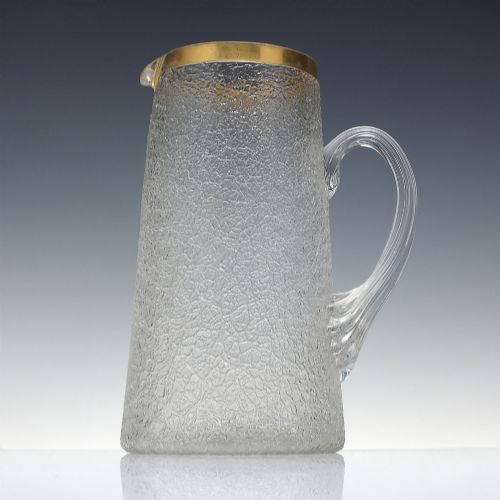
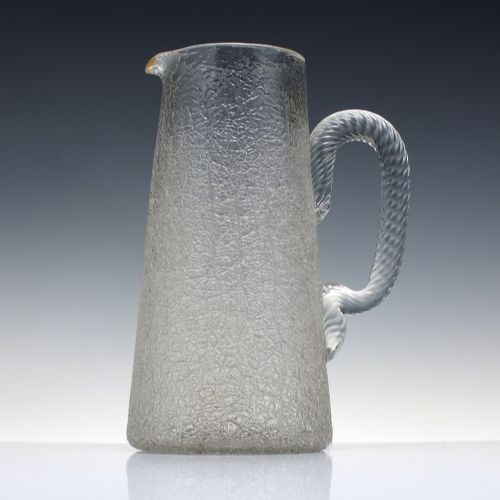
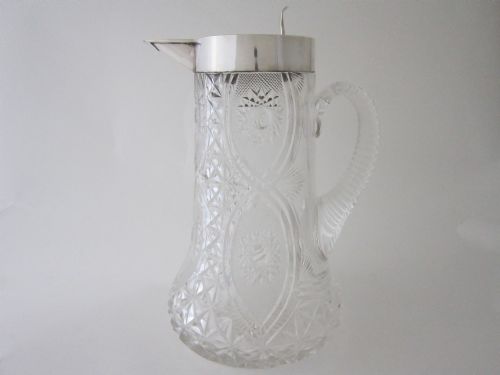
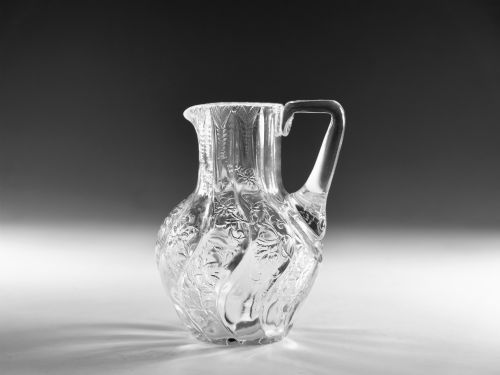
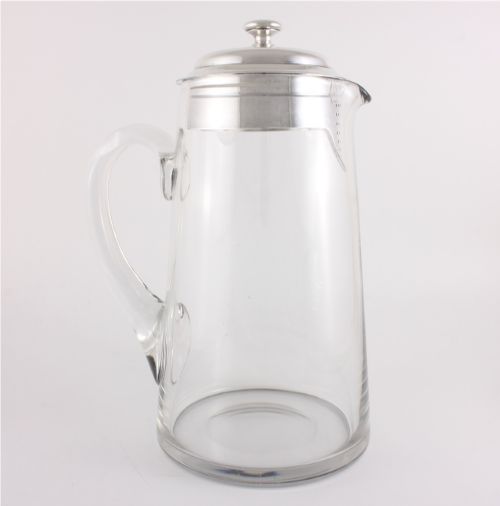
The pieces listed on this page utilise a range of materials including ceramic, stoneware, parian ware, bisque porcelain, glass, and glaze. Glass examples show hot-worked details such as folded feet and trail rims applied during shaping.
Ceramic and stoneware versions rely on moulding and throwing techniques, sometimes featuring applied relief decoration as seen in jasperware and parian ware pieces. Majolica jugs incorporate coloured lead glazes fired over moulded plant and animal forms.
Retail Price Guide 2026
Typical UK retail prices for water pitcher, calculated from the Sellingantiques database of over a million retail prices indexed since 2003. This retail price guide relies exclusively on Sellingantiques data; no external sources or auction records are used, so the figures do not describe the wider market.
The listings here feature pieces predominantly from the nineteenth century, executed in ceramic, stoneware, glass, and parian ware.
What varies in quality
Quality in these pitchers rests upon the crispness of the moulding and the depth of the glaze or glass colour. Pieces with sharp relief work and well-defined botanical or classical motifs stand apart from simpler utilitarian vessels.
The sophistication of the material finish also dictates the tier of the piece, from standard glazed earthenware to fine parian ware or carefully finished glass with applied trails. Maker attribution further separates standard production wares from documented factory outputs.
Wedgwood·Ridgway·George Jones·Elkington·Fenton Bros
The Antique Water Pitcher Glossary
- Parian ware
- A type of fine biscuit porcelain resembling marble, developed in the nineteenth century for figures and decorative jugs. It allows for high detail in moulded relief decoration.
- Jasperware
- A type of stoneware pioneered by Wedgwood, characterised by a unglazed matte finish and contrasting applied white reliefs. It remains distinct for its fine-grained texture.
- Majolica
- Earthenware covered with colourful lead glazes, popular in the Victorian era for naturalistic designs like bullrushes and leaves. The technique creates bright, reflective surfaces.
- Trail rim
- A decorative glass feature formed by applying a molten thread of glass around the edge of a vessel. This technique adds texture and structural reinforcement to the opening.
- Bisque porcelain
- Unglazed porcelain fired once to a porous state, valued for its smooth, matte finish that highlights sculptural details without glossy reflection.
Frequently Asked Questions
What were antique water pitchers used for?
These vessels served functional roles in nineteenth-century households for pouring water at the dining table or holding lemonade during social gatherings.
Many larger versions also functioned as part of washstand sets, pairing with a matching bowl for bedroom hygiene before indoor plumbing became universal.
Can I use these pitchers for serving drinks?
Many sturdy stoneware and glass pitchers remain robust enough for serving water or lemonade at modern tables, provided you handle them with care.
Delicate parian ware or fine porcelain items are better suited to display, as historic materials can be sensitive to thermal shock from hot liquids.
How do I identify Victorian styles?
Victorian pitchers often feature distinct period aesthetics such as neoclassical motifs, botanical majolica relief, or classical parian figures. Examining the glaze type and decorative motifs helps connect the piece to mid-nineteenth-century manufacturing trends.
Maker marks stamped or moulded on the underside provide definitive clues to the specific decade of production.