



White Porcelain Jug
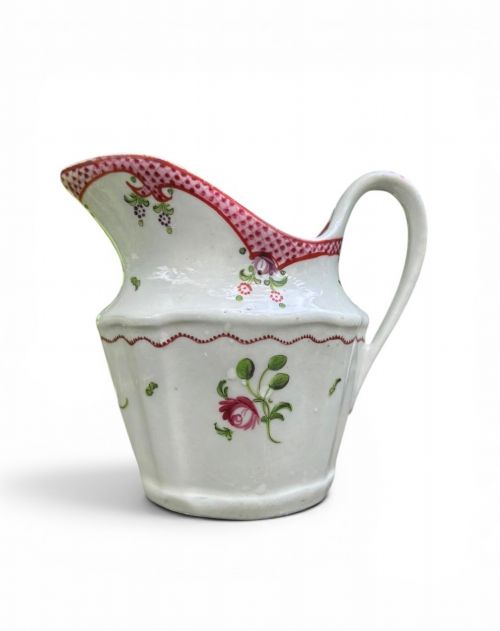
These white porcelain jug examples bring tactile elegance to the table, offering historical craftsmanship that collectors seek for display and daily use.
White Porcelain Jug
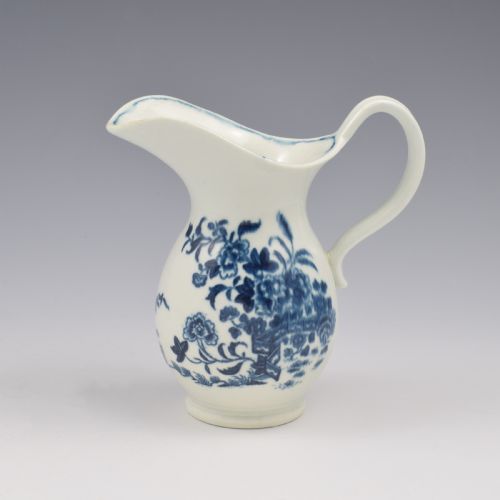
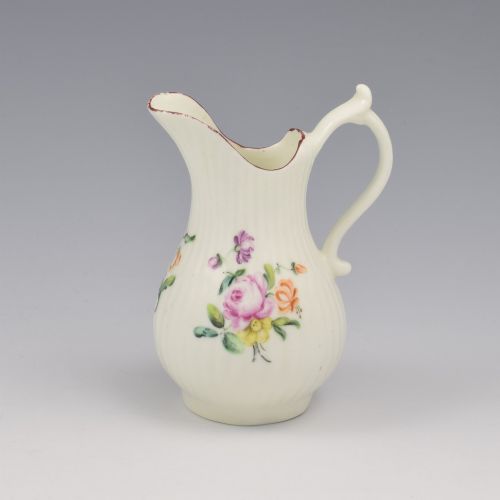
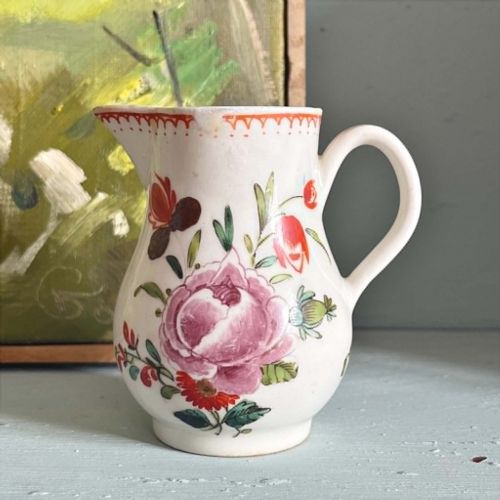
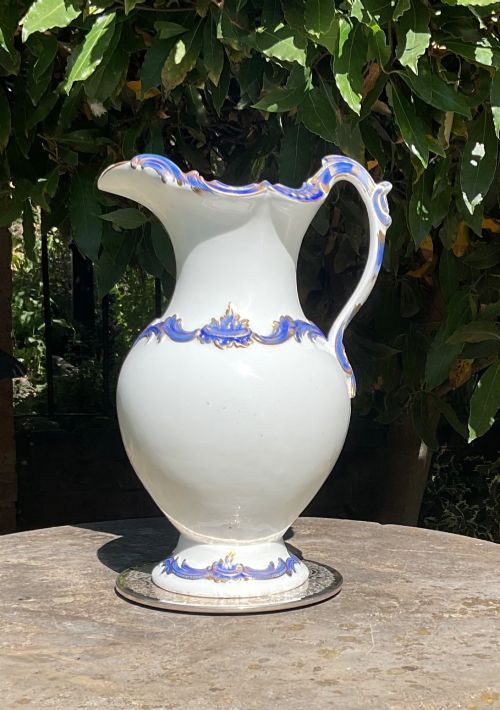
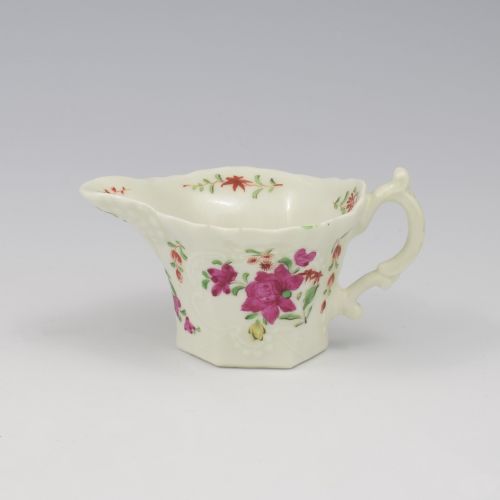
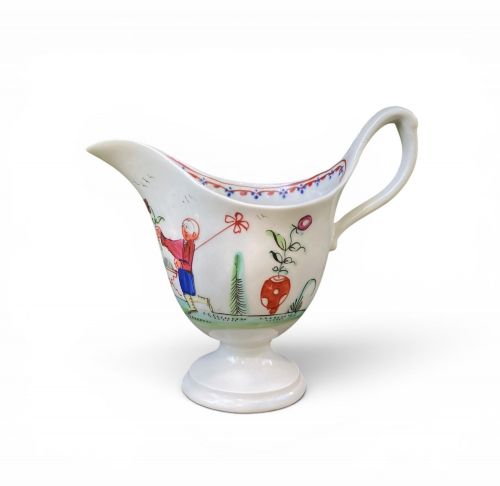
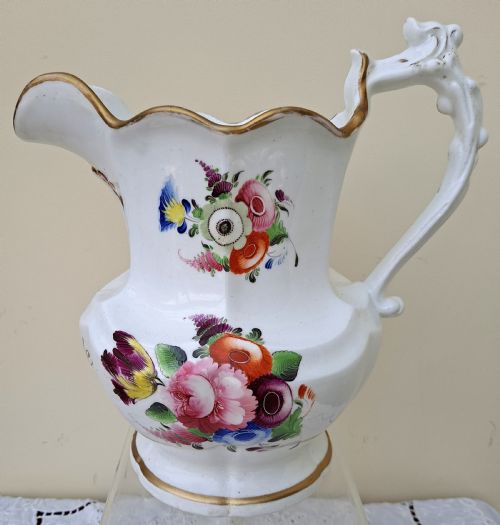
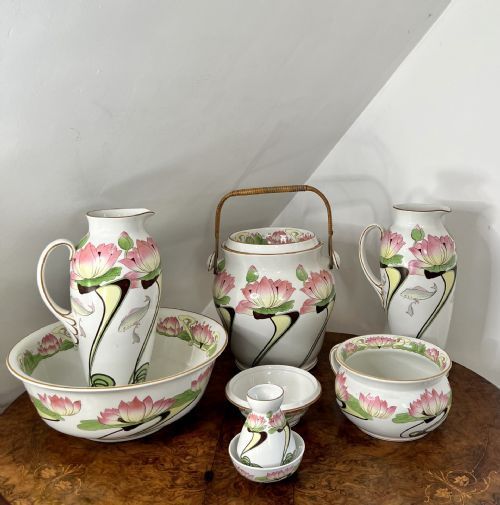
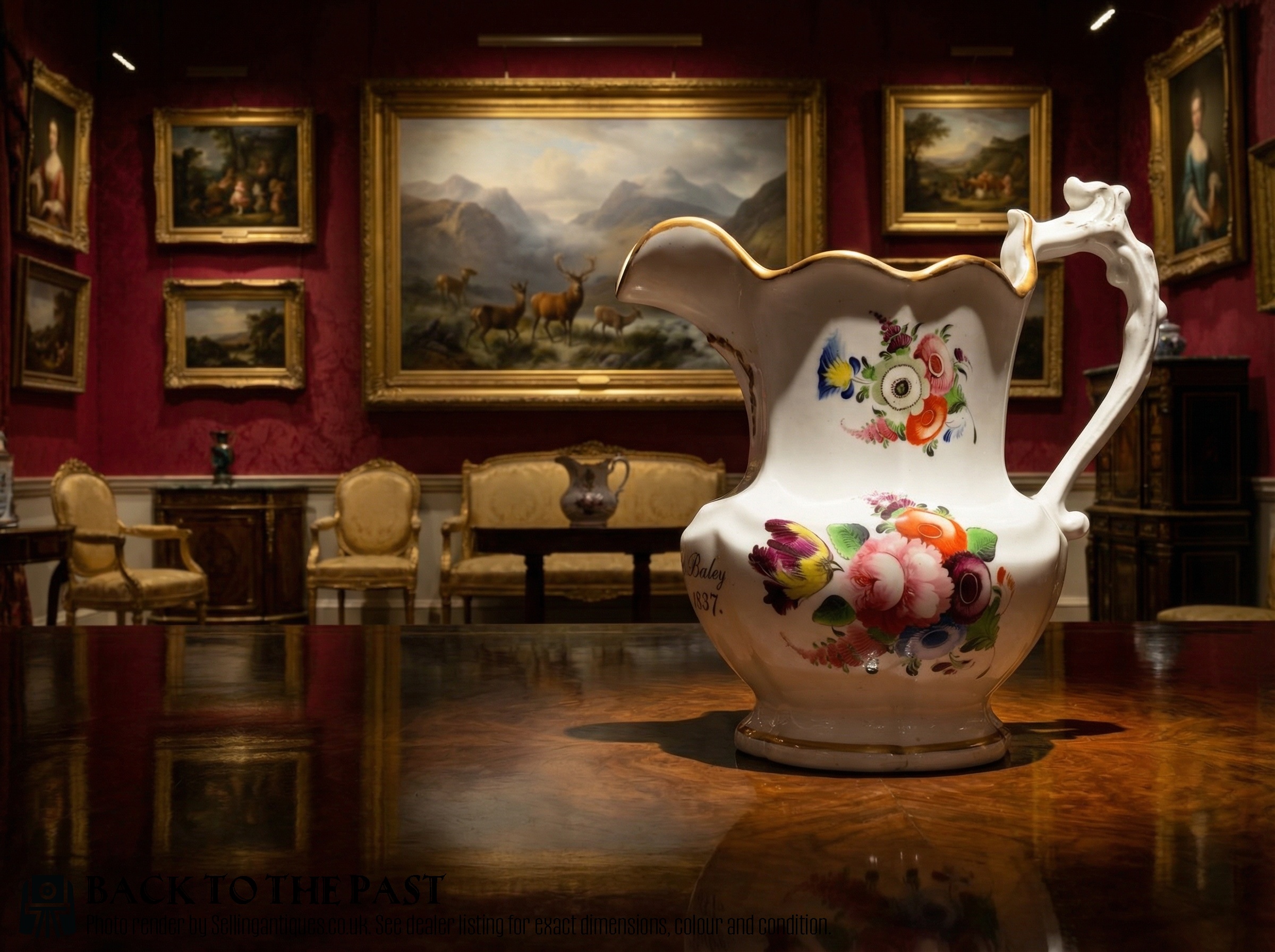
When you search for a white porcelain jug, you encounter a range of forms spanning from eighteenth-century sparrow beak creamers to nineteenth-century water ewers and larger washstand pitchers. Eighteenth-century examples frequently manifest as delicate soft-paste milk jugs or sauce boats decorated with handpainted motifs, while later nineteenth-century pieces include utilitarian bathroom sets and Parian ware drinks jugs.
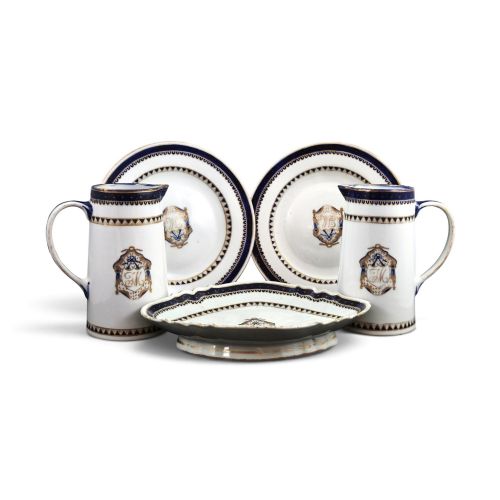
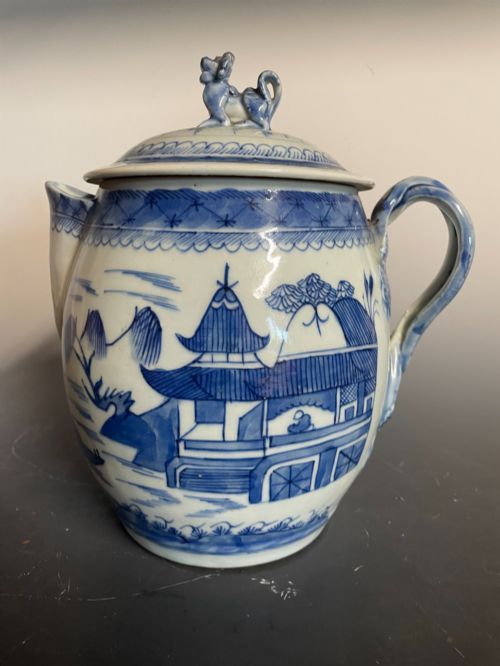
The pieces on this page originate from English factories like Worcester, Derby, and New Hall, alongside continental and Chinese export kilns. Buyers are most likely to meet eighteenth-century soft-paste milk jugs and nineteenth-century earthenware or porcelain bedroom sets among these listings.

Materials and firing methods
Potters shaped these vessels using porcelain, soft-paste porcelain, and earthenware, often applying a smooth vitreous glaze to seal the porous body. Enamel colours, gold leaf, and gilt accents were then handpainted over or under the glaze before secondary firings fixed the decoration.
Moulded details such as mask heads, dolphin handles, and fluted baluster bodies required skilled craftsmanship in the wet clay stage. Transfer printing also emerged on pieces like the Caughley mask head jugs, allowing intricate patterns to be transferred onto the curved surfaces before glazing.
White Porcelain Jug Retail Price Guide 2026
Typical asking prices for white porcelain jug among the pieces listed under this phrase on Sellingantiques today, from the lower quarter to the upper quarter. They describe what is for sale here now, not the wider market.
Listings feature porcelain pieces spanning from the seventeenth century through the Edwardian era, incorporating soft-paste porcelain, earthenware, and gold leaf.
Markers of superior execution
Quality in these vessels rests upon the crispness of the moulded relief and the delicacy of the porcelain body, where thinner walls and translucency indicate higher skill. The precision of the handpainted enamel work or underglaze blue painting further separates standard utilitarian items from exceptional collector pieces.
Proportion and balance in handles, spouts, and footrims define the better examples from this selection. Well-preserved gilding and minimal firing warp in early soft-paste pieces also elevate the standing of a vessel within its period.
Derby Porcelain·New Hall·Meissen·Doulton Burslem·Minton·Rockingham
The White Porcelain Jug Glossary
- Sparrowbeak
- A small eighteenth-century milk or cream jug characterised by a pinched, bird-like spout. This form is frequently found in early Worcester and Bow porcelain.
- Soft-paste porcelain
- An artificial ceramic composition fired at lower temperatures than true hard-paste porcelain, popular in eighteenth-century English factories. It yields a warm, creamy translucency under glaze.
- Mask head
- A decorative spout or handle terminal moulded in the shape of a human or animal face. These appear frequently on eighteenth-century English jugs.
- Kendi
- A globular drinking vessel with a spout and no handle, originating in Asia and traded globally. Examples appear in seventeenth-century Qing and Safavid styles.
- Parian ware
- A type of fine biscuit porcelain developed in the nineteenth century to imitate white marble. It was often utilised for decorative jugs and portrait busts.
White Porcelain Jug: Frequently Asked Questions
How do I use an antique cream jug safely?
Wash these fragile porcelain pieces by hand in warm water using mild soap, avoiding modern dishwashers entirely.
Keep them away from sudden temperature changes to protect the historical glaze and delicate handles from thermal shock.
What is the difference between a milk jug and a creamer?
Creamers are typically smaller vessels designed to hold thick cream for tea service, often featuring sparrow beak spouts.
Milk jugs are slightly larger in capacity to accommodate thinner dairy for larger gatherings at the table.
How can I date an eighteenth-century porcelain jug?
Examine the base for unglazed porcelain footrims, known as firing scars, which are typical of early soft-paste manufacturing methods.
Style, paste translucency, and underglaze blue painted markers offer further clues to narrow down the decade of production.
Where were washstand jugs displayed?
These larger pitchers formed part of matching washstand sets used in nineteenth-century bedrooms for morning ablutions.
They paired with large ceramic bowls on wooden washstands before indoor plumbing became standard in homes.