
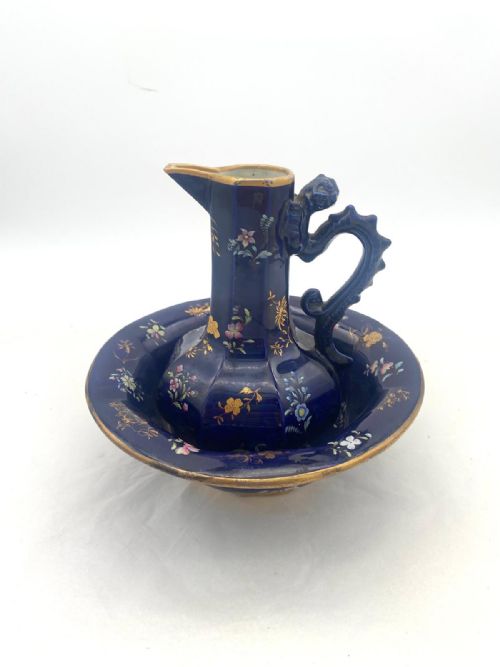
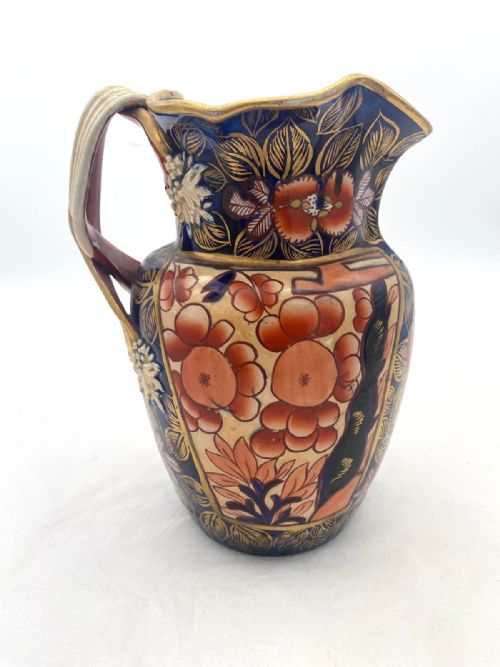
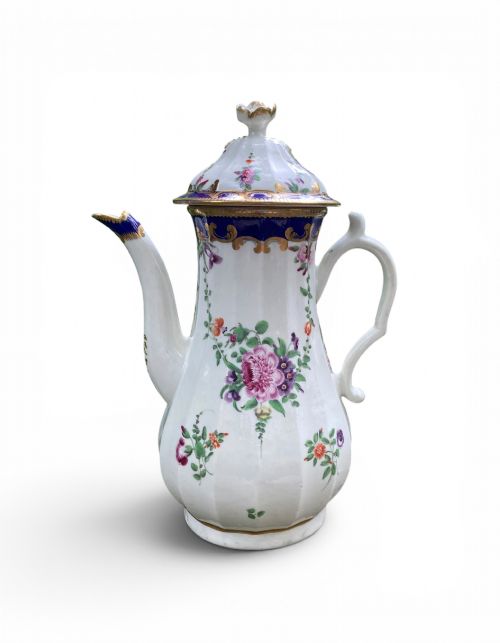
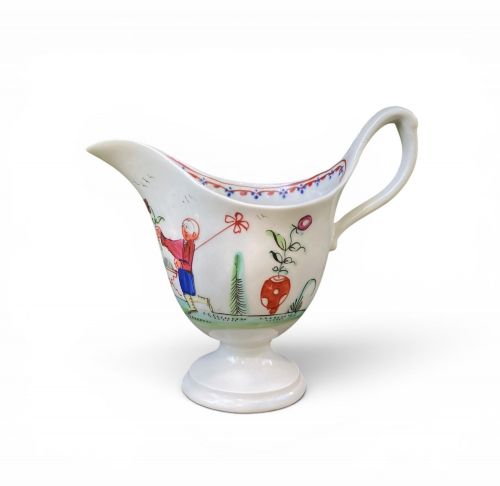


English Porcelain Pitcher
An English porcelain pitcher brings together fine ceramic craftsmanship and domestic utility across the nineteenth century.
What They Are
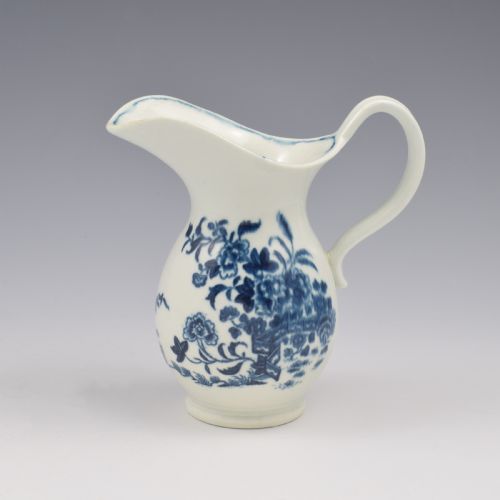
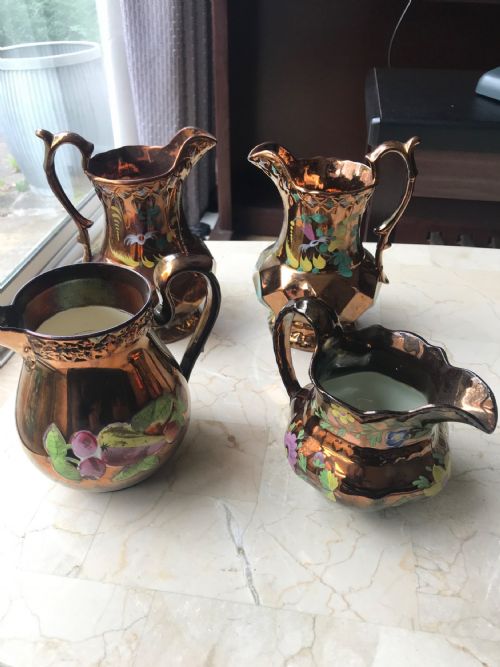
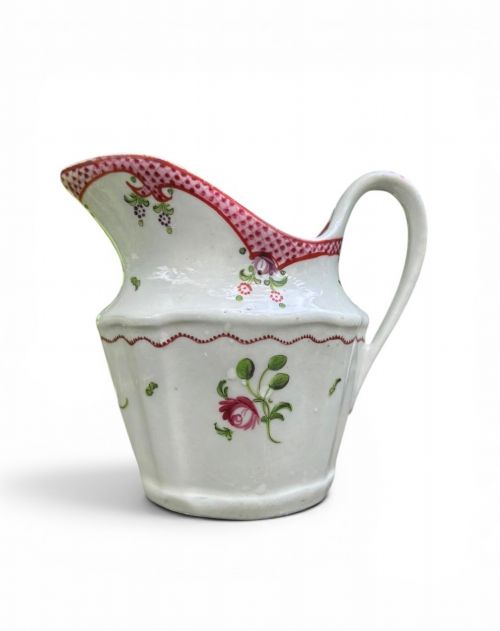
An English porcelain pitcher serves as a sophisticated vessel for water, milk, or decorative display, originating from distinct periods of British ceramic production. These pieces span the Regency era through the late Victorian period, reflecting evolving domestic tastes and table customs.
How They Were Made
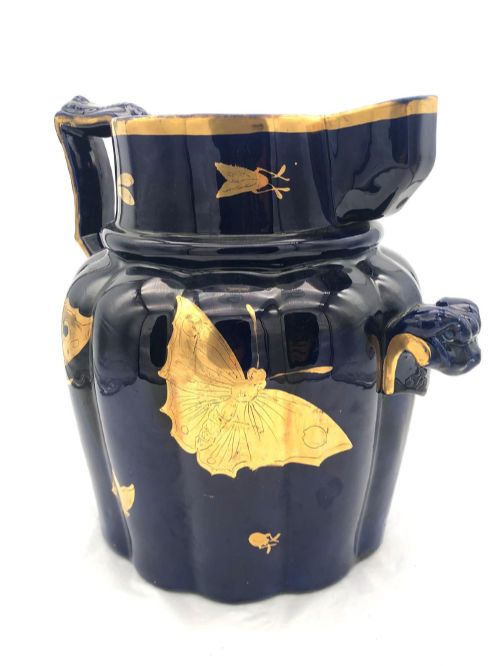
Potters shaped these vessels from fine porcelain clay before applying smooth glazes to create a durable, non-porous surface. Specialist techniques such as pâte-sur-pâte built up delicate relief designs using layers of liquid clay slip.
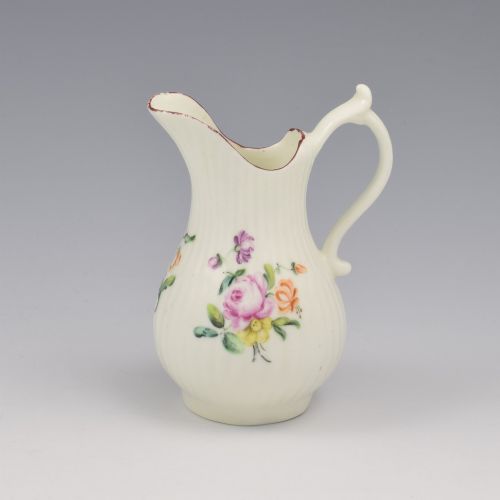
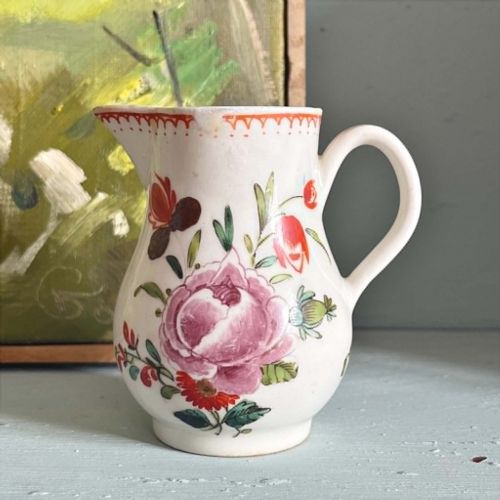
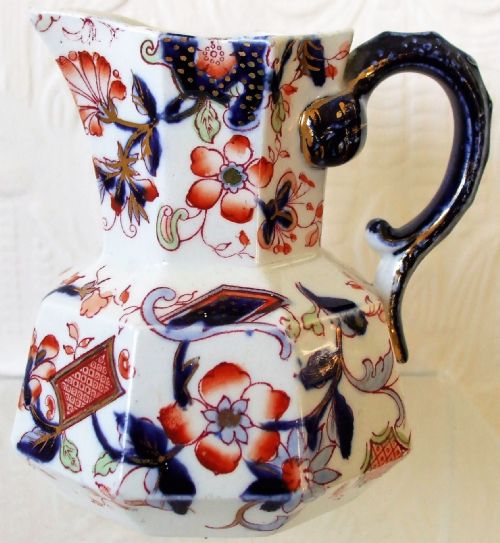
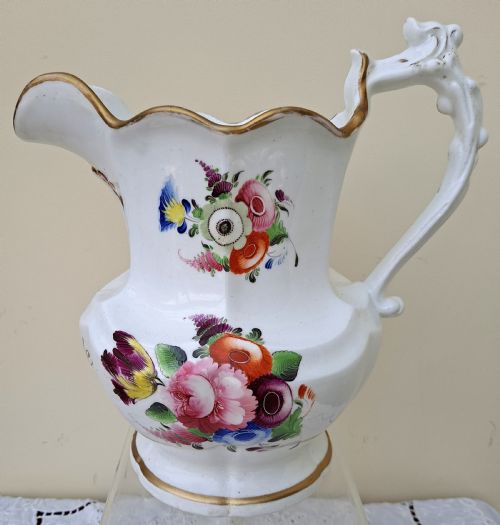
Decoration relied on skilled hand-painting with enamel colours and the application of gold gilding or gilt accents. Kiln firing fixed these metallic and mineral pigments onto the glazed body.
Current listings feature porcelain material exclusively, spanning the nineteenth century, Regency period, and nineteen hundred.
What Varies in Quality
The standard of an English porcelain pitcher depends on the precision of its modelling and the delicacy of its hand-applied decoration. Finely painted enamel details and crisp relief work distinguish superior examples from simpler production wares.
The application of gold gilding reveals the skill of the decorator, with burnished highlights showing greater care than flat, unpolished metallic finishes. The overall weight, potting symmetry, and clarity of the porcelain body further define the grade of the piece.
Samuel Alcock·Chamberlain Worcester·Royal Worcester
The English Porcelain Pitcher Glossary
- Ewer
- A large pitcher with a wide spout and elaborate handle, traditionally used for pouring water or as a decorative display piece.
- Pâte-sur-pâte
- A ceramic technique where successive layers of liquid white clay slip are built up on a coloured or contrasting ground to create a low-relief cameo effect.
- Gilding
- The application of gold leaf or powdered gold to the surface of porcelain, often fired and burnished to create a bright metallic finish.
- Regency
- An architectural and design period spanning the early nineteenth century, characterised by classical restraint and elegance.
Frequently Asked Questions
What is an English porcelain pitcher?
An English porcelain pitcher is a ceramic pouring vessel made in Britain during the nineteenth century, utilising fine paste porcelain and decorative glazes.
These pieces function as both practical tableware and decorative objects, often featuring hand-painted enamel and gilt details.
How do I date an antique pitcher?
Dating relies on stylistic markers such as Regency classical forms or Victorian revival motifs, alongside any factory marks on the base.
Materials like hand-applied gold gilding and pâte-sur-pâte decoration also point to specific manufacturing decades within the nineteenth century.
How were these pitchers used?
These vessels served practical roles on dining tables and washstands, containing water, milk, or other liquids for daily domestic service.
Larger forms, such as ewers, often functioned primarily as ornamental display pieces in affluent nineteenth-century homes.
How should I clean porcelain?
Porcelain pieces require gentle washing with lukewarm water and mild soap, avoiding abrasive sponges that might scratch the glaze.
Special care is necessary for items with exterior gold gilding or delicate enamel decoration to preserve the surface over time.