
Antique Ceramic Ewer
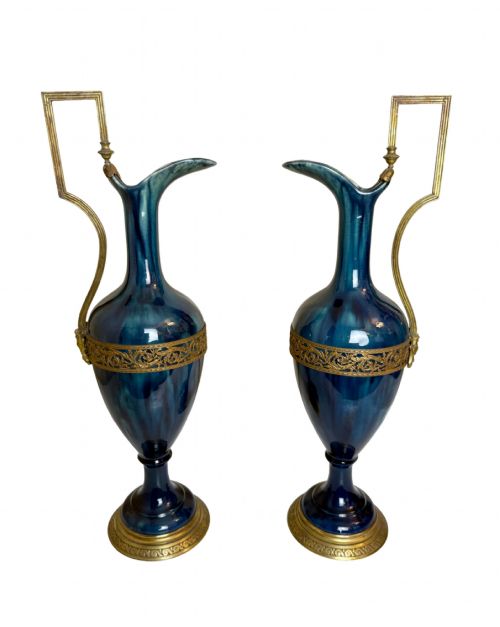
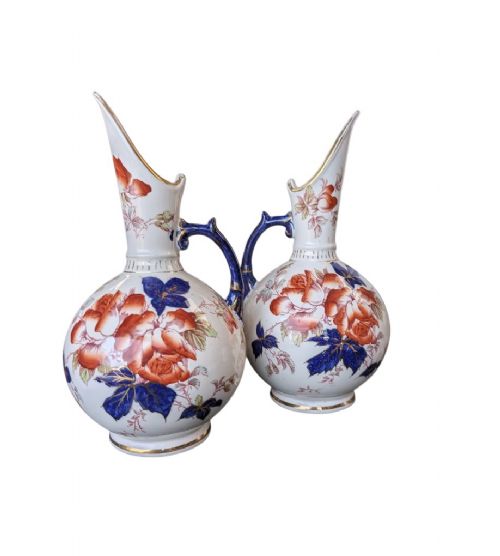
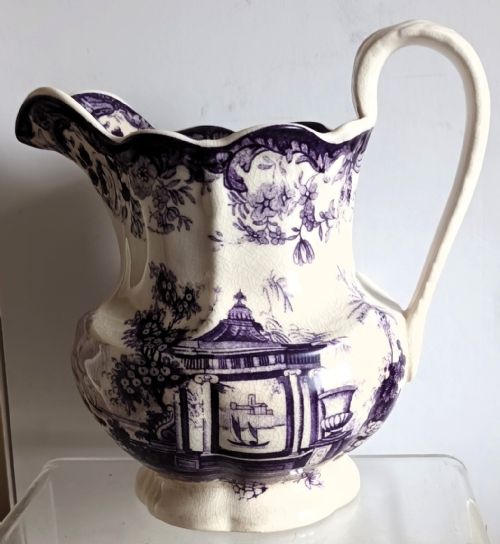
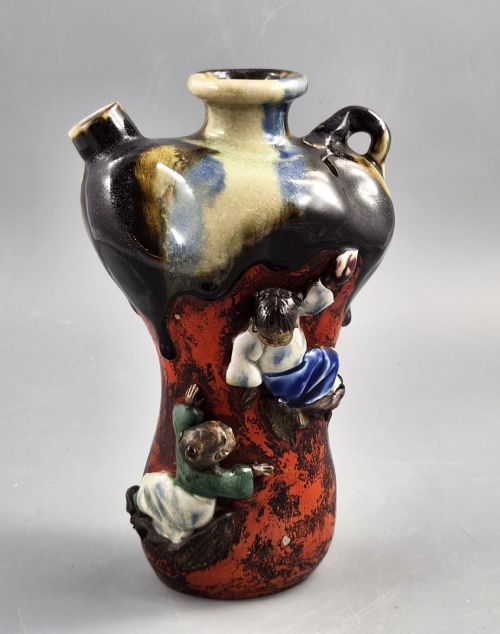
An antique ceramic ewer brings sculptural form and fluid historical design to a tabletop or sideboard.
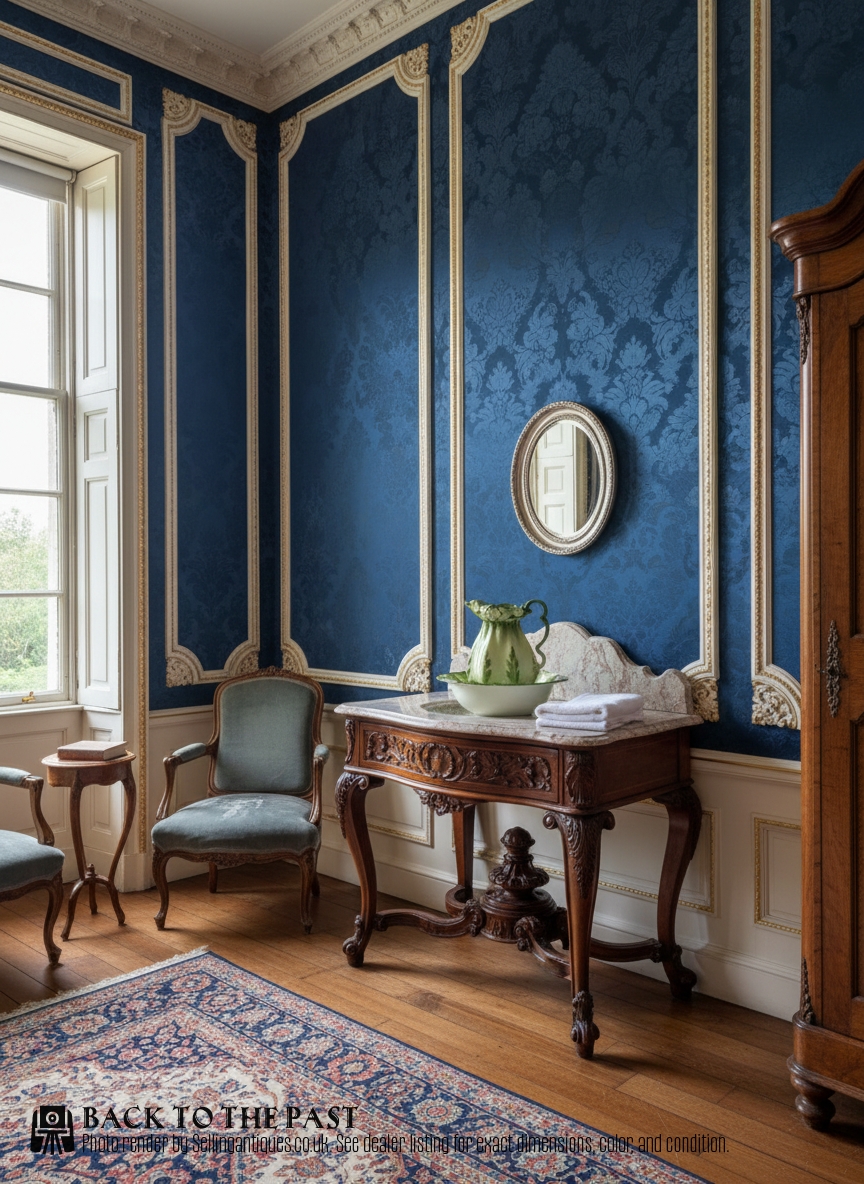
Antique Ceramic Ewer
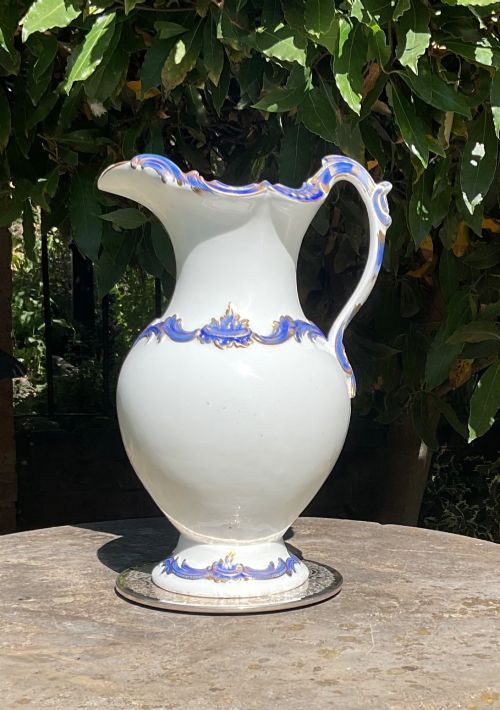
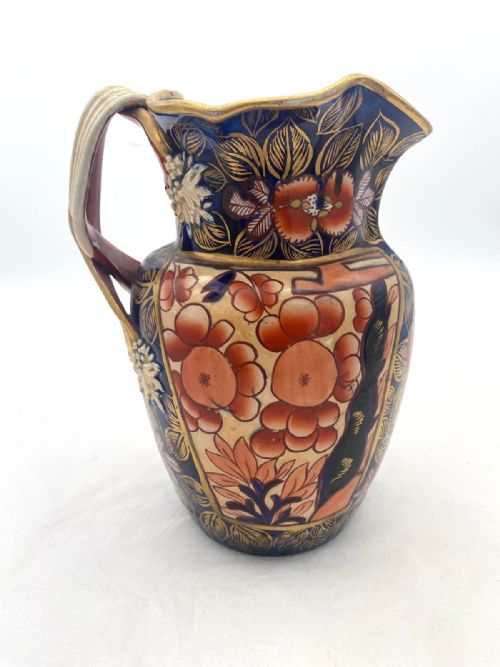
An antique ceramic ewer functions primarily as a decorative pouring vessel, though many surviving examples trace their heritage back to utilitarian jugs, pitchers, and washbasin sets. These pieces span the 18th century, the Georgian era, the Victorian period, and the early 20th century.
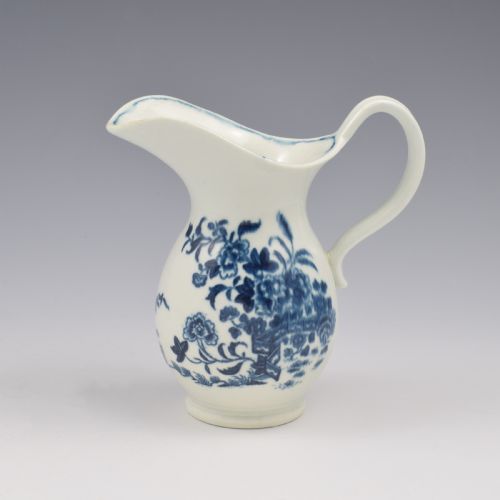
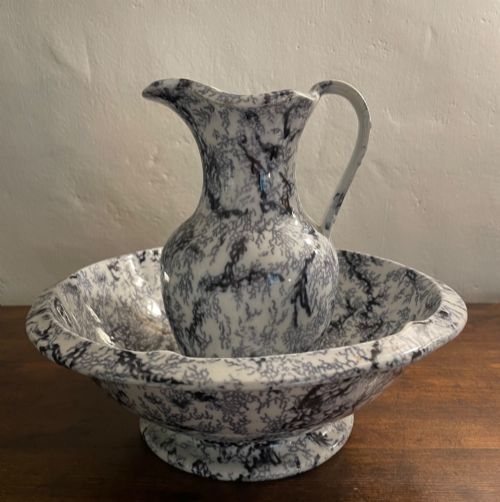
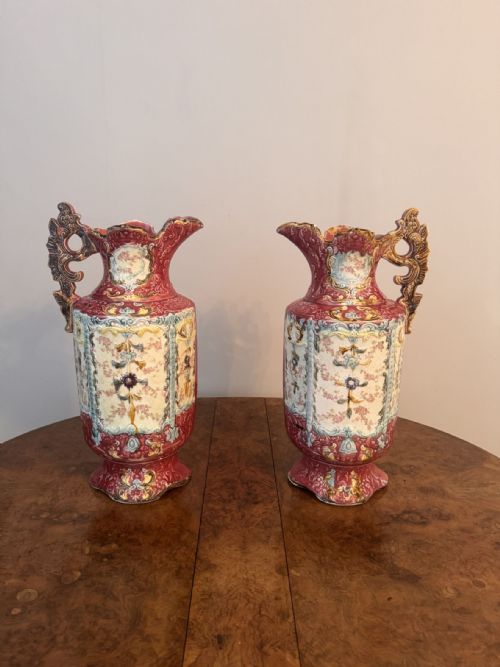
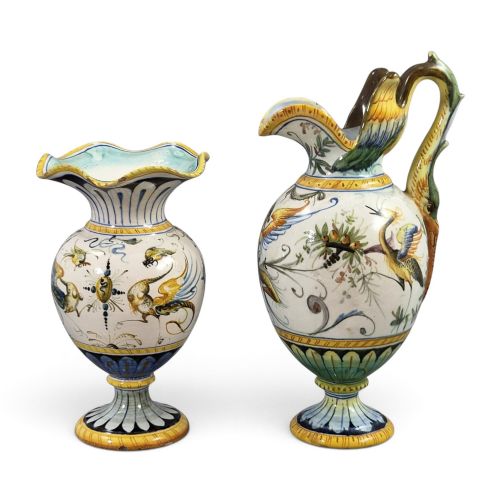
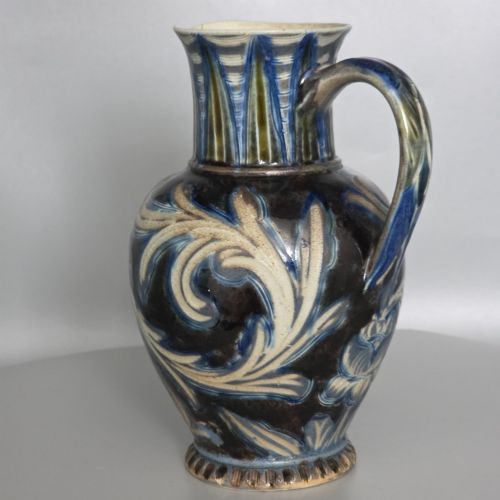
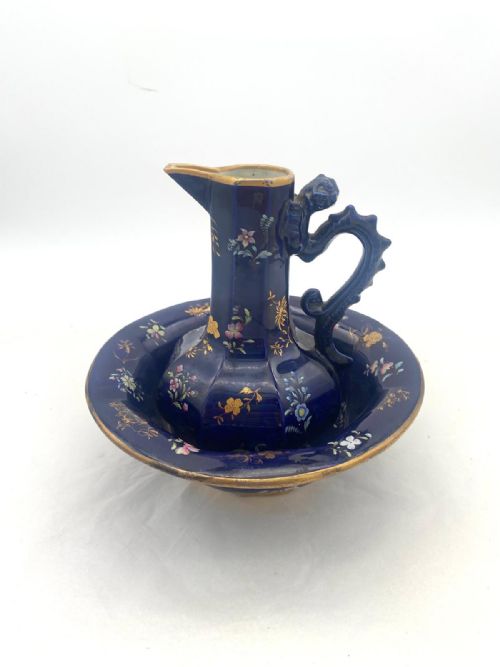
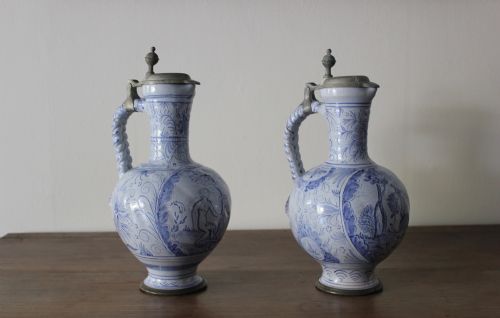
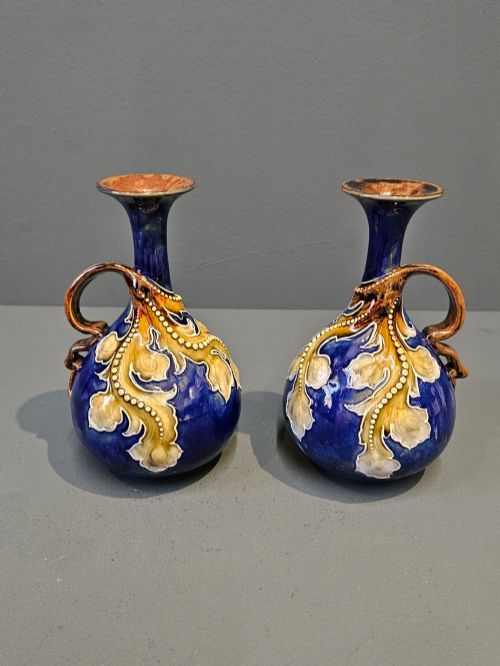
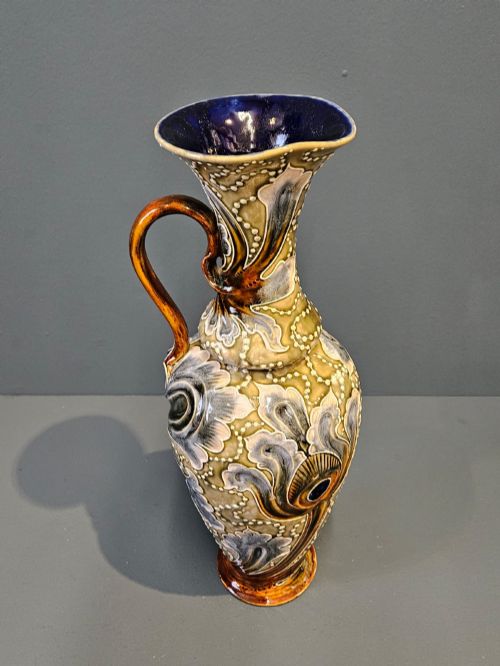
The selection ranges from porcelain water jugs and ironstone wash vessels to majolica majordomos, salt-glazed stoneware pitchers, and delicate Japanese or Chinese porcelain forms. Buyers frequently encounter matched pairs, large decorative display ewers, and complete bathroom basin sets.
Makers and factories across England, continental Europe, and Asia shaped these vessels into distinct revivalist and regional styles, incorporating everything from classical motifs to oriental-inspired transfer prints.
Materials and Construction
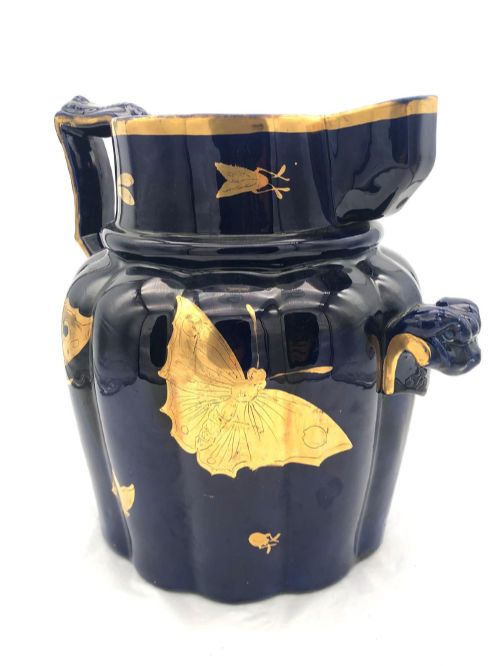
Potters utilised materials such as fine porcelain, robust ironstone, earthenware, and salt-glazed stoneware, often enhancing the ceramic bodies with enamel, gold leaf, and rich gilt trim. Glazes range from soft blue transfer prints and cobalt blue grounds to Majolica and Faience colour palettes.
Techniques varied from slip casting and moulding to intricate hand-painting, reticulation, and applied ornamentation like grotesque handles and dolphin motifs. Firing methods dictated the durability of the body, allowing heavy kitchen and bathroom ironstone to survive alongside translucent cabinet porcelain.
Antique Ceramic Ewer Retail Price Guide 2026
Typical asking prices for ceramic ewer among the pieces listed under this phrase on Sellingantiques today, from the lower quarter to the upper quarter. They describe what is for sale here now, not the wider market.
Keep an eye out for ewers featuring eccentric handles shaped as leaping dolphins, fierce dragons, or grotesque creatures ready to pour.
Distinctions in Quality
Quality rests upon the crispness of the moulding, the dexterity of the hand-painted or transferred decoration, and the preservation of any gilding or enamel work. Finer ewers exhibit balanced proportions, sharply defined handles, and careful control during the high-temperature kiln firing.
Substantial ironstone and porcelain bodies display uniform glazing without heavy pooling or pitting, while lesser pieces often show dull transfer alignment or muddy colour application. The prestige of the decorating studio or factory significantly influences the refinement of the finished vessel.
Masons Ironstone·Doulton Lambeth Ware·Royal Worcester·Simon Peter Gerz
The Antique Ceramic Ewer Glossary
- Ewer
- A large jug or pitcher with a wide spout and a handle, traditionally used for holding water or wine.
- Ironstone
- A dense, durable type of earthenware patented in England during the early 19th century to mimic porcelain.
- Majolica
- A heavy earthenware pottery coated in an opaque tin glaze and painted with bright metallic oxide colours.
- Transfer printing
- A method of applying a detailed pattern to ceramics by pressing a printed paper sheet onto the glazed or biscuit surface.
- Reticulation
- An openwork ceramic technique where portions of the vessel wall are cut away before firing to create a lace-like pattern.
Antique Ceramic Ewer: Frequently Asked Questions
What were antique ceramic ewers used for?
These vessels served practical roles as water pitchers, wine servers, and components of washbasin sets in bedrooms before modern indoor plumbing.
Over time, many transitioned into purely decorative display pieces, prized for their sculptural handles and painted surface scenes.
How do I date an antique ewer?
Dating relies on identifying factory backstamps, ceramic body types like ironstone or salt-glazed stoneware, and the prevailing decorative style of the period.
Victorian pieces often feature bold relief moulding or transfer prints, whereas 18th-century examples display hand-painted oriental or botanical motifs.
Can I use an antique ewer for serving liquids?
While many ewers were built to hold water, antique ceramic bodies and historical glazes can be delicate and sensitive to thermal shock.
It is generally wiser to reserve these vessels for dry display or as standalone decorative objects rather than active kitchen service.
How should I clean my ceramic ewer?
Dusting gently with a dry, soft cloth preserves delicate overglaze enamels, gilt trim, and fragile spouts.
Harsh chemical cleaners and immersion in water should be avoided, particularly if the piece exhibits historical repairs or delicate reticulation.