
Victorian Water Pitcher
A Victorian water pitcher brings nineteenth-century craftsmanship directly to the table, offering both decorative charm and practical service.
What these water pitchers are
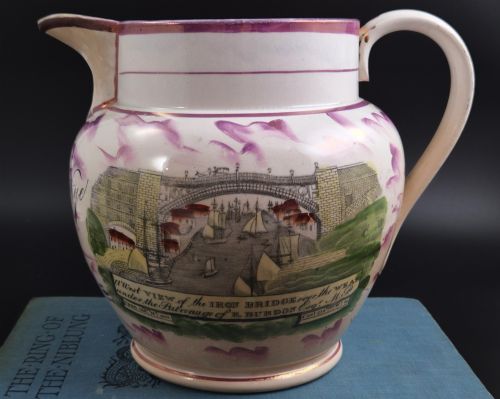
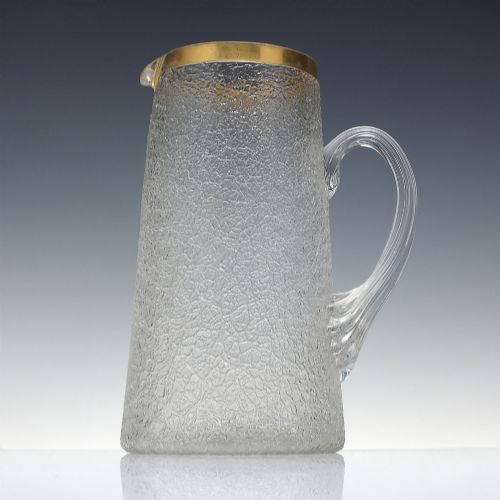
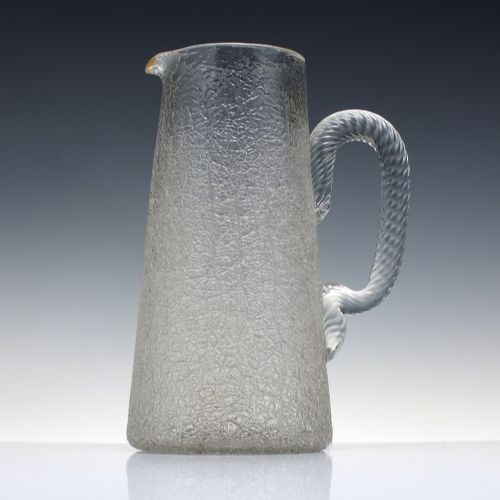
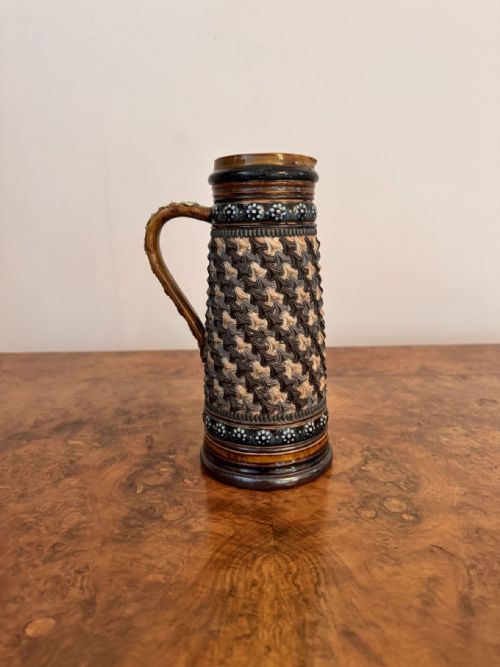
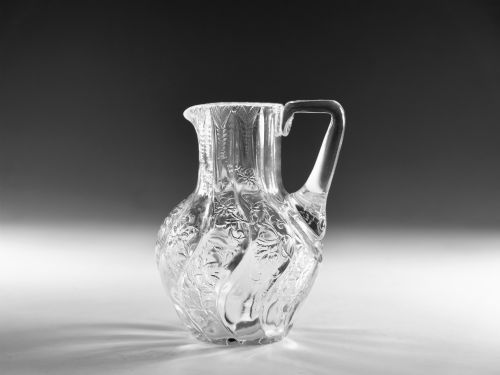
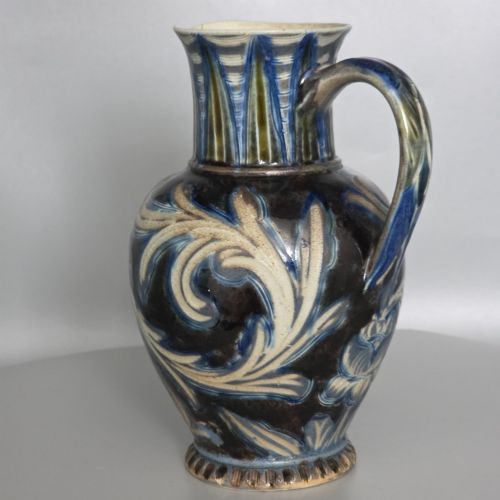
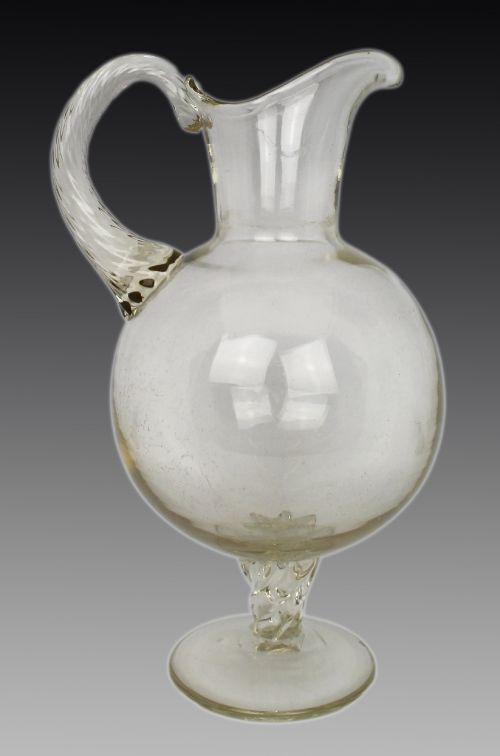
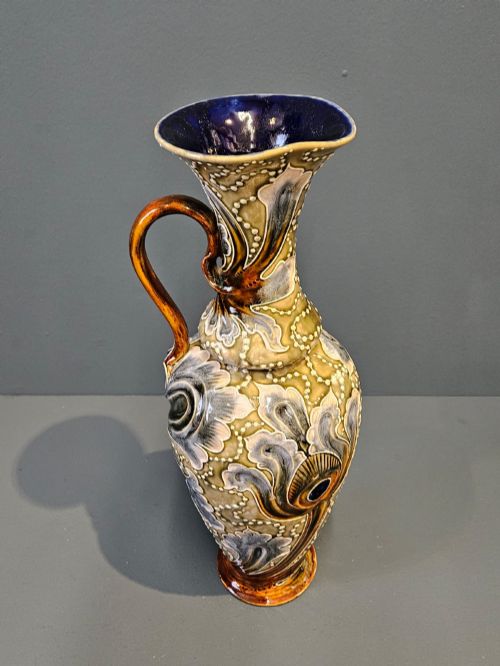
A Victorian water pitcher encompasses nineteenth-century jugs and pitchers designed for practical table service and decorative display. The pieces recorded here span earthenware, ironstone, pewter, enamel, and glass, reflecting the diverse domestic needs of the period.
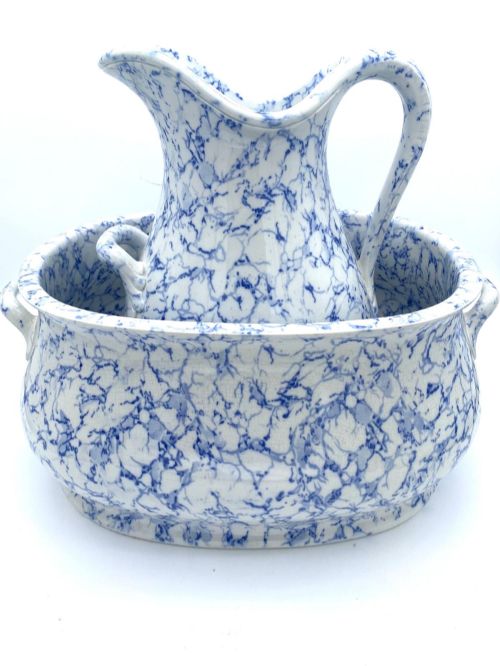
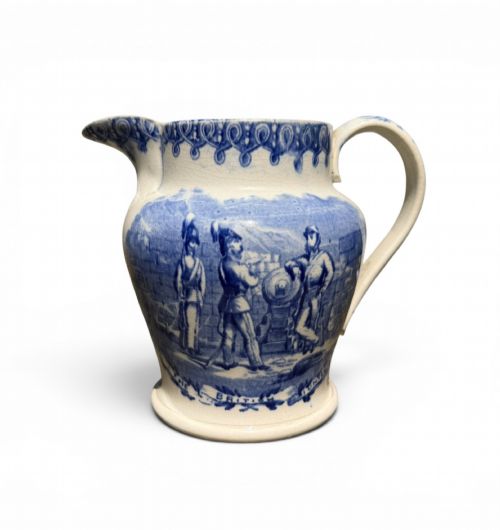
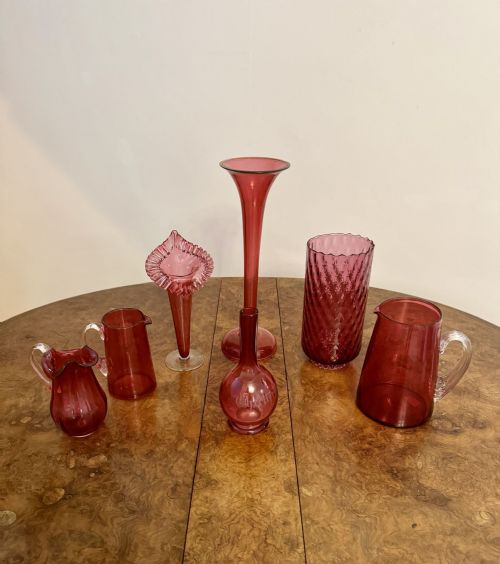
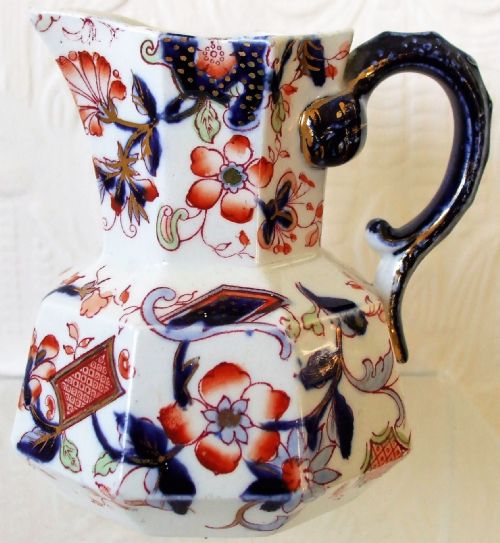
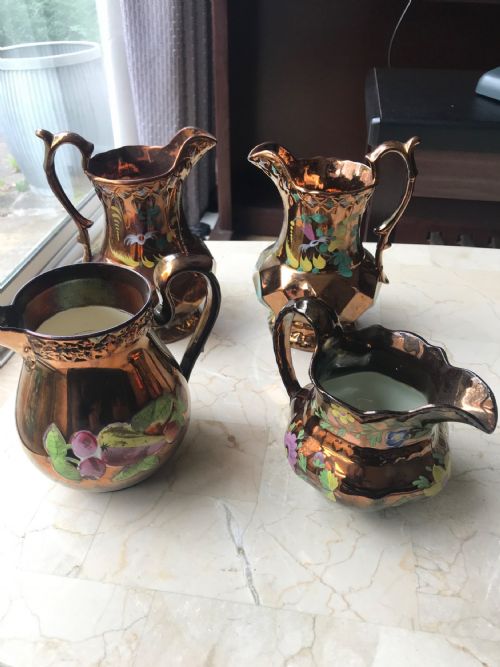
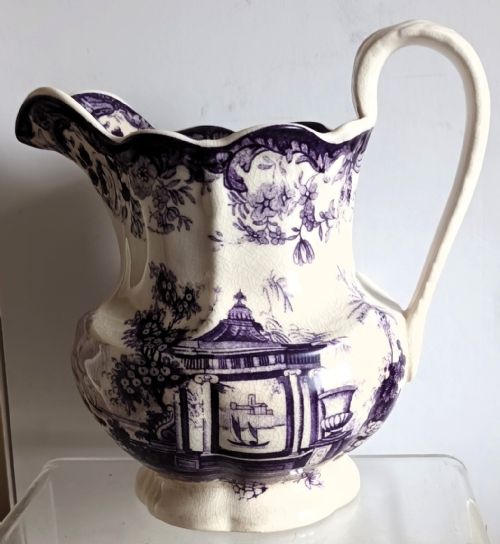
Among the variations available, buyers frequently encounter ceramic pieces featuring flow blue decoration or moulded relief patterns, alongside vibrant cranberry glass vessels. These jugs range from utilitarian earthenware to ornate decorative glassware intended for formal dining.
How they were made
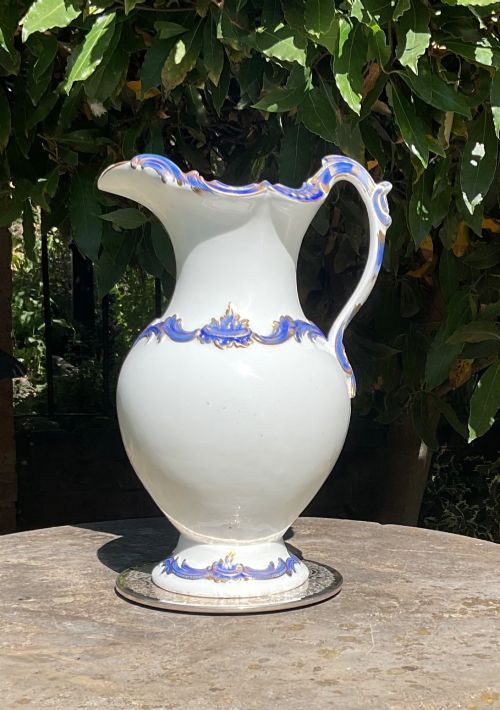
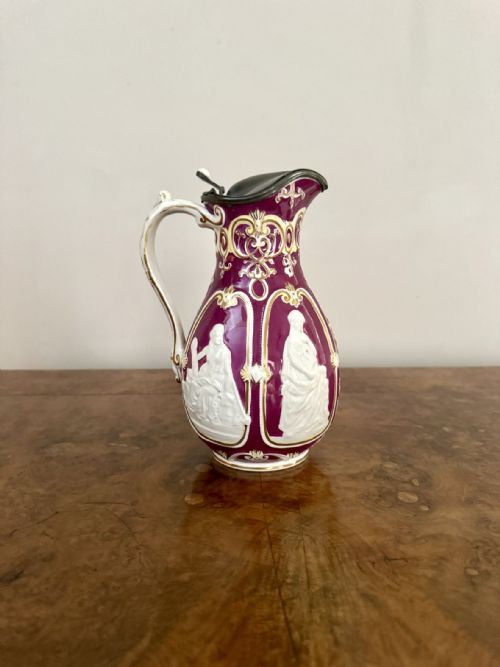
Potters utilised earthenware and ironstone, shaping the clay through moulding before applying coloured glazes such as flow blue or incorporating gold leaf details. Some ceramic examples include fitted metal components like pewter lids attached to handle mounts.
Glassmakers worked with cranberry glass, shaping molten material into jugs and matching bowls through blowing and hand-finishing techniques. Metalware production involved silver plating over base metals, as seen in substantial pieces from firms like Elkington.
Retail Price Guide 2026
Typical UK retail prices for victorian water pitcher, calculated from the Sellingantiques database of over a million retail prices indexed since 2003. This retail price guide relies exclusively on Sellingantiques data; no external sources or auction records are used, so the figures do not describe the wider market.
Listed objects span decorative glassware, water jugs, and matching jug and bowl sets from the Victorian period.
What varies in quality
Quality rests in the crispness of the relief moulding and the richness of the glaze application, where deep cobalt flow blue or intense cranberry colour saturation distinguishes finer examples. The integration of secondary materials, such as heavy pewter lids or delicate gold leaf detailing, elevates the execution.
Substantial weight in ironstone or glass indicates robust manufacturing, while precise execution in decorative glass painting, such as the white enamel figures associated with Mary Gregory designs, separates standard production from superior work.
N.W.P. Co.·Masons·Mary Gregory·Elkington
The Victorian Water Pitcher Glossary
- Flow blue
- A cobalt blue printing style where the colour blurred slightly into the white glaze during firing. This technique created a soft, misty effect highly characteristic of mid-nineteenth-century ceramics.
- Ironstone
- A heavy, durable type of earthenware patented in the nineteenth century to rival true porcelain. It provided a strong body suitable for everyday domestic pitchers.
- Cranberry glass
- A rich red glass coloured by the addition of gold chloride to the molten batch. It became immensely popular during the Victorian era for glassware sets.
- Relief-moulded
- A manufacturing method where raised patterns were pressed directly into the body of the jug during forming. This added tactile decoration beneath the glaze.
- Silver plate
- A layer of silver fused to a base metal substrate, often utilised on larger nineteenth-century serving vessels. It offered the appearance of solid silver at a lower cost.
Frequently Asked Questions
What is a Victorian water pitcher used for?
These pitchers served primarily for holding and pouring water at the dining table during the nineteenth century. They also functioned as decorative display items on sideboards or washstands.
Today, collectors utilise them as flower vases, display centrepieces, or functional pitchers for modern gatherings.
Are these pitchers safe for daily use?
While many ceramic and glass pitchers remain structurally sound, older materials require careful handling. Silver-plated and antique glass items benefit from hand washing rather than automated dishwashers.
Checking for stability in handles and fitted lids ensures safe everyday service.
What materials were commonly used?
Victorian makers utilised a wide variety of materials depending on the intended function of the vessel. Earthenware, ironstone, and glazed ceramic formed the basis of most utility jugs.
Glassmakers produced decorative cranberry glassware, while metalworkers used pewter and silver plating for durable serving pieces.