
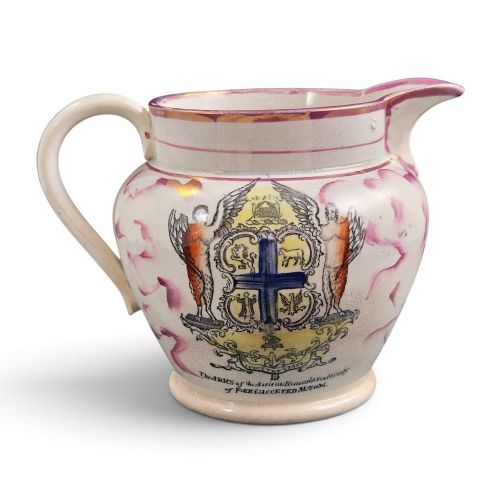
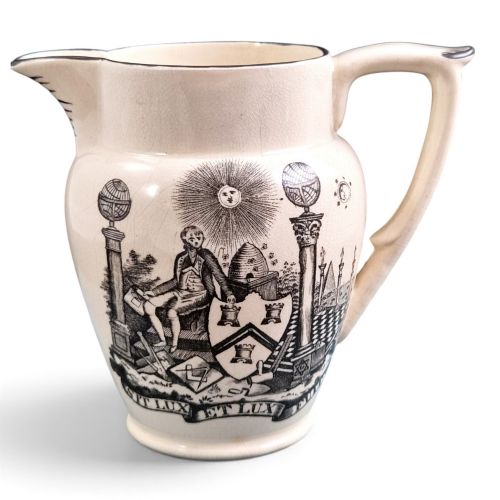
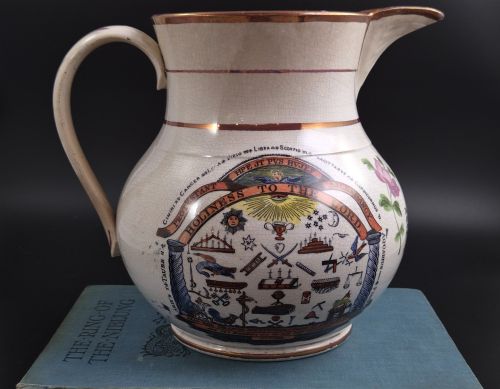
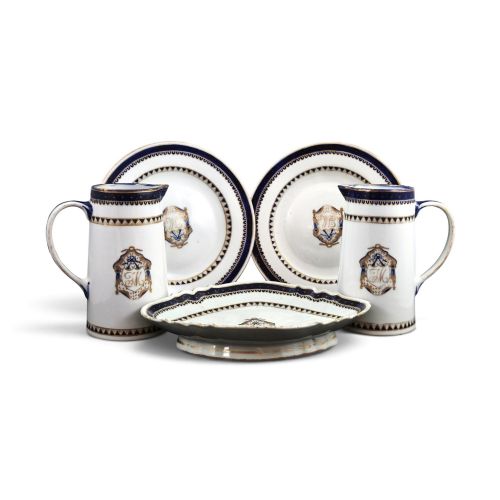
Cream Ceramic Jug
These cream ceramic jug pieces bring utility and period charm to a table, offering collectors a tangible piece of domestic history.
What They Are
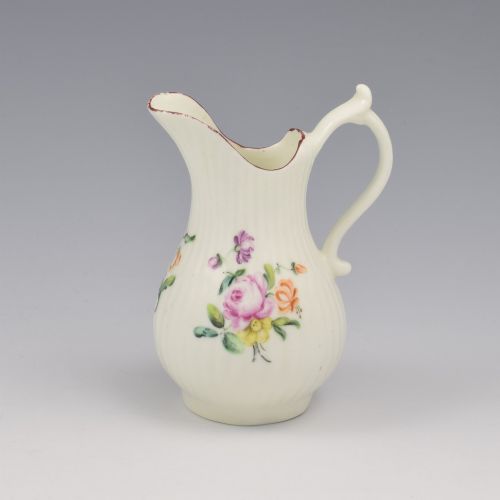
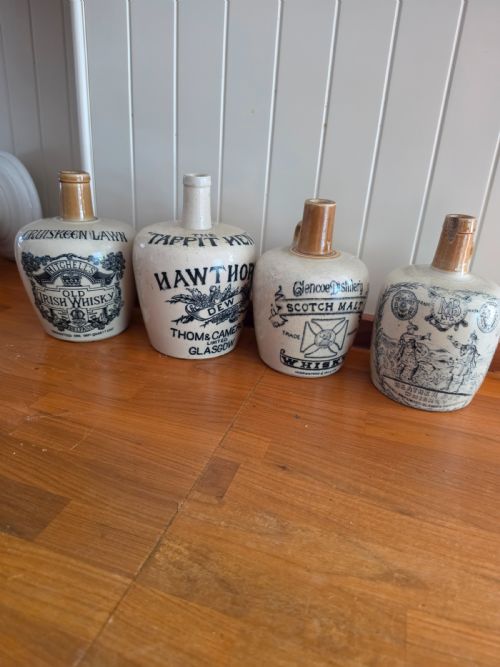
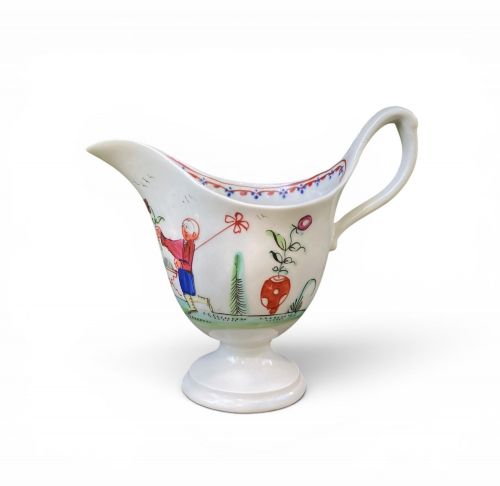
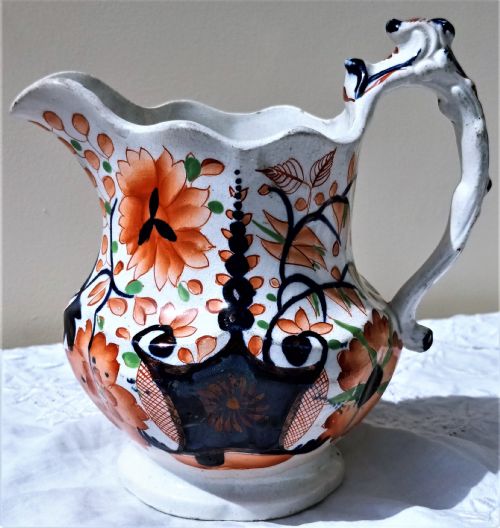
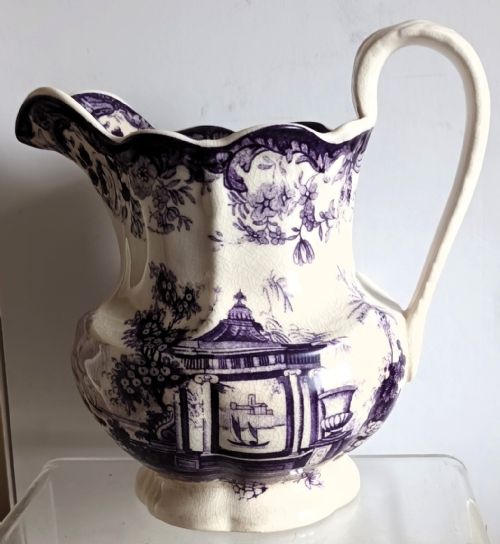
When you search for a cream ceramic jug, you examine vessels designed for the table that span the nineteenth and twentieth centuries. These forms include domestic pitchers and commemorative tableware produced across various eras.
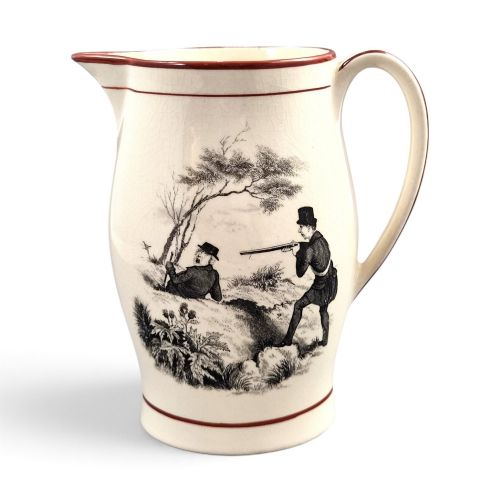
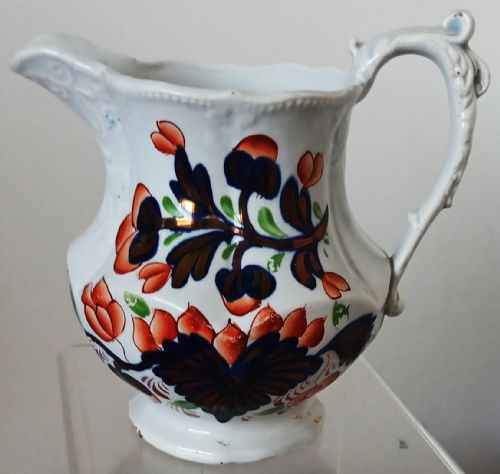
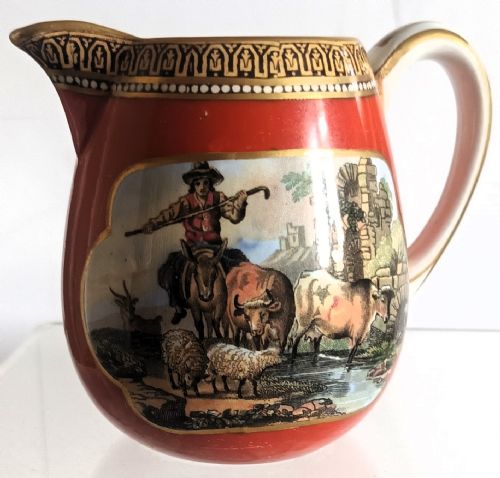
The pieces on this page encompass nineteenth century earthenware and Victorian examples, alongside later twentieth century creations from the art deco period. Standard forms function as utility tableware, whilst others carry relief moulding or commemorative decoration.
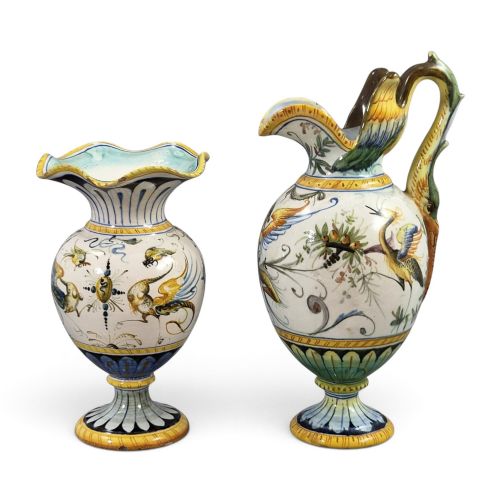
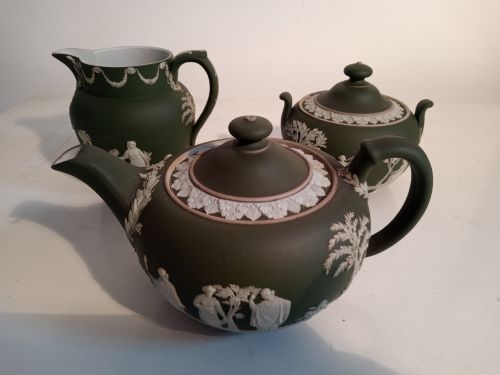
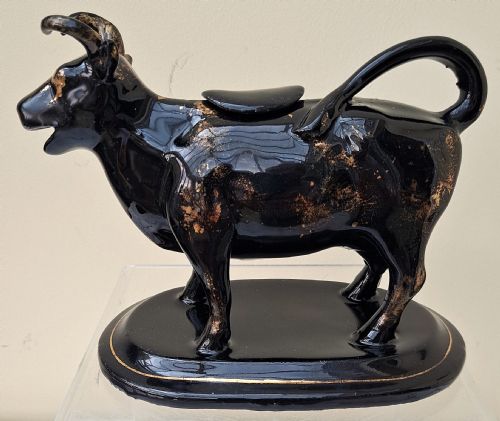
Origins range from Staffordshire potteries to northeast workshops and firms such as Wedgwood. Buyers encounter everything from simple earthenware creamware style vessels to polychrome commemorative jugs and glazed ceramic animal forms.
How They Were Made
Makers utilised ceramic materials including earthenware, stoneware, and creamware bodies shaped into jugs and pitchers. Relief moulding techniques created raised surface decoration on pieces like those from Jones and Walley.
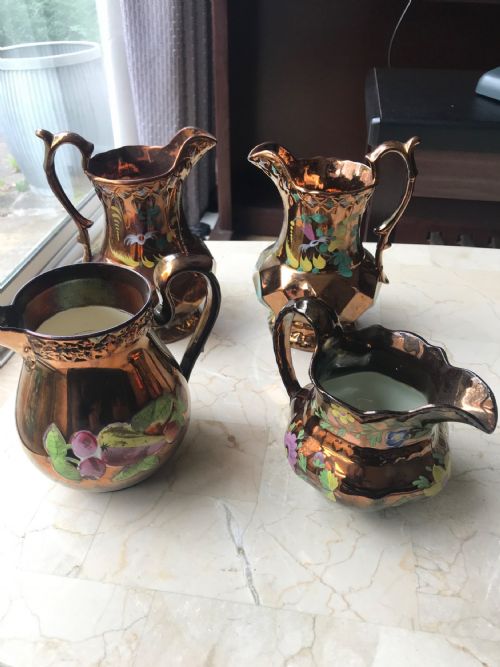
Surfaces received finishes such as standard glaze, polychrome painting, and metallic lustre glaze. Production methods combined traditional potting with period specific glazing processes to achieve durability and visual appeal.
Listings feature materials such as earthenware, stoneware, and metallic lustre glaze across the nineteenth and twentieth centuries.
What Varies in Quality
Quality rests in the crispness of the relief moulding and the control evident in the application of polychrome pigments and metallic lustre glazes. Finer pieces display sharper definition in their modelled details and smoother ceramic surfaces.
The distinction between standard utility tableware and top tier examples lies in the artistic execution of designs by known designers and potteries. Better examples maintain cleaner glaze finishes and more sophisticated decorative schemes.
Jones And Walley·Wedgwood By Keith Murray·N W P Co
The Cream Ceramic Jug Glossary
- Earthenware
- A porous pottery body fired at lower temperatures, commonly used for historical domestic jugs. It requires a glaze to hold liquids.
- Relief Moulded
- A manufacturing technique where the clay body is pressed into a mould to create raised surface patterns. This method appears on nineteenth century tableware.
- Metallic Lustre Glaze
- A ceramic finish incorporating metallic elements that produce a reflective, iridescent sheen. It highlights decorative contours on period vessels.
- Creamware
- A refined light coloured earthenware developed in the eighteenth century. It forms the basis for many traditional cream jugs.
- Polychrome
- Decoration employing multiple distinct colours painted onto the ceramic body. This style often appears on commemorative pieces.
Frequently Asked Questions
How do I date a cream ceramic jug?
Dating relies on stylistic markers, maker marks, and manufacturing materials recorded in the evidence. Pieces spanning the nineteenth and twentieth centuries exhibit distinct period traits.
Examination of the glaze type and forming technique further helps separate Victorian examples from later art deco productions.
Were these jugs used daily?
Many examples served practical roles as utility tableware in domestic settings for holding liquids and cream. Their durable ceramic construction suited them for everyday household tasks.
Other variations, such as commemorative or highly decorated pieces, likely served display purposes rather than heavy daily use.
What materials make up these jugs?
The inventory records pieces made primarily from earthenware and stoneware bodies. These are finished with standard glazes, metallic lustre, or polychrome decoration.
Some items reflect creamware traditions, utilising refined clay preparations to achieve a pale, uniform base colour.
How should I clean my jug?
Care requires gentle hand washing with mild soap and warm water to protect the historic glaze and ceramic body. Avoid abrasive scrubbers that might damage metallic lustre or polychrome pigments.
Historical pieces appreciate careful handling to preserve their surface integrity over time.