
Antique Staffordshire Jug
An antique staffordshire jug brings character and bold earthenware form to a room, offering the appeal of traditional pottery.
What these pieces are
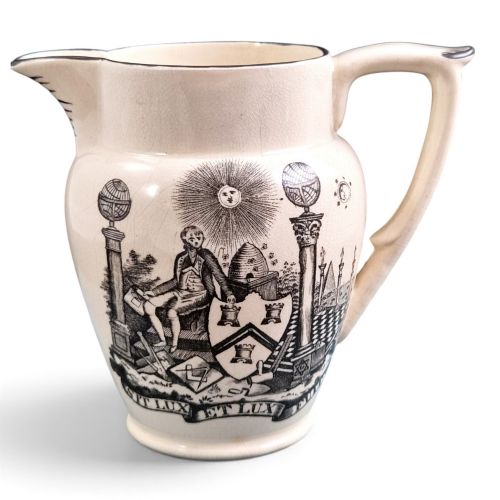
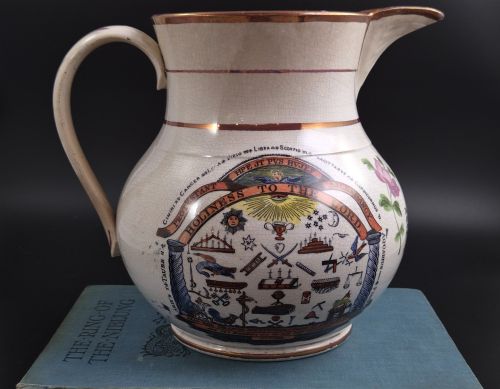
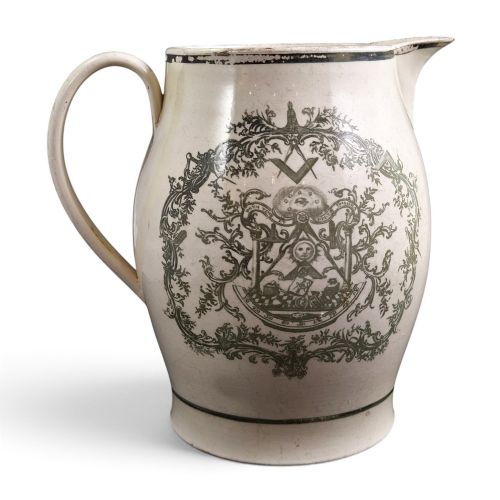
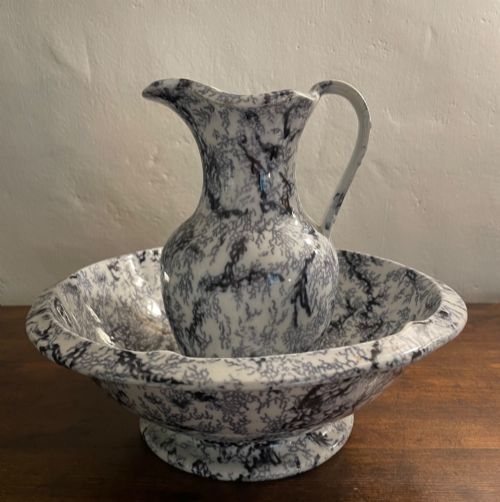
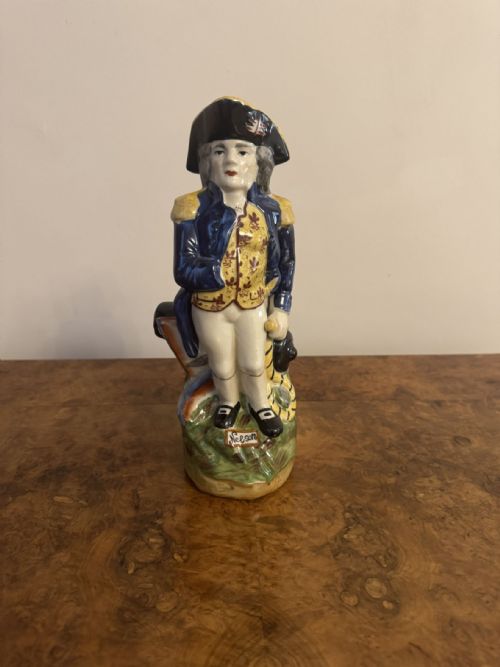
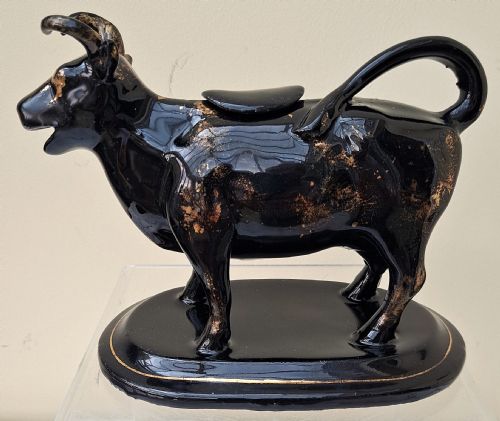
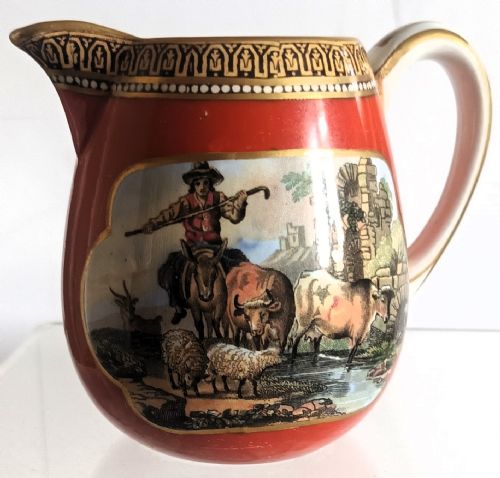
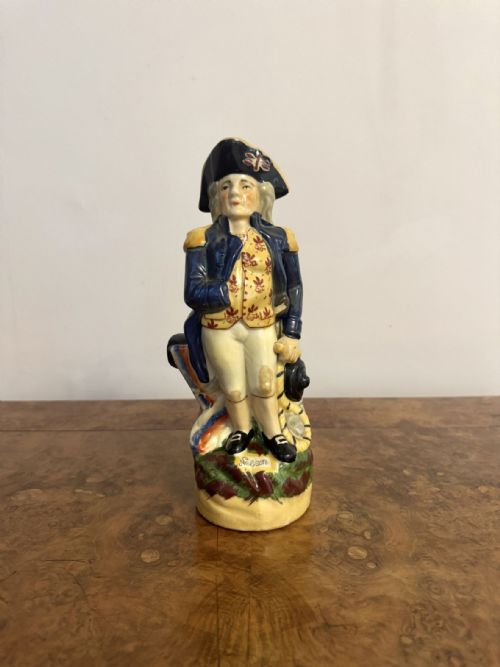
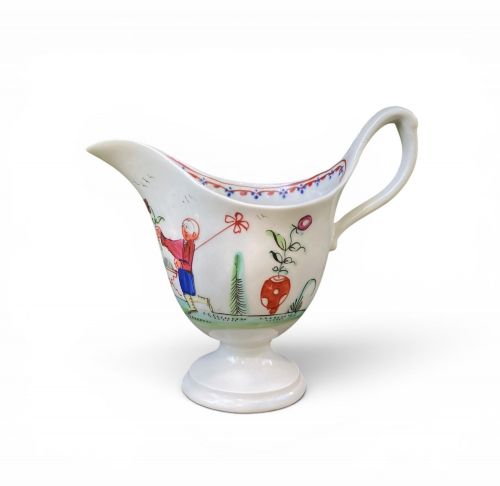
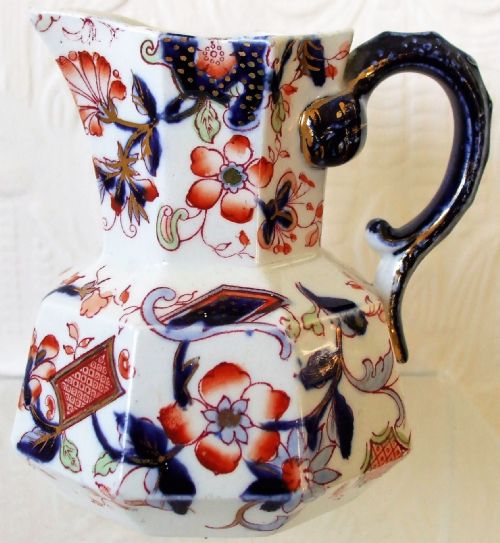
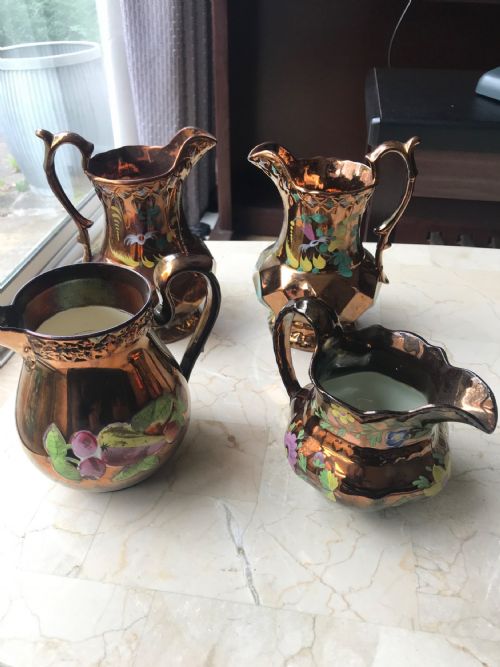
An antique staffordshire jug encompasses a variety of earthenware and stoneware vessels produced across the nineteenth century. The selection includes transfer-printed designs, relief-moulded jugs, and character Toby jugs depicting figures like Mr Snuff and Lord Nelson.
Buyers frequently encounter Victorian examples featuring rich glazes, alongside earlier Georgian pieces. Forms range from standard pouring pitchers to figural milk jugs and spaniel designs.
The regional potteries of Staffordshire produced these items for everyday utility and display. Their enduring appeal lies in the narrative scenes and robust ceramic construction.
How they were made
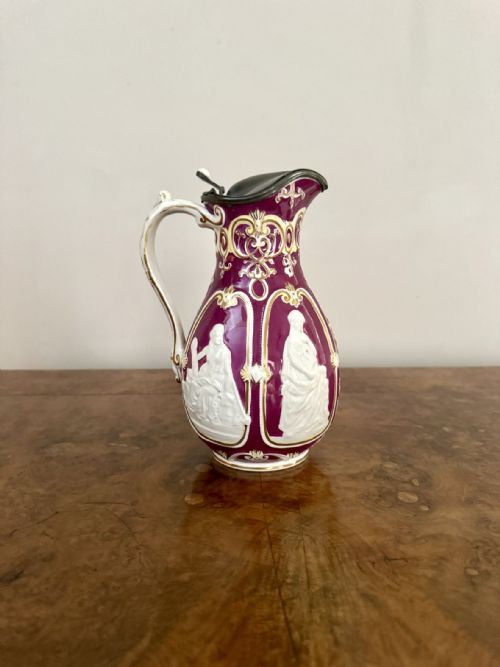
Potters utilised local earthenware and stoneware clays, shaping them through throwing or pressing into moulds. Relief-moulded pieces required precise metal moulds to achieve sharp, raised decorative details.
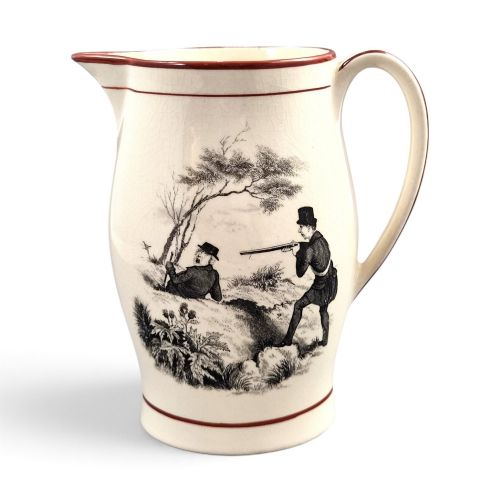
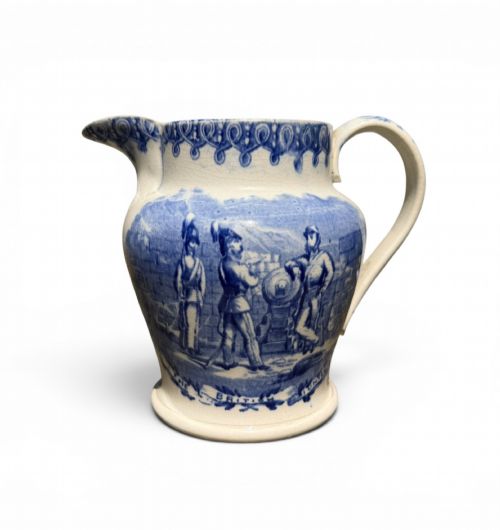
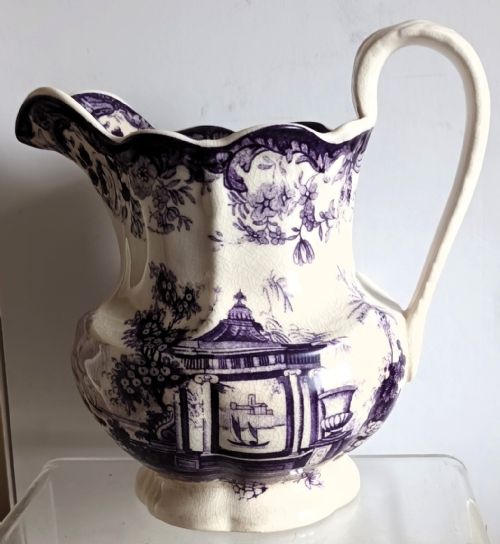
Surfaces were finished with colourful glazes or decorated using magenta, blue, and red transfer printing techniques. Opaque china and stone china variations provided alternative ceramic bodies with distinct weight and durability.
Listings feature earthenware and stoneware ceramics from both the Georgian and Victorian eras.
What varies in quality
The depth and clarity of transfer printing separate standard domestic wares from finer productions. Intact glazes and well-preserved ceramic bodies without heavy firing distortions mark the better specimens.
Charles Meigh·Jones and Walley·Mayer and Newbold
The Antique Staffordshire Jug Glossary
- Earthenware
- A porous pottery fired at lower temperatures. It requires a vitreous glaze to hold liquids.
- Stoneware
- A dense ceramic fired at higher temperatures until vitrified. It is impermeable to water even without glaze.
- Transfer printing
- A method of applying detailed designs to pottery. Paper prints are taken from engraved copper plates and transferred to the ceramic surface before firing.
- Relief-moulded
- A technique where raised patterns are pressed directly into the clay body using carved moulds.
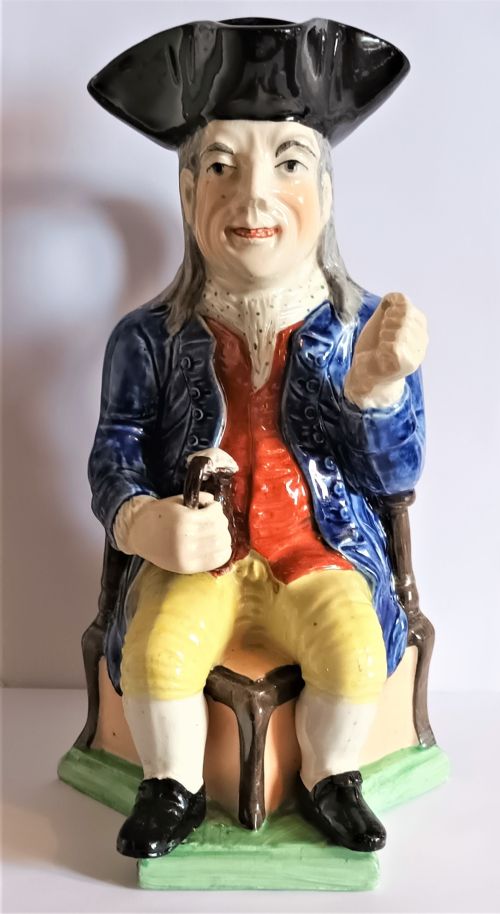
- Toby jug
- A pottery jug shaped as a stout, jovial person wearing a tricorn hat. They often depict historical figures or caricatures.
Frequently Asked Questions
What is a Toby jug?
A Toby jug is a pottery vessel depicting a seated person, traditionally holding a mug of beer and a pipe. They often feature removable hats that serve as small drinking cups.
These pieces were popular in British households and pubs during the Georgian and Victorian periods, combining utility with humour.
How do I date a Staffordshire jug?
Dating relies upon stylistic clues, ceramic bodies, and registration marks where present. Nineteenth-century pieces often show specific transfer colours and relief-moulding patterns typical of Victorian design.
Comparing the base, glaze texture, and known potter marks helps narrow down the decade of manufacture.
Were these jugs used daily?
Many staffordshire jugs served practical roles for pouring milk, water, or beer at the table. Figural and decorative pieces might have spent more time displayed on mantelpieces or dressers.
Their robust earthenware and stoneware construction made them suitable for regular household tasks.
How do I clean an antique jug?
Cleaning requires gentle dusting with a soft, dry cloth to protect the antique glaze. Water and harsh chemical cleaners should be avoided, especially on pieces with old repairs or delicate transfer printing.
Proper handling prevents accidental wear to the ceramic surface and preserves the historical finish.