


19th Century Ceramic Jug
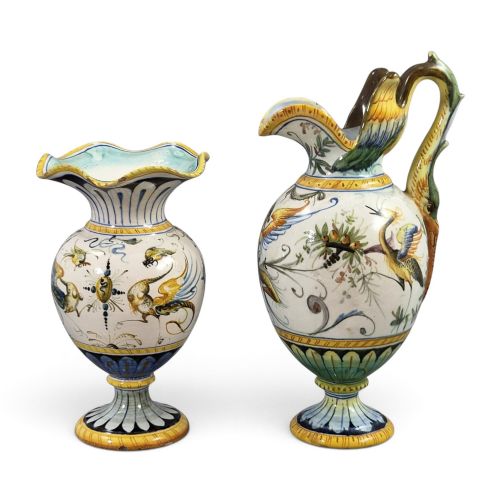
These 19th century ceramic jugs are honest vessels of earthenware and porcelain that bring real nineteenth-century craft into daily service.
What these pieces are
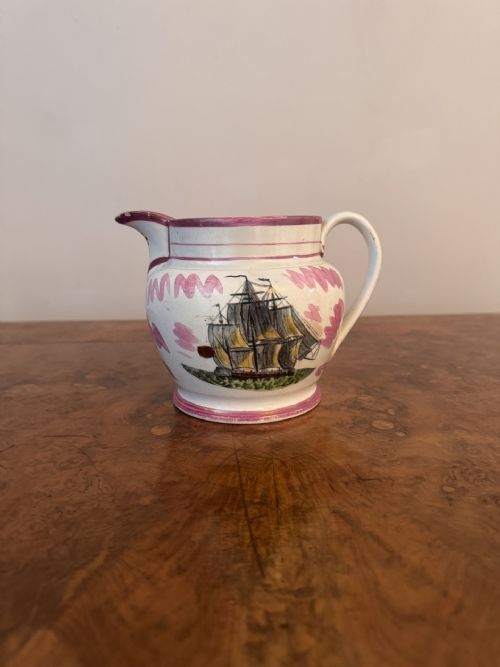
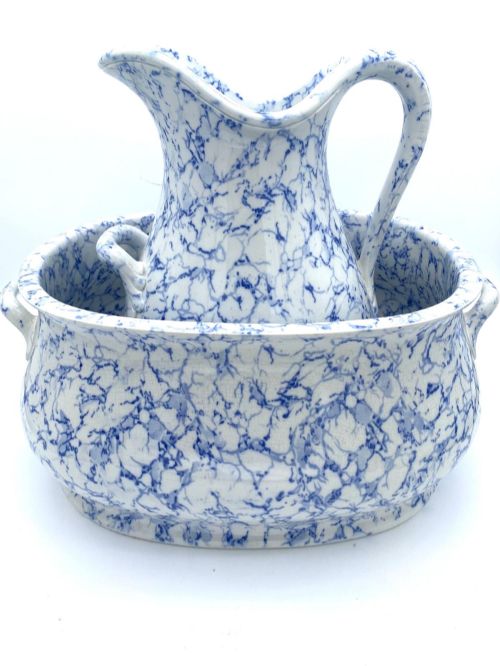
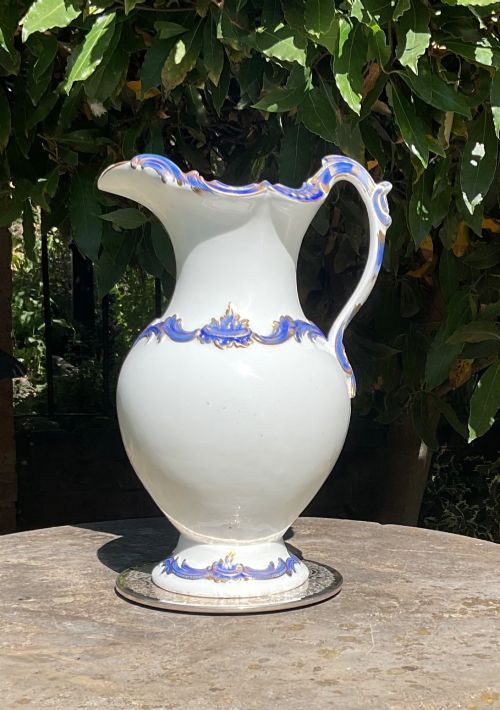
When you search for a 19th century ceramic jug, you are looking at practical pitchers that served tea, milk, water, or ale across Georgian, Victorian, and later households. These vessels range from utilitarian creamware and earthenware to decorative lustreware and fine parian porcelain.
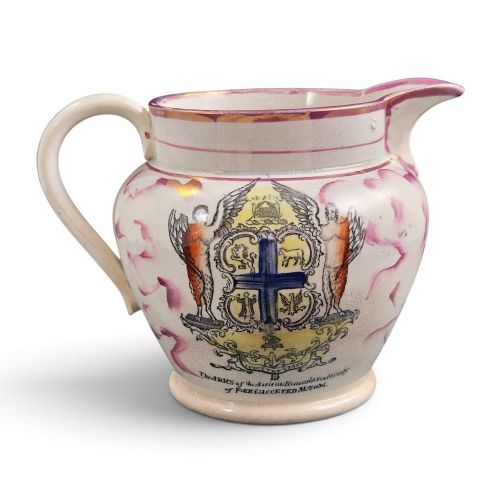
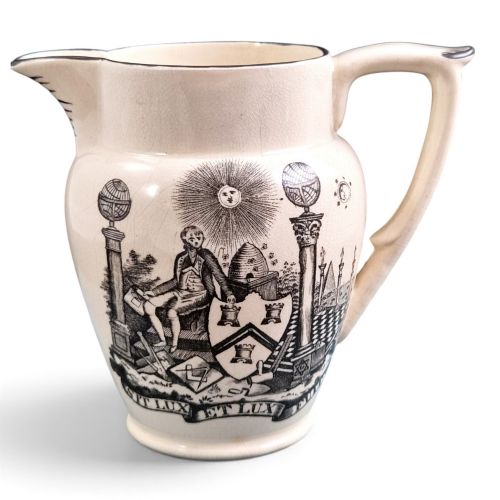
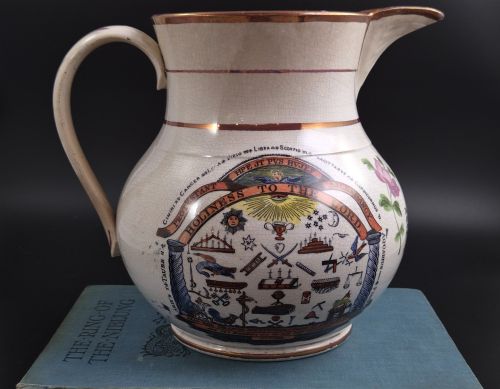
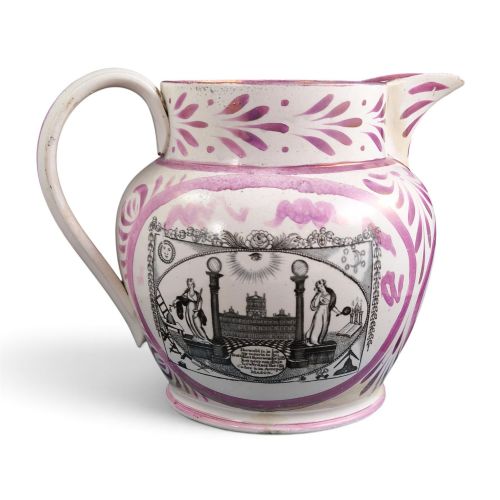
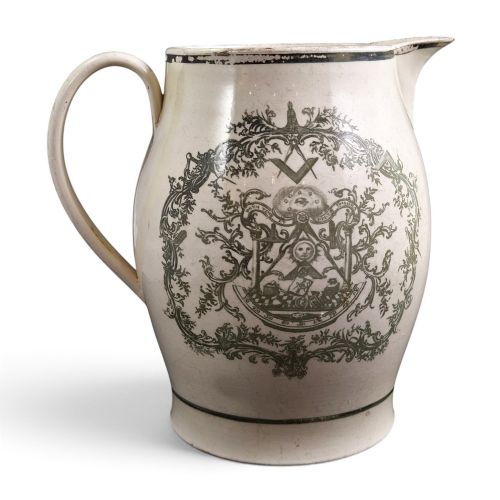
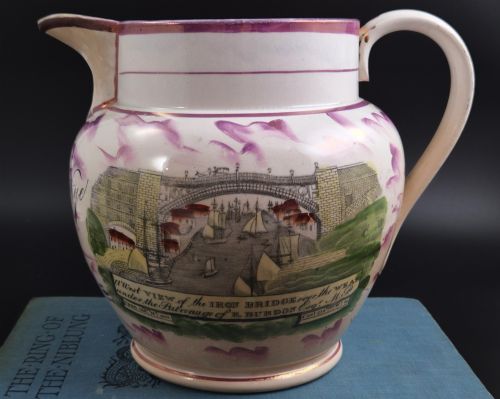
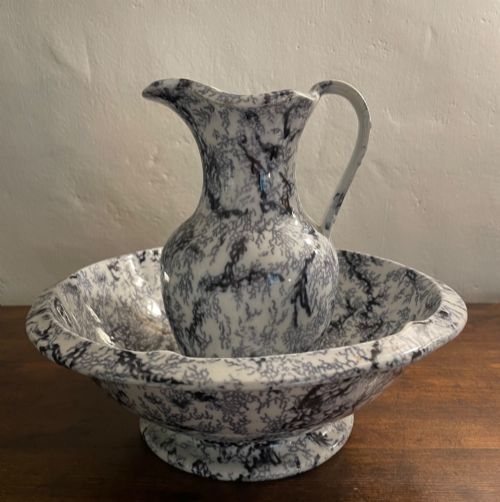
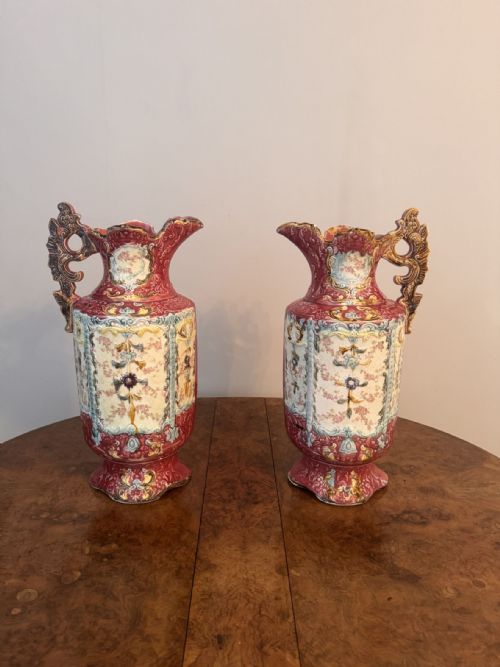
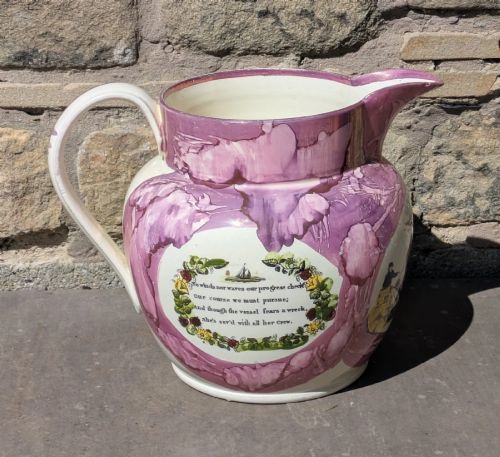
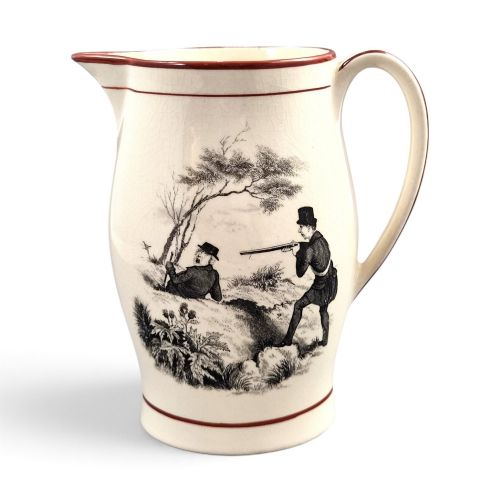
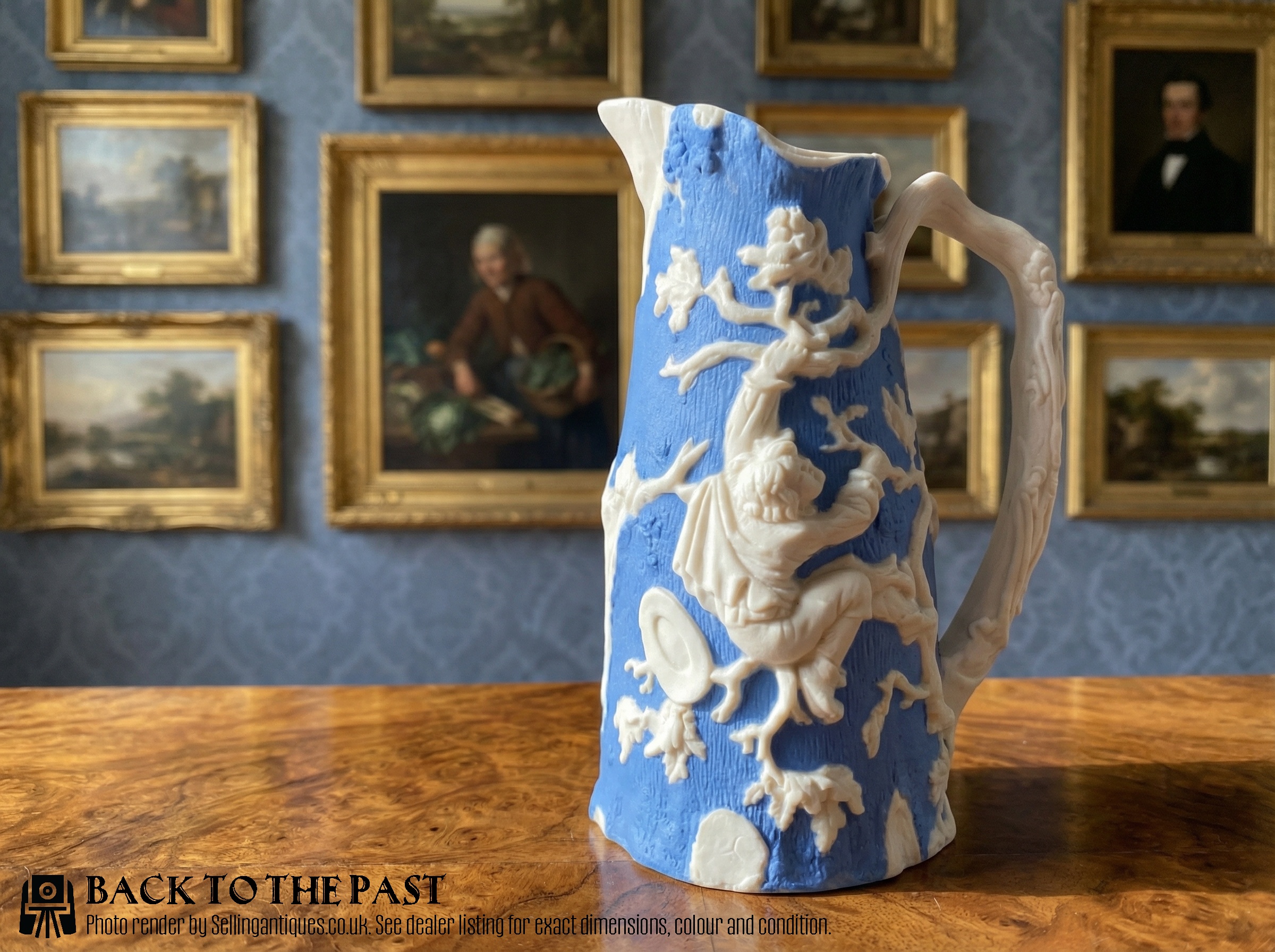
On this page, you are most likely to meet Staffordshire earthenware and creamware pieces, alongside pink lustre and relief-moulded pottery. They appear in forms spanning large triple-print display jugs down to modest cream jugs intended for the table.
The selection draws together output from the Georgian era through the Victorian period, reflecting both rural Staffordshire potteries and specialised north-eastern workshops. Each piece carries the distinct stylistic markers of its decade, from black transfer prints to hand-painted polychrome decoration.
How they were made
Potters shaped these vessels using traditional earthenware and porcelain bodies, applying liquid glazes or metallic lustre solutions before firing. Techniques like transfer printing and relief moulding allowed workshops to produce intricate patterns efficiently.
Makers finished many pieces by hand, adding hand-painted details over glazes or leaving bisque porcelain unglazed to highlight sculptural relief work. Metallic lustre applications required precise firing to achieve their distinctive reflective sheen.
Retail Price Guide 2026
Typical UK retail prices for 19th century ceramic jug, calculated from the Sellingantiques database of over a million retail prices indexed since 2003. This retail price guide relies exclusively on Sellingantiques data; no external sources or auction records are used, so the figures do not describe the wider market.
Listings here feature earthenware, creamware, bisque porcelain, and metallic glazes across Victorian and Georgian periods.
What varies in quality
Quality in these jugs rests on the crispness of the moulding, the alignment of transfer prints, and the depth of the glaze. Finer examples show sharp relief details and careful hand-painting that remains clean and well-defined.
Simpler utilitarian wares display thicker bodies and more functional finishes, while top-tier pieces utilise specialised bodies like Parian ware and complex multi-pass lustre techniques that demand high technical skill from the potter.
Jones & Walley
The 19th Century Ceramic Jug Glossary
- Creamware
- A light-coloured refined earthenware developed in the eighteenth century, known for its pale yellowish cream glaze. It became the staple ceramic for domestic table use.
- Lustreware
- Pottery decorated with a metallic metallic film that gives a brilliant, iridescent sheen. Sunderland pink lustre and copper lustre are typical nineteenth-century expressions of this technique.
- Parian Ware
- A fine-grained unglazed bisque porcelain resembling white marble, introduced in the mid-nineteenth century. It was primarily used for sculptural figures and decorative jugs.
- Transfer Printing
- A method of applying pre-printed designs to ceramic surfaces using engraved copper plates and tissue paper. It allowed potteries to produce consistent, detailed pictorial scenes.
- Earthenware
- Porous pottery fired at lower temperatures than stoneware or porcelain, requiring a vitreous glaze to hold liquids. It forms the foundation of most domestic nineteenth-century jugs.
Frequently Asked Questions
How do I date a jug?
Dating relies on stylistic clues, materials, and manufacturing techniques recorded in the piece. Transfer prints, body types, and glaze styles often point to specific decades within the nineteenth century.
Changes in ceramic composition from creamware to ironstone or parian help narrow down the period of production alongside any registry marks or maker attribution.
Were these jugs used daily?
Many nineteenth-century jugs served practical functions for pouring milk, water, or beer at the table. Larger examples often held liquids for multiple guests during meals.
Others, particularly lustreware and parian pieces, served decorative or commemorative purposes, marking Masonic memberships or special occasions rather than heavy kitchen work.
How should I clean my jug?
Wash ceramic jugs gently by hand using warm water and mild soap. Avoid harsh scourers that can scratch delicate glazes or wear away metallic lustre.
Old earthenware can be porous or develop hairline cracks over time, so prolonged soaking in water should be avoided to protect the historic body.
What is lustreware?
Lustreware is pottery finished with a metallic glaze containing copper, silver, or gold salts. When fired in a reduced atmosphere, these metals leave a bright, reflective metallic film.
Pink lustre and copper lustre were particularly popular in northern and Staffordshire potteries during the nineteenth century, creating striking decorative effects.