

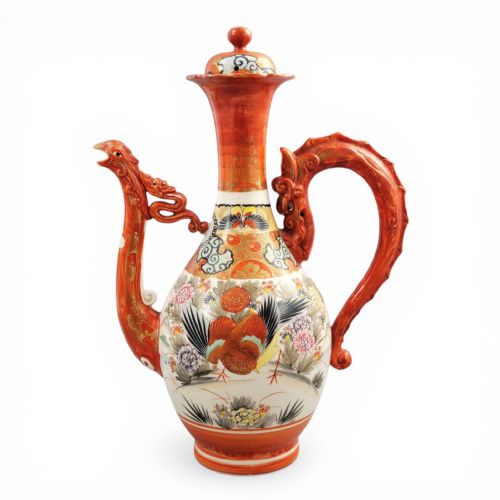


Antique Porcelain Ewer
An antique porcelain ewer brings sculptural grace and painted detail to a room, offering a decorative form rooted in centuries of classical utility.
What these pieces are
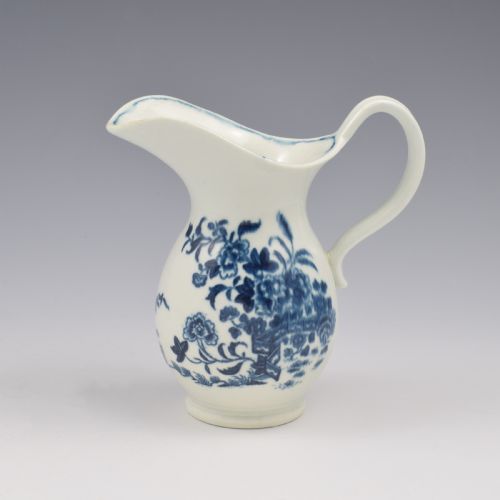
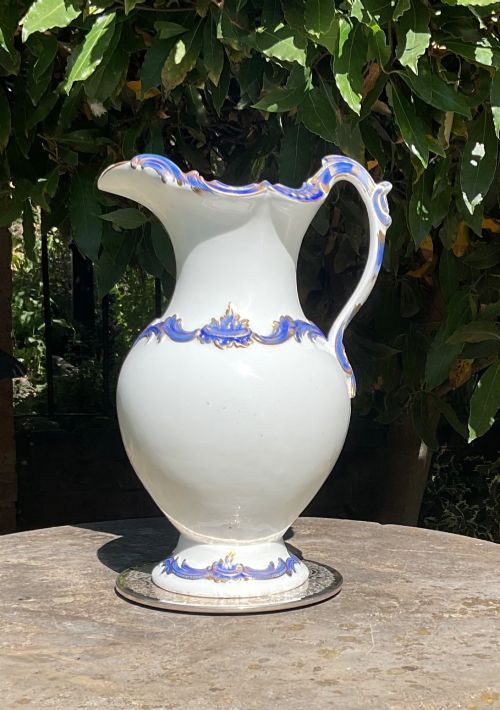
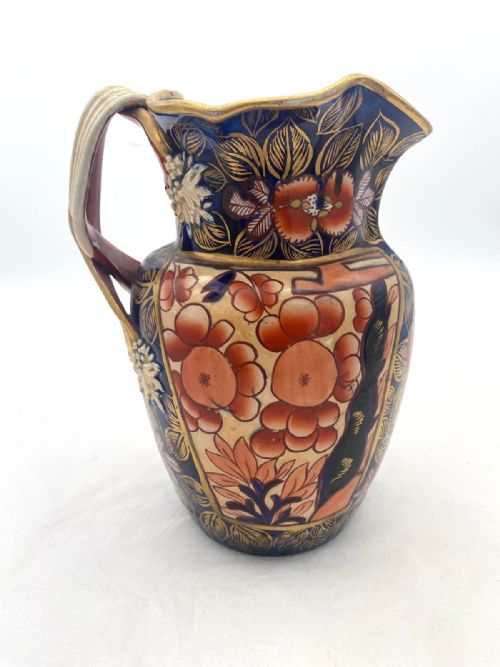
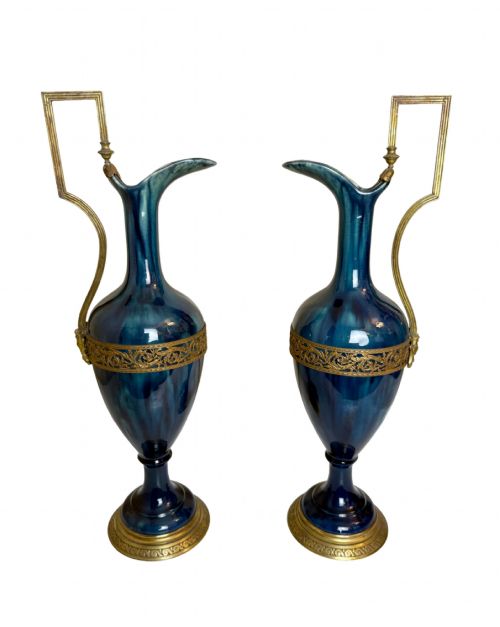
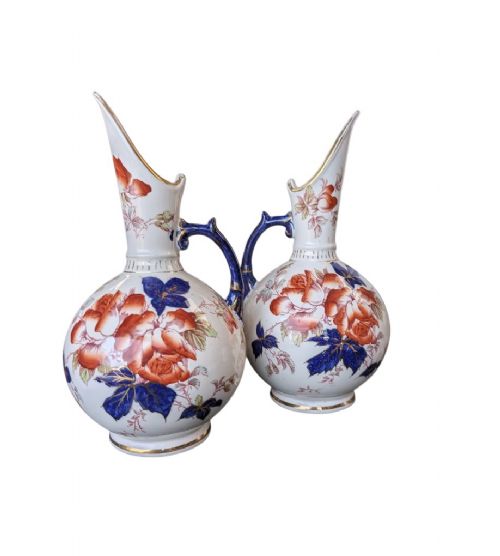
An antique porcelain ewer takes the ancient shape of a water pitcher and reinterprets it purely for display, standing as a centrepiece on a cabinet or mantelpiece. When you search for an antique porcelain ewer, you find decorative vessels shaped with flared spouts, slender necks and looping handles.
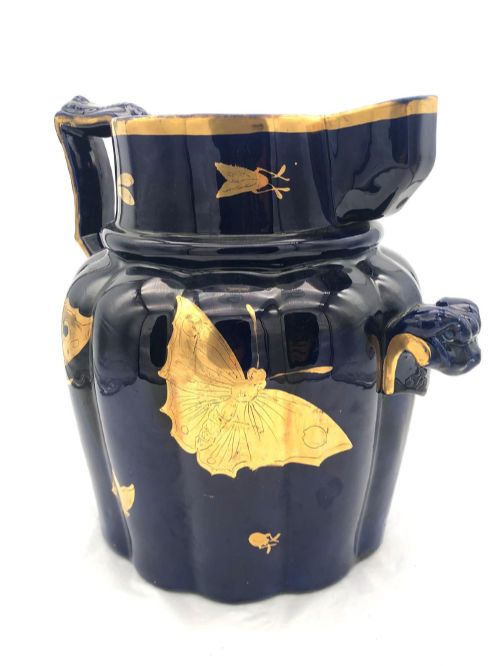
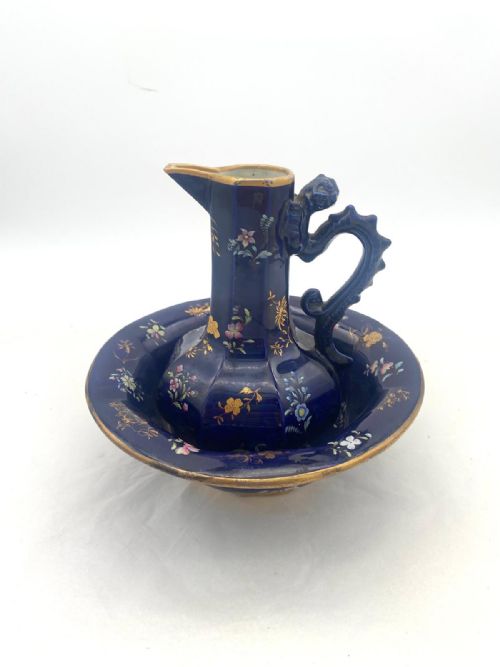
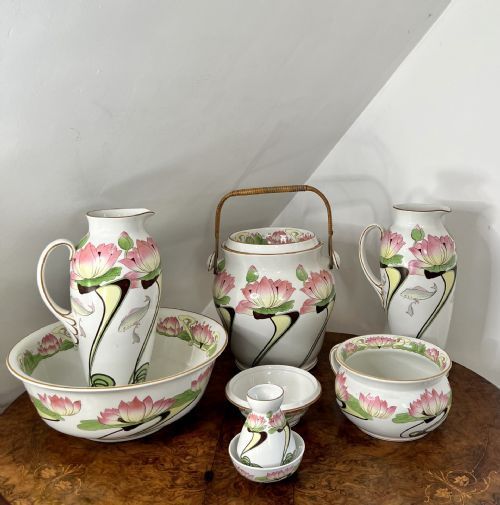
The pieces appearing here span from the Victorian period through the Edwardian era, taking forms such as decorative ewers, pitchers and jugs. Makers from these decades applied elaborate handles and bulbous bodies, shifting the utilitarian water container into an ornamental art object.
Most examples hail from established British potteries and factories operating in the late nineteenth and early twentieth centuries. These works frequently utilise floral motifs, hand-painted details and classical figures to achieve their distinctive cabinet presence.
How they were made
Potters shaped these vessels using fine porcelain and bone china, forming the bodies by hand or in moulds before firing them at high temperatures. Artisans then applied ceramic enamel and hand-painted pigments directly onto the glazed or biscuit surfaces.
Gilding and gold leaf ornamentation were carefully brushed onto handles, rims and raised relief details before a final low-temperature kiln firing. This extra step set the metallic lustre permanently against the white porcelain body.
Retail Price Guide 2026
Typical UK retail prices for porcelain ewer, calculated from the Sellingantiques database of over a million retail prices indexed since 2003. This retail price guide relies exclusively on Sellingantiques data; no external sources or auction records are used, so the figures do not describe the wider market.
Listings feature porcelain, bone china, enamel and gilding across Victorian, Edwardian and Aesthetic Movement styles.
What varies in quality
Quality rests in the execution of the hand-painting and the crispness of the raised gold decoration. Master painters achieved subtlety in floral shading and precise definition in classical figures that lesser hands missed.
The weight of the porcelain and the proportion of the handle to the body dictate the balance of the piece. Superior examples display harmonious lines where the spout, neck and handle flow without clumsiness.
Royal Crown Derby·Royal Worcester·Staffordshire China·Royal Vienna·Coalport
The Antique Porcelain Ewer Glossary
- Ewer
- A large jug with a slender neck and a flared spout, historically used for pouring water but rendered here for decoration. The form mimics classical metal vessels.
- Bone china
- A type of porcelain incorporating bone ash, producing a strong, milky-white body that accepts fine enamels well. It allows for thinner walls while retaining durability.
- Gilding
- The application of gold leaf or gold paint to ceramic surfaces for decorative accent. It highlights handles, rims and raised motifs.
- Ceramic enamel
- Coloured glass powder fused to the porcelain surface during firing. It provides vibrant, stable hues that resist fading over time.
Frequently Asked Questions
What is an antique porcelain ewer?
An antique porcelain ewer is a decorative pitcher made from ceramic materials during the nineteenth or early twentieth century. These vessels served as ornamental display items rather than functional water jugs.
They often feature hand-painted floral designs, gilding and sculptural handles. British potteries produced many of the finest examples found today.
How were these ewers used?
These decorative vessels were designed for display on sideboards, mantelpieces and cabinets within Victorian and Edwardian homes. They formed part of matching garniture sets or stood alone as ornamental art objects.
Because of their delicate handles and painted enamel surfaces, they remained strictly decorative rather than utilitarian.
How do I date an ewer?
Dating relies on factory marks stamped or painted on the base, stylistic clues such as Aesthetic Movement motifs, and period materials like bone china. Victorian examples often show heavier gilding and vibrant hand-painted enamels.
Later Edwardian pieces sometimes adopt simpler white bodies with restrained rose decorations.
How do I care for antique porcelain?
Keep porcelain ewers out of direct sunlight to protect hand-painted enamel colours from fading over time. Dust them gently with a soft, dry cloth rather than using liquid cleaners.
Avoid handling them by their delicate handles, as centuries-old porcelain and gilding can be vulnerable to sudden stress.