
Hand Painted Floral Jug
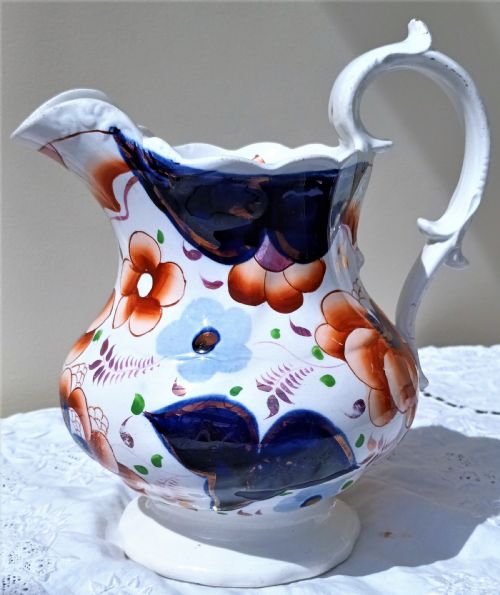
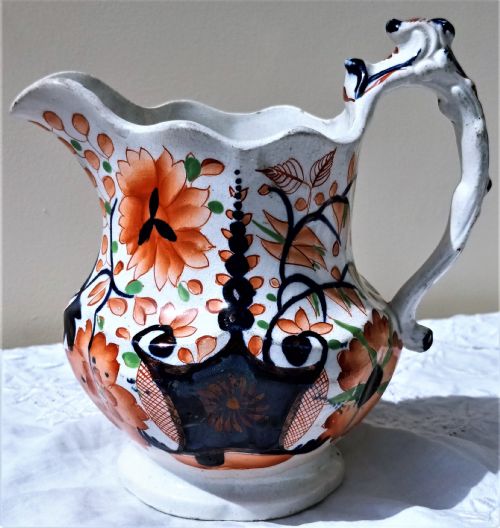
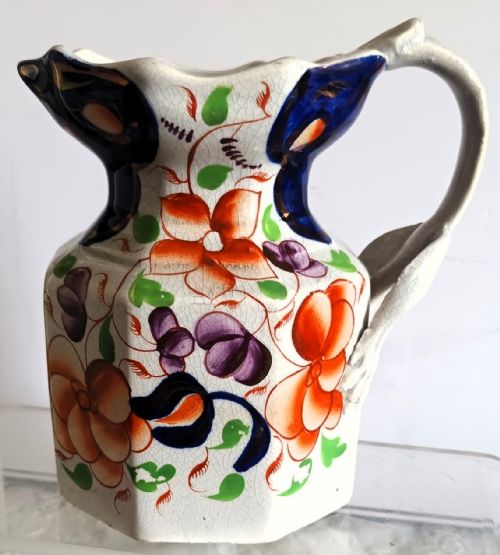
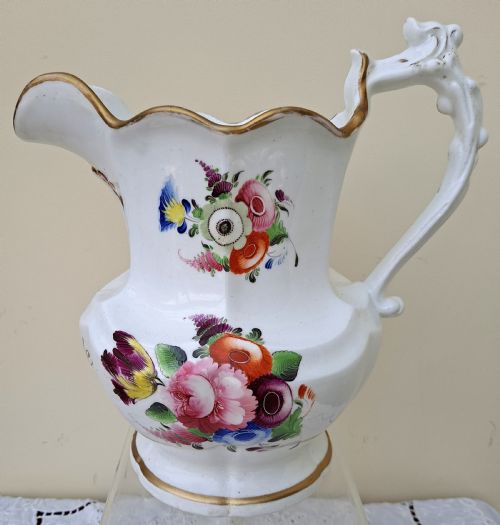
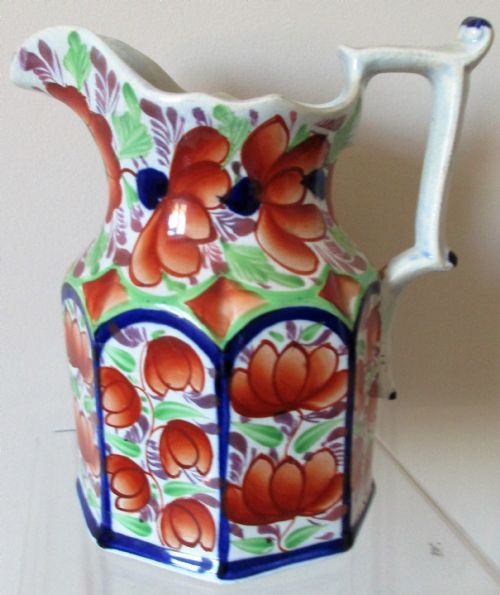
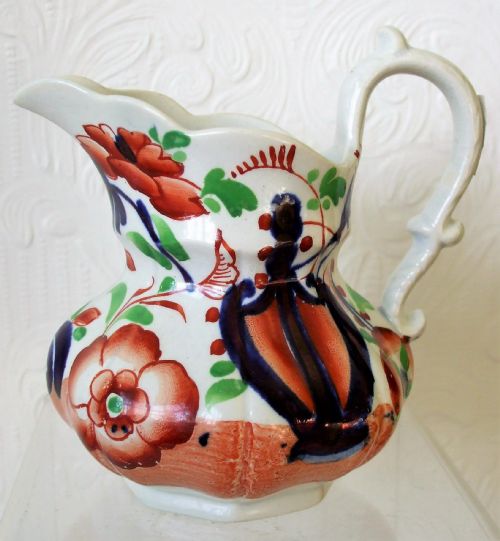
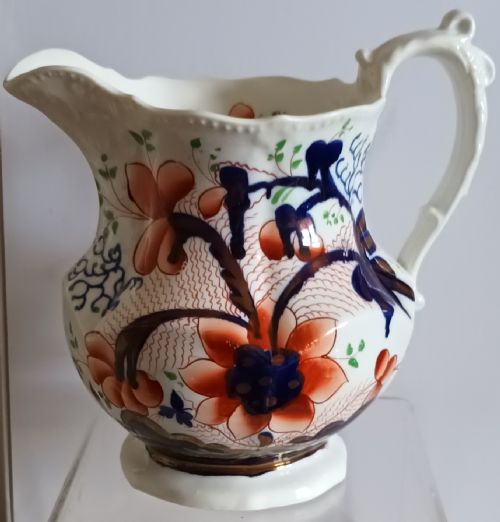
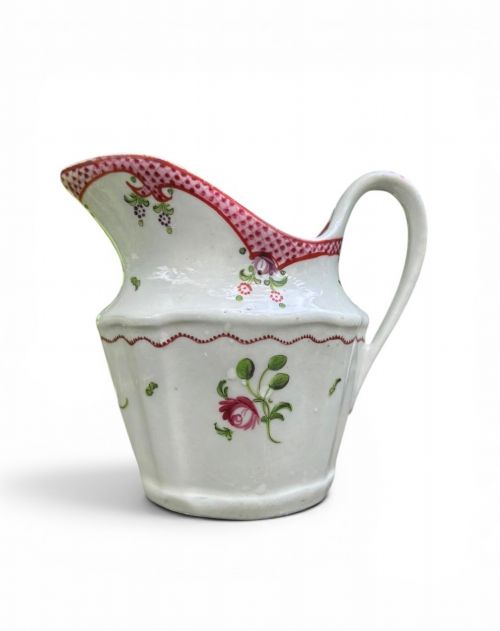
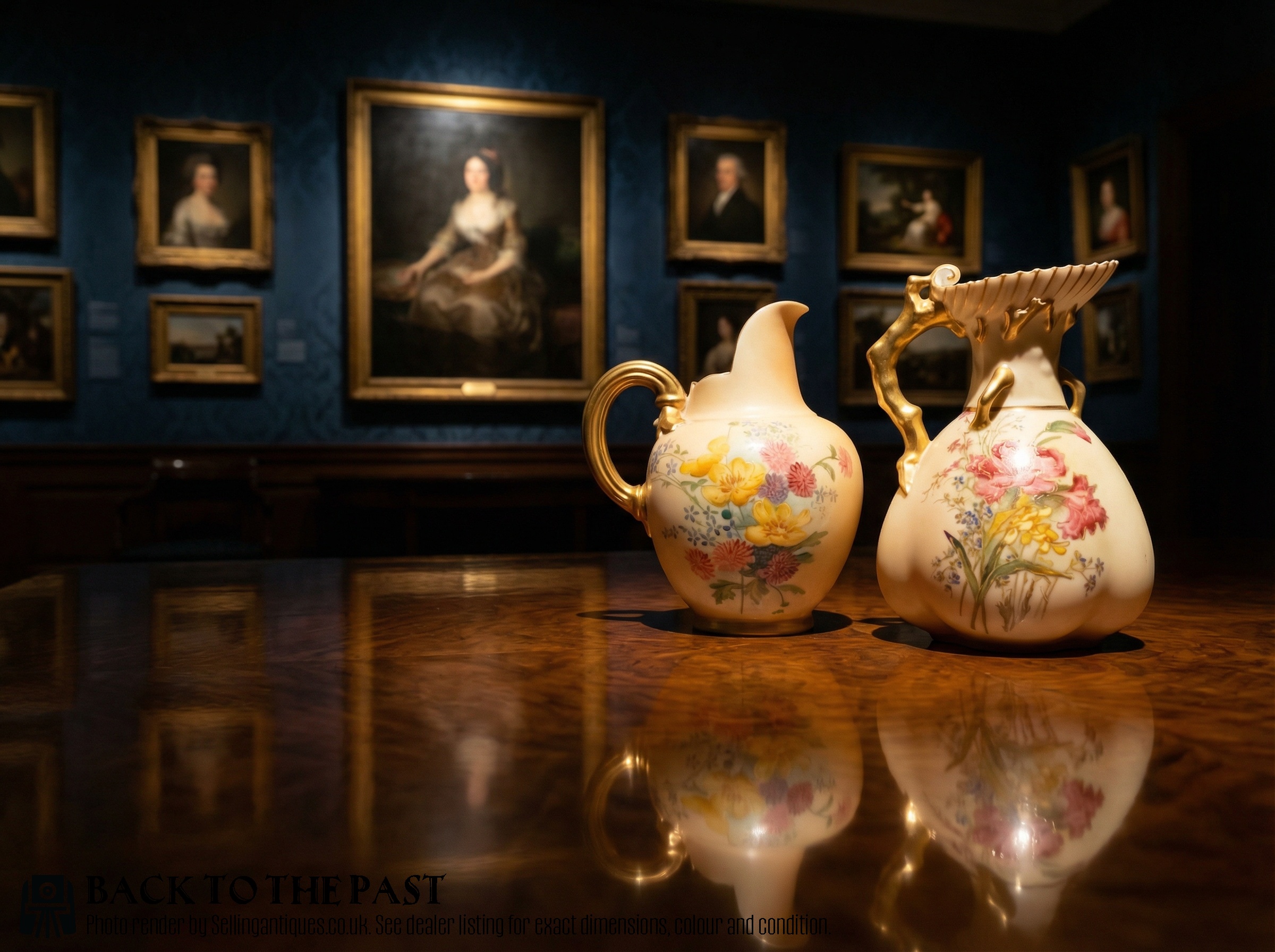
These hand painted floral jug examples bring colour and charm to any room, offering floral decoration that collectors prize.
What They Are
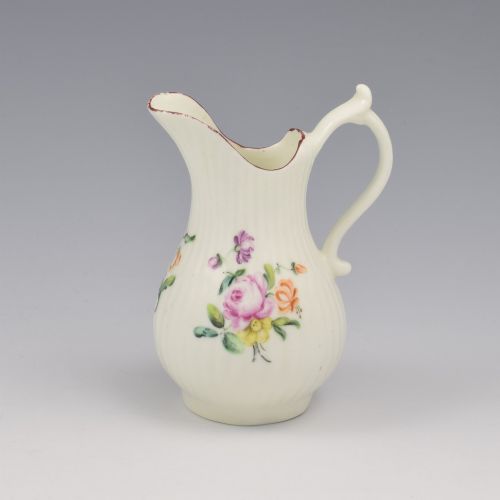
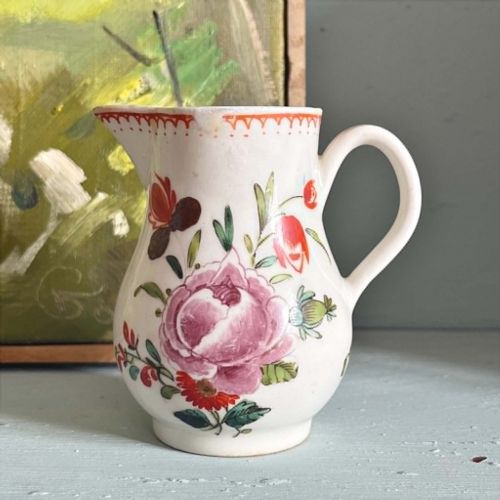
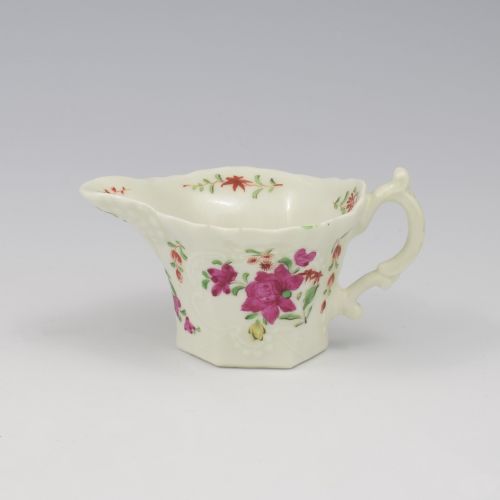
When you search for hand painted floral jug pieces, you encounter cream jugs, pitchers, ewers and similar vessels designed for both utility and display. The selection spans the eighteenth century, the nineteenth century, and around nineteen hundred, showing the enduring appeal of painted floral motifs.
You meet pieces originating from historic English works, including early Derby soft-paste porcelain and Victorian Staffordshire china. Royal Worcester examples feature prominently, ranging from blush ivory pieces topuce mark ewers and quality jugs decorated with flowers.
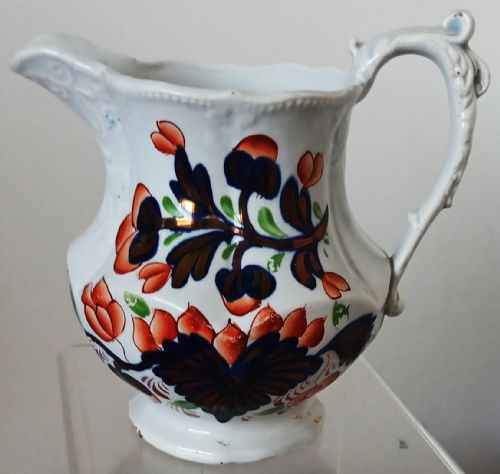
The forms vary from fluted baluster cream jugs of the seventeen-sixties to robust Victorian earthenware and porcelain pitchers. Each piece carries hand painted floral decoration, often enhanced with enamel, gilding, or copper lustre details.
How They Were Made
Potters shaped these vessels using porcelain, soft-paste porcelain, and earthenware bodies, forming them into baluster cream jugs, ewers, and pitchers. Artisans then applied ceramic enamel paints by hand to create the floral designs across the surface.
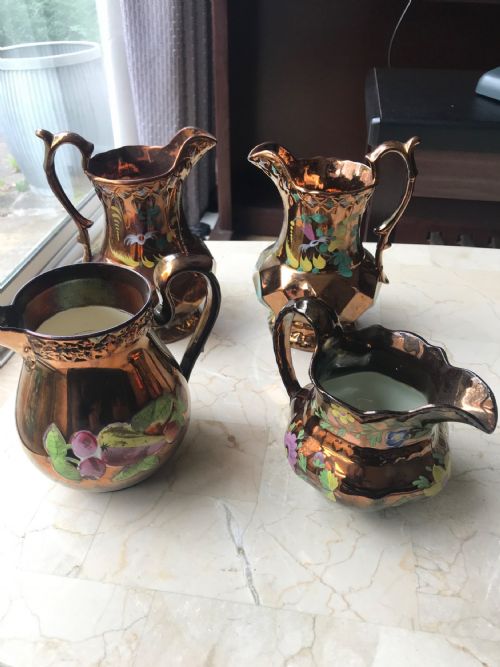
Makers embellished many of these jugs using gold leaf, gilding, and copper lustre to highlight rims, handles, and painted motifs. Firing in kilns fixed the enamel colours and metallic applications permanently to the ceramic body.
Retail Price Guide 2026
Typical UK retail prices for hand painted floral jug, calculated from the Sellingantiques database of over a million retail prices indexed since 2003. This retail price guide relies exclusively on Sellingantiques data; no external sources or auction records are used, so the figures do not describe the wider market.
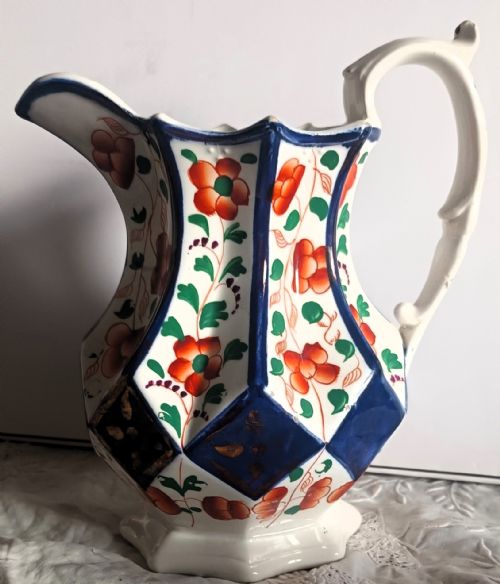
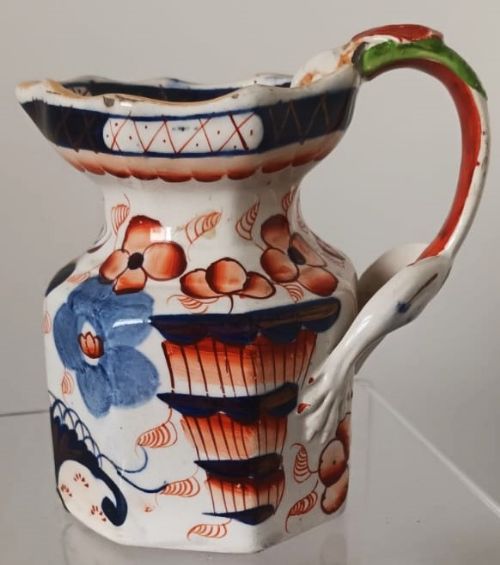
A Harlech pattern jug proves that even Welsh castles inspired nineteenth-century pottery decorators.
What Varies in Quality
The refinement of the painted floral decoration dictates the visual standard of each piece, distinguishing simple factory output from masterwork brushwork. Finer jugs exhibit delicate, detailed botanical painting executed with precise control over the enamel palette.
The quality of the porcelain body and the richness of the accompanying gilding or gold leaf application elevate certain examples above standard utilitarian wares. Early soft-paste bodies and established factory marks, such as the puce mark on Royal Worcester pieces, signal superior manufacturing provenance.
Derby·Royal Worcester·Staffordshire
The Hand Painted Floral Jug Glossary
- Baluster
- A vertical architectural form with a swelling lower portion, frequently seen in the profile of eighteenth-century cream jugs. This shape provides a stable base and a graceful taper toward the rim.
- Blush Ivory
- A specialised Royal Worcester ceramic ground finish introduced in the late nineteenth century that mimics the delicate hue of ivory. It serves as a subtle background for hand painted floral decoration.
- Ewer
- A large jug or pitcher with a wide spout and a curved handle, traditionally used for holding water but often produced as an ornamental piece. In nineteenth-century ceramics, ewers frequently feature elaborate handles and gilt enrichment.
- Soft-Paste Porcelain
- An early ceramic composition fired at lower temperatures than hard-paste porcelain, resulting in a slightly warmer tone and softer glaze. Eighteenth-century factories like Derby utilised this material for cream jugs.
- Copper Lustre
- A metallic glaze technique that imparts a coppery, reflective sheen to earthenware surfaces. It appears on nineteenth-century jugs, often framing hand painted floral panels.
Frequently Asked Questions
What are hand painted floral jugs?
These pieces are ceramic vessels decorated by hand with floral motifs, ranging from small cream jugs to large ornamental ewers. They were produced across several centuries by notable English makers.
Collectors prize them for their artistry, combining functional forms with delicate painted botanical designs and gilding.
How were these jugs used?
Many examples began as practical items for serving cream or water at the table during the eighteenth and nineteenth centuries. Over time, numerous pieces transitioned into decorative display objects.
Larger ewers and fine porcelain pitchers were often intended purely for ornamental use in Victorian parlours.
How do I display these jugs?
These vessels suit placement in cabinets, on open shelving, or as table centerpieces where their hand painted floral details remain visible. Grouping pieces from similar periods creates a cohesive aesthetic.
Ensure stable placement away from high-traffic edges to protect delicate handles and gilt rims.