
Antique Porcelain Pitcher
An antique porcelain pitcher brings refined utility to a table, combining hand-painted ceramic forms with centuries of European and Asian artistry.
Antique Porcelain Pitcher
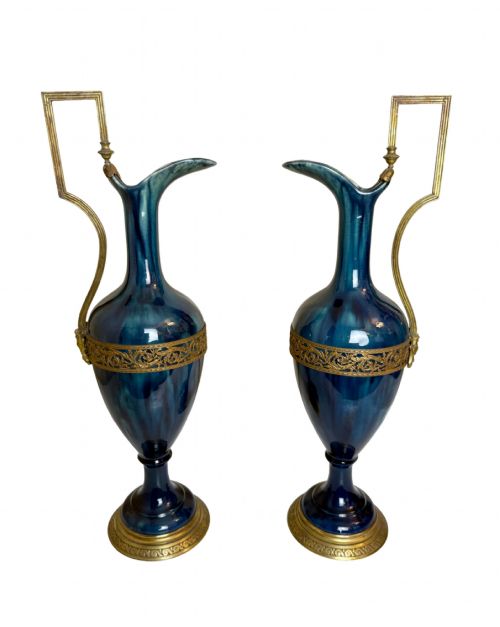
An antique porcelain pitcher encompasses functional vessels created for water, milk, and cream, alongside decorative ewers intended for display. These objects emerge from periods spanning the eighteenth through the early twentieth centuries, reflecting diverse stylistic shifts from Georgian restraint to Victorian exuberance.
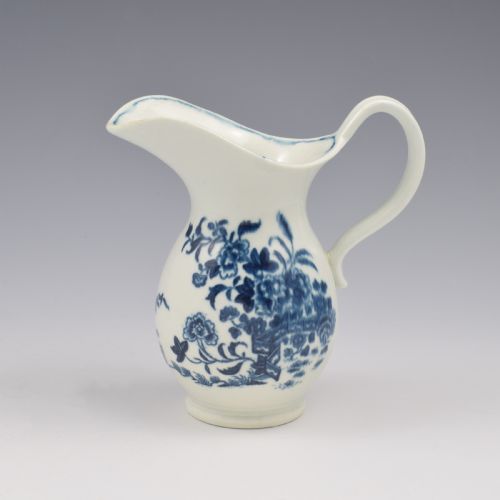
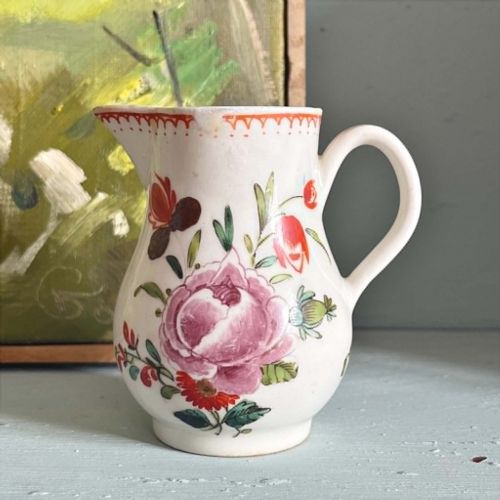
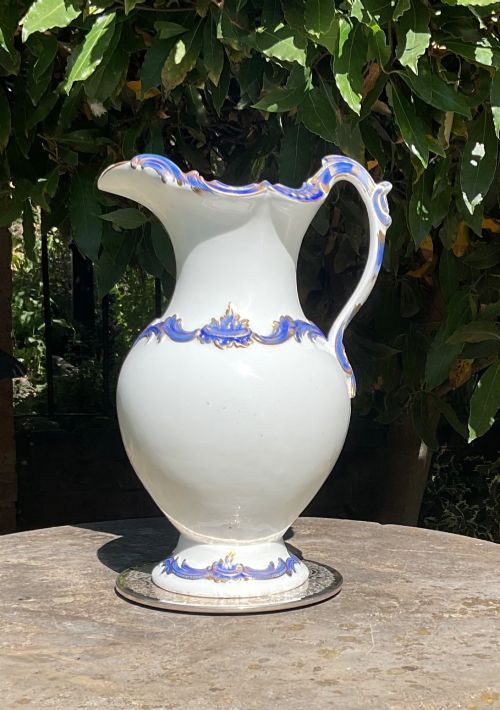
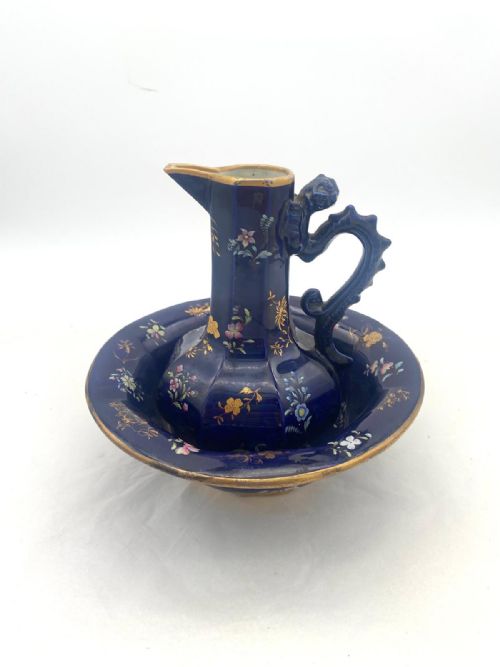
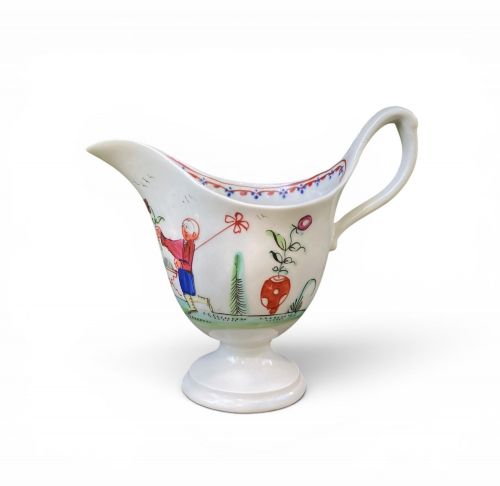
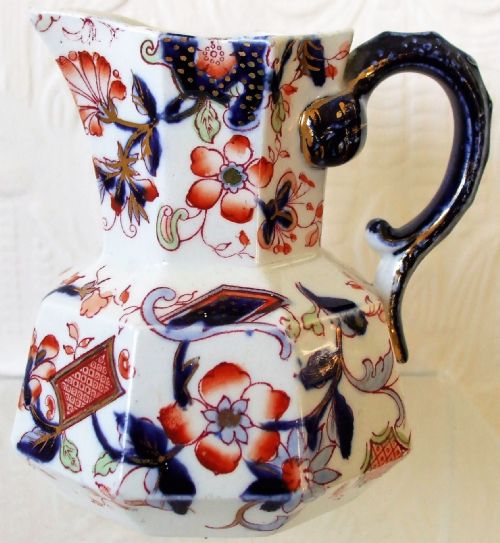
Makers utilised various forms such as fluted balusters, octagonal bodies, and hydra-handled shapes, drawing on English, continental European, and Chinese traditions. Buyers encounter everything from small sparrowbeak creamers to large water jugs and complete washstand sets.
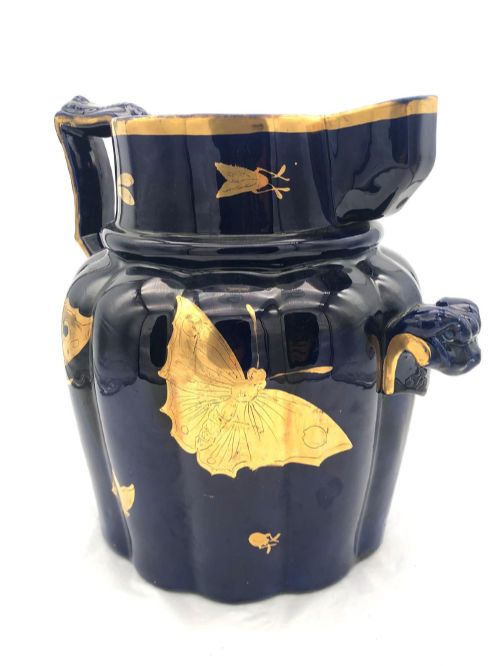
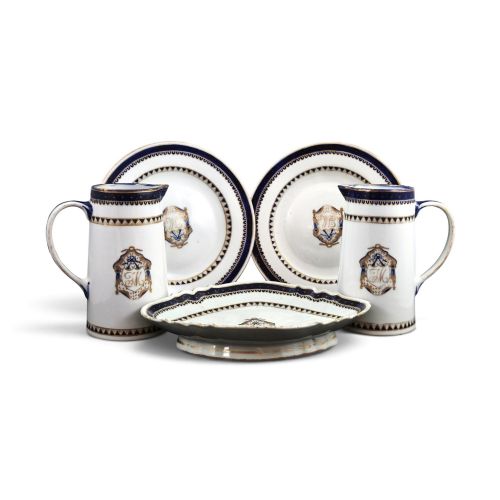
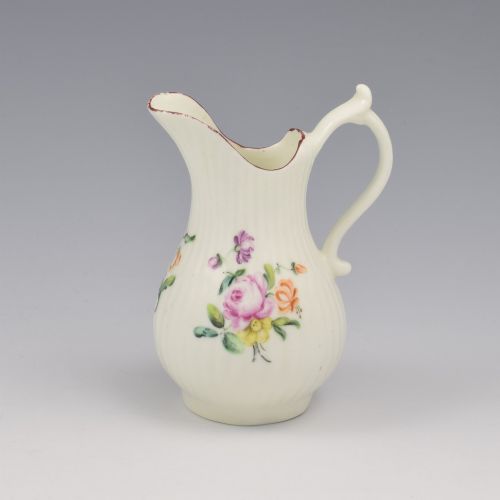
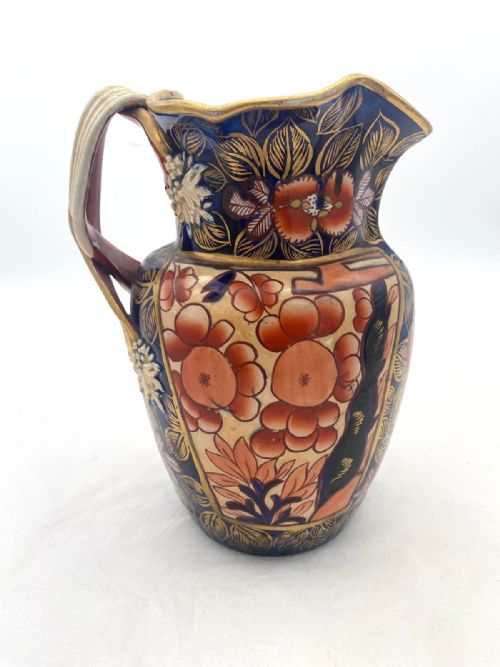
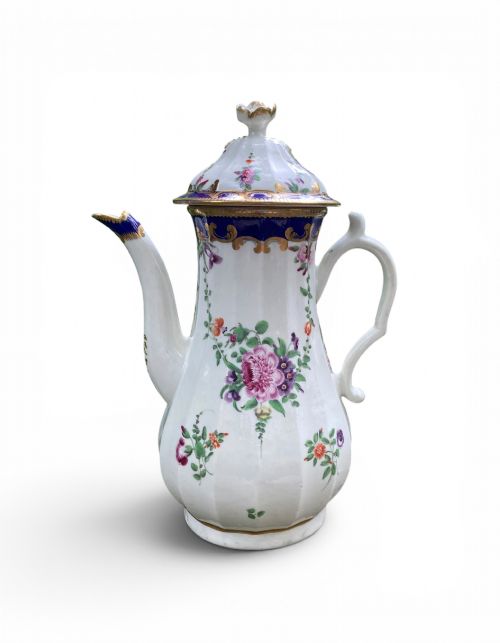
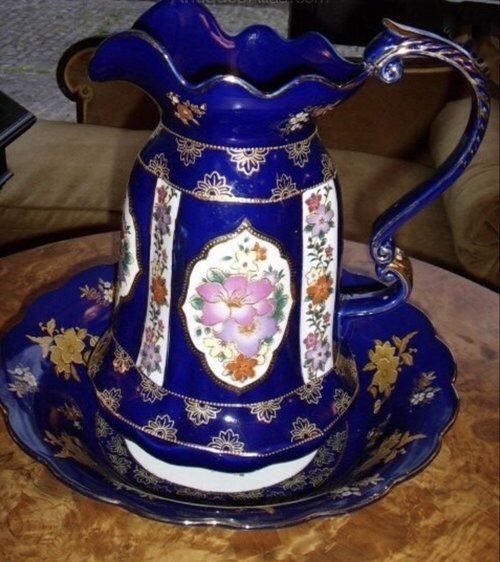
The selection ranges across distinct aesthetic movements, including Chinese Export, Japanese Imari, and French Neoclassical designs. Many pieces bear hand-painted polychrome flowers, armorial crests, or cobalt blue glazes accented with gilding.
Materials and methods of production
Potters shaped these vessels from fine porcelain, ceramic, and ironstone, employing techniques such as moulding and throwing before firing the bodies in kilns. Artisans applied glazes, enamel colours, and gold leaf to the surfaces, often returning the pieces to the kiln to fix the decoration.
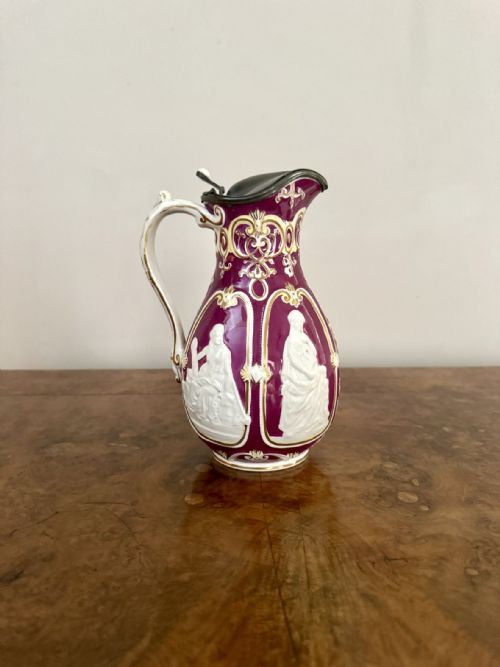
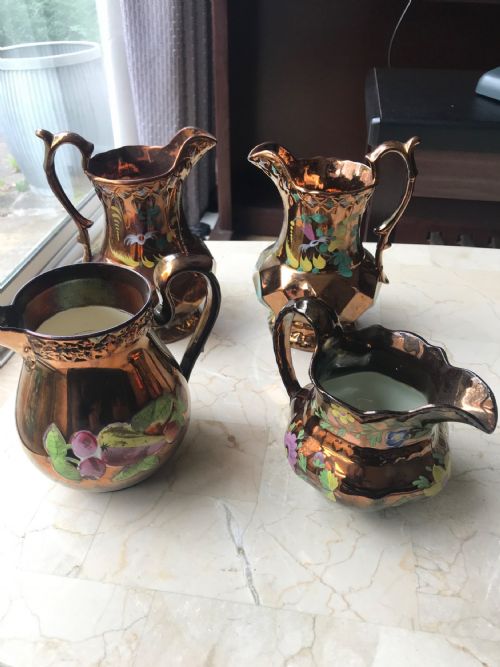
Surface ornamentation relied on meticulous hand-painting, copper lustre, and transfer printing, frequently complemented by gilt bronze trim or pewter lids. Specific factories developed proprietary paste recipes and glaze formulas that defined their output.
Antique Porcelain Pitcher Retail Price Guide 2026
Typical asking prices for porcelain pitcher among the pieces listed under this phrase on Sellingantiques today, from the lower quarter to the upper quarter. They describe what is for sale here now, not the wider market.
Listings feature porcelain, ironstone, and earthenware pieces originating from the 17th through the 20th centuries, spanning diverse global traditions.
Distinctions in craftsmanship and design
The standard of a piece rests upon the crispness of the moulding, the precision of the hand-painted details, and the depth of the glaze. Finer examples display balanced proportions, delicate handle attachments, and well-executed armorial or floral motifs without blurring.
Subtleties in gilding application and the complexity of decorative forms, such as reticulated porcelain or grotesque handles, separate standard production items from workshop masterworks. Factory marks and named artist signatures further distinguish pieces of higher provenance.
Dr Wall Worcester·New Hall·Mason Ironstone·Royal Worcester·Chamberlain Worcester
The Antique Porcelain Pitcher Glossary
- Ewer
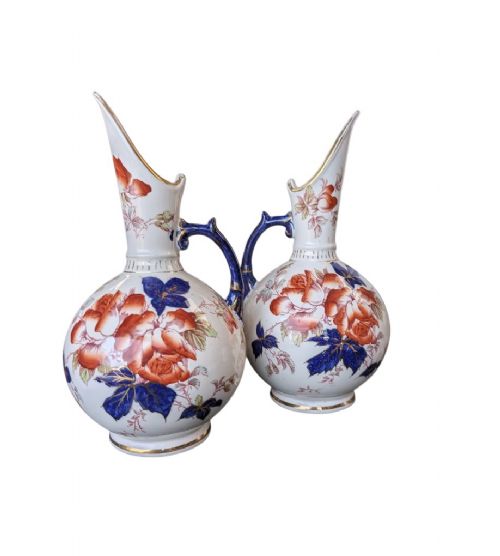
- A large pitcher with a wide spout and elaborate handle, traditionally used for pouring water. These vessels often served a decorative function within washstand sets.
- Sparrowbeak
- A small eighteenth-century creamer featuring a distinctive narrow, protruding spout resembling a bird's beak. This form appears frequently in early English porcelain tablewares.
- Hydra
- A classical vase or pitcher shape characterised by a distinctive handle design modeled after the mythological serpent. English factories adopted this classical form during the late eighteenth and nineteenth centuries.
- Ironstone
- A heavy, durable type of earthenware patented in the nineteenth century to imitate porcelain. It offered superior strength for everyday household jugs and pitchers.
- Reticulated
- Decorated with an openwork pattern cut into the ceramic body before glazing and firing. This technique demonstrates high technical skill in Victorian porcelain manufacture.
Antique Porcelain Pitcher: Frequently Asked Questions
What is the difference between a pitcher and an ewer?
A pitcher generally refers to any pouring vessel with a handle and a lip, designed for functional use at the table or washstand. An ewer specifically denotes a more decorative or formal vessel featuring an arched spout and often a matching basin.
While pitchers prioritize daily utility, ewers historically belonged to display sets or washing arrangements where aesthetic impact mattered as much as capacity.
How do I date an antique porcelain jug?
Dating relies on identifying factory marks, stylistic traits, and manufacturing materials recorded on the base or body. Eighteenth-century pieces typically feature soft-paste bodies and hand-painted underglaze blue, while Victorian items often incorporate transfer printing or heavy gilding.
Examining the wear on the base and the style of the handle also helps narrow down the decade of production.
Were these pitchers used for tea or water?
Function varied entirely by the scale and shape of the specific vessel. Small items with narrow spouts served as cream or milk jugs for tea service, whereas larger handled pieces held water for the table or washstand.
Washstand sets paired large water pitchers with matching bowls for morning ablutions in bedrooms before the widespread installation of indoor plumbing.
How should I display porcelain pitchers at home?
Displaying these vessels safely involves placing them on stable shelves or cabinets away from high-traffic edges. Grouping items by period, such as eighteenth-century blue and white or nineteenth-century ironstone, creates a cohesive visual collection.
Keeping pieces out of direct sunlight preserves the vibrancy of enamel colours and gold leaf accents over time.