

Antique Water Jugs
A jug made to carry and pour water, at the washstand or on the dining table, and on Sellingantiques that means mostly English pottery and porcelain of the 19th century.
Antique Water Jugs
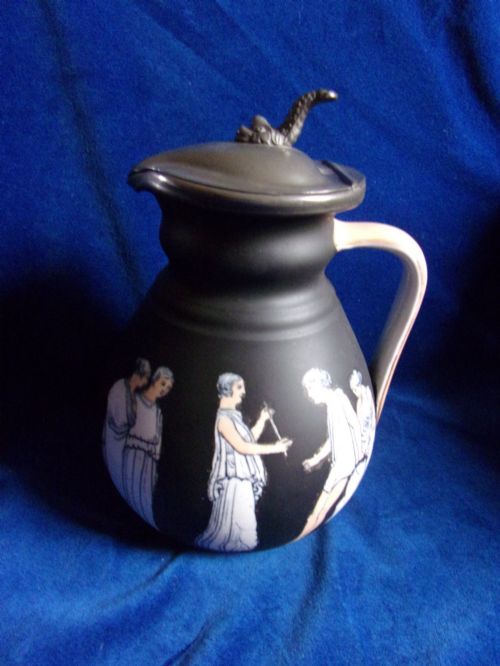
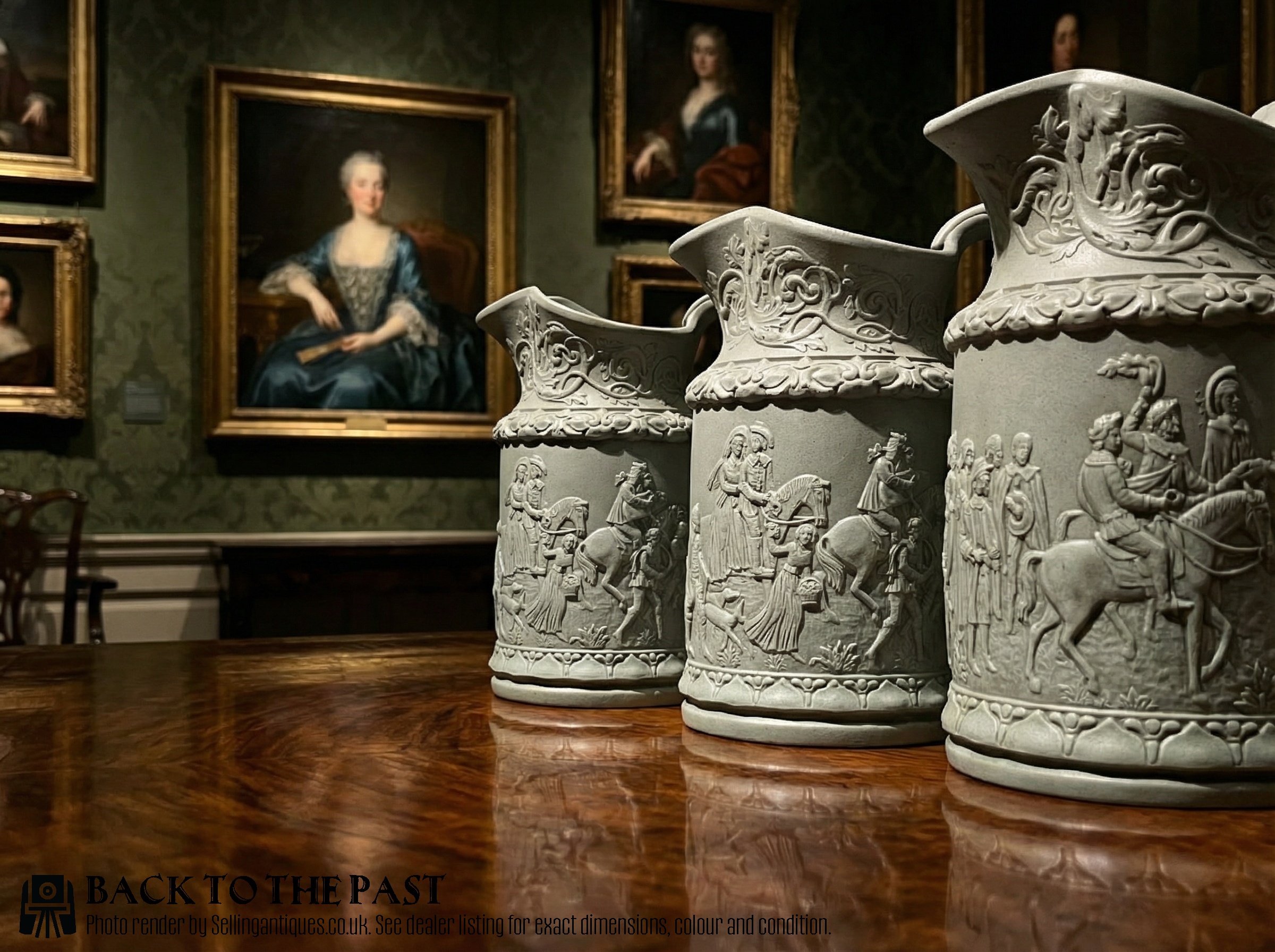
The heading covers pouring vessels of all kinds. What dominates is English ceramic: earthenware, ironstone, stoneware, pearlware, creamware and porcelain, moulded or transfer-printed. 'Victorian' appears in around a fifth of titles, 'porcelain' and 'pottery' in a good many more, and sizes run from small graduated jugs up to gallon and one-and-a-half-gallon stoneware.
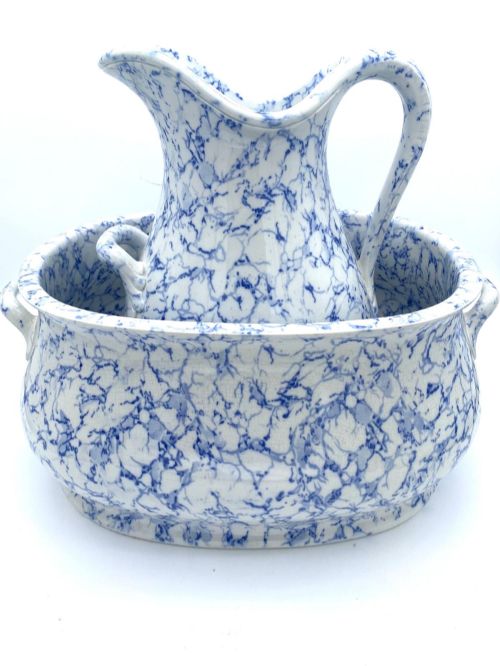
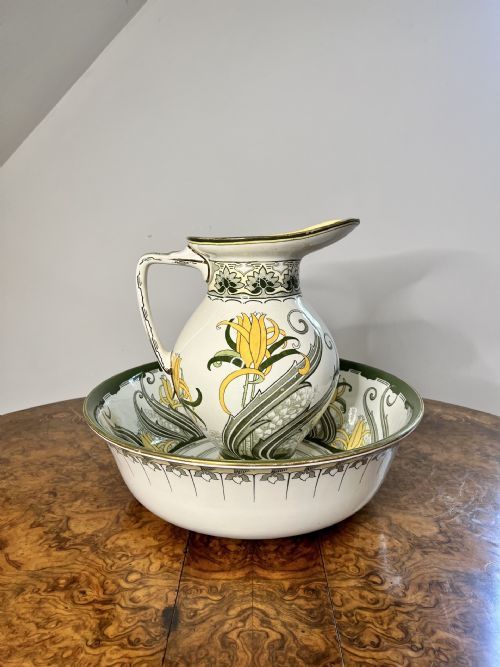
Plenty of these are jugs in the general sense rather than one standard form: milk, ale, harvest, hot-water and washstand jugs all sit under the heading. Most listings are single jugs, though a recurring sub-group pairs the jug with its matching bowl, basin or footbath, and graduated trios of three descending sizes turn up more than once.
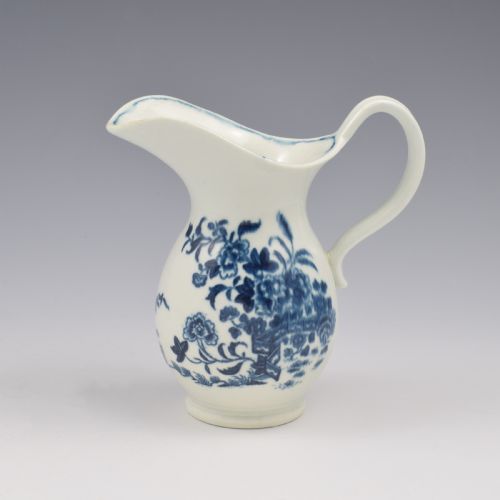
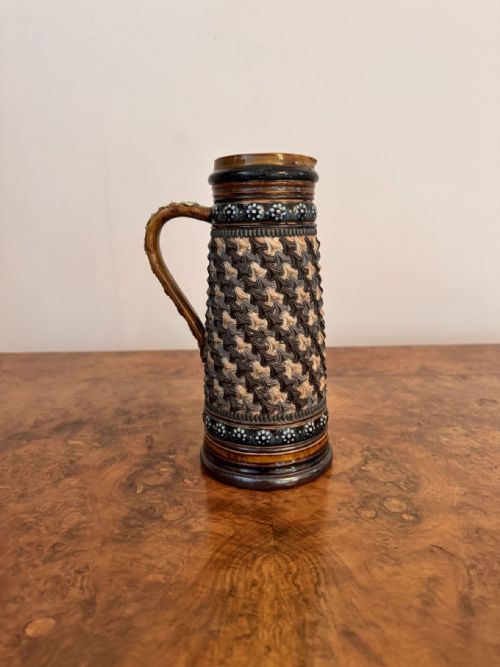
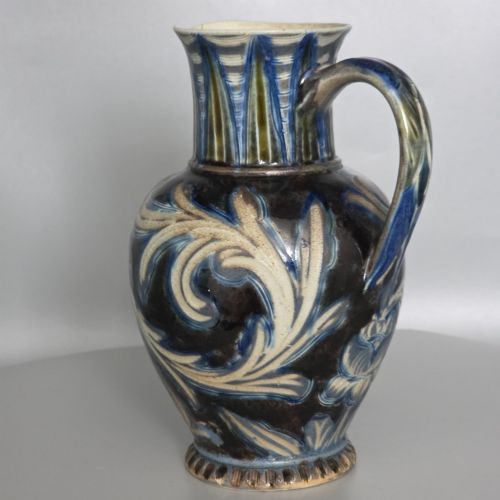
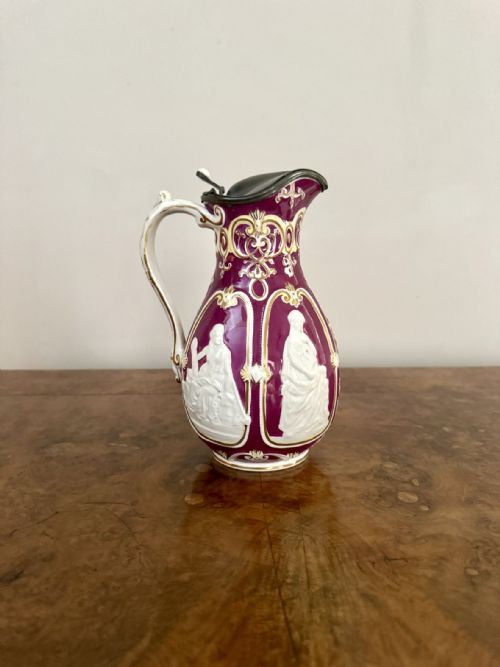
Four ceramic strands run through it. Relief-moulded pottery and stoneware, with decoration standing proud of the body, make up roughly a fifth. Transfer-printed and named-pattern blue and white and ironstone account for about a quarter. Porcelain is around an eighth, and salt-glazed art pottery stoneware forms the most concentrated single-name group.
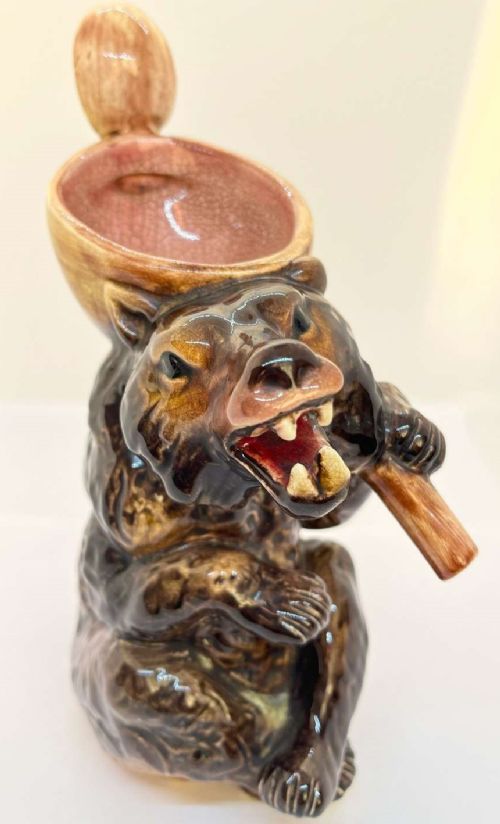
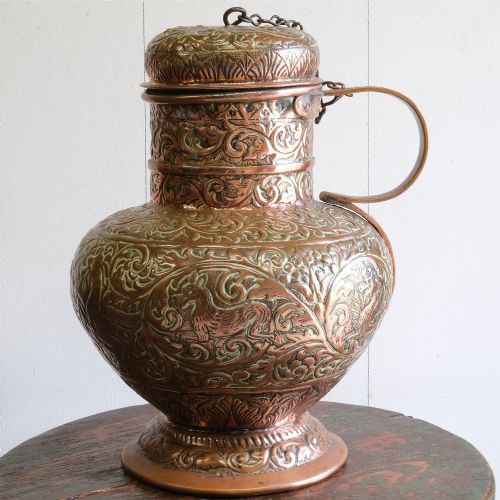
Roughly one in eight is not ceramic at all: cut glass, cranberry and amber glass, copper jugs and cans, silver plate, a coopered oak jug, a galvanised railway jug. The dealers' dating field runs 1800 to 1930, but the pieces themselves reach past both ends, from late-17th-century Dutch Delft to 1930s deco.
What Moves The Price
Size is the attribute dealers advertise hardest. 'Large' appears in about one title in seven, and the pieces with a stated capacity, a gallon and a gallon and a half of stoneware, sit in the upper half of the range. Small jugs sell, but they sell quietly.
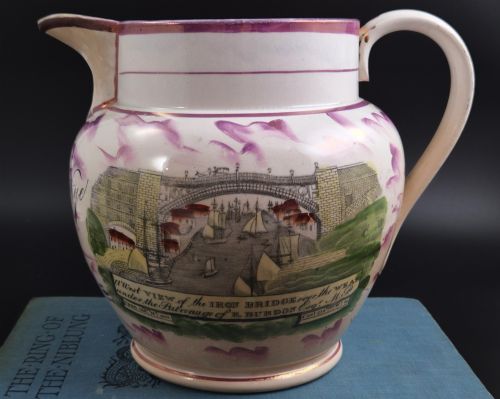
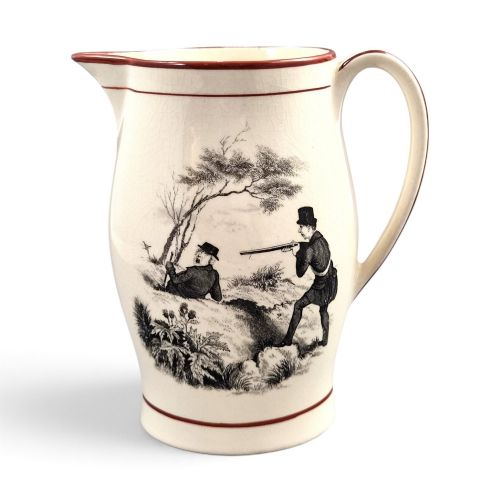
A name does more work than a body. Named patterns and named shapes, Hydra, Gwent, Harlech, Pagoda, Bethesda, Pine Cone, Flying Bird, Trophies Marble, Fisher Boys, are stated as the point of the listing rather than as a footnote. The same goes for a documented subject: bull baiting, a naval hero, a jubilee, a friendly society, an American public building in transfer print. Plain jugs sit below them.
Age and completeness pull in the same direction. Late-17th and early-18th-century Dutch Delft, an 18th-century copper jug and Georgian porcelain hold the top of the range, while 1930s deco and pressed glass hold the bottom. Graduated trios and jug-with-basin groupings sit above single jugs of comparable body.
Antique Water Jugs Retail Price Guide 2026
Typical UK retail prices for water jugs, calculated from the Sellingantiques database of over a million retail prices indexed since 2003. This retail price guide relies exclusively on Sellingantiques data; no external sources or auction records are used, so the figures do not describe the wider market.
The most expensive water jug ever sold on Sellingantiques was a spindle and water-pipe bag made by Afshar nomads of Kerman Province, southern Persia. It sold in March 2025.
The Antique Water Jugs Glossary
- Ewer
- A tall jug with a wide lip, usually for water. Titles use it interchangeably with 'jug'.
- Jug and bowl set
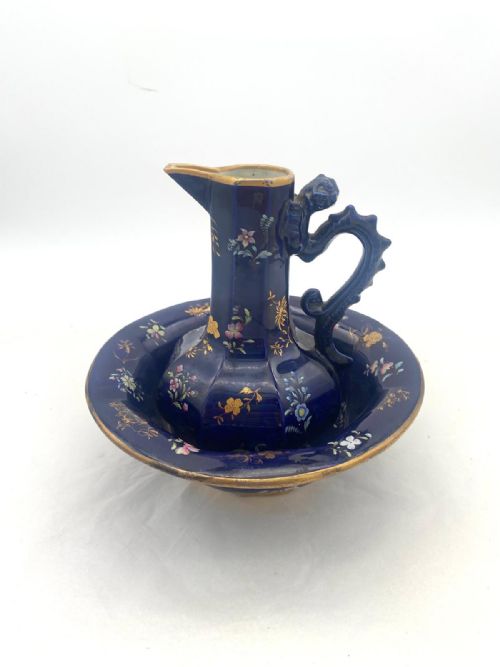
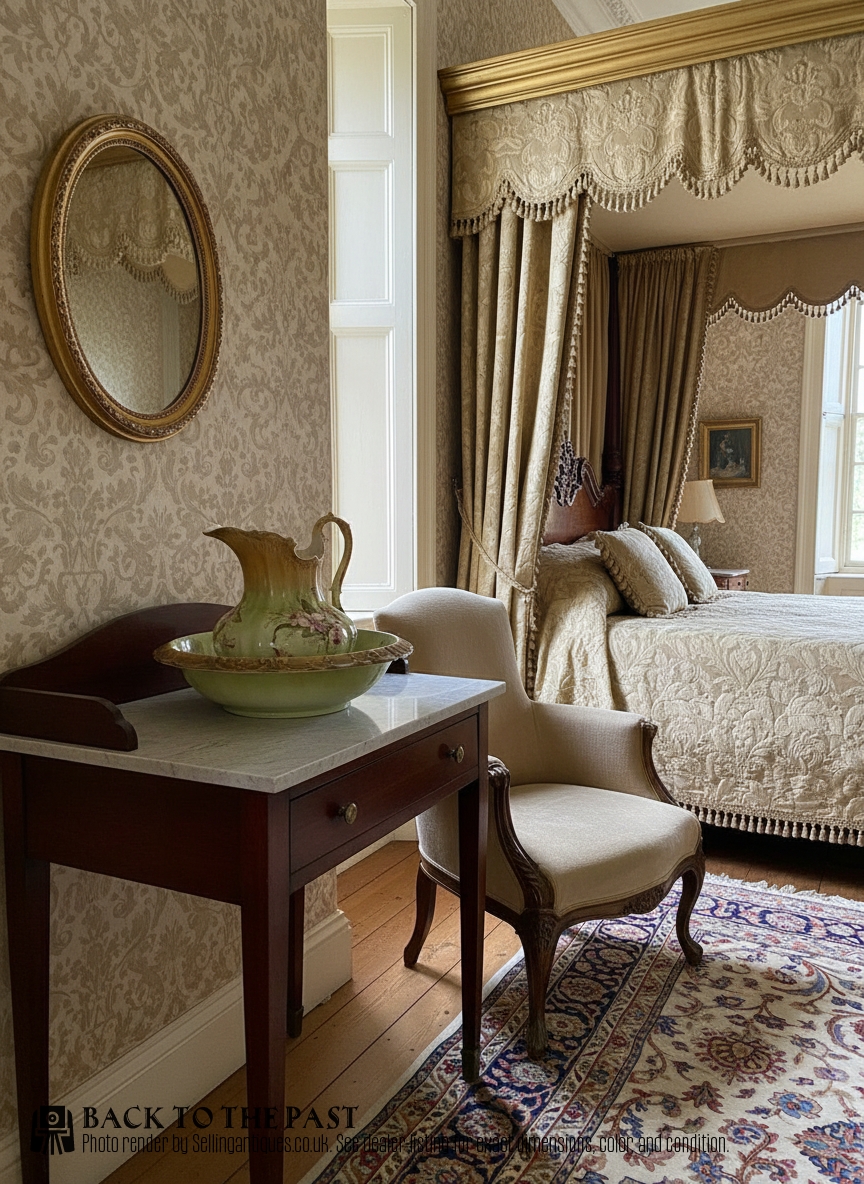
- A washstand pairing of jug with matching basin, sometimes extended to a four-piece group or a footbath.
- Ironstone
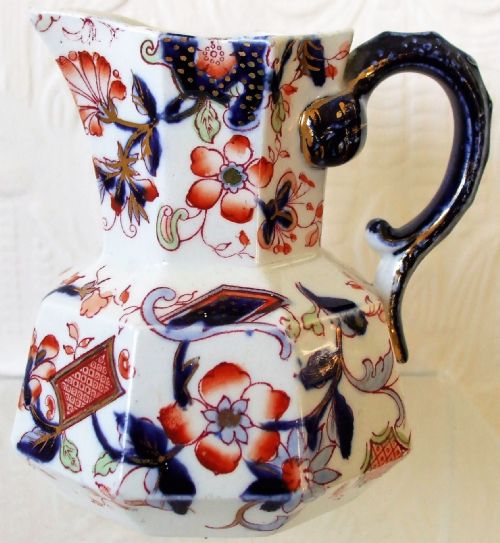
- Dense, hard-fired earthenware body. Common here for the large printed jugs and those in an Imari palette.
- Relief moulded
- Decoration standing proud of the body, formed in the mould rather than painted. A whole sub-group of jugs is described this way.
- Hydra jug
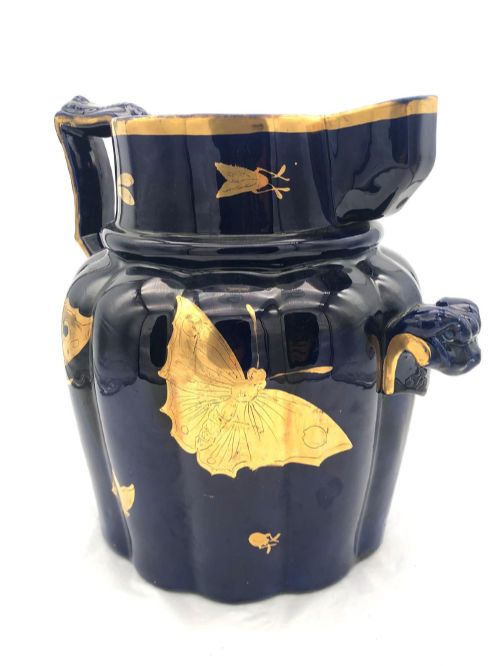
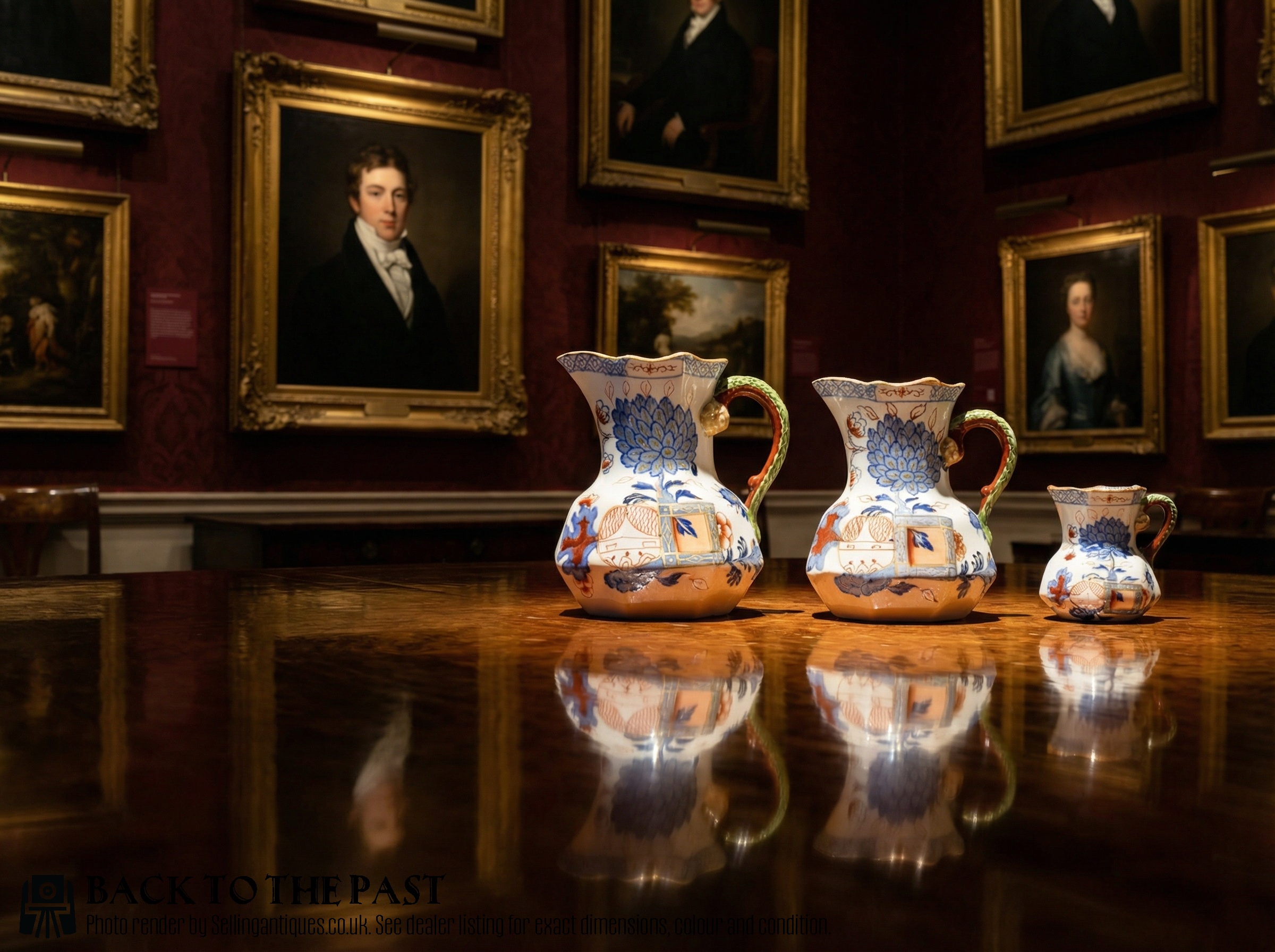
- A named ironstone shape with a serpent-form handle. It recurs in graduated sets of three.
- Gaudy Welsh
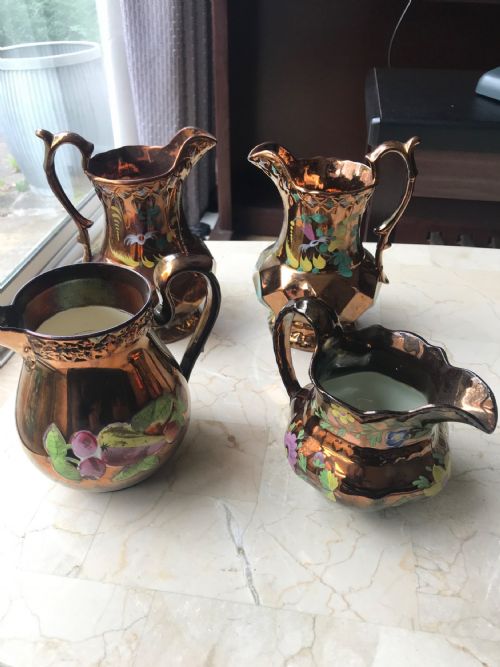
- Boldly coloured pottery in cobalt, pink lustre and iron-red, with named patterns such as Gwent, Harlech and Pagoda.
Antique Water Jugs: Frequently Asked Questions
How many water jugs come up for sale?
Around thirteen come to market in a typical year on Sellingantiques, and fifty-one different dealers have listed one. No single dealer holds the category.
That spread is part of why the material varies so widely from listing to listing.
What period are most of these from?
The dealers' dating field runs 1800 to 1930. Of 115 listings, only 49 carry a clean year, and '19th Century' alone accounts for 24 of them.
Where decades are given they cluster in the 1880s and 1890s, then the 1850s, 1900s and 1930s. Georgian, Victorian and Regency also appear as period words in place of a year.
Are jugs usually sold with a matching bowl?
No. Most titles are single jugs.
That said, at least nine listings pair the jug with a bowl, basin, washbasin or footbath, so the washstand set is a steady presence rather than the norm.
What does a graduated set mean?
Three jugs of the same pattern in descending sizes, sold together as one lot.
They turn up in parian, in ironstone and in plain Victorian earthenware, and they sit above single jugs of comparable body in the range.
Do any non-ceramic water jugs appear?
Roughly one in eight of the samples is something other than pottery or porcelain. Cut glass, cranberry and amber lemonade glass, hand-blown Italian glass, copper jugs and cans, and silver plate all feature.
The outliers go further still: a coopered oak jug with a figural spout, a galvanised railway jug, and a Japanese Meiji-period jug each appear once.
Which jugs carry commemorative subjects?
Subject and commemorative jugs recur across the whole range. Titles name bull baiting, Admiral Lord Nelson, Sir Robert Peel, Victoria and Wellington, a Queen Victoria jubilee, Oddfellows, and a print of Boston State House and New York City Hall.
Dealers pitch these above plain jugs, and the subject is generally the first thing stated in the title.