


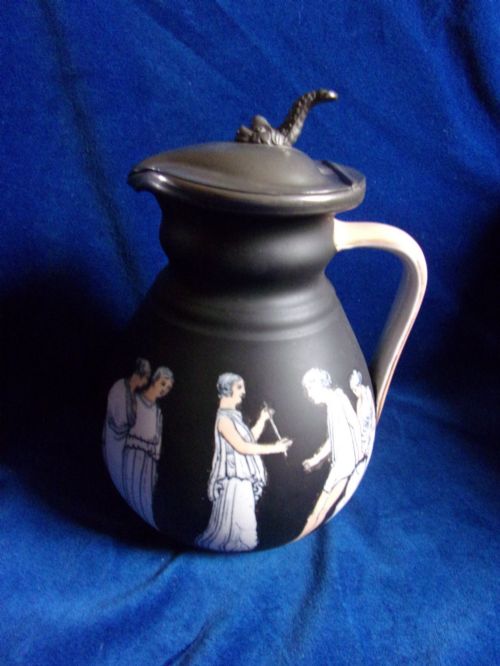
Antique Pitchers
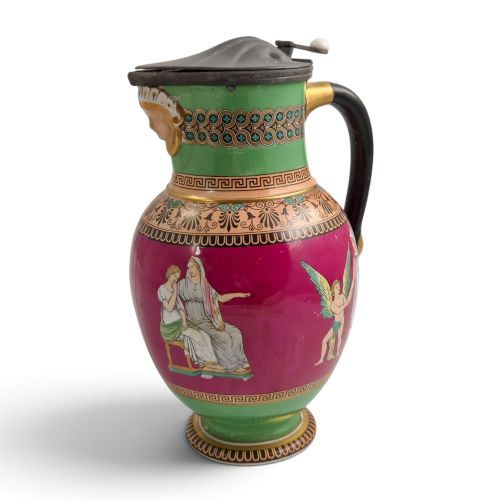
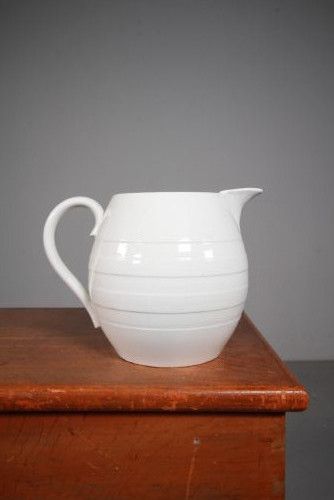
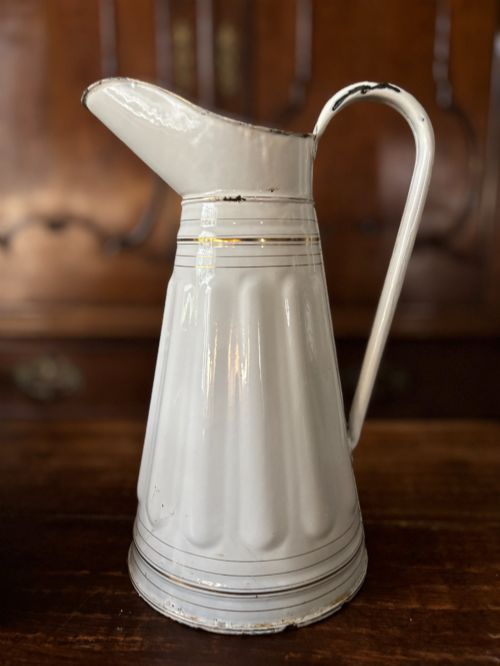
A handled vessel with a lip for pouring, made in graduated sizes for cream, milk, ale and water, and in larger ewers paired with a washstand basin.
Antique Pitchers
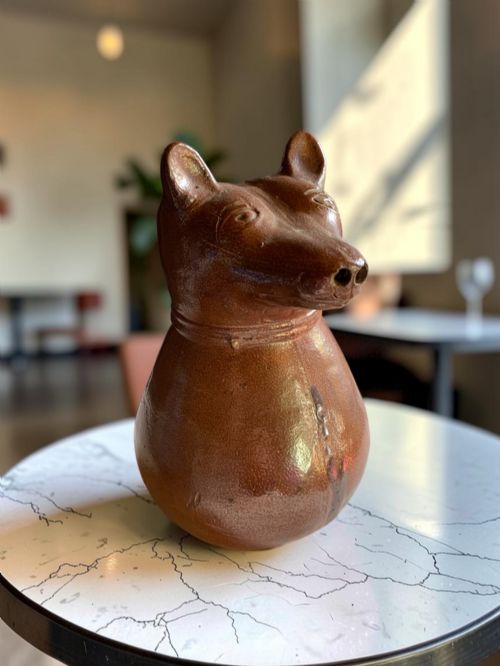
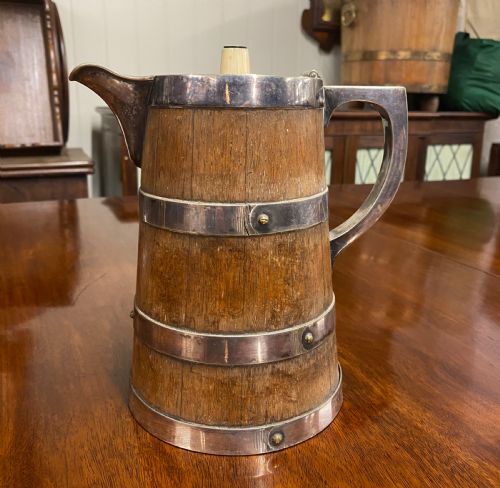
The heading covers pouring vessels of every size, but the word dealers use is jug: 209 of 247 titles on Sellingantiques say so outright. Pitcher and ewer turn up for the larger and more ornamental ones. Pottery and porcelain make up the bulk of the body, with smaller runs of stoneware, glass, copper, silver or silver-plate and pewter.
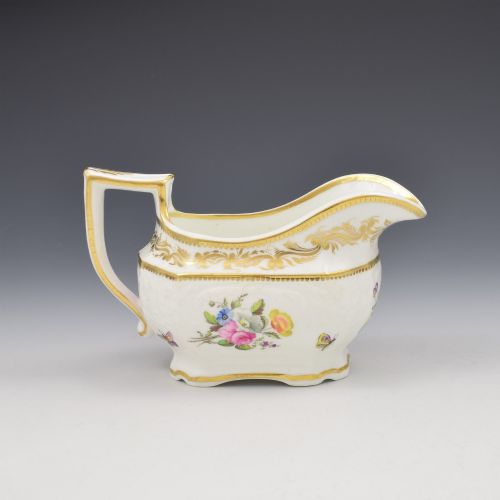
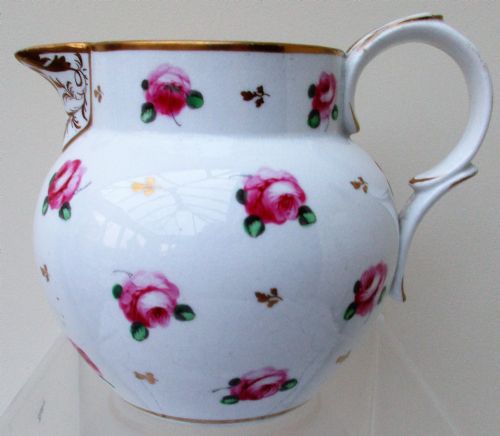
The piece you're most likely to meet is a single English pottery or porcelain jug of the 19th century. "19th Century" is the largest period entry at 61 listings, Victorian appears in 50 titles, and Staffordshire in 24. Sales are mostly single, with ten titles offered as a pair and a scatter of graduated sets of three or four.
Size runs a long way. At one end, small sparrow-beak cream and milk jugs for the tea table. At the other, gallon-plus water jugs, footbath jugs, and complete jug-and-bowl toilet sets, with fifteen titles carrying "bowl".
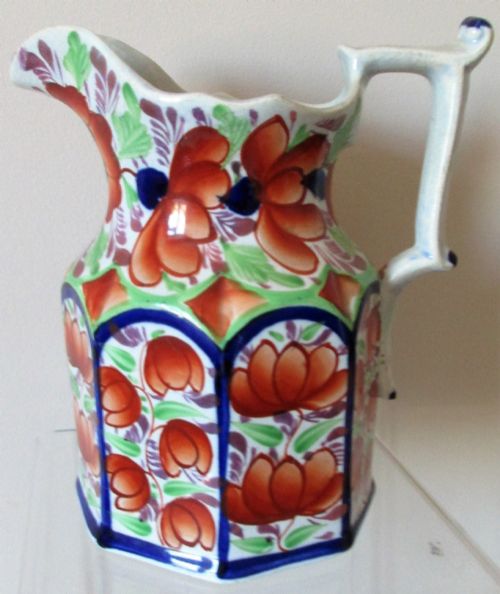
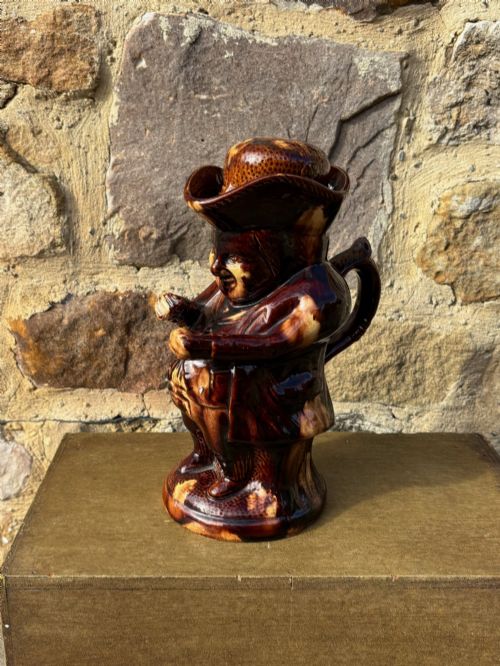
Several families recur within that. Lustreware in copper, silver, pink and Sunderland splash accounts for roughly a tenth. Gaudy Welsh earthenware arrives under named patterns such as Pagoda, Harlech and Gwent. Doulton Lambeth and Royal Doulton stoneware, Toby and character jugs, and ironstone hydra jugs each form a steady run.

What Moves The Range
Size does a lot of the work. "Large" appears in 31 titles, and the upper reaches are held by a one-gallon Georgian blue and white jug, a gallon-and-a-half stoneware jug, footbath jugs and a 34cm Hungarian pottery jug. Small cream and milk jugs sit at the bottom.
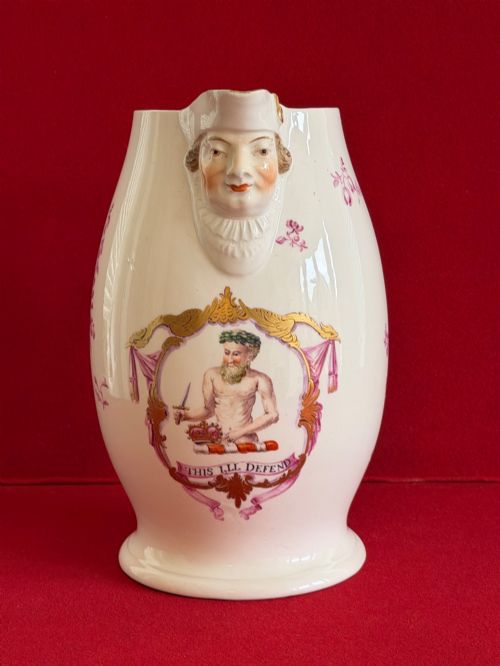
Naming counts for as much. Pattern appears in 22 titles, and the higher-priced pieces carry a factory or a pattern name in the title, from named ironstone patterns to a Shakespeare jug and a Gaudy Welsh pattern. The lowest simply read "Stoneware jug" or "19th C decorated jug".
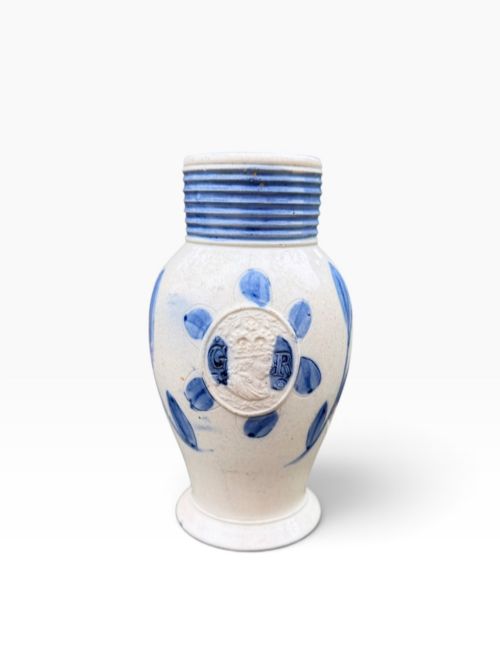
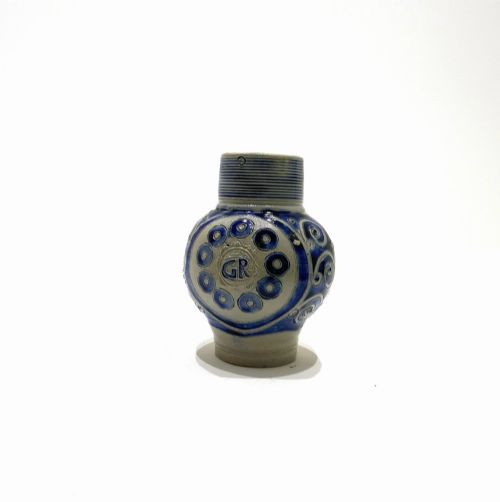
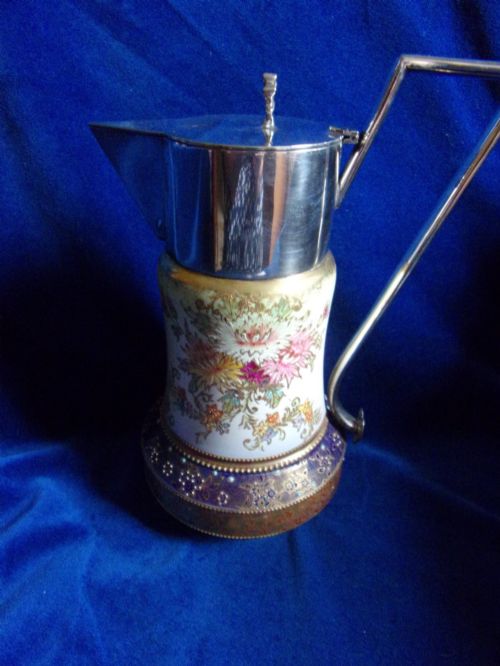
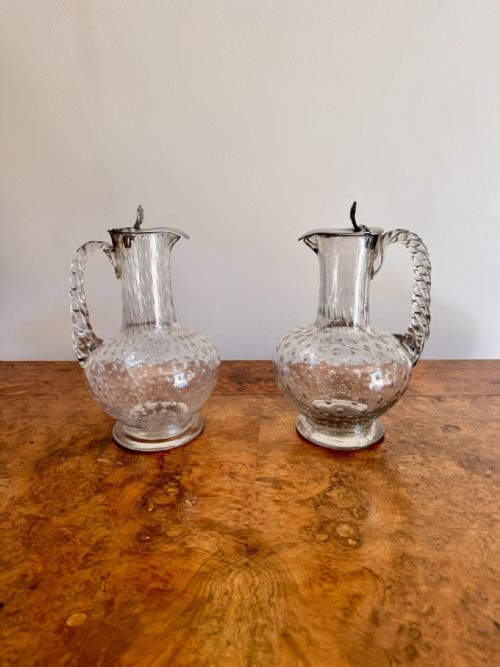
Then date, body and material. The top of the range is occupied by 17th and early 18th century Westerwald and Siegburg stoneware, Dutch Delft and slipware, and by 18th-century porcelain. Silver appears in twelve titles, in mounted claret jugs and silver-rimmed harvest jugs, and hand-painted work sits high too. Matched pairs and sets lift a group above the sum of its parts.
Antique Pitchers Retail Price Guide 2026
Typical UK retail prices for pitchers, calculated from the Sellingantiques database of over a million retail prices indexed since 2003. This retail price guide relies exclusively on Sellingantiques data; no external sources or auction records are used, so the figures do not describe the wider market.
Dealers' own dating on Sellingantiques runs from 1750 to 1940, though most pitchers carry an era label rather than a year.
The Antique Pitchers Glossary
- Jug, pitcher, ewer
- Used interchangeably in titles for the same handled pouring vessel. Pitcher and ewer tend to signal a larger or more ornamental one.
- Sparrow beak
- A small pinched triangular lip found on 18th-century cream and milk jugs, and named in several porcelain listings.
- Jug and bowl set
- A washstand ewer with its matching basin, sometimes extending to a four-piece set. Fifteen titles carry the word bowl.
- Lustre
- A thin metallic film over the glaze giving copper, silver or pink iridescence. Twenty titles use the word, Sunderland nine.
- Ironstone
- A dense, durable earthenware used for heavy patterned jugs, in eleven titles. The hydra shape, with its serpent or dragon handle, belongs to this group.
- Puzzle jug
- A pierced-neck novelty that must be drunk from the right spout. It recurs in stoneware, ironstone, salt glaze and 18th-century Dutch Delft.
Antique Pitchers: Frequently Asked Questions
What is the difference between a jug and a pitcher?
Nothing much, in practice. Titles use jug, pitcher and ewer for the same handled pouring vessel, and jug is far and away the commonest word on Sellingantiques.
Pitcher and ewer lean towards the larger or more decorative end, particularly washstand ewers made to stand with a basin.
How old are most of them?
The dealers' own dating runs from 1750 to 1940, and 89 listings carry a clean year. The single commonest entry is the vaguer "19th Century", at 61 listings, so a jug described that way could sit anywhere across a hundred years.
Where decades are given they cluster late: the 1880s, 1900s and 1890s lead. Georgian appears in twenty titles, Edwardian in ten, and c1830 in eight.
Which types turn up most often?
English pottery and porcelain jugs of the 19th century, sold singly. "Pottery jug" on its own accounts for seventeen titles.
Within that, lustreware is the largest recurring family, followed by Gaudy Welsh named patterns, Doulton Lambeth stoneware, Toby jugs, and ironstone hydra shapes.
Are foreign jugs found alongside the English ones?
Occasionally. German Westerwald and Siegburg stoneware, Dutch and Brussels faience, Italian majolica and Cantagalli lustre, Austrian and Czech glass, Chinese Qianlong porcelain and Hungarian Zsolnay all appear once or twice.
They sit against an overwhelmingly English body of stock, which is why the continental pieces stand out in the archive.
What is a Gaudy Welsh jug?
Boldly enamelled and lustred earthenware, listed under named patterns. Bethesda, Conwy, Grape, Gower, Drape, Pagoda, Harlech and Aberaeron all appear in titles.
Thirteen titles use the term, making it about one listing in twenty.
Do jugs come in matched sets?
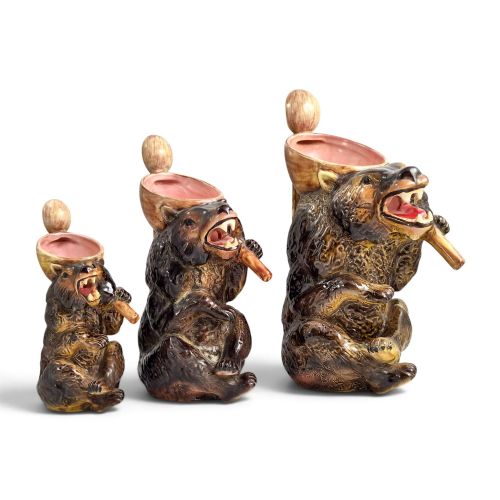
Yes, though singles dominate. Ten titles are offered as a pair, and graduated sets of three and four turn up in blue and white Staffordshire and in named ironstone shapes.
The other kind of set is the washstand group: a large ewer with its basin, sometimes with further pieces, and fifteen titles carry the word bowl.