
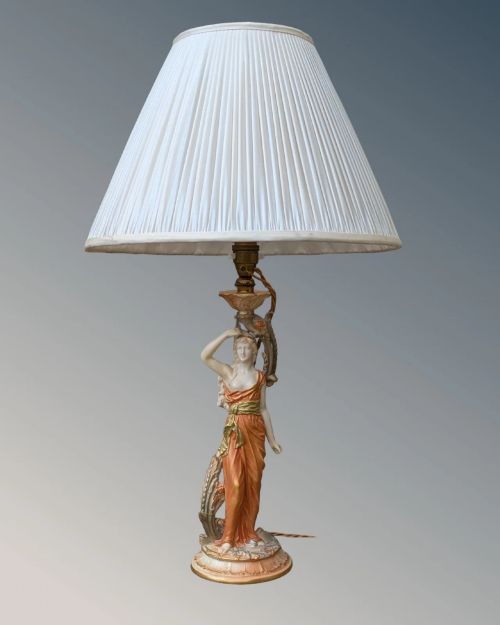


Victorian Royal Worcester
Victorian Royal Worcester encompasses fine British porcelain and earthenware vessels, figures and decorative items sought after for their intricate hand-painted designs and sculptural mastery.
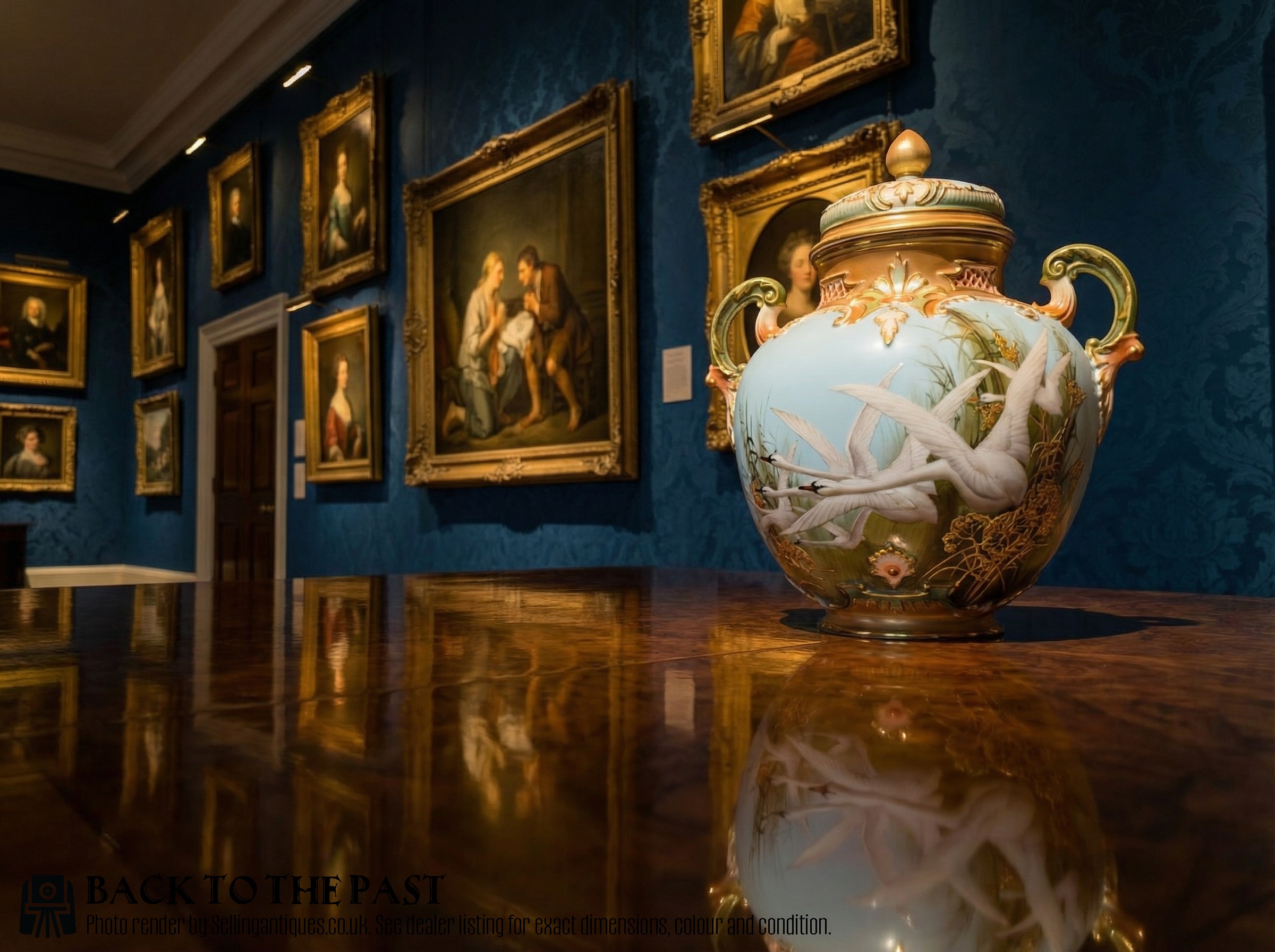
Victorian Royal Worcester
Victorian Royal Worcester spans a diverse array of decorative and utilitarian ceramics, including vases, ewers, figural groups, jardinières and tableware produced during the nineteenth century and into the early twentieth century.
The objects frequently reflect historicist and global influences, ranging from classical neoclassical forms to elaborate orientalist and aesthetic movement designs.
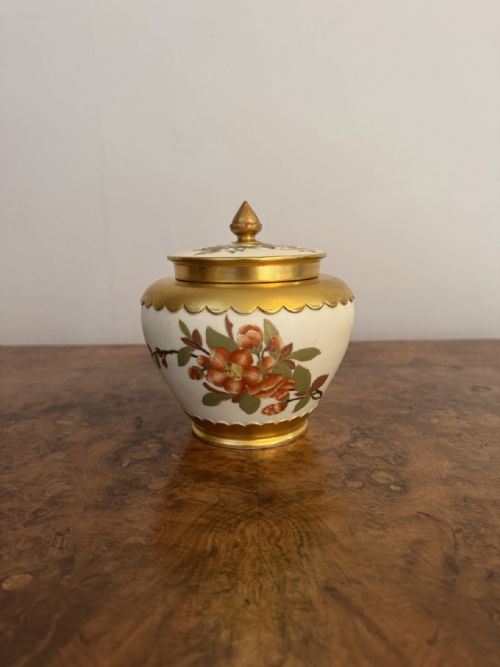
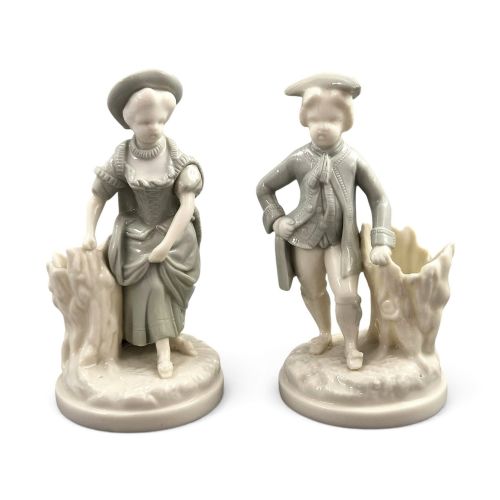
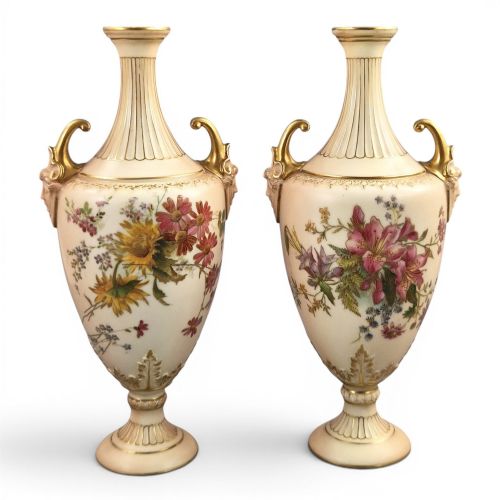
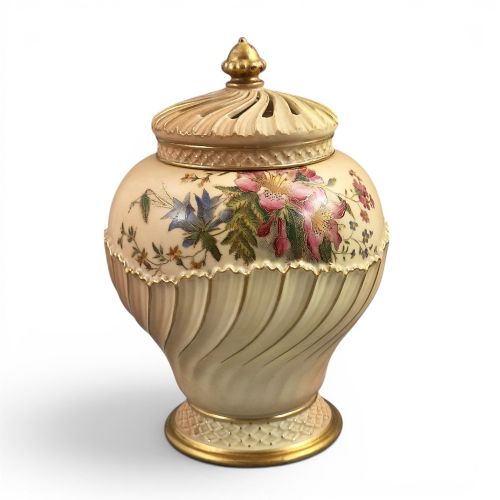
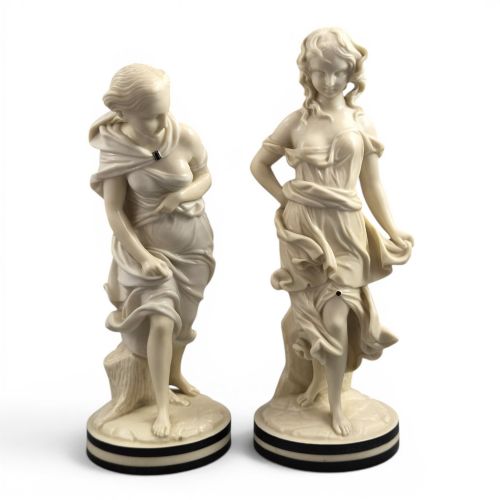
Collectors encounter everything from delicate blush ivory pot-pourri jars and cabinet plates to sculptural figures modelled by notable artists such as James Hadley.
How they were made
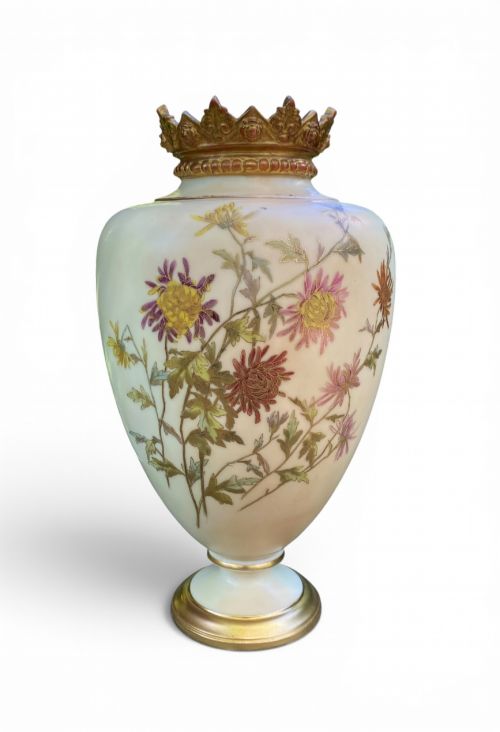
The factory utilised fine porcelain and earthenware, often finished with distinctive blush ivory glazes that provided a soft background for hand-painted floral sprays.
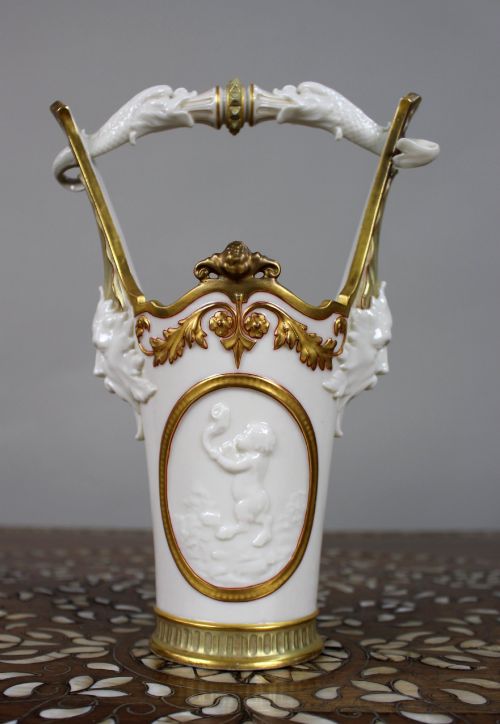
Gilding, gold leaf and enamel embellishments were applied by hand to accentuate handles, rims and sculptural details.
Complex pieces combined slip-casting or moulding with detailed hand-painting and piercing, executed by skilled artisans and named decorators.
Victorian Royal Worcester Retail Price Guide 2026
Typical asking prices for victorian royal worcester among the pieces listed under this phrase on Sellingantiques today, from the lower quarter to the upper quarter. They describe what is for sale here now, not the wider market.
Listings feature items spanning the Victorian, Edwardian, and early twentieth-century periods, utilising porcelain, parian ware, and earthenware.
What varies in quality
The distinction between standard production wares and exceptional pieces rests upon the complexity of the modelling and the renown of the decorator or modeller.
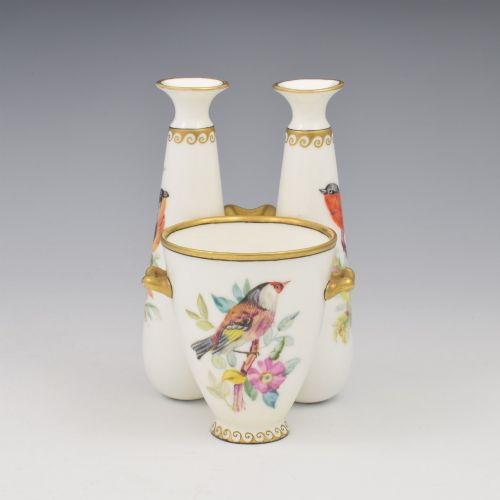
Hand-painted precision, particularly in intricate subjects like birds, figures and floral studies, separates standard items from exhibition-grade works.
The presence of specialised finishes, such as Patent Metallic glazes, raised gilding and jewelled enamelling, elevates the artistic merit of individual pieces.
James Hadley·Kerr And Binns·Edward Raby·C Baldwyn·Walter Sedgley
The Victorian Royal Worcester Glossary
- Blush Ivory
- A soft, creamy matte glaze introduced by Royal Worcester that mimics the appearance of ivory and serves as a ground for floral decoration.
- Parian Ware
- A fine biscuit porcelain resembling marble, utilised primarily for unglazed sculptural figures and busts.
- Pot-Pourri
- A perforated vessel designed to hold scented dried plant material, often featuring a fitted cover.
- Ewer
- A large jug with a wide spout and elaborate handle, traditionally used for holding water but produced here as a decorative ornament.
- Jardinière
- An ornamental ceramic pot or stand designed to hold growing plants or flowers.
Victorian Royal Worcester: Frequently Asked Questions
How do I date a piece?
Royal Worcester utilised a systematic dot and symbol date code network impressed or printed on the underside of ceramic bodies. These marks allow collectors to determine the exact year of manufacture.
Additional dating clues come from the shape numbers, registration marks, and the specific evolution of the factory's puce and green backstamps over the decades.
Who were the notable artists?
The factory employed talented modellers and painters whose signatures or stylistic traits identify premier works. James Hadley shaped numerous figural groups, while specialists like Edward Raby and C Baldwyn painted flora and birds respectively.
Pieces bearing these artist signatures command particular attention from collectors seeking documented authorship.
What is blush ivory?
Blush ivory is a signature proprietary glaze developed during the late nineteenth century that creates a warm, non-reflective matte surface. It became the canvas for hand-painted wildflowers and gilded accents.
This finish defines much of the domestic output from the period and remains highly recognizable today.
How should I display them?
These ceramics require stable placement away from direct sunlight to preserve the integrity of the hand-painted enamels and delicate gilding. Enclosed cabinets protect protruding handles, openwork, and fragile figural extremities from accidental damage.
Grouping items by period or palette highlights the subtle variations in nineteenth-century ceramic design.