


Blush Ivory Vase
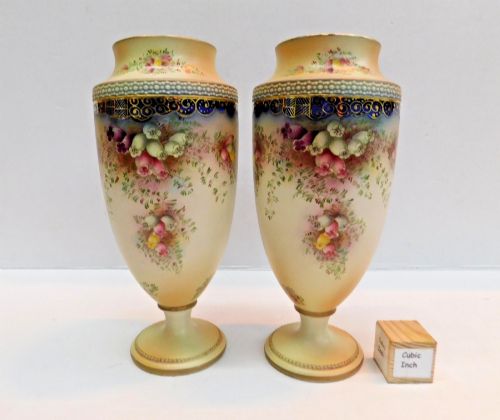
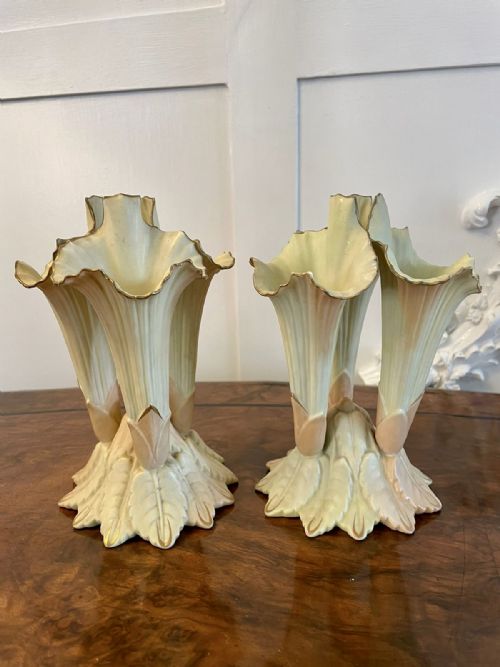
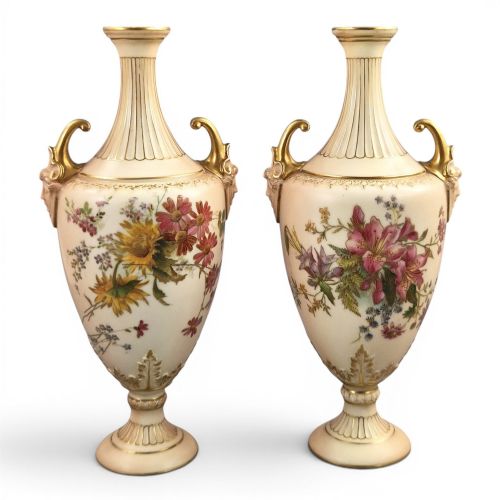
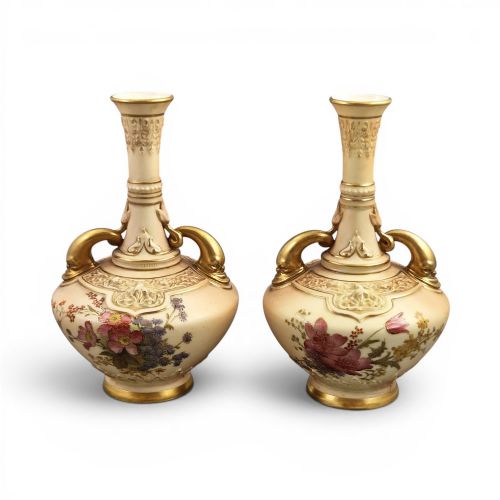
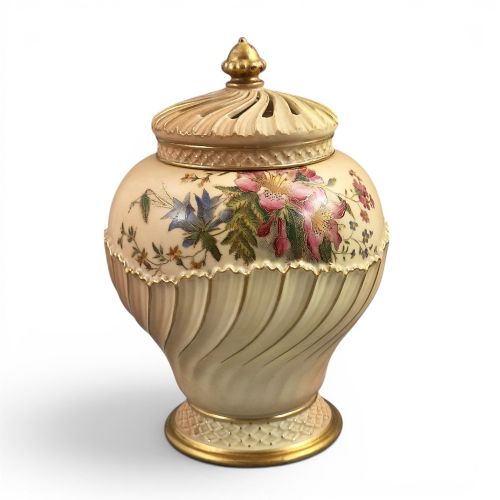
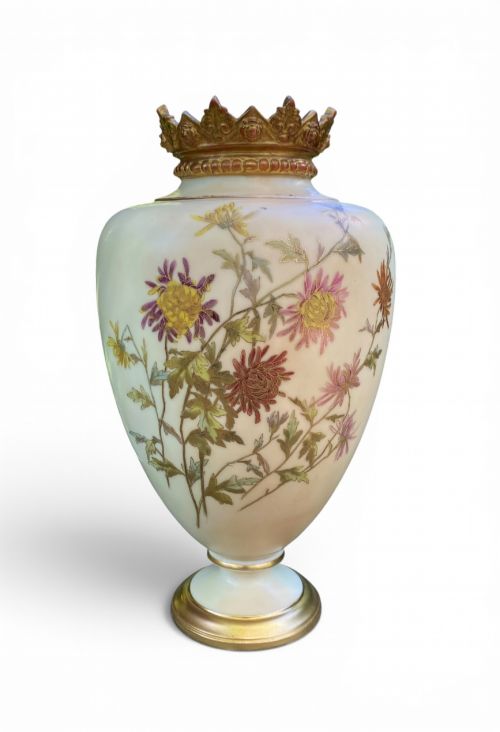
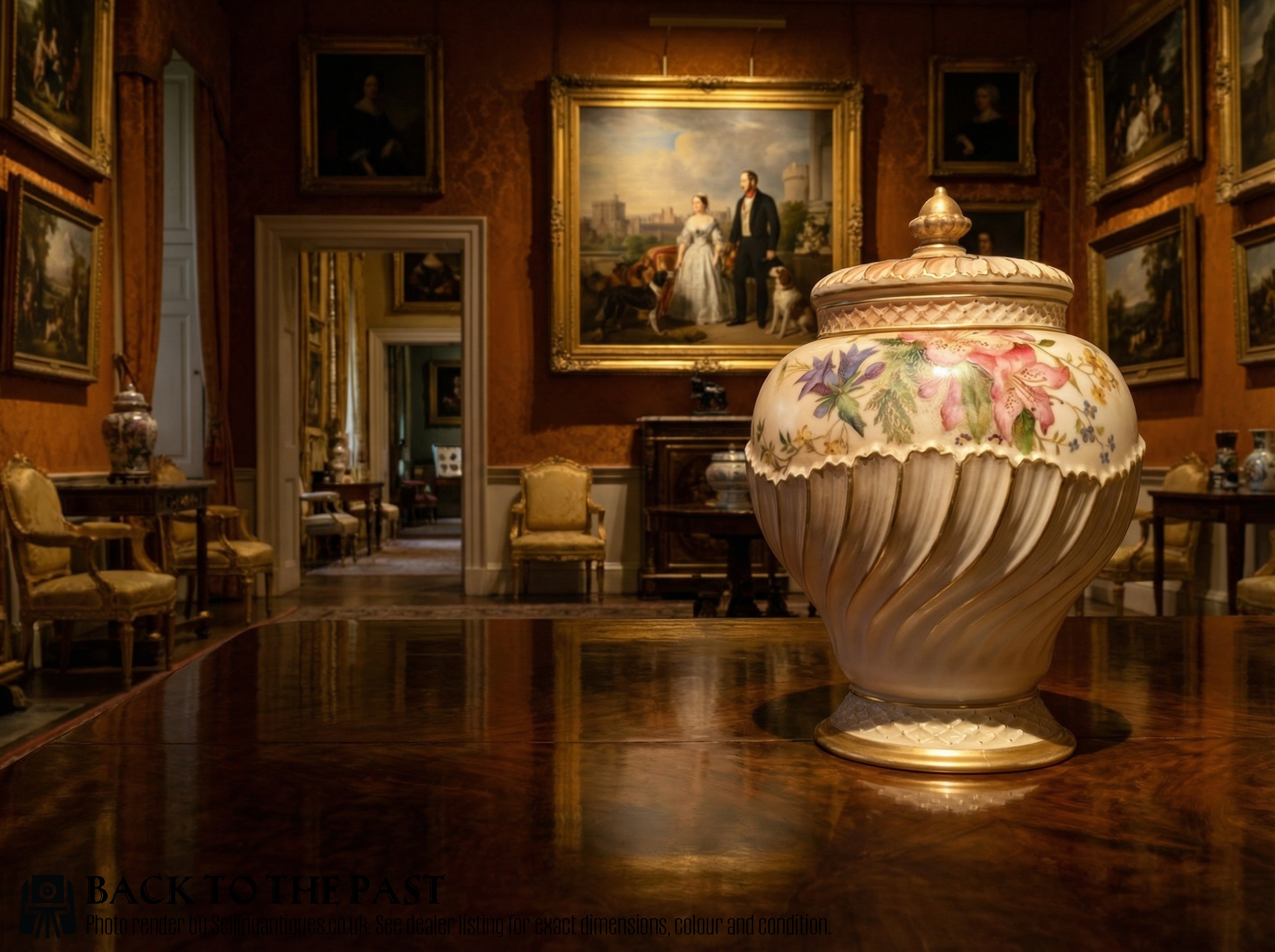
A blush ivory vase brings a soft, creamy porcelain body and delicate floral painting from the late nineteenth and early twentieth centuries into a room.
Blush Ivory Vase
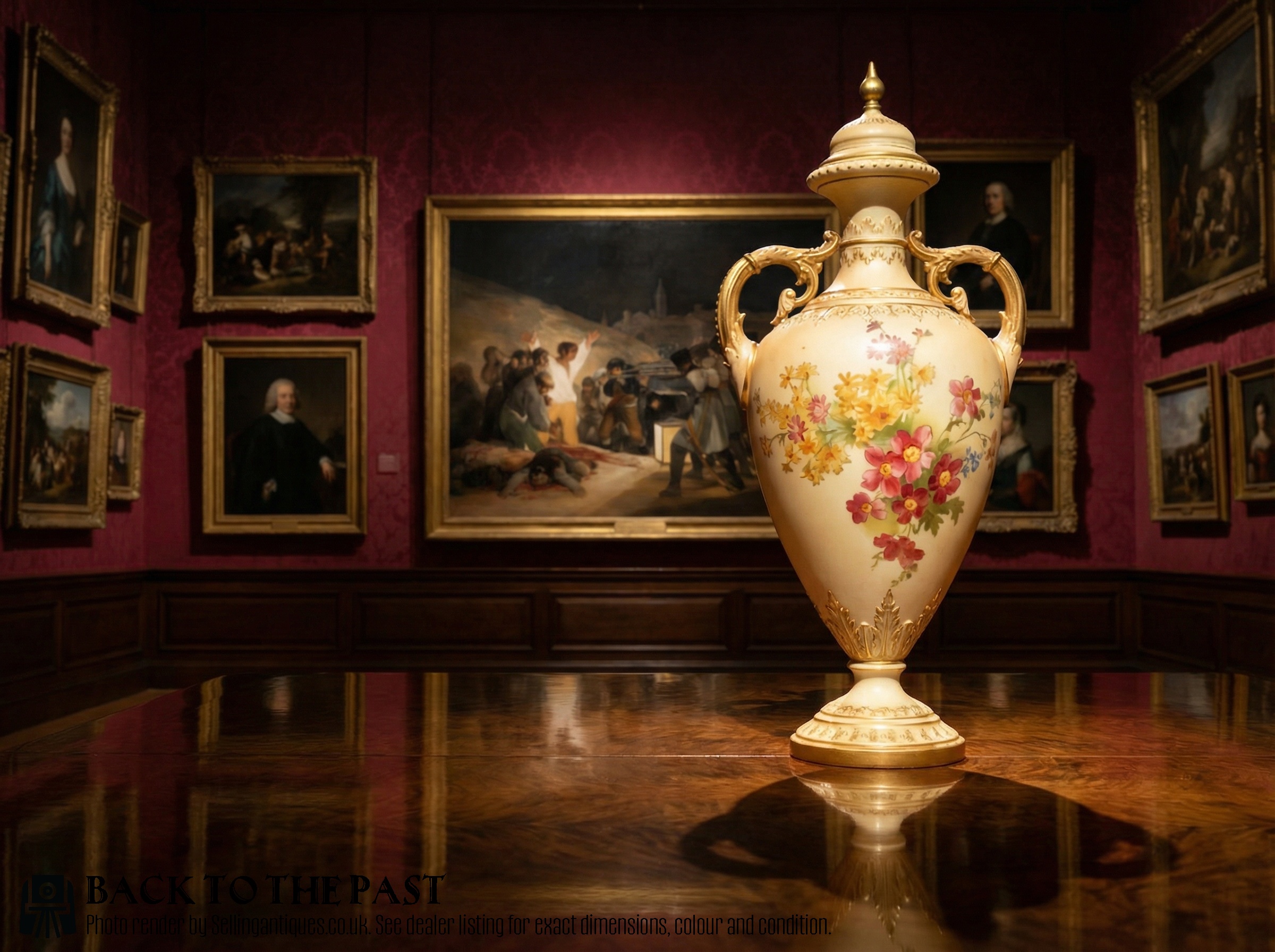
When you search for a blush ivory vase, you encounter British ceramic production from the late Victorian and Edwardian periods, predominantly shaped as ewers, pot-pourri jars, and pedestal urns. The vast majority of these pieces originate from the Royal Worcester factory, alongside select output from Locke & Co. and W&R Carlton Ware.
The aesthetic bridges late nineteenth-century floral naturalism with the refined forms of the Edwardian era, often decorated with hand-painted chrysanthemums, roses, and birds. These domestic ornaments range from modest spill vases to large covered ginger jars and loving cups.
Beyond the standard floral motifs, rarer examples record specific avian subjects by known artists such as James Stinton, adding considerable historic depth to the surviving pieces. Collectors meet these items in pairs as well as individual cabinet pieces.
Materials and production
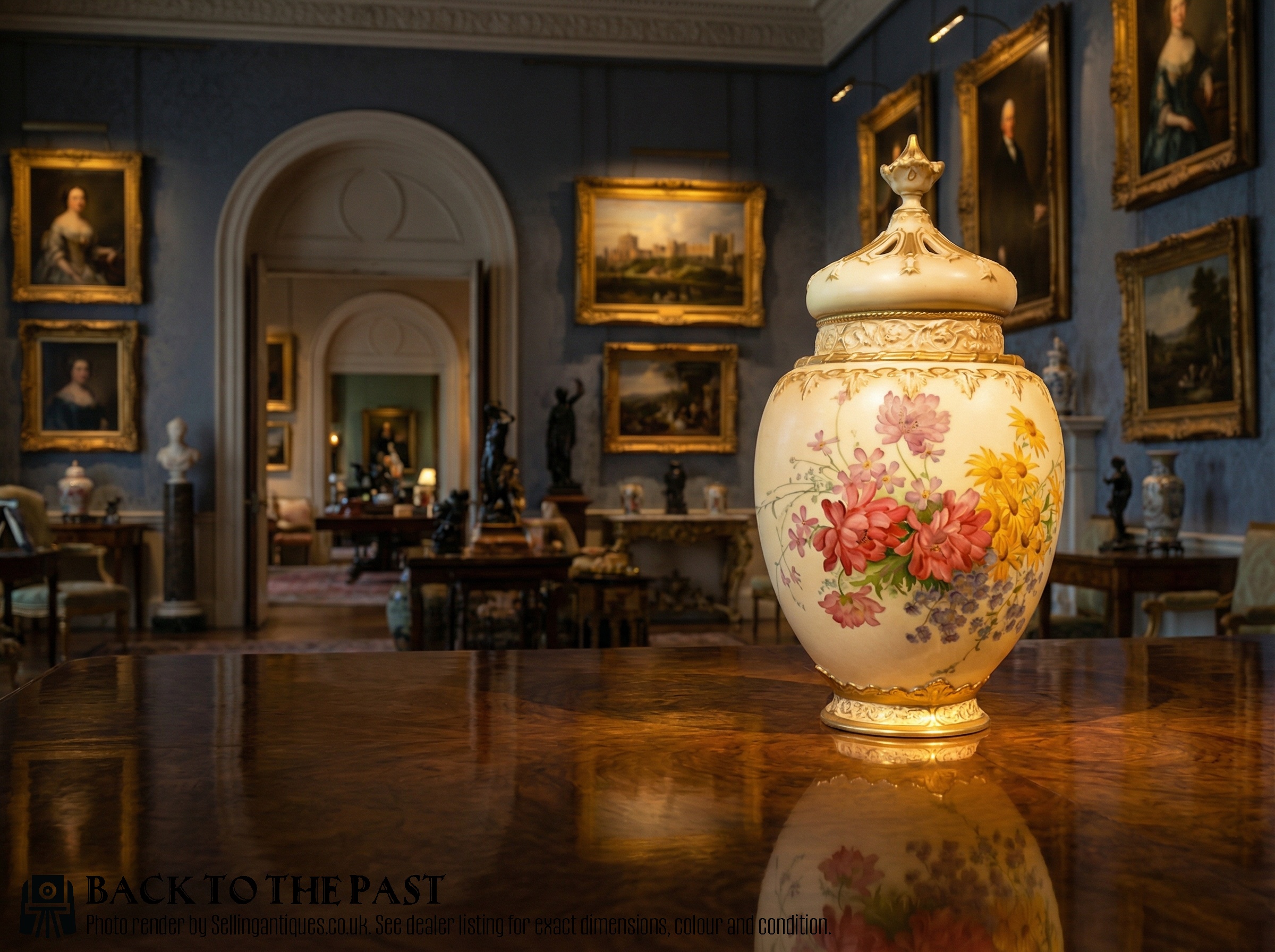
Makers achieved the characteristic matte, creamy ground by applying a specialised ceramic enamel over a porcelain body before firing. This subtle background provided a muted canvas for naturalistic enamel painting of botanical and avian subjects.
Artisans highlighted handles, rims, and moulded details with extensive gilding, gold leaf, and pierced scrollwork. Many items received multiple kiln firings to set the delicate overglaze colours alongside the heavy metallic gilding.
Blush Ivory Vase Retail Price Guide 2026
Typical asking prices for blush ivory vase among the pieces listed under this phrase on Sellingantiques today, from the lower quarter to the upper quarter. They describe what is for sale here now, not the wider market.
Several pieces feature startled storks and butterflies keeping company among the chrysanthemums.
Evaluating quality and execution
Quality rests primarily on the skill of the hand-painting and the complexity of the porcelain moulding, such as dolphin or pierced gilt handles. Pieces bearing the signatures of established painters display a superior level of artistic interpretation in the floral and bird studies.
The crispness of the gilt accents and the evenness of the blush enamel ground distinguish finer examples from standard production. Weight, proportion, and the inclusion of original matching covers on pot-pourri jars also govern the standing of individual pieces.
Royal Worcester·Locke & Co·W&R Carlton Ware·Franz Anton Mehlem
The Blush Ivory Vase Glossary
- Blush ivory
- A soft, creamy ceramic enamel finish developed by nineteenth-century potteries to mimic the warm tone of ivory. This matte ground became the signature backdrop for hand-painted floral decoration.
- Pot-pourri jar
- A covered ceramic vessel pierced with holes in the inner or outer lid to diffuse scent. These containers often feature ornate pedestal bases and elaborate gilt handles.
- Ewer
- A large jug with a flared spout and a scroll handle, modelled after classical metal vessels. Victorian potteries adapted this form into highly decorative cabinet ornaments.
- Spill vase
- A slender container designed to hold wooden spills used for lighting fires or candles. They represent some of the more intimate domestic forms found within this palette.
- Aesthetic Movement
- A late nineteenth-century design current emphasising visual beauty over narrative content. It influenced the integration of Japanese-inspired naturalism onto British porcelain bodies.
Blush Ivory Vase: Frequently Asked Questions
How do I date a blush ivory vase?
Dating relies on the printed factory backstamps underneath the porcelain body, which changed systematically by year in the late nineteenth and early twentieth centuries. Date codes often take the form of dots, symbols, or letters placed near the primary manufacturer mark.
Style and pattern numbers inscribed on the base also help narrow the production window to specific decades such as the Edwardian era or the 1890s.
Were these vases meant for cut flowers?
Most surviving examples functioned primarily as decorative cabinet pieces rather than utilitarian water holders. The delicate overglaze enamel and extensive gilding were susceptible to moisture damage over time.
Pot-pourri jars and covered urns were specifically designed to hold dried scented petals rather than fresh stems, serving both aromatic and visual purposes in period drawing rooms.
How should I clean my porcelain vase?
Dust the surface gently with a soft, dry brush to prevent accumulating grime in the crevices of pierced handles and moulded relief. Avoid liquid immersion or harsh chemical cleaners, which can strip the fragile overglaze enamel and gold leaf.
Examine the piece in natural light before cleaning to locate any delicate hand-painted signatures that require extra care around the painted areas.
Who painted these floral designs?
Many factory pieces were decorated by skilled in-house artists who specialised in botanical studies and avian scenes. Notable painters such as James Stinton and E. Raby sometimes signed their work directly onto the ceramic body.
Unsigned pieces generally reflect standard studio production by anonymous hands following factory pattern books of the period.