
Floral Porcelain Vase
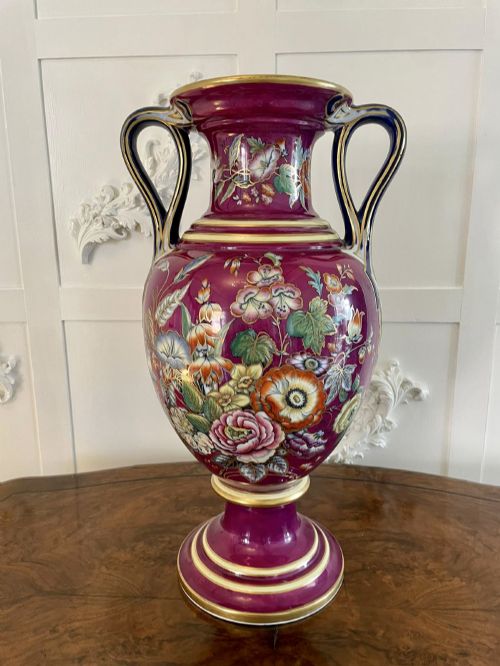
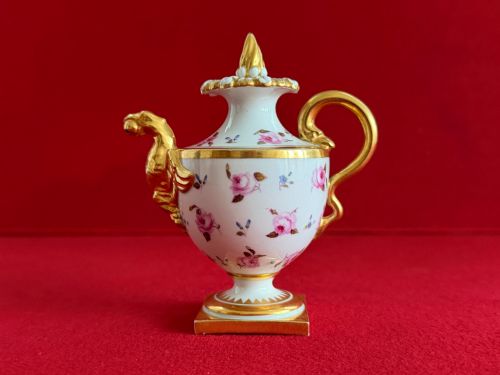
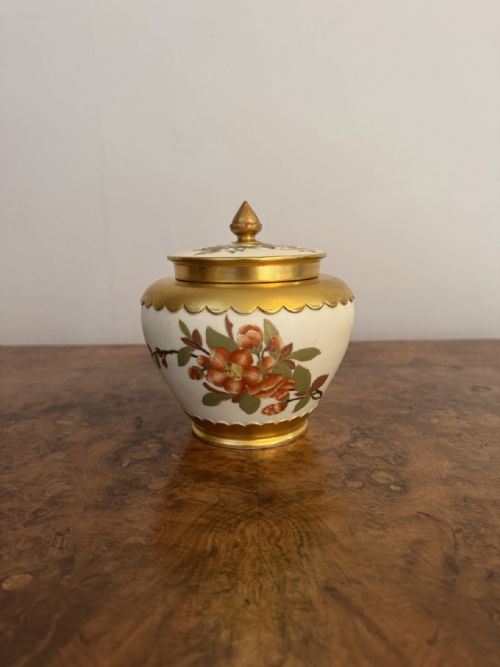
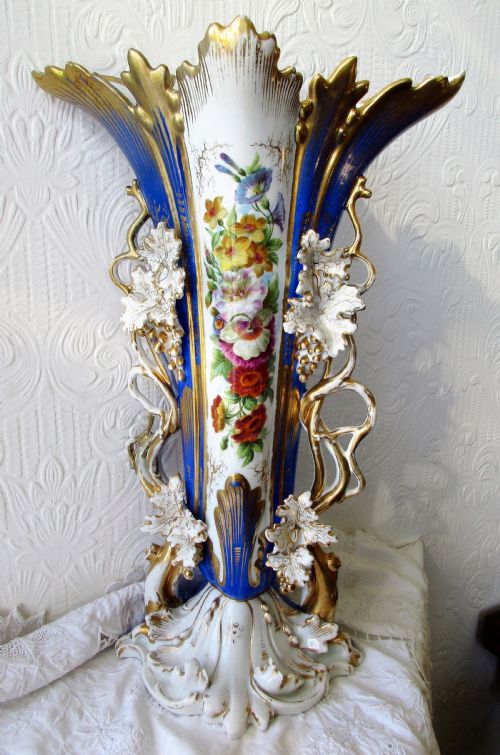
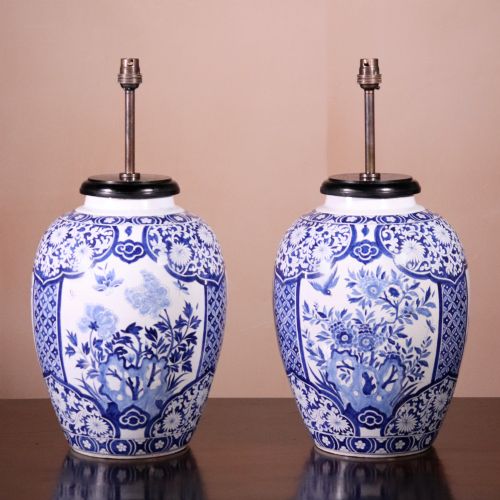
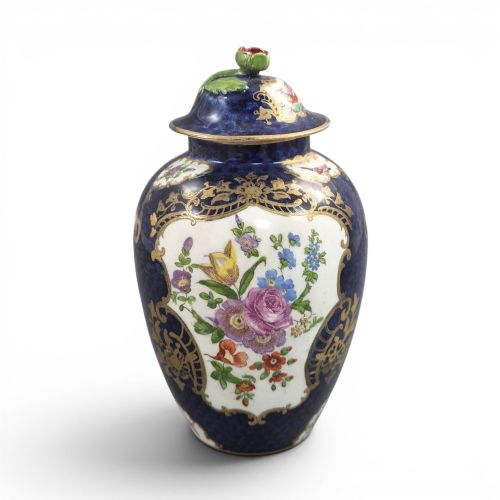
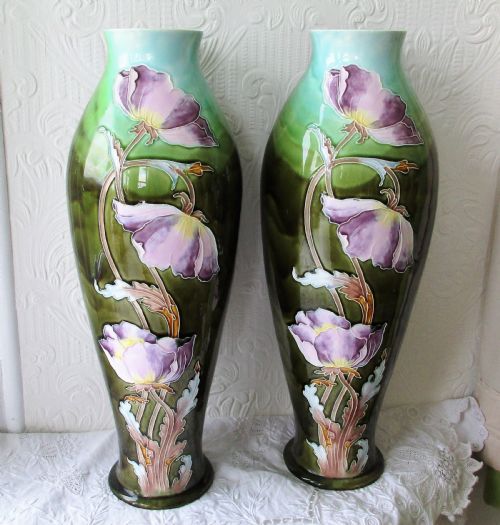
When you search for a floral porcelain vase, you are looking at ceramic vessels decorated with hand-painted or glazed flower motifs.
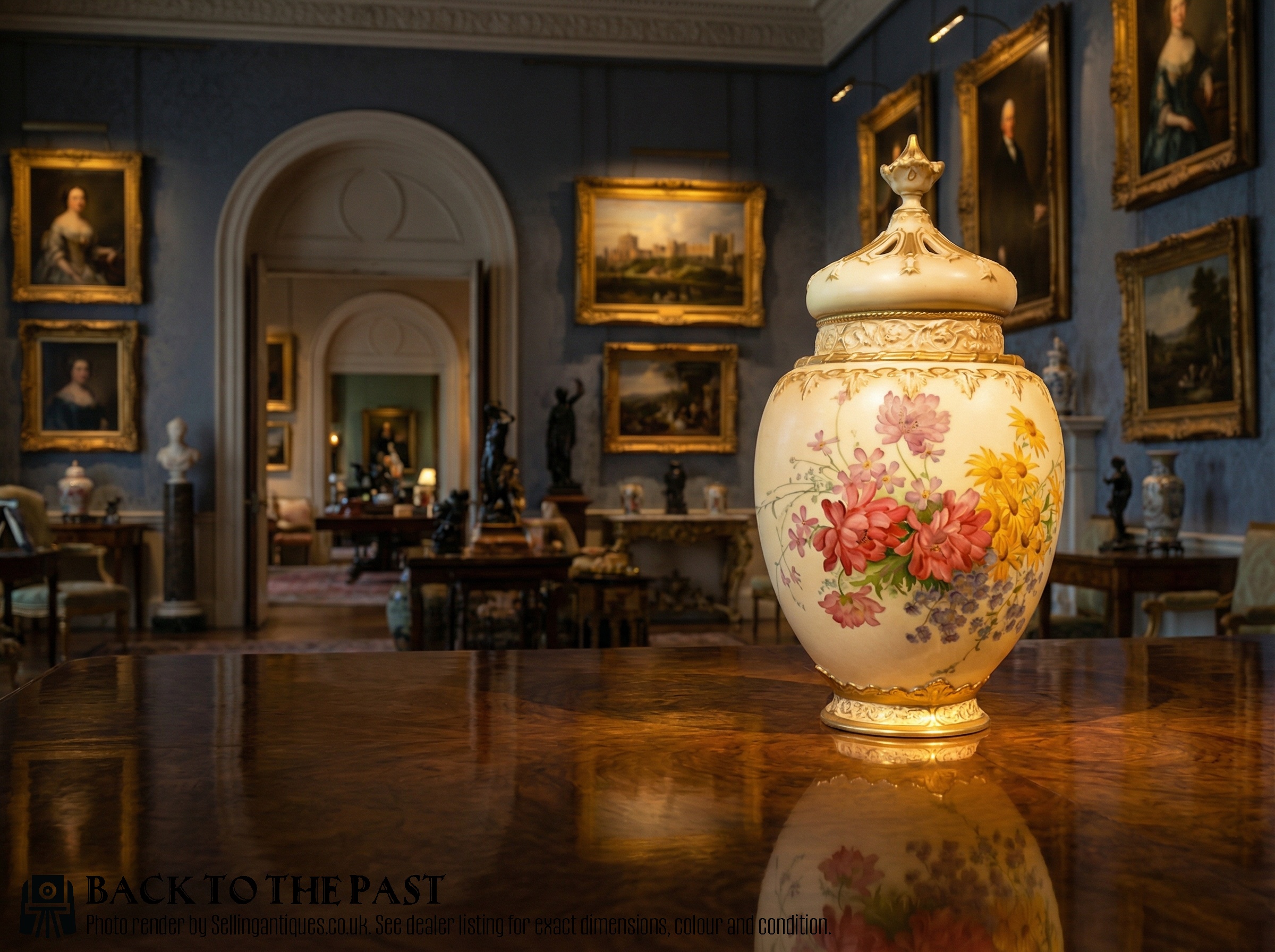
Floral Porcelain Vase
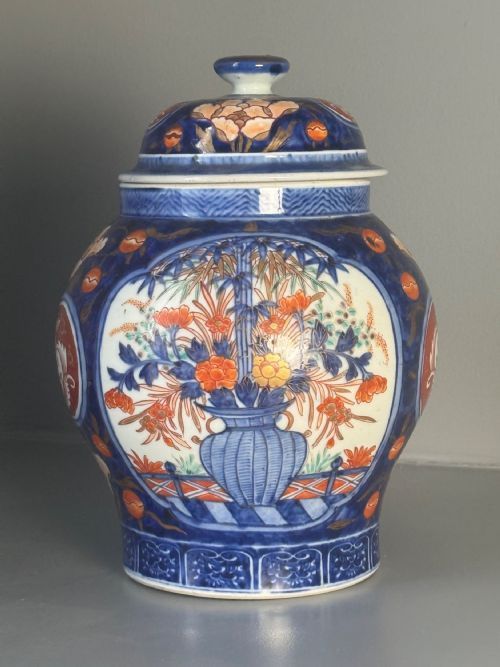
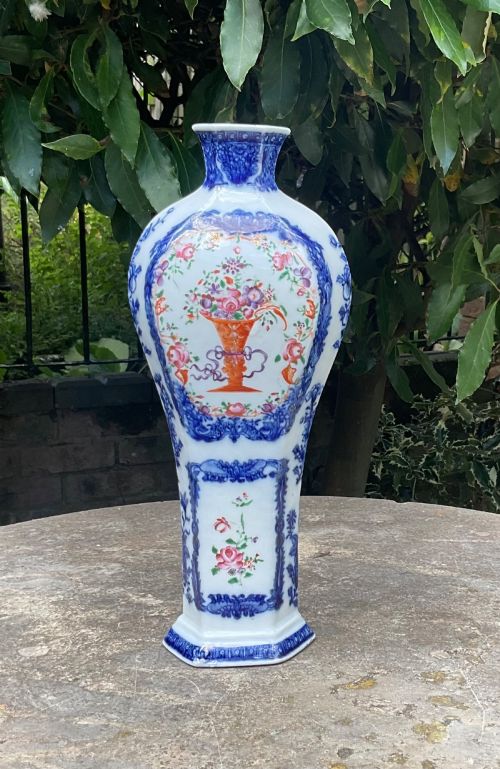
A floral porcelain vase brings together ceramic forms and painted or glazed botanical decoration across multiple centuries of manufacture. Buyers searching for a floral porcelain vase encounter pieces originating from English factories, continental European makers, and Asian kilns spanning the eighteenth, nineteenth, and early twentieth centuries.
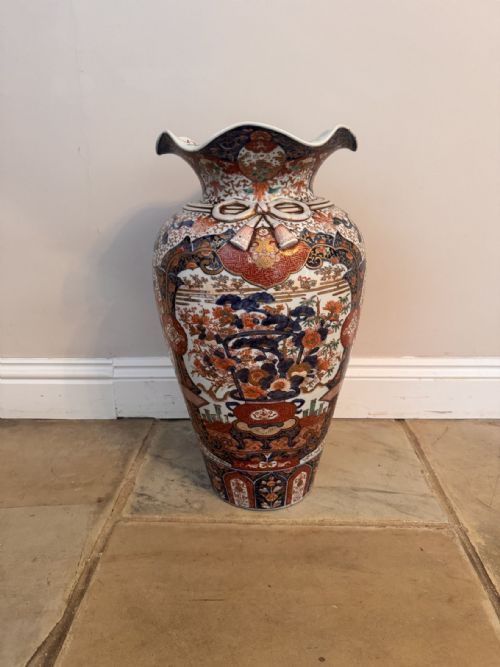
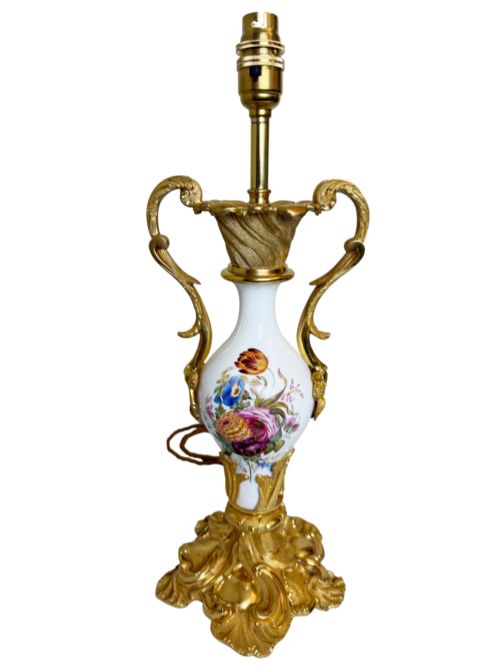
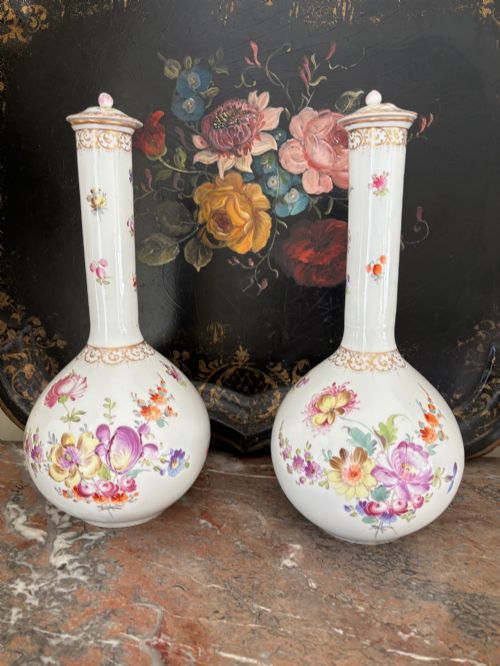
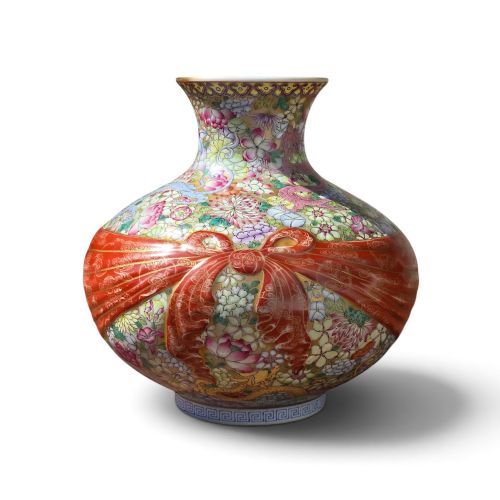
The selections available here range from small cabinet pieces and table lamps to large floor-standing urns and garniture sets. English bone china and porcelain from works such as Royal Worcester, Derby, and Spode appear alongside Japanese Imari wares, Chinese famille rose, and French nineteenth-century porcelain.
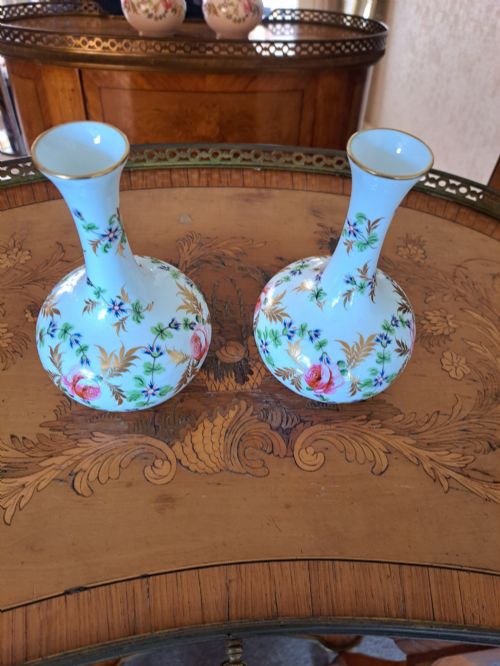
Victorian and Edwardian examples often feature blush ivory grounds and intricate hand-painted floral panels. Earlier Regency and eighteenth-century pieces display classical urn shapes, while Japanese Satsuma and Imari works introduce distinct regional palettes and motifs.
How They Were Made
Manufacturing these vessels involved shaping ceramic bodies from porcelain, bone china, or faience, followed by firing in kilns to achieve a hard paste or soft paste structure. Artisans then applied underglaze painting, enamels, or transfer prints to render the floral details before a final glaze firing.
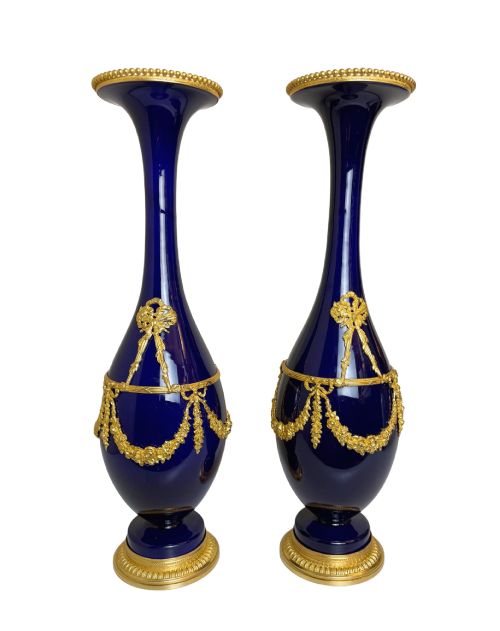
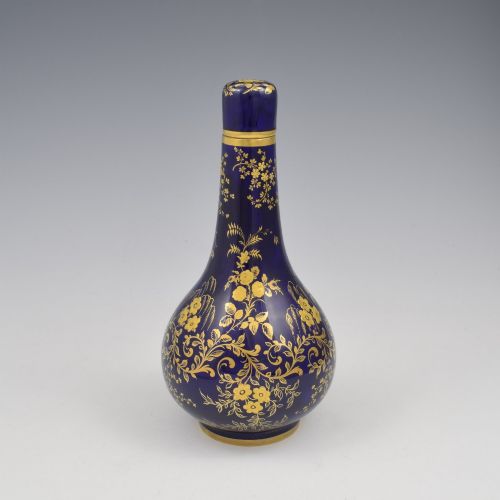
Many pieces incorporate applied surface enrichment such as gold leaf, gilding, or gilt bronze mounts. Enamel colours and iron-red pigments were layered onto the porcelain body to create depth within the floral and foliate designs.
Listings feature nineteenth-century porcelain, bone china, and earthenware decorated with hand-painted floral motifs across English, European, and Japanese traditions.
What Varies in Quality
The calibre of a floral porcelain vase depends heavily on the precision of the hand painting and the prestige of the manufacturing house. Pieces bearing the marks of established factories like Royal Worcester, Meissen, or Flight, Barr & Barr display finer brushwork and more controlled ceramic potting.
Material composition also dictates distinction, with superior items utilising refined bone china or high-grade porcelain bodies that support delicate handles, crisp moulding, and well-preserved gilding. The clarity of the enamel colours and the balance of the decorative scheme separate standard production items from exceptional works.
Flight Barr And Barr·Royal Worcester·Sitzendorf·Crown Derby·Booths·Royal Vienna·Spode·Royal Doulton·Manpei·Samson Of Paris·Tunnicliffe·H R Daniel·Coalport·Meissen·Chamberlain And Co·Jacob Petit·Hadleys Royal Worcester
The Floral Porcelain Vase Glossary
- Porcelain
- A hard, fine-grained ceramic material invented in China, fired at high temperatures to create a vitrified, non-porous body. It forms the primary substrate for the vases listed here.
- Gilding
- The application of gold leaf or powdered gold suspended in a medium to the ceramic surface. This technique highlights rims, handles, and decorative borders.
- Imari
- A style of Japanese porcelain featuring a palette of underglaze blue, iron-red, and gilt highlights. These wares were widely exported to Europe and imitated by Western factories.
- Garniture
- A set of matching vases or urns designed to be displayed together on a mantelpiece or sideboard. They typically comprise three or five pieces of graduated or matching sizes.
- Campagna Urn
- A classical vase shape characterised by a deep bowl curving outwards towards the rim, set upon a pedestal base. This form was popular during the Regency and Victorian periods.
Floral Porcelain Vase: Frequently Asked Questions
How do I identify the age of a porcelain vase?
Dating relies primarily on factory backstamps, ceramic bodies, and stylistic markers characteristic of specific periods like the Regency or Victorian eras. Examining the wear on the base and the method of application for the floral decoration also aids in determining age.
Finer details such as handwritten pattern numbers or impressed factory marks help narrow down the decade of production. Comparing the piece against documented factory timelines provides the most reliable chronological placement.
What is the difference between porcelain and bone china?
Porcelain is a traditional ceramic composed of kaolin and petuntse fired at high temperatures, resulting in a dense and resonant body. Bone china incorporates animal bone ash into the mixture, which produces a warmer tone and greater translucency.
Both materials served as canvases for floral painting throughout the nineteenth century. Bone china was heavily favoured by English manufacturers seeking durability alongside a delicate appearance.
How were floral vases used in period interiors?
These vessels functioned primarily as decorative ornaments on mantelpieces, pedestals, and tables, often displayed in symmetrical pairs or as part of larger garniture sets. Lidded versions such as potpourri pots held dried scented flowers to freshen the air in Victorian parlours.
Larger floor-standing examples stood in hallways or drawing rooms to project status and taste. Smaller bud vases and spill vases accommodated fresh garden cuttings.