

Hand Painted Floral Vases
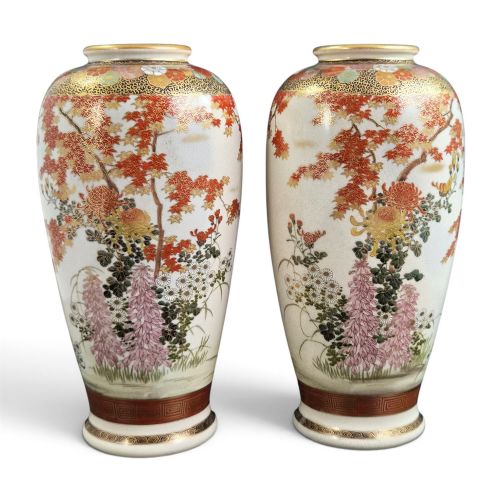
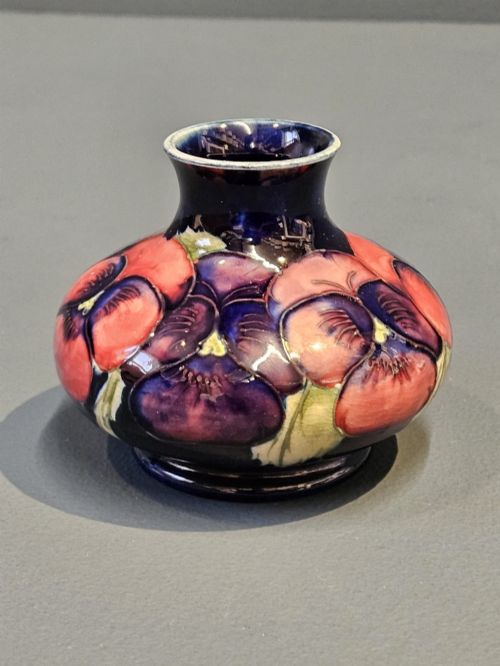
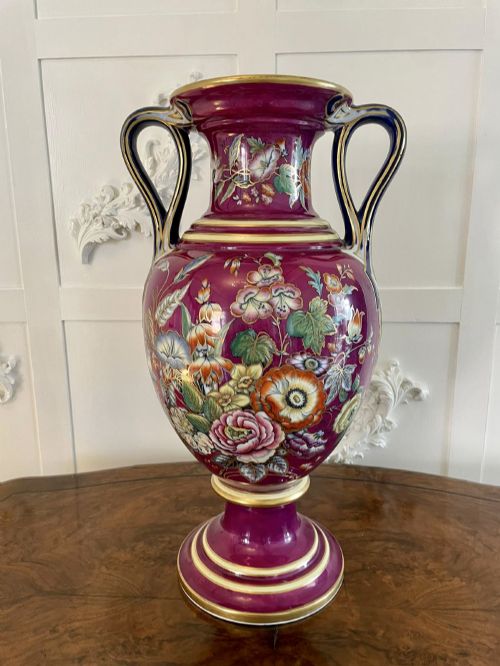
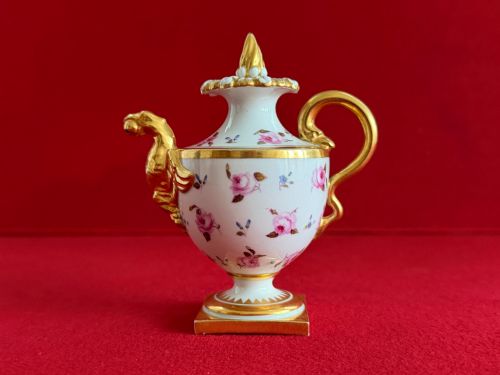
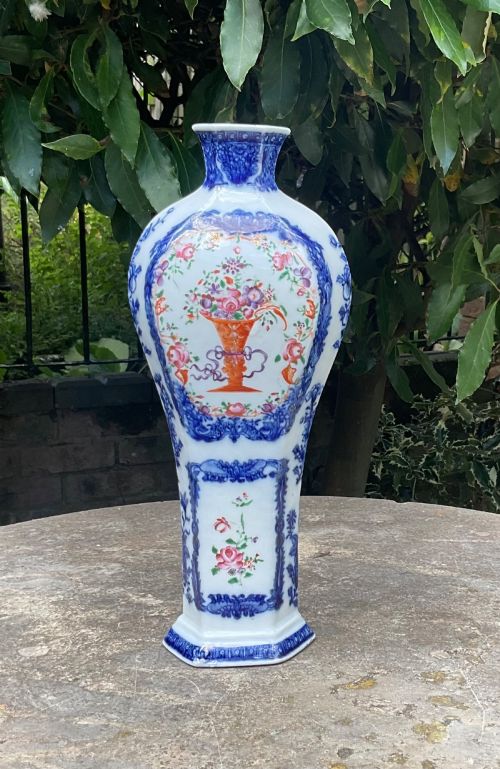
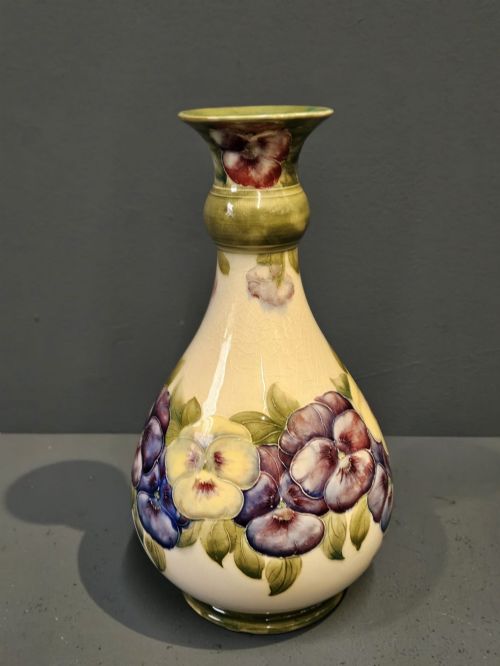
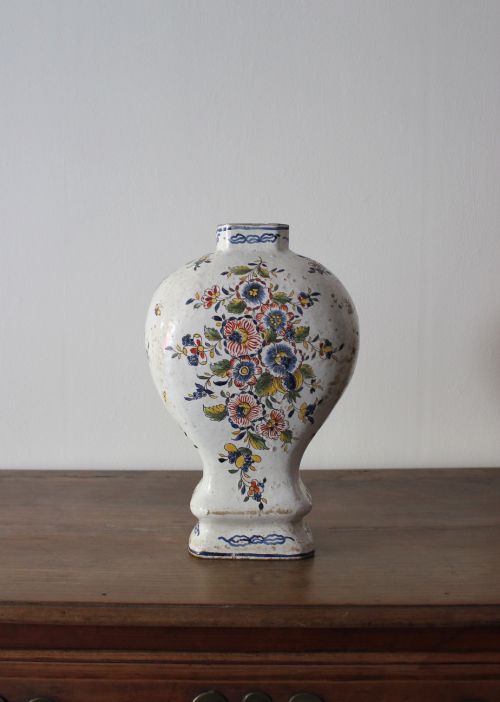
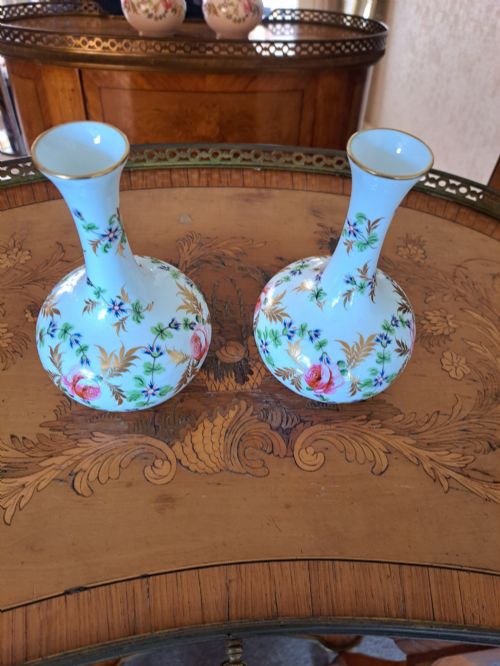
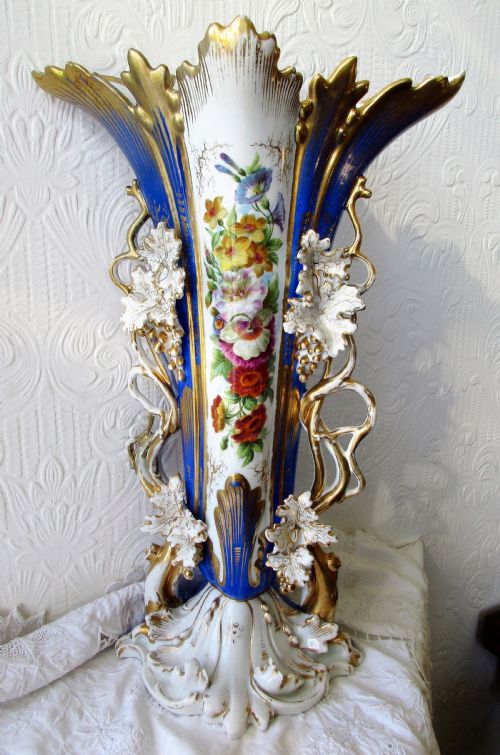
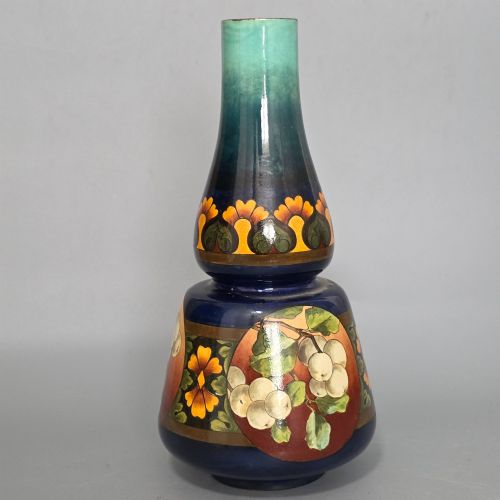
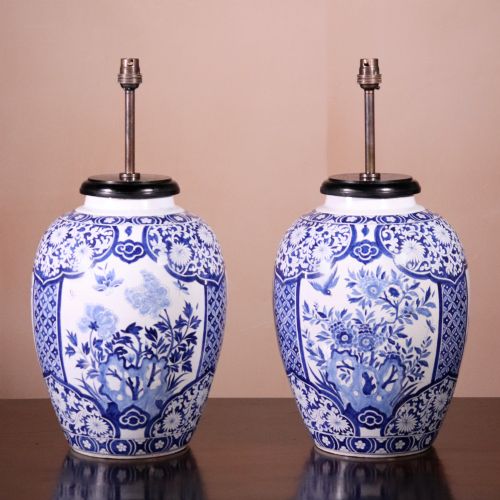
These hand painted floral vases bring vibrant botanical colour and traditional artistry into a room, offering classic ceramic forms decorated with careful floral motifs.
What hand painted floral vases are
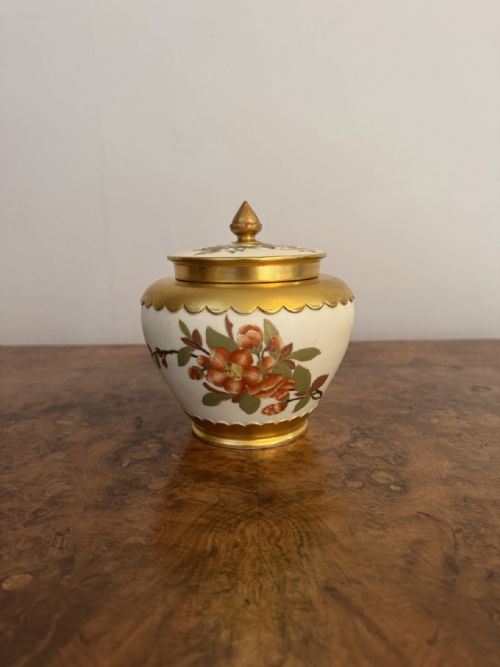
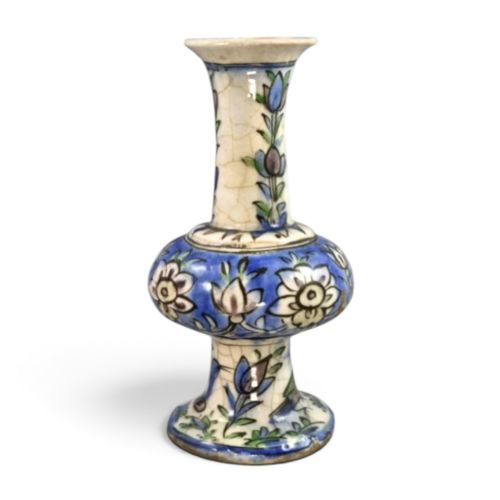
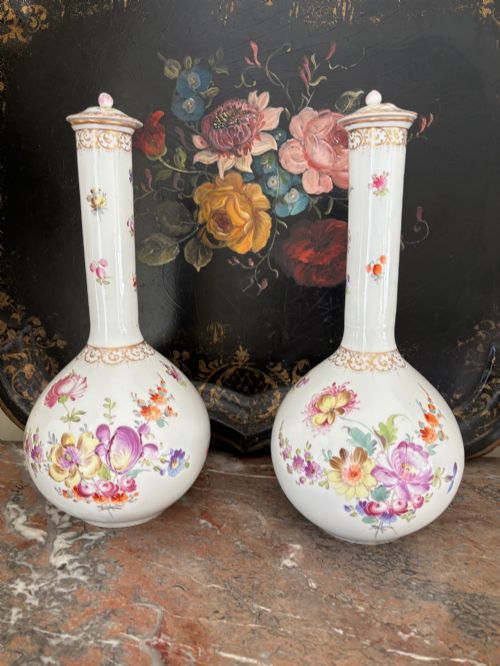
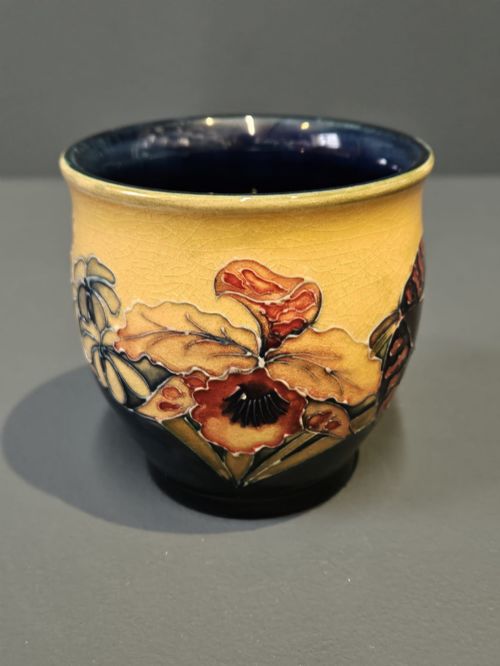
When searching for hand painted floral vases, buyers encounter a selection spanning the nineteenth century and the early twentieth century, including pieces from the Victorian era and the nineteen-twentieths. The inventory includes individual decorative vessels, matched pairs, and larger garnitures consisting of three pieces.
The styles represented across these listings draw upon Regency design, French Rococo Revival, and the Victorian Aesthetic Movement. Forms range from classical urn shapes with covers to flared vessels and cornucopia designs.
How they were made
The makers formed these objects primarily from porcelain, applying detailed floral decoration by hand. Artisans utilised enamel, raised white enamel, and gold leaf or gilt highlights to enrich the ceramic surfaces.
Specific factories and artists employed distinctive techniques, such as blush ivory grounds and hand-painted floral medallions. Kiln firing fixed the pigments and gilded details permanently to the porcelain body.
Retail Price Guide 2026
Typical UK retail prices for hand painted floral vases, calculated from the Sellingantiques database of over a million retail prices indexed since 2003. This retail price guide relies exclusively on Sellingantiques data; no external sources or auction records are used, so the figures do not describe the wider market.
Some nineteenth-century makers fashioned vases shaped like giant horns of plenty, just in case your flowers needed a mythological postcode.
What varies in quality
Quality separates standard production from exceptional studio output through the precision of the brushwork and the complexity of the decoration. Pieces featuring named artists and established factories display superior execution in their floral details.
The application of precious materials like gold leaf and raised white enamel distinguishes finer garnitures and pairs. The inclusion of original covers on urn vases also elevates the integrity of the piece.
Samson Paris·Minton·Thomas Steel·Royal Worcester·Jacob Petit·E Raby
The Hand Painted Floral Vases Glossary
- Garniture
- A matched set of three or more vases designed to be displayed together on a mantelpiece or sideboard. These sets usually comprise a central piece flanked by two matching companions.
- Cornucopia
- A horn-shaped vessel symbolising abundance, adapted in the nineteenth century as an ornamental vase design. Makers often paired these horn forms for symmetrical display.
- Blush Ivory
- A specialised porcelain body finish developed by Royal Worcester that mimics the soft, warm tone of human skin. This technique provides a subtle matte background for delicate floral painting.
- Enamel
- Opaque glass paste applied to porcelain and fired to create raised or flat coloured details. Raised white enamel adds tactile dimension to floral motifs.
Frequently Asked Questions
What is a vase garniture?
A vase garniture is a set of matching decorative vessels, usually numbering three pieces, intended for symmetrical display. They were traditionally arranged on mantelpieces in nineteenth-century drawing rooms.
Collectors prize complete garnitures that retain all their original matching components and covers in uniform condition.
How do I identify blush ivory?
Blush ivory is a distinctive matte porcelain finish developed by factories like Royal Worcester to create a warm, creamy background. It lacks the high gloss of standard glazed porcelain.
This soft finish allows hand-painted floral designs to appear more natural and integrated into the body of the vase.
Where were these vases made?
These decorative pieces originate from notable European ceramic centres, including English factories and Parisian workshops. Makers such as Royal Worcester, Minton, and Samson produced high-quality hand-painted wares.
French makers often drew inspiration from Rococo revival styles, while English manufacturers developed distinct aesthetic movements.
How should I clean porcelain vases?
Clean these delicate porcelain and gilt surfaces gently using a soft, dry brush or a feather duster to remove surface dust. Avoid harsh chemical cleaners and abrasive cloths that can damage hand-painted enamel and gold leaf.
Water immersion should be avoided, particularly for antique pieces with delicate raised enamel or exposed body materials.