



Early 19th Century Porcelain
These pieces of early 19th century porcelain bring hand-painted artistry and fine decorative character to any room through enduring Regency and Georgian forms.
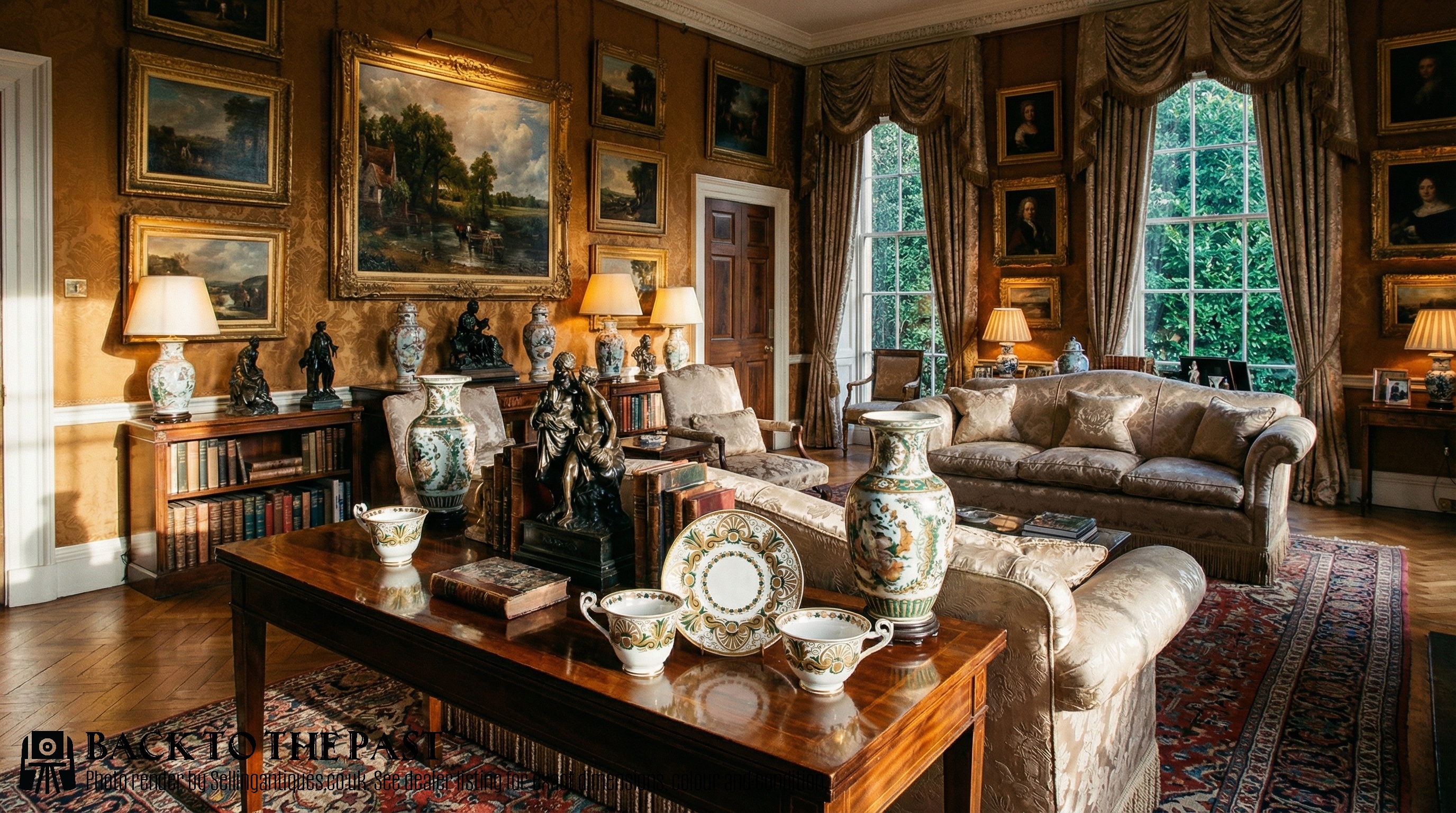
Early 19th Century Porcelain
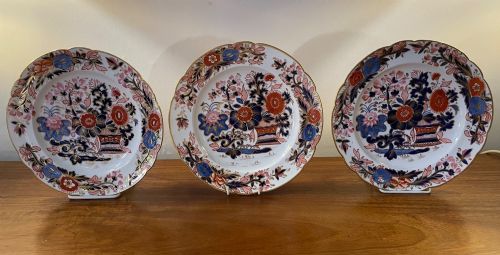
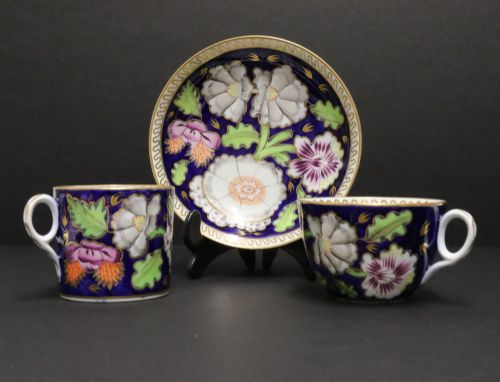
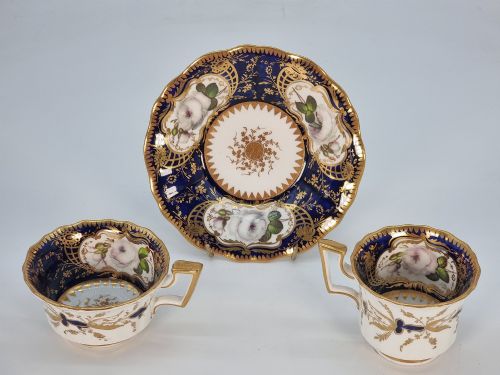
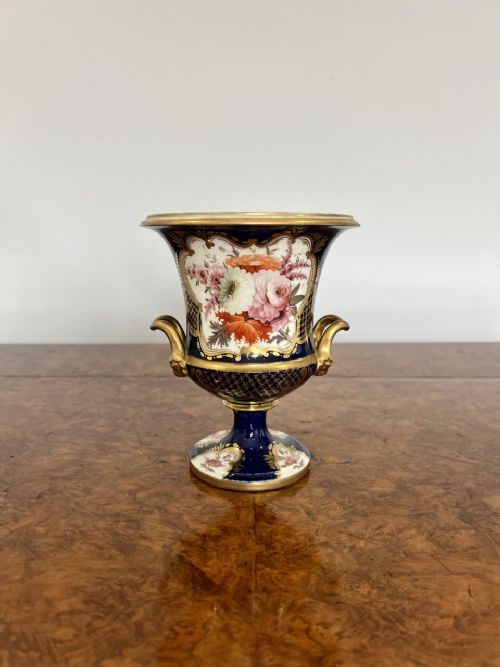
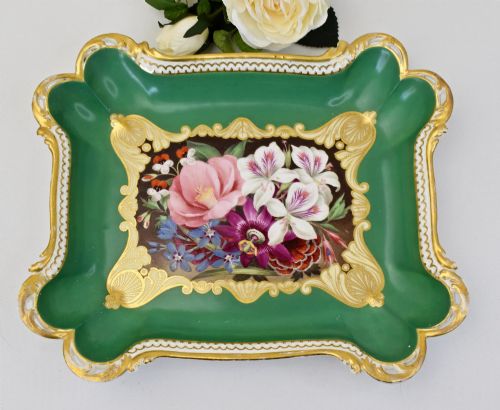
English factories such as Spode, Worcester, and Derby dominate the available forms, often displaying botanical motifs or Imari palettes. Buyers frequently encounter cabinet trios, dessert plates, and decorative ewers reflecting Regency and Georgian sensibilities.
Materials and production methods
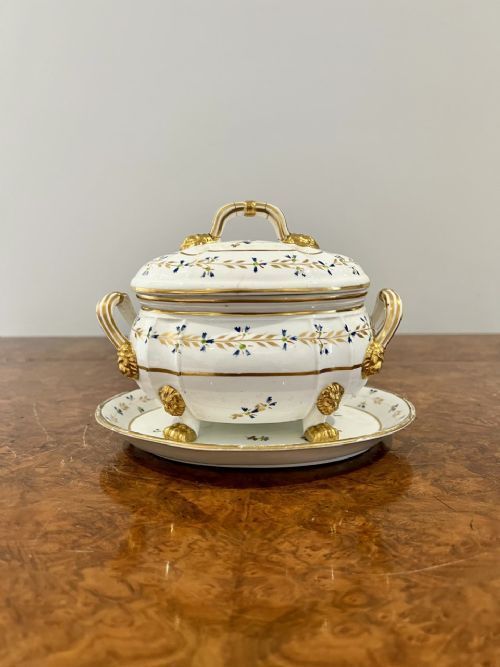
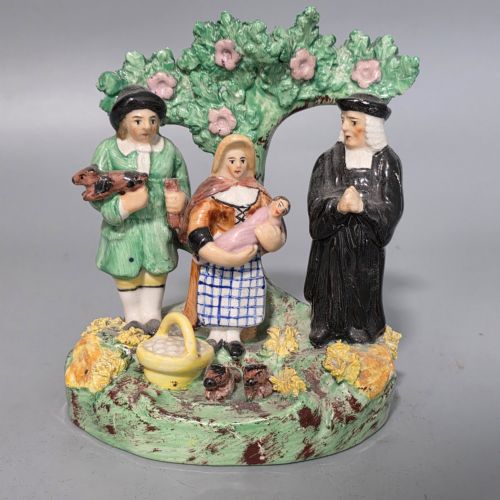
Potters utilised fine clay bodies including bone china, felspar porcelain, and earthenware, shaped into functional tableware and sculptural figures. Glazes varied from bright white surfaces to deep cobalt blue grounds and turquoise finishes.
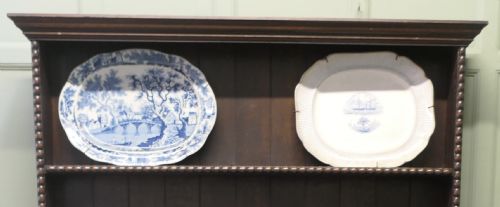
Decoration relied heavily on hand-painted enamels, gilding, and gold leaf applications. Many vessels incorporated moulded details, grotesque handles, or intricate transfer printing styled after Chinoiserie and Rococo Revival tastes.
Early 19th Century Porcelain Retail Price Guide 2026
Typical asking prices for early 19th century porcelain among the pieces listed under this phrase on Sellingantiques today, from the lower quarter to the upper quarter. They describe what is for sale here now, not the wider market.
Listings feature porcelain, earthenware, and bone china enhanced by gold leaf, enamel, and glaze.
Assessing quality in early pieces
Quality rests upon the crispness of the moulding and the precision of the hand-painted brushwork. Superior pieces exhibit clean enamel application without running, alongside well-preserved gilding on high-wear surfaces like handles and rims.
The sophistication of the design dictates distinction, separating standard utility wares from exhibition-grade cabinet pieces. Recognised factory marks, armorial details, and balanced proportions further elevate the standing of individual items.
Newhall·Coalport·Spode·Doe and Rogers·Mintons·Jacob Petit·Japy Fils·Barr Flight and Barr
The Early 19th Century Porcelain Glossary
- Cabinet trio
- A matching set comprising a teacup, coffee cup, and saucer, typically intended for display rather than daily use.
- Imari palette
- A decorative scheme utilising underglaze blue, iron red, and gilt, inspired by traditional Japanese export wares.
- Chinoiserie
- European artistic interpretations of Chinese and East Asian artistic traditions, popular in decorative porcelain patterns.
- Armorial
- A porcelain service or single vessel painted with a family crest or coat of arms.
- Bone china
- A type of soft-paste porcelain containing bone ash, developed in England to create a durable, translucent body.
Early 19th Century Porcelain: Frequently Asked Questions
How do I identify a true cabinet trio?
A true cabinet trio includes a matched teacup, coffee cup, and saucer designed together as a decorative set.
These pieces usually feature finer hand-painted gilding and enamel work intended for display in a cabinet rather than everyday tea service.
What is the difference between porcelain and earthenware?
Porcelain is fired at higher temperatures, resulting in a dense, vitrified body that is often translucent when held to the light.
Earthenware and pearlware utilise more porous clay bodies that require opaque glazes to seal the surface.
How should I care for antique porcelain?
Antique porcelain requires gentle hand washing in lukewarm water with mild soap when cleaning is necessary.
Avoid soaking pieces with delicate gold leaf or overglaze enamel decoration to preserve the hand-painted surfaces.
Are these pieces suitable for daily use?
Most surviving cabinet pieces and decorative items are best reserved for display rather than regular dining.
Age can make the glazes and early paste bodies vulnerable to thermal shock and modern detergents.