





Antique Ceramic Figure Group
An antique ceramic figure group brings narrative and sculptural form into a room, capturing mythological scenes, pastoral pairings or historical events in fired clay and porcelain.
Antique Ceramic Figure Group
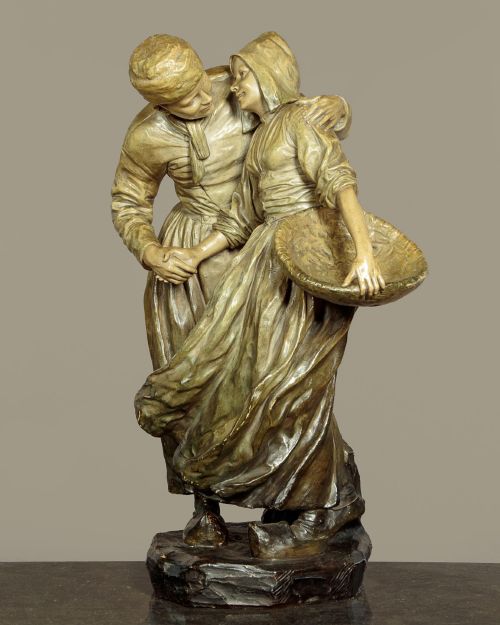
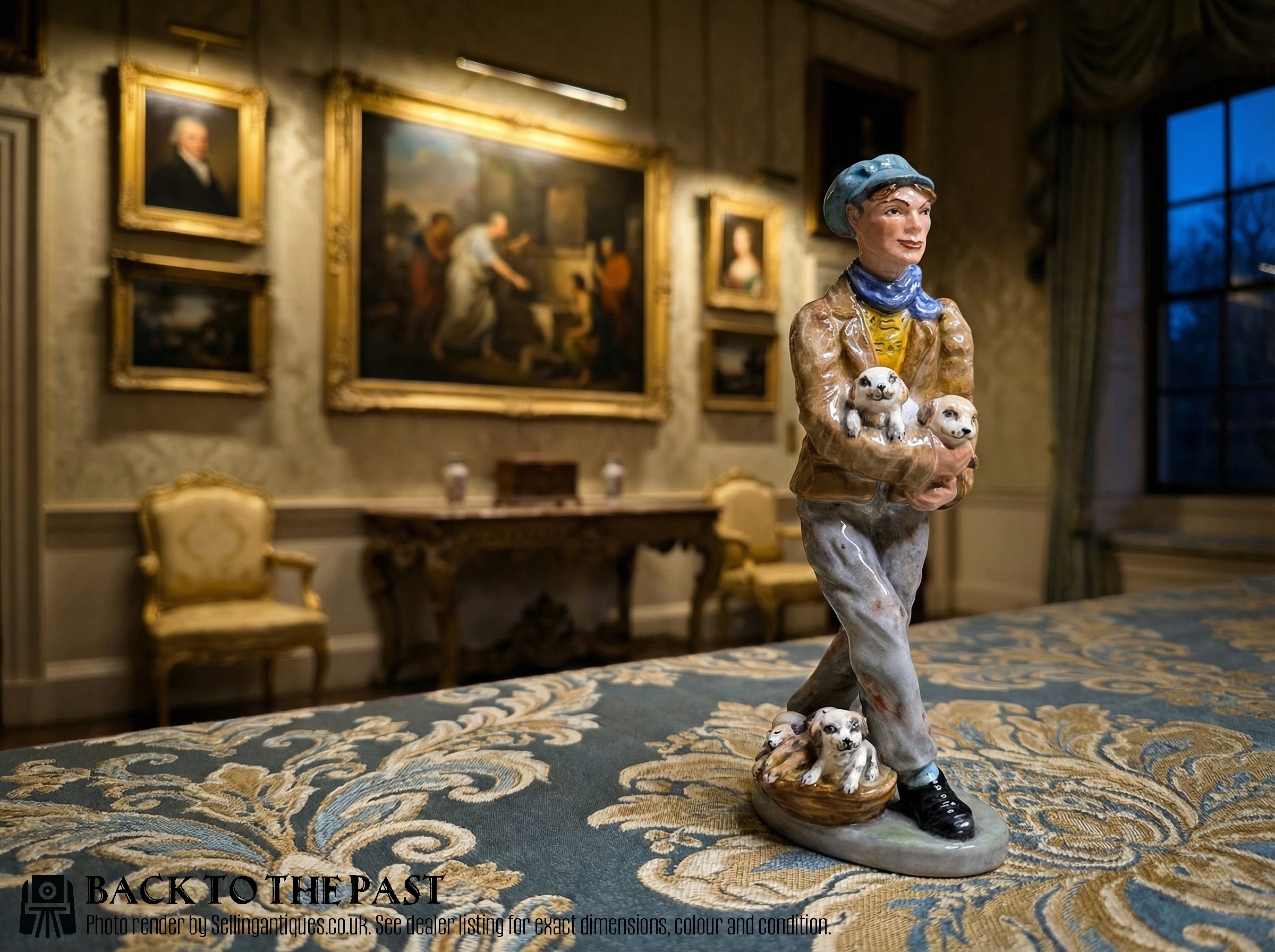
An antique ceramic figure group depicts multiple figures or animals arranged in a single composition, originating from major European factories and regional potteries during the eighteenth and nineteenth centuries. These pieces encompass Staffordshire earthenware, English porcelain, and continental hard-paste works reflecting Georgian, Victorian, and Rococo aesthetics.
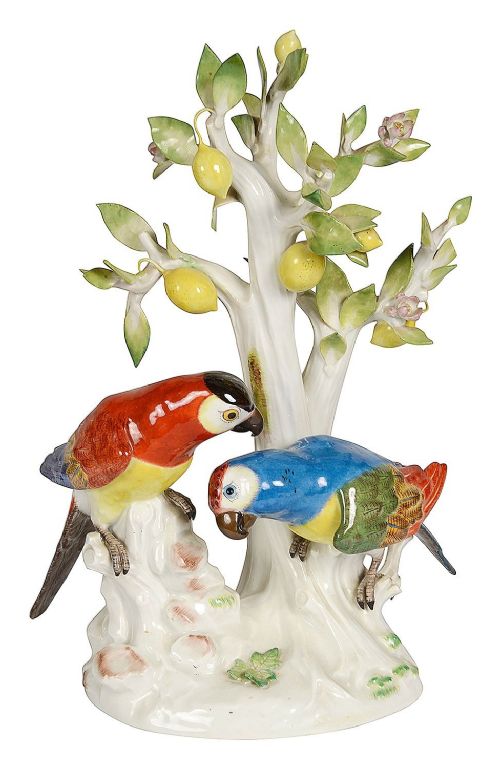
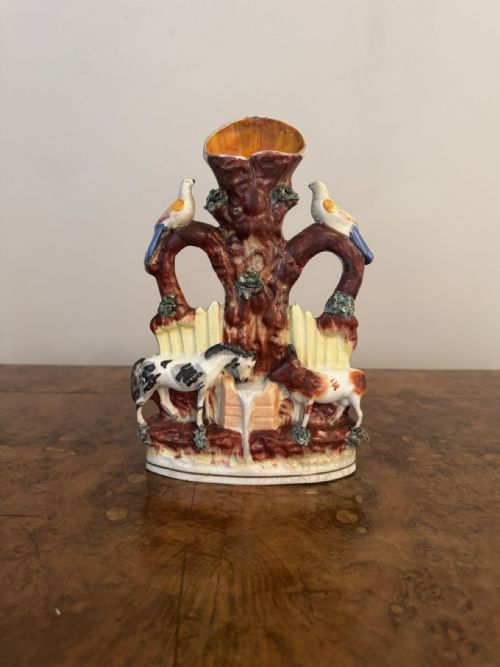
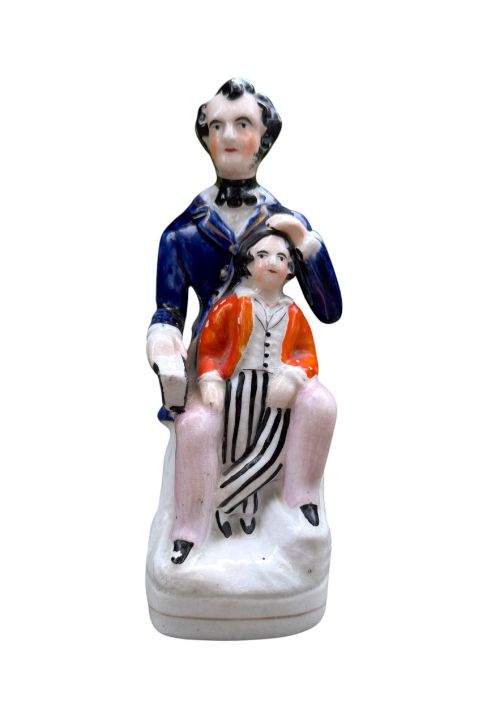
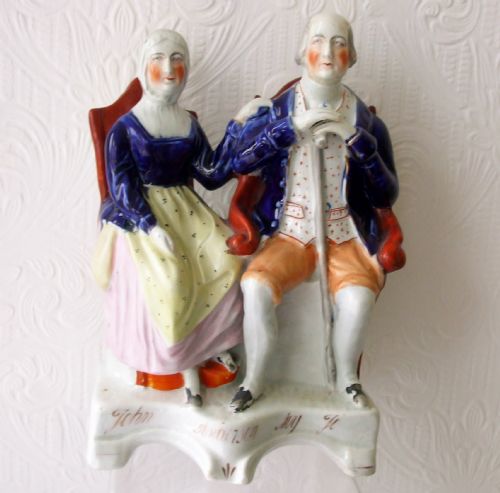
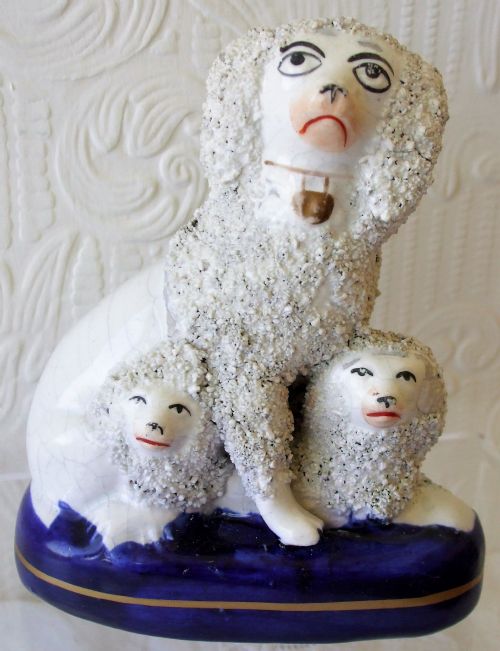
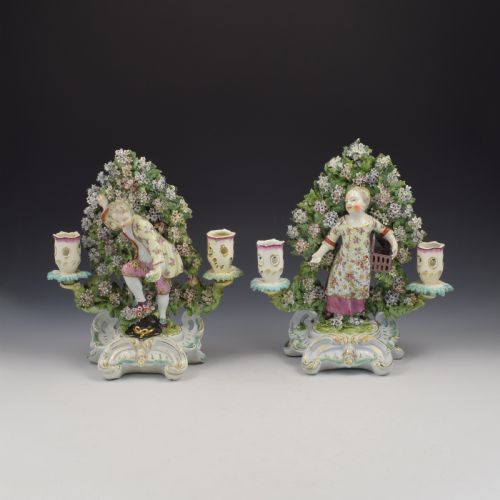
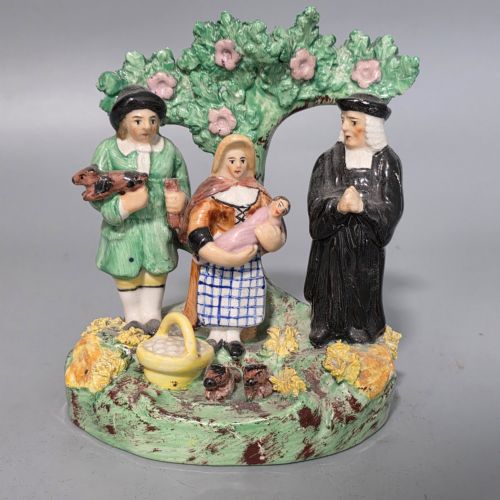
Buyers frequently encounter Staffordshire earthenware groups depicting literary characters, historical portraits or animals alongside continental porcelain groups from Meissen and Derby. The forms range from modest earthenware flatbacks meant for mantelpieces to elaborate porcelain spill vases and candelabra bases.
The subjects span pastoral romances, classical allegories, and contemporary political events such as the Crimean War. Each ceramic figure group functions as a small-scale monument to the social interests and decorative tastes of its period.
How these figures were made
Potters and modellers shaped these pieces using earthenware, hard-paste porcelain, or soft-paste bodies, often employing press moulds for volume production before hand-finishing the details. Earthenware examples received lead glazes or enamel colours, while porcelain pieces utilised detailed underglaze painting, gilding, and applied elements such as delicate ceramic lace.
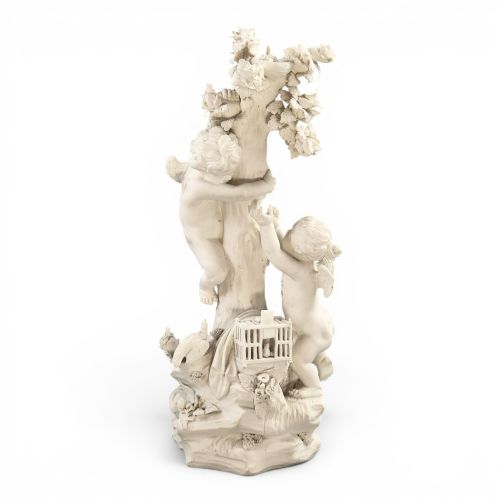
Specialised factories like Meissen and Derby relied on biscuit porcelain for unglazed matte finishes that emphasised sculptural form, contrasting with the glossy enamel surfaces typical of Staffordshire pottery. Complex groups required multiple firings to fix the painted enamels and gold leaf securely onto the ceramic body.
Antique Ceramic Figure Group Retail Price Guide 2026
Typical asking prices for ceramic figure group among the pieces listed under this phrase on Sellingantiques today, from the lower quarter to the upper quarter. They describe what is for sale here now, not the wider market.
Listings feature works spanning the eighteenth to the twentieth centuries, utilising earthenware, hard-paste porcelain, and parian ware.
What varies in quality
The refinement of the modelling and the crispness of the facial expressions set superior examples apart from simpler regional output. Expert hand-painting in the enamels and the careful application of delicate details like bocage foliage indicate higher workshop standards.
The complexity of the composition also dictates quality, with multi-figure groups requiring greater technical skill in firing without warping than single-figure models. The preservation of original polychrome pigments and gold leaf without excessive restoration maintains the integrity of the piece.
Meissen·Derby·Goldscheider·Samson Paris·Carl Thieme Dresden·Ernst Bohne Sohne·Volkstedt
The Antique Ceramic Figure Group Glossary
- Bocage
- Applied ceramic foliage and leafy backgrounds often found behind figures in eighteenth and nineteenth-century porcelain. This decorative backdrop frames the scene and provides structural support for delicate branches.
- Parian ware
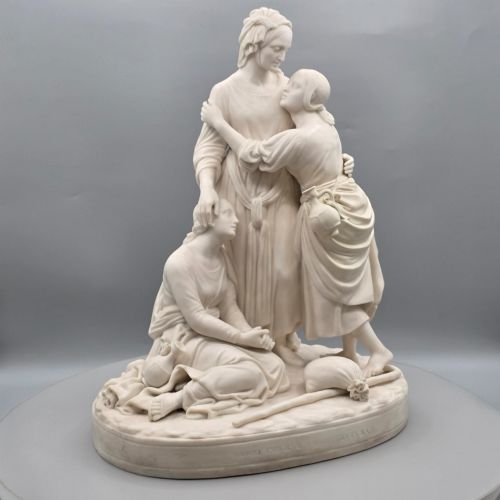
- A fine-grained unglazed biscuit porcelain developed in the nineteenth century to imitate white marble. It was widely utilised for classical sculptures and literary figure groups.
- Flatback
- A style of Staffordshire pottery figure moulded with a finished front and a flat, unpainted reverse intended for display against a wall. These pieces typically sat on cottage mantelpieces.
- Hard-paste porcelain
- A durable ceramic body composed of kaolin and petuntse, fired at very high temperatures. It produces a clear, ringing glaze that resists scratching and forms the basis for many continental figures.
- Pearlware
- A refined earthenware featuring a pale bluish glaze pooling in the recesses, developed by Staffordshire potters to mimic Chinese export porcelain.
Antique Ceramic Figure Group: Frequently Asked Questions
How were ceramic figure groups displayed?
These pieces were primarily placed on mantelpieces, sideboards, and drawing-room tables as focal points of conversation and decorative refinement. Earthenware flatbacks were specifically designed to sit flush against interior walls.
More elaborate porcelain groups with candelabra or spill vases served functional roles alongside their decorative display, holding candles or dried spills for lighting fires.
What is the difference between porcelain and earthenware figures?
Porcelain figures utilise vitreous, hard-paste or soft-paste ceramic bodies that fire at higher temperatures to produce a dense, non-porous material. They often feature delicate painted details and glossy glazes.
Earthenware figures, particularly those from Staffordshire, use more porous clay bodies with lead or tin glazes and bolder, simpler enamel painting suited to domestic cottage settings.
How can I tell eighteenth-century figures from nineteenth-century ones?
Eighteenth-century figures, such as those from Derby or Meissen, typically reflect Rococo or Neoclassical styles with fine modelling, soft enamel palettes, and unglazed undersides. Their subjects lean towards classical mythology and pastoral romances.
Nineteenth-century pieces often display Victorian or Rococo Revival aesthetics, incorporating brighter transfer-printed colours, gilt highlights, and subjects ranging from literary characters to contemporary historical events.
What does parian ware mean on a listing?
Parian ware refers to a dense, unglazed white porcelain introduced in the Victorian era to resemble carved marble. It gained popularity for translating classical sculpture and literary scenes into affordable domestic art.
These pieces feature a smooth matte texture that highlights anatomical detail and drapery folds without relying on painted enamel colours.