
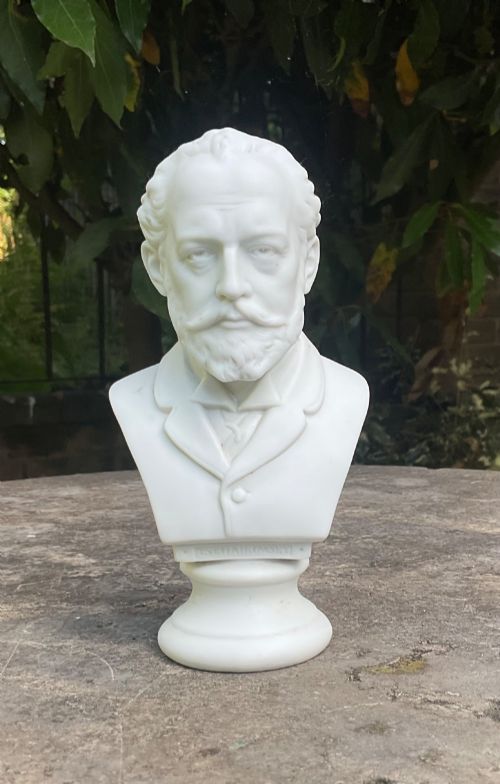
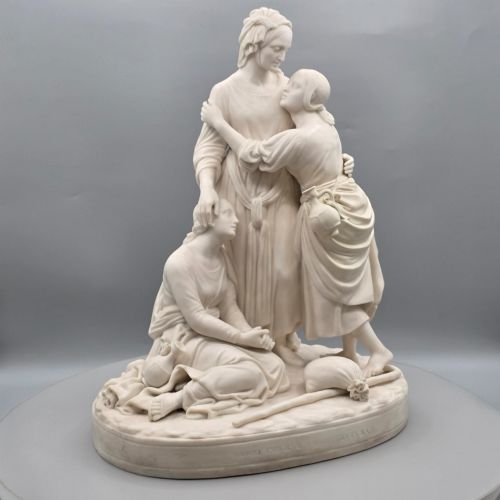
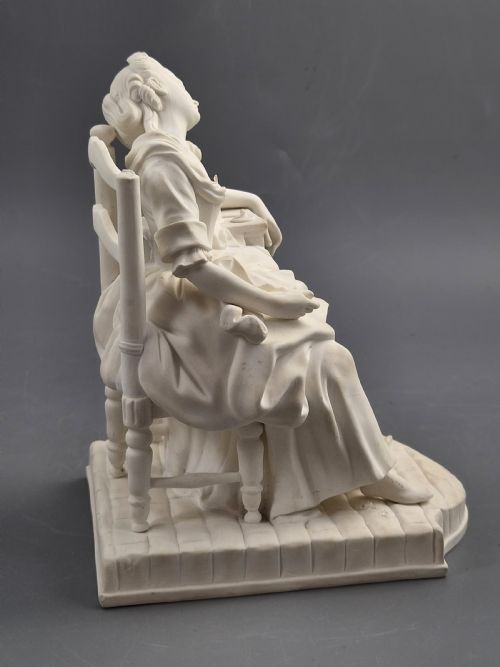
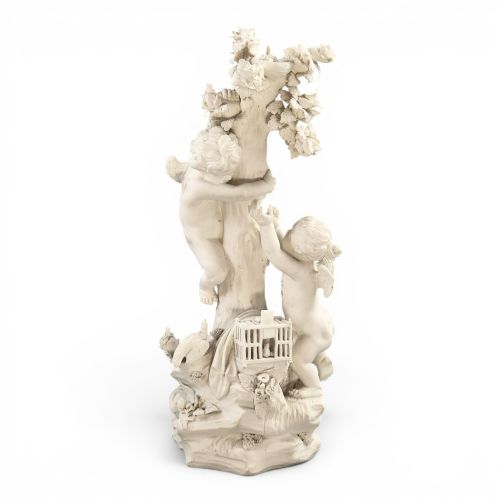


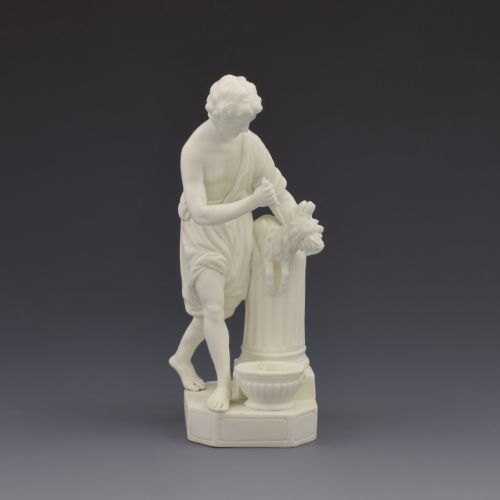


Biscuit Porcelain Figure
These biscuit porcelain figures combine unglazed ceramic subtlety with neoclassical and romantic detail, offering collectors a tactile glimpse into past sculpture.
Biscuit Porcelain Figure
A biscuit porcelain figure is an unglazed ceramic sculpture shaped into mythological subjects, human figures, animals, or literary scenes. The term covers everything from small Georgian cabinet pieces to large nineteenth-century parian groups and monumental figures.
Collectors browsing this selection will most frequently encounter nineteenth-century Victorian pieces alongside English eighteenth-century examples and French works. These range from single figures of maidens and children to complex groups depicting classical narratives.
The objects appear under several historical names including bisque porcelain, parian ware, and parian porcelain. Their unglazed surfaces produce a matte finish that mimics carved marble without the reflective sheen of traditional glazed ceramics.
Materials and production techniques
Makers produced biscuit porcelain and parian ware by pouring liquid slip into multi-part moulds, allowing complex undercuts and fine facial expressions to emerge during casting. The objects were then fired at high temperatures without a final glaze, leaving the ceramic body porous and stone-like.
Certain English and continental workshops enriched these unglazed surfaces with touches of enamel paint or gilding to highlight garments, jewellery, or floral elements. Parian ware used a specific felspathic porcelain formula that vitrified at lower heats, creating a dense, heavy material that closely resembled white marble.
Biscuit Porcelain Figure Retail Price Guide 2026
Typical asking prices for biscuit porcelain figure among the pieces listed under this phrase on Sellingantiques today, from the lower quarter to the upper quarter. They describe what is for sale here now, not the wider market.
Victorian factories occasionally issued figures of sleeping dogs and slumbering maidens, offering decorative silence for the domestic mantelpiece.
Factors determining quality
The purity of the porcelain body and the absence of firing warping or surface pitting distinguish finer examples from standard commercial production. Earlier eighteenth-century works and large-scale nineteenth-century figures by established factories demonstrate greater control over shrinkage during the demanding unglazed firing process.
Minton·Derby·Royal Dux·Vion et Baury·Royal Worcester·Ernst Bohne und Soehne·Triebner Ens und Co
The Biscuit Porcelain Figure Glossary
- Biscuit porcelain
- Unglazed ceramic fired once to vitrify the body while retaining a matte, chalky surface texture. This finish absorbs light rather than reflecting it, drawing attention to sculptural form.
- Parian ware
- A dense, fine-grained type of unglazed porcelain developed in the nineteenth century to imitate white marble. It contains a high proportion of feldspar which melts during firing to bind the clay body.
- Bisque
- An alternative term for biscuit porcelain, widely used by continental and nineteenth-century English makers. It refers to pottery that has undergone its initial firing without a protective glaze layer.
- Slip
- A liquid suspension of clay and water poured into plaster moulds to form hollow ceramic figures. This technique allowed factories to replicate intricate sculptural groups efficiently.
- Neo-classical
- An artistic style drawing inspiration from the art and culture of classical antiquity. It heavily influenced the subjects chosen for eighteenth- and nineteenth-century porcelain figures.
Biscuit Porcelain Figure: Frequently Asked Questions
How do I clean a biscuit porcelain figure?
Unglazed ceramic surfaces absorb dirt and oils easily because they lack a protective glass layer. Use a soft, dry artist brush or a dry microfibre cloth to gently remove dust from crevices.
Avoid using water, soap, or chemical cleaners, as moisture can penetrate the porous clay body and leave permanent stains. For stubborn surface grime, a dry natural rubber sponge designed for paper conservation may help lift the particle without damage.
What is the difference between biscuit and parian?
Biscuit porcelain is standard ceramic fired without a glaze, possessing a slightly chalky or matte texture. It was widely used in eighteenth-century factories for small classical groups.
Parian ware is a specific nineteenth-century porcelain body containing a higher feldspar content that matures into a heavier, semi-translucent material with a subtle sheen resembling carved marble.
Why are some figures marked and others unmarked?
Many eighteenth- and nineteenth-century factories relied on impressed numbers, mould stamps, or paper labels rather than permanent underglaze paint marks. Because unglazed porcelain shrinkage varied during firing, stamps were sometimes faint or omitted on smaller workshop output.
Maker marks help confirm origin and date, but stylistic quality, modelling crispness, and paste composition remain primary indicators of authenticity for unmarked pieces.
Were these figures meant for display?
These sculptures served as fashionable drawing-room ornaments during the Georgian and Victorian eras, displayed on mantelpieces, side tables, and pedestals. They demonstrated the owner's refined taste in classical art and literature.
Unlike utilitarian tableware, they were purely decorative objects designed to catch the ambient light of nineteenth-century interiors and invite close inspection.