


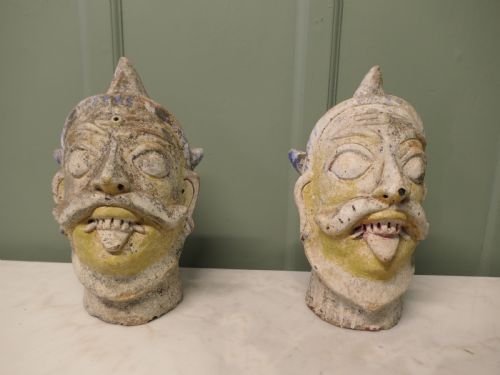
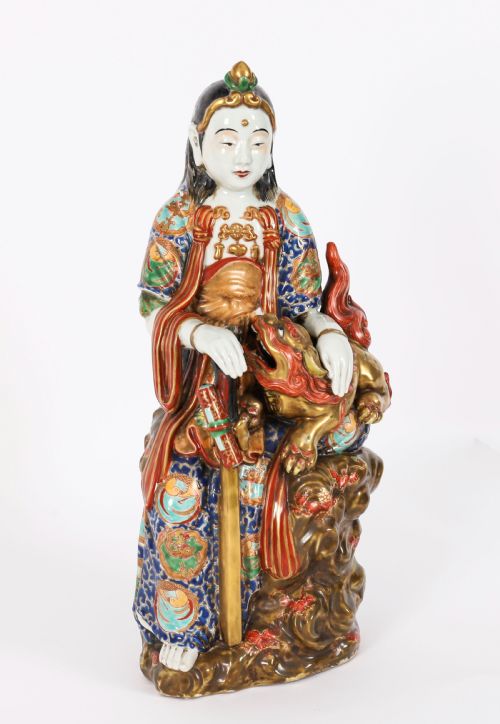

Antique Ceramic Sculpture
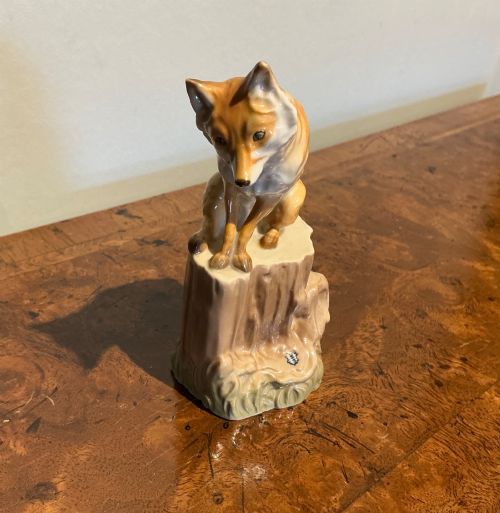
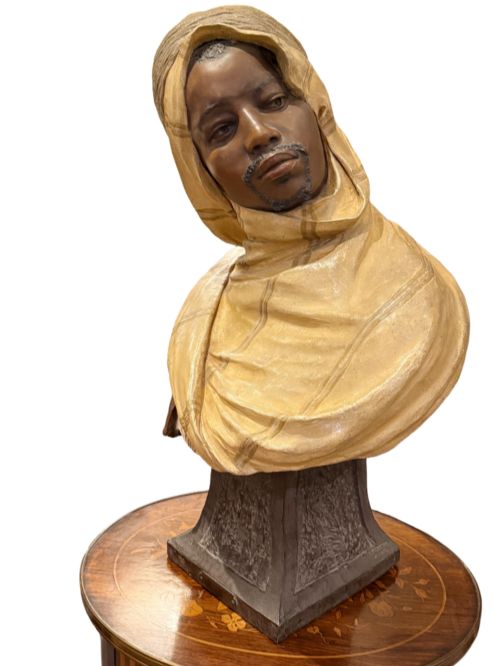
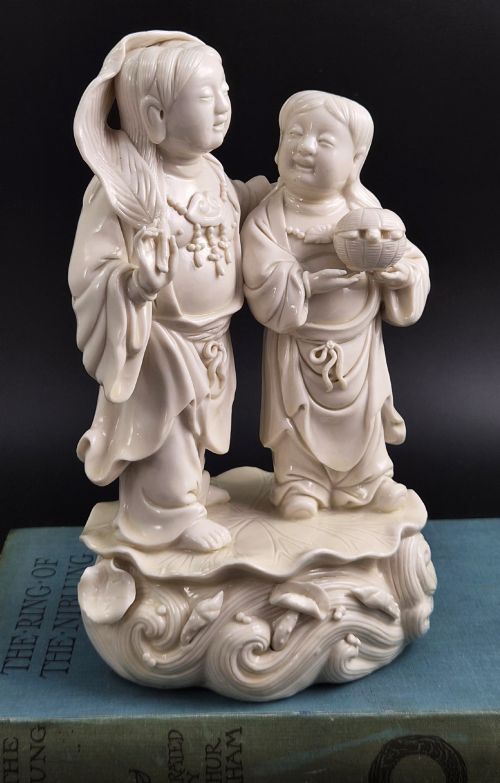
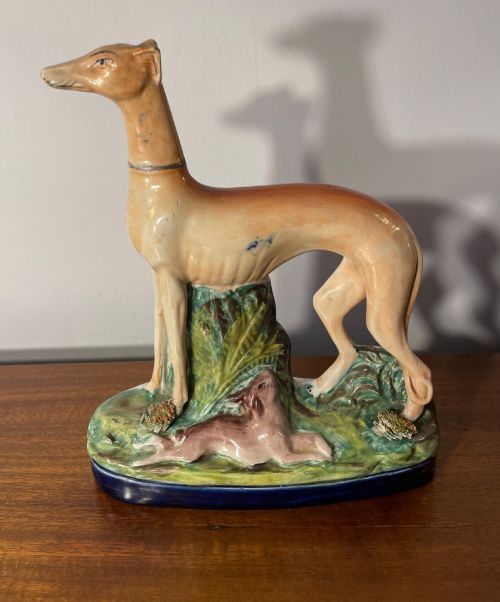
These antique ceramic sculpture works span centuries of modelling, capturing human and animal forms in porcelain, terracotta and earthenware.
Antique Ceramic Sculpture
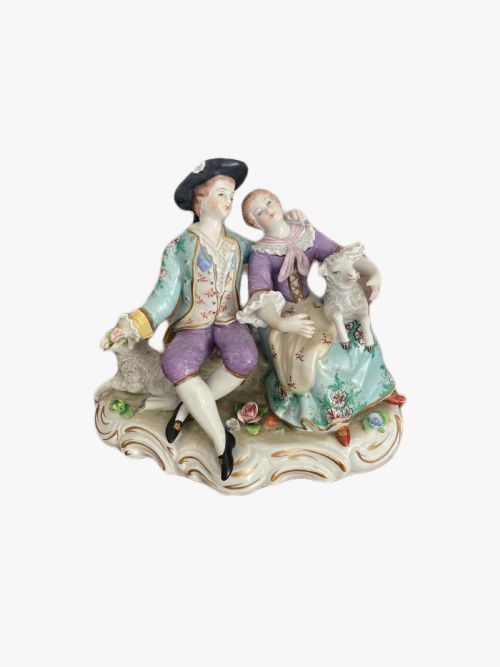
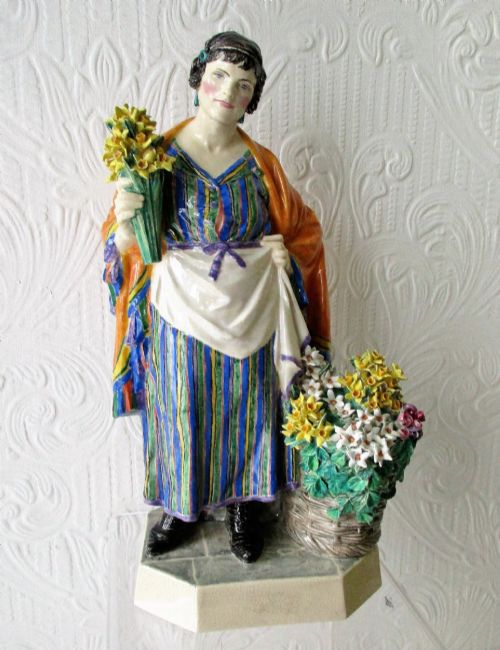
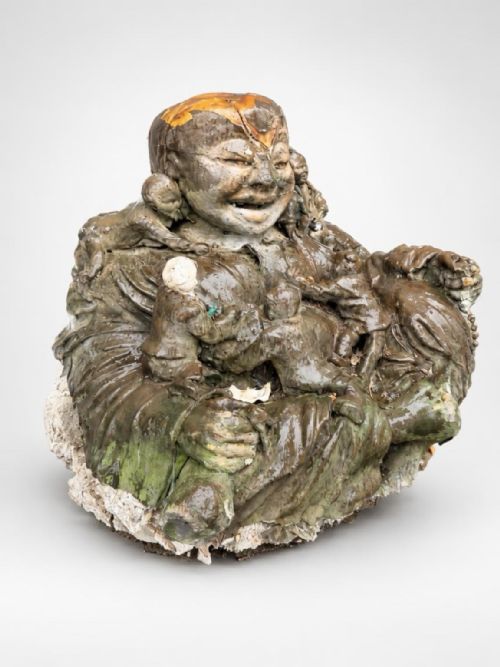
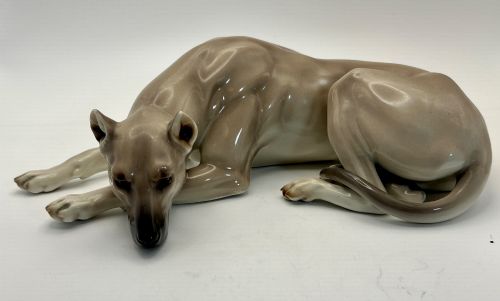
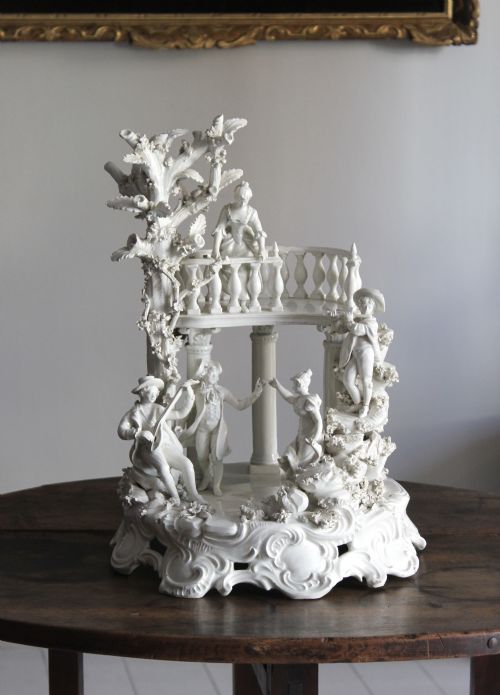
When searching for antique ceramic sculpture, collectors encounter a diverse range of figures, groups and decorative carvings spanning multiple centuries. The selection includes European porcelain models from renowned factories alongside terracotta studies and earthenware animals.
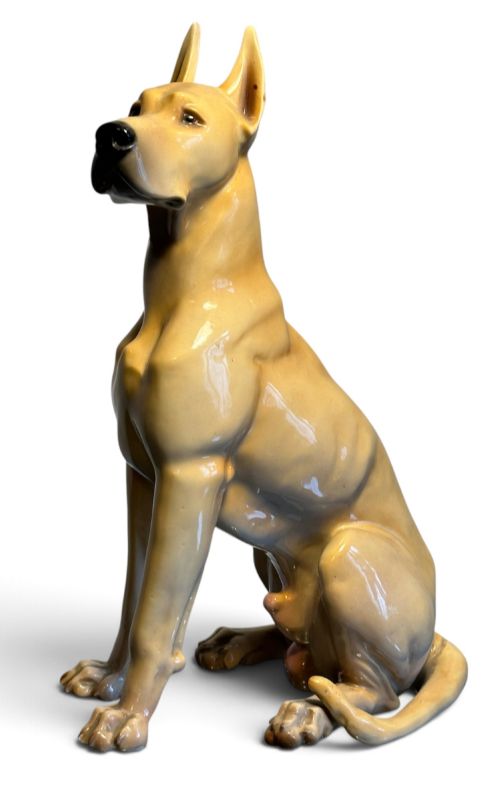
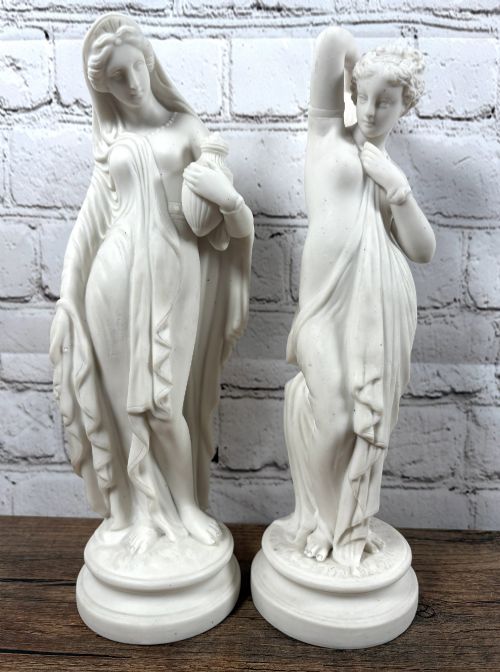
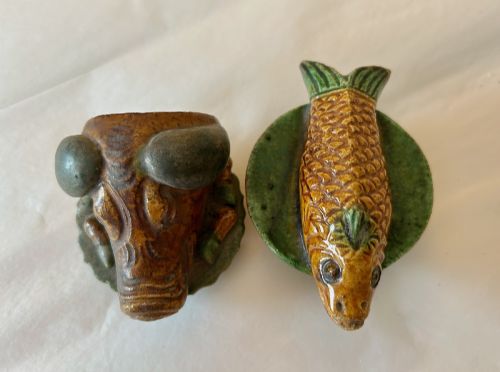
The most common examples on this page are nineteenth-century European porcelain figures and earthenware animal studies, including parian wares and glazed models from major continental kilns.
Materials and technique
Pieces are formed from clay bodies such as terracotta, earthenware, stoneware and hard-paste porcelain, often finished with coloured glaze or enamel decoration. Some works utilise biscuit porcelain, leaving the ceramic unglazed to accentuate sculptural detail.
Moulding and hand-modelling techniques allow makers to achieve fine textures, from the intricate plumage of porcelain birds to the smooth surface of parian busts.
Antique Ceramic Sculpture Retail Price Guide 2026
Typical asking prices for ceramic sculpture among the pieces listed under this phrase on Sellingantiques today, from the lower quarter to the upper quarter. They describe what is for sale here now, not the wider market.
Materials represented include porcelain, terracotta, earthenware, stoneware, parian ware and enamel.
Judging quality
Quality rests upon the crispness of the modelling and the precision of the surface decoration, whether hand-painted enamel or uniform glaze. Superior examples display anatomical accuracy, expressive detail in the faces of human and animal figures, and clean execution without heavy firing distortions.
The sophistication of the original design and the reputation of the modeller or factory elevate certain pieces, distinguishing standard decorative ornaments from masterworks of ceramic art.
Goldscheider·Meissen·Royal Dux Bohemia·Royal Worcester·Charles Vyse
The Antique Ceramic Sculpture Glossary
- Biscuit porcelain
- Unfired or unglazed porcelain that has a matte, marble-like surface texture. This finish highlights fine modelling lines without the reflective shine of a transparent glaze.
- Terracotta
- Baked red or buff earthenware clay used extensively for figurative sculpture and architectural models. It is frequently left unglazed to reveal the natural grain of the material.
- Parian ware
- A fine-grained unglazed white porcelain developed in the nineteenth century to imitate carved marble. It is particularly associated with classical busts and literary groups.
- Enamel
- Vitreous coloured decoration applied to the surface of fired ceramics and fixed by a secondary low-temperature firing. It permits vibrant polychrome detail on figures and vessels.
- Okimono
- A Japanese decorative carving intended for display on a shelf or in a traditional alcove. These sculptures encompass various materials including porcelain and pottery.
Antique Ceramic Sculpture: Frequently Asked Questions
What is parian ware?
Parian ware is a type of fine white porcelain developed in the nineteenth century to resemble carved marble. It is especially suited to classical figures and literary busts.
Unlike glazed porcelain, parian has a matte, stone-like texture that shows delicate modelling details very clearly.
How do I clean ceramic sculptures?
Cleaning requires a soft dry brush to remove dust from crevices and painted surfaces. Avoid using water or chemical cleaners on unglazed or painted ceramics.
Unglazed surfaces like terracotta and biscuit porcelain absorb moisture easily and can be permanently stained by liquids.
What is biscuit porcelain?
Biscuit porcelain is ceramic ware that has been fired once but left entirely unglazed. It possesses a tactile, matte finish resembling white marble.
Many European factories utilised this technique for neoclassical figures and allegorical groups during the eighteenth and nineteenth centuries.
How are terracotta figures dated?
Dating terracotta sculptures involves examining the clay body, tool marks, factory stamps and stylistic characteristics. Early pieces often show distinct hand-modelling methods.
Comparative examples from documented periods help establish the likely manufacturing era of unmarked animal or human figures.