

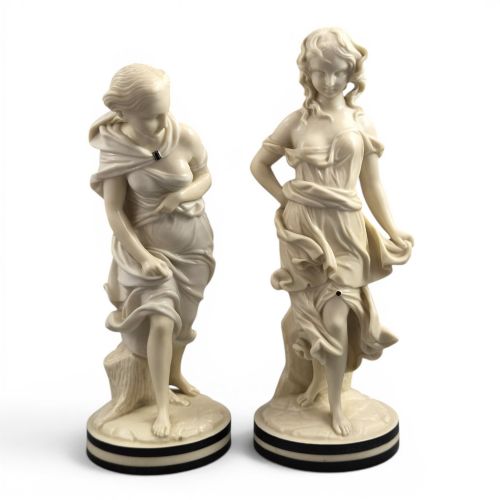


Victorian Parian Figure
A victorian parian figure brings the smooth, unglazed finish of classical sculpture into the nineteenth-century parlour through masterly ceramic modelling.
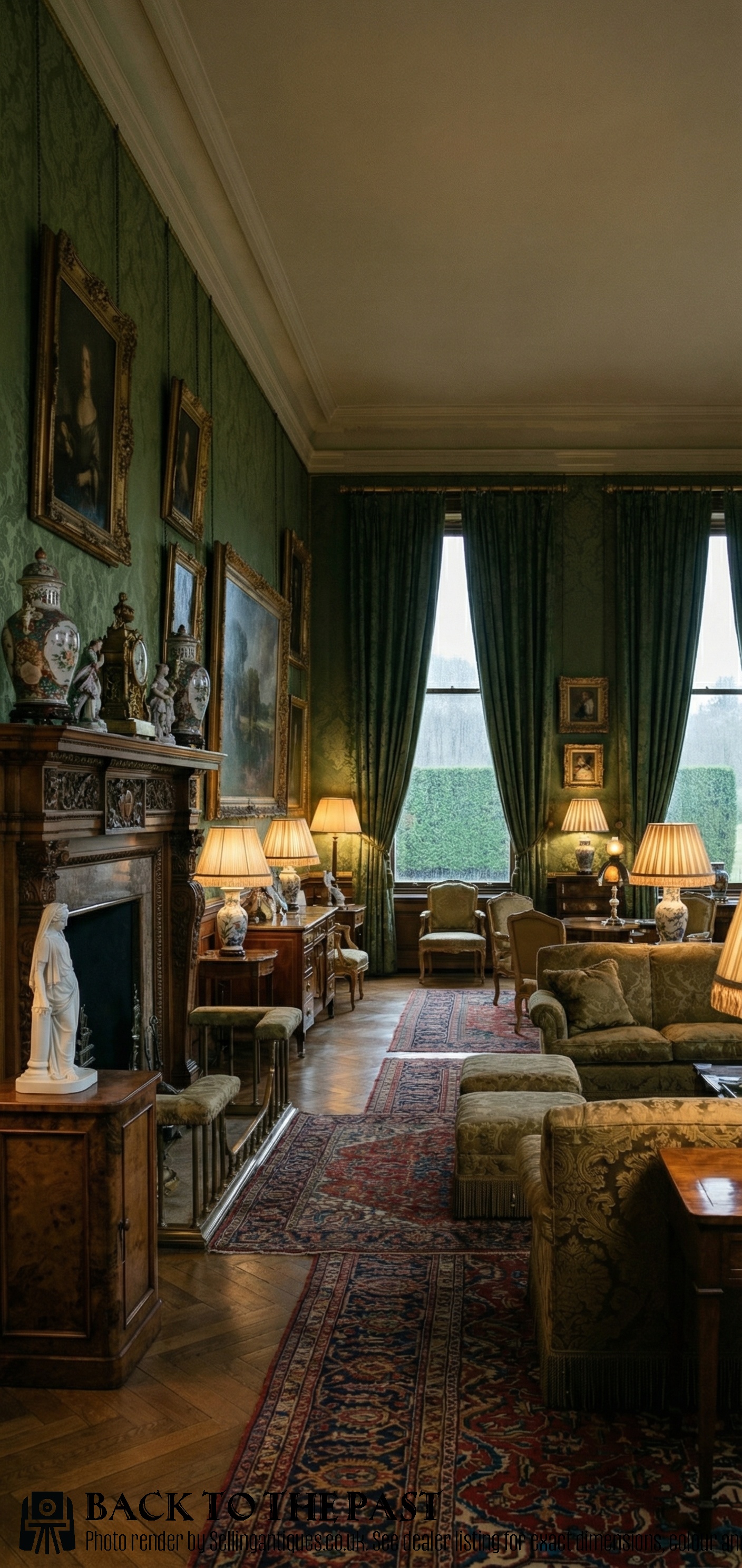
Victorian Parian Figure
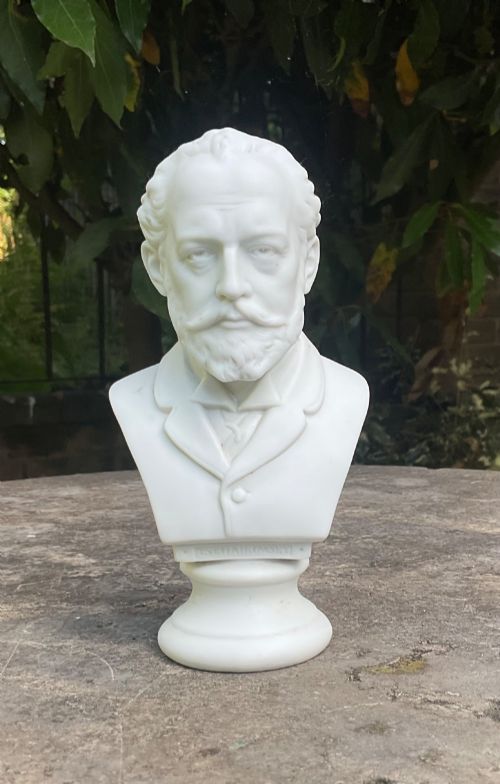
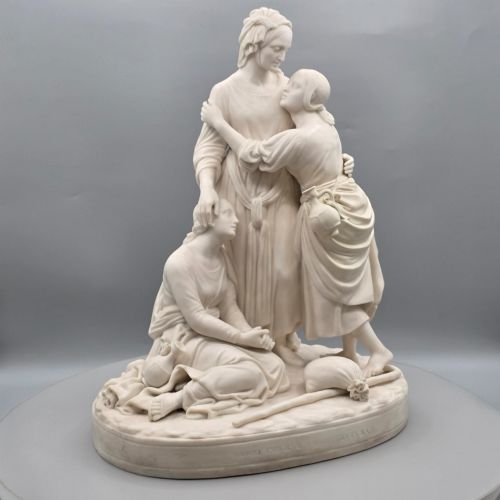
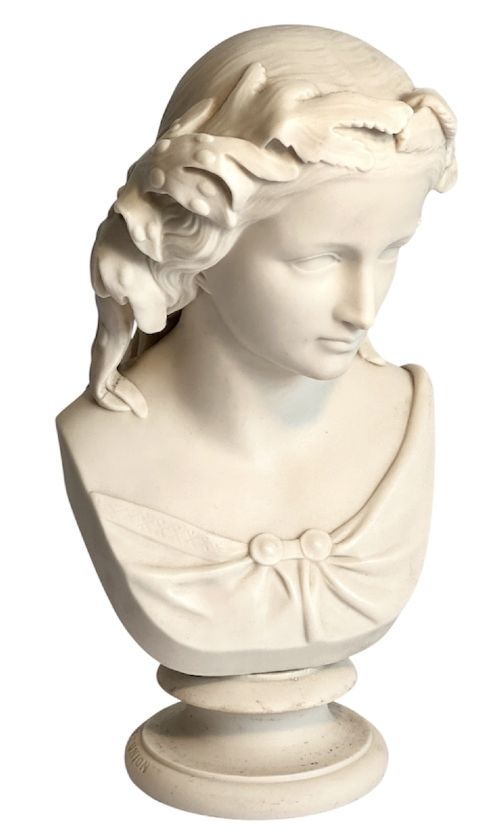
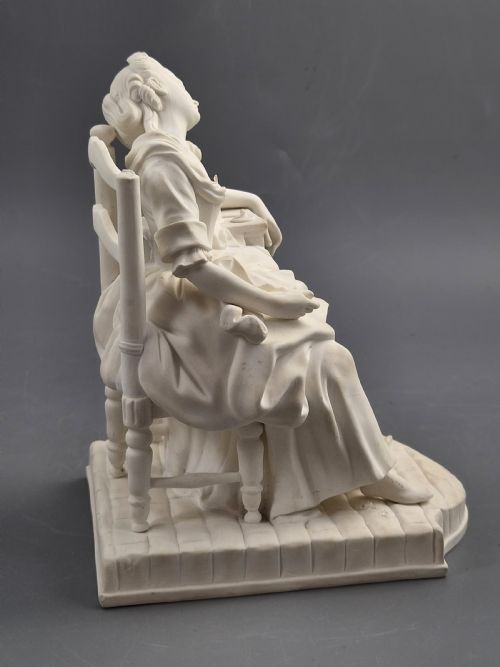
When you search for a victorian parian figure, you encounter unglazed porcelain works that mimic marble through crisp detail and a matte surface. These pieces span single figurines, figural groups, busts of notable figures, and classical subjects modelled after ancient and contemporary sculptors.
You are most likely to meet mid-to-late nineteenth-century English productions on this page, particularly works depicting classical maidens, literary heroines, and allegorical subjects from major potteries. The forms range from small cabinet statuettes to larger scale sculptural studies produced during the height of the Victorian era.
Materials and Technique
These works utilise parian porcelain, also known as parian ware, biscuit porcelain, or bisque porcelain, fired without glaze to achieve a tactile, stone-like texture resembling Parian marble. Selected pieces incorporate subtle enamel highlights, celadon glazing, or coloured parian bodies to emphasise garments and decorative elements.
Manufacturers achieved the intricate undercuts and delicate drapery of a victorian parian figure through meticulous slip casting in multiple plaster moulds. Skilled modellers then finished the raw clay bodies by hand before the high-temperature kiln firing.
Victorian Parian Figure Retail Price Guide 2026
Typical asking prices for victorian parian figure among the pieces listed under this phrase on Sellingantiques today, from the lower quarter to the upper quarter. They describe what is for sale here now, not the wider market.
Listings feature works from the nineteenth century, specifically spanning the eighteen-fifties through to nineteen hundred.
Distinctions in Quality
Larger scale pieces and works modelled by named sculptors for prominent factories display an ambitious handling of anatomy and composition that elevates them far above mass-produced ornamental wares.
Minton·Copeland·Royal Worcester·Triebner Ens And Co
The Victorian Parian Figure Glossary
- Parian ware
- A type of fine white unglazed porcelain developed in the nineteenth century to imitate marble. It derives its name from Paros, the Greek island renowned for its white statuary marble.
- Biscuit porcelain
- Unglazed ceramic ware that has undergone a single firing to harden the body before any potential glazing. Parian figures are left in this matte state.
- Neo-classical
- A style inspired by the classical art and architecture of ancient Greece and Rome. This aesthetic heavily influenced Victorian sculptors working in parian.
- Statuette
- A small statue or figurine designed for interior display on mantelpieces, tables, or cabinets. These form a large portion of nineteenth-century parian production.
Victorian Parian Figure: Frequently Asked Questions
Were these figures copied from marble?
Many nineteenth-century parian pieces were reduced-scale ceramic copies of famous marble sculptures by contemporary artists or classical antiquities. Factories employed skilled modellers to translate large gallery sculptures into domestic formats for middle-class homes.
This practice allowed collectors to own affordable representations of major exhibition pieces by celebrated sculptors like Dannecker or Acier.
How do I identify the manufacturer?
Look closely at the base or reverse of the piece for impressed factory marks, inscribed titles, or the names of specific modellers. Major potteries often stamped their names or used specialised impressed ciphers and registration diamonds.
Unmarked pieces can sometimes be attributed through recorded registry shapes, known modelling styles, or matching examples in museum archives.
What subjects are most common?
Classical maidens, literary characters from poetry and novels, and allegorical figures representing virtues or seasons dominate nineteenth-century production. Busts of historical figures, composers, and royals also appeared frequently in domestic parlours.
Figural groups depicting children, gardeners, or biblical scenes provided alternative narratives for Victorian interior decoration.