



Parian Porcelain Figurine
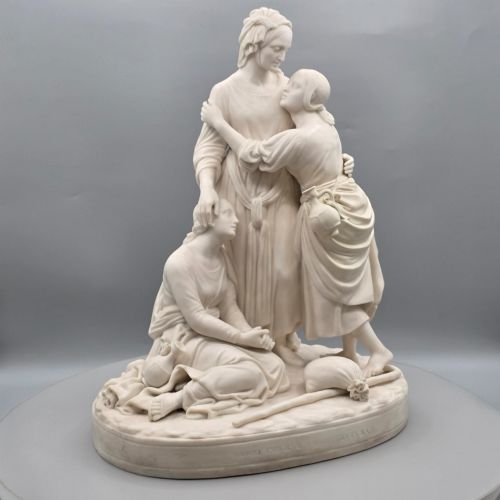
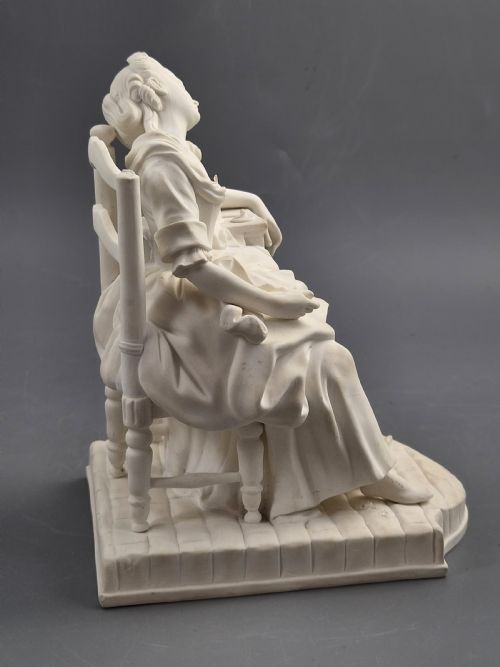
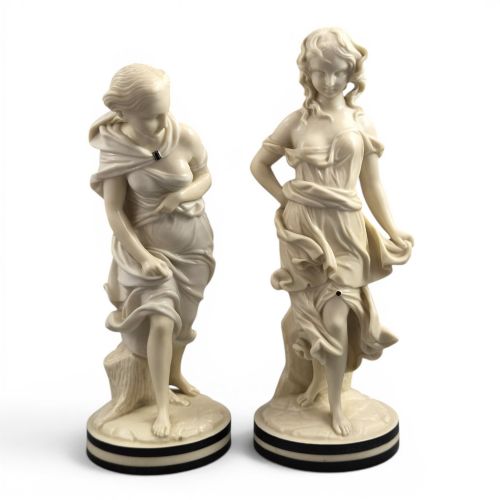
These parian porcelain figurine examples bring 19th century Victorian modelling into the room with crisp detail and matte biscuit surfaces.
What parian porcelain figurine pieces are
When searching for a parian porcelain figurine, collectors encounter nineteenth century sculptural works shaped during the Victorian period. These pieces frequently take the form of figures, including a girl with a basket, a woman figurine, a boy reading, and menu holders.
The objects stem from 1870 through to the early twentieth century, spanning Victorian and neo-rococo or Victorian neoclassical styles. Makers and factories across Britain and continental Europe produced these works in biscuit and parian ware.
Most examples met on this page belong to the nineteenth century, capturing classical and sentimental subjects modelled with fine detail. The selection ranges from standalone decorative figures to functional items like menu men.
How they were made
Factories utilised specialised ceramic moulds to cast the complex forms of the figurines, ensuring sharp definition across drapery and facial expressions. The fired biscuit porcelain required careful handling during production to preserve the smooth, stone-like texture without a glossy surface.
Retail Price Guide 2026
Typical UK retail prices for parian porcelain figurine, calculated from the Sellingantiques database of over a million retail prices indexed since 2003. This retail price guide relies exclusively on Sellingantiques data; no external sources or auction records are used, so the figures do not describe the wider market.
The site listings feature nineteenth century parian porcelain and biscuit porcelain figurines created in Victorian neoclassical and neo-rococo styles.
What varies in quality
The presence of hand-painted enamel and gold leaf details adds a layer of refinement to specific pieces, distinguishing them from plain biscuit porcelain forms. Sculptural proportions and the naturalistic posture of the subject further define the standard of each work.
Triebner Ens And Co·Copeland·Sitzendorf·Katzhutte Herting And Co
The Parian Porcelain Figurine Glossary
- Parian Porcelain
- A fine-grained, unglazed porcelain developed in the nineteenth century to imitate white marble. It fires to a matte finish that resembles carved statuary stone.
- Biscuits
- Unglazed ceramic ware fired once before any subsequent decoration is applied. This surface absorbs no light, giving the material a soft, chalky appearance.
- Neo-Rococo
- A nineteenth century revival style characterised by asymmetrical scrolls, naturalistic curves, and ornate detailing. It influenced the decorative bases and surroundings of Victorian figures.
- Menu Man
- A small figural stand designed to hold dining table menus. These functional pieces combined Victorian sculpture with domestic utility.
Frequently Asked Questions
What is parian porcelain?
Parian porcelain is an unglazed ceramic material developed during the nineteenth century to imitate carved white marble. It fires to a matte, fine-grained finish that highlights sculptural detail.
Potteries used this body specifically for figures and busts because its texture resembles classical statuary without requiring a glossy glaze.
How do I date these figures?
Dating relies on stylistic clues, factory marks, and the specific matte ceramic bodies characteristic of the nineteenth century. Victorian pieces often combine neoclassical subjects with ornate bases.
Records from this era help attribute works to specific decades, such as the 1870s or the turn of the twentieth century, based on manufacturing techniques.
Were these figures painted?
Most parian porcelain figures were left entirely unglazed and unpainted to maintain their resemblance to marble. Artisans valued the pure white biscuit surface for its ability to show fine shadows and contours.
Some examples feature selective enamel work or gold leaf applied to accents like borders, clothing, or accessories.
How should I clean my figurine?
Cleaning unglazed biscuit porcelain requires a soft, dry brush to gently remove dust from the crevices. Moisture can stain the porous matte surface, so water should be avoided.
Careful handling protects the delicate extremities, fingers, and applied details of nineteenth century figures from accidental chips.