





Victorian Ceramic Statuette
A victorian ceramic statuette brings the shelf alive with figures of actors, heroines, monks, and historical players moulded in clay and porcelain.
Understanding the pieces
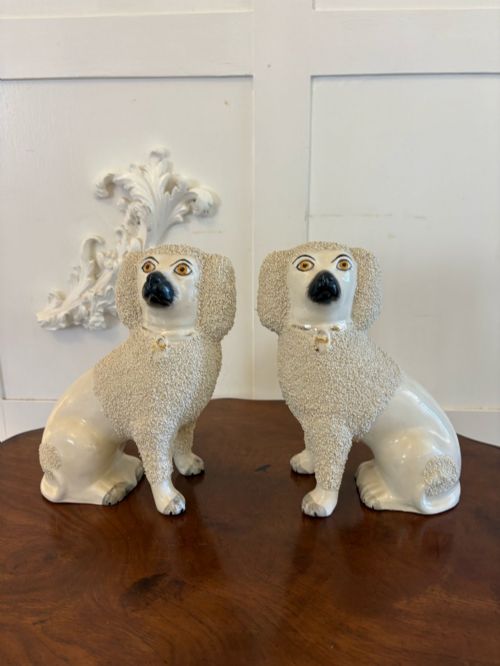
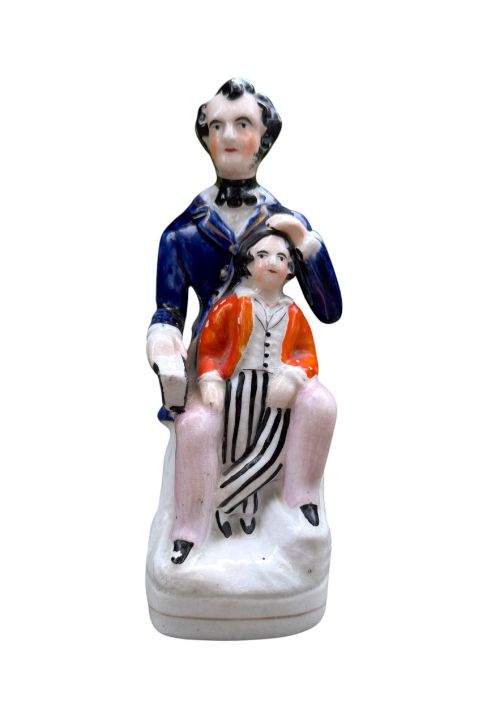
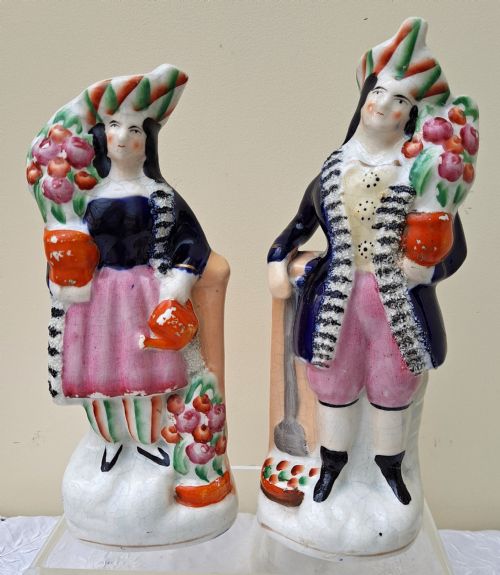
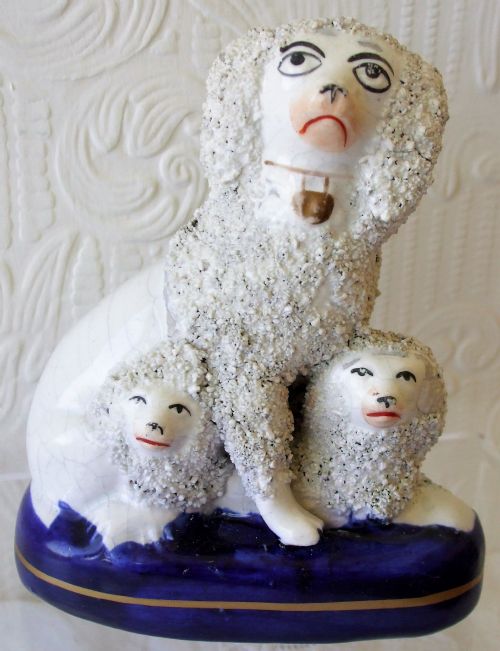
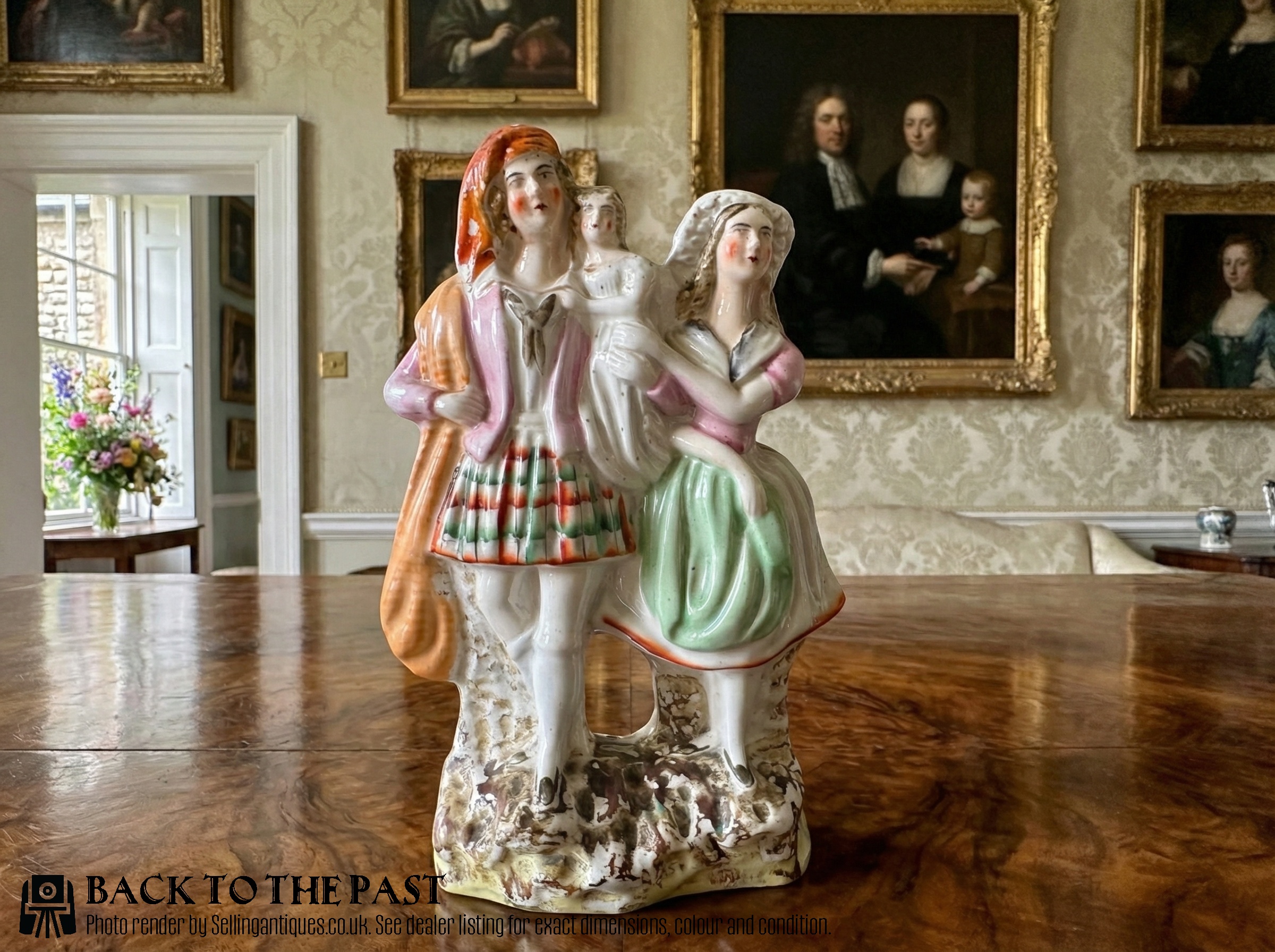
A victorian ceramic statuette comprises figures produced across the nineteenth century in earthenware, porcelain, and parian body types. The most common version met on this page is the Staffordshire pottery flatback, designed to stand neatly against a wall.
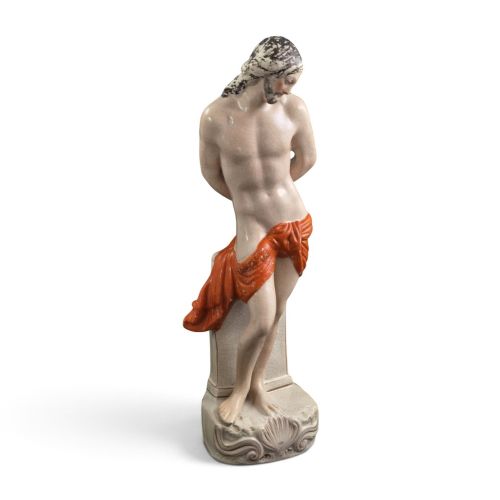
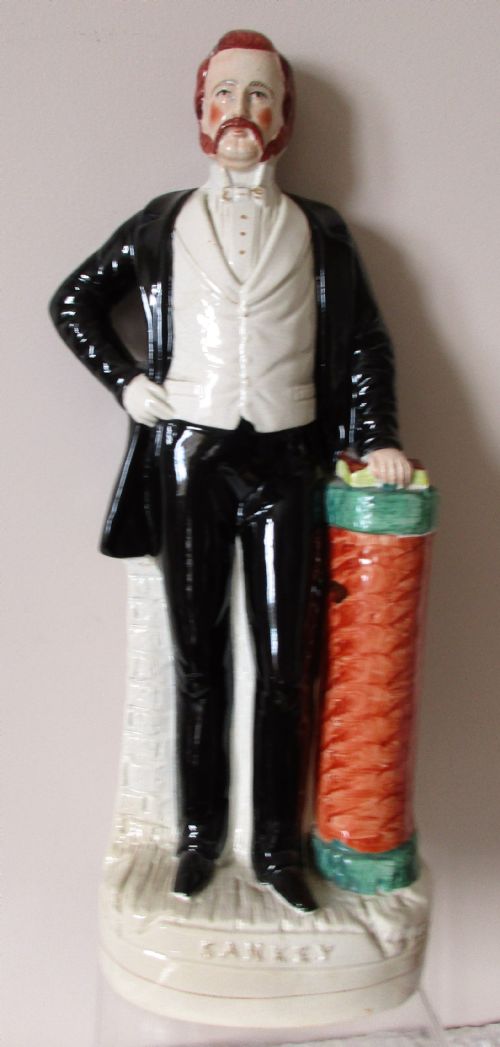
Makers shaped portrait subjects, literary characters, and classical allegories such as Adversity. These objects range from simple earthenware figures to finely modelled parian and bisque pieces produced by major factories.
Many of these works served as mantelpiece ornaments for Victorian parlours, commemorating public events, theatrical stars, or domestic scenes.
Materials and construction
Potters used earthenware, porcelain, and parian bodies, finished with lead glaze, enamel paints, and occasional touches of gold leaf or gilt. Earthenware figures like Staffordshire flatbacks were typically slip-cast or pressed in moulds, then hand-painted with bright enamel colours.
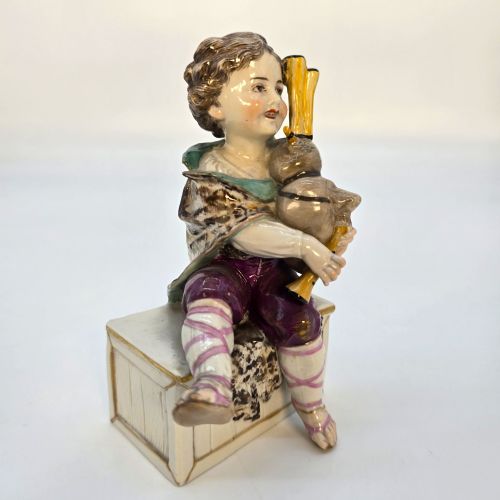
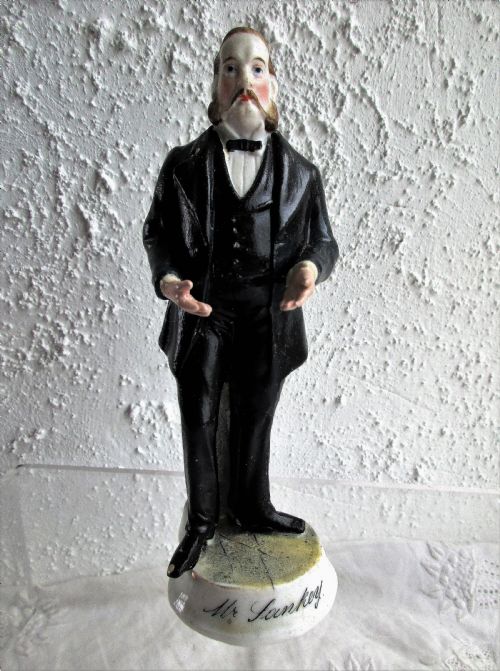
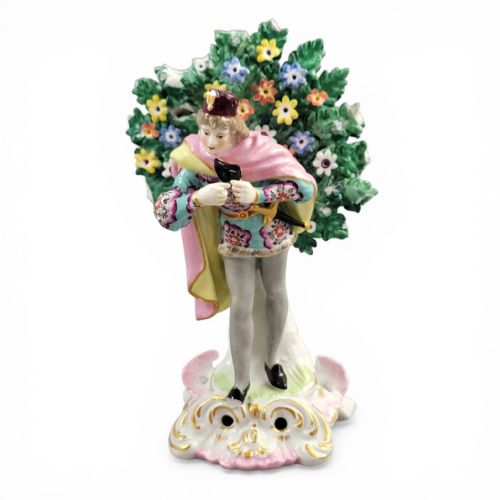
Parian porcelain pieces utilised a fine unglazed biscuit body that mimicked carved marble, capturing delicate folds of drapery and facial expressions. Bisque figures share this unglazed matte surface, while others received glossy lead glazes to seal the ceramic body.
Retail Price Guide 2026
Typical UK retail prices for victorian ceramic statuette, calculated from the Sellingantiques database of over a million retail prices indexed since 2003. This retail price guide relies exclusively on Sellingantiques data; no external sources or auction records are used, so the figures do not describe the wider market.
Victorian shelf-sitters immortalised everyone from pious monks to the Death of the Lion Queen.
Distinctions in quality
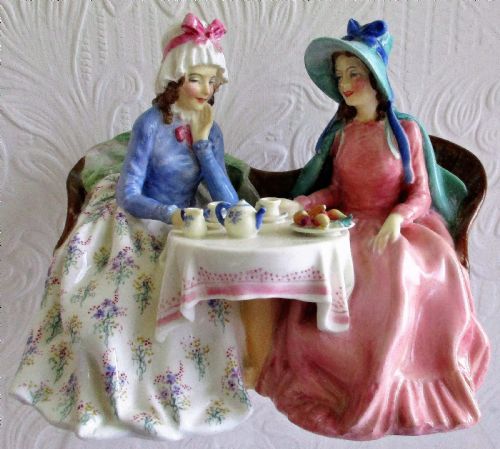
Material choice also separates categories, as delicately rendered parian or porcelain figures by named modellers demand greater technical skill than mass-produced earthenware flatbacks.
Copeland·Royal Worcester
The Victorian Ceramic Statuette Glossary
- Flatback
- A ceramic figure modelled fully in the front and sides with a flat, unpainted rear designed to face forward against a mantelpiece. This construction saved materials and kept production costs down.
- Parian ware
- A fine white unglazed porcelain developed to imitate marble, often utilised for classical and allegorical figures. It fires to a smooth, matte finish that highlights sculptural detail.
- Bisque
- Unglazed ceramic porcelain fired once to a porous, matte state. It offers a soft texture prized for Victorian portrait figures and juvenile subjects.
- Lead glaze
- A shiny glass-like coating applied to earthenware to seal the porous body and enrich the colours underneath. Potters used it widely on nineteenth-century figures.
- Gilt
- A thin layer of gold applied to ceramic surfaces for decoration. It highlights specific clothing details, titles, or bases on portrait figures.
Frequently Asked Questions
What is a Staffordshire flatback?
Staffordshire flatbacks are earthenware figures produced in the Midlands during the nineteenth century, designed specifically to be placed on mantels and shelves against a wall.
Because the back is flat and largely unadorned, they rely entirely on the expressive front modelling and bright enamel colours to catch the eye.
How do I care for ceramic figures?
These pieces require gentle dusting with a soft, dry brush to protect the delicate enamel paints and gold leaf highlights from abrasion.
Keep them away from direct sunlight and damp environments to preserve the integrity of the earthenware and glazes over time.
Were these figures meant as toys?
No, these statuettes were strictly decorative ornaments intended for adult display in Victorian sitting rooms and parlours. They served as conversation pieces, expressing the owner's taste in literature, theatre, or current events.