


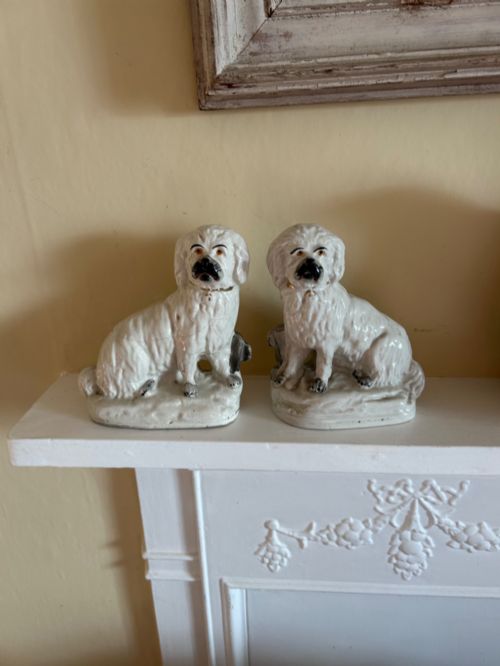


White Glazed Pottery Figure
These white glazed pottery figure examples span the nineteenth and eighteenth centuries, bringing animal groups, portrait subjects and inkwells to collectors.
White Glazed Pottery Figure
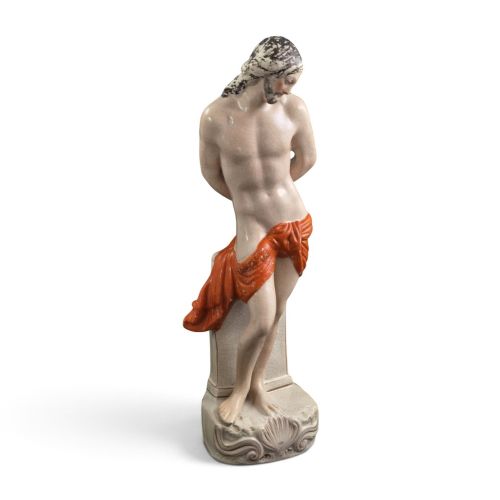
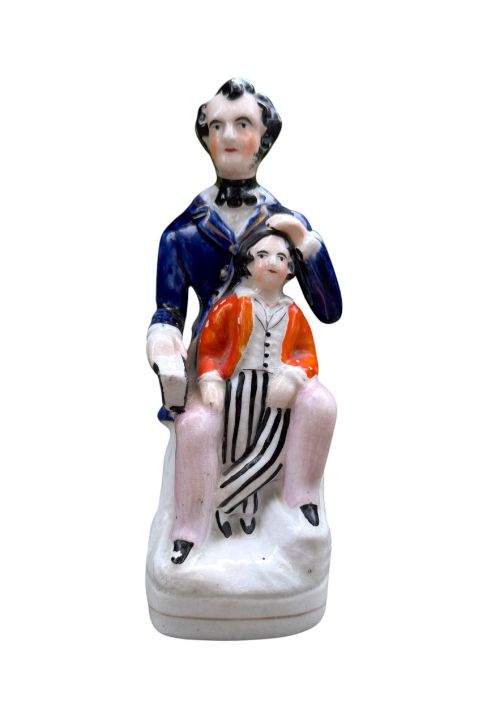
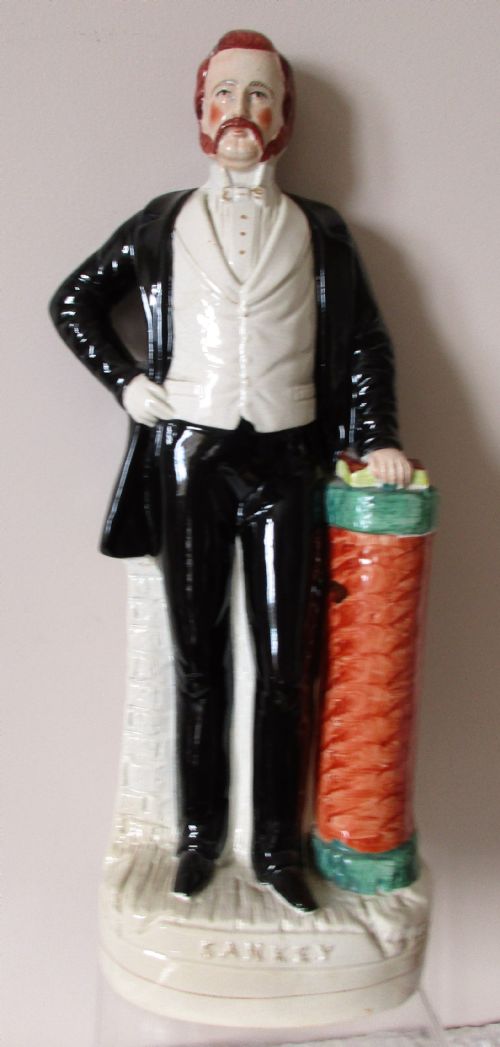
A white glazed pottery figure selection centres on earthenware and ceramic bodies shaped into dogs, lions, cows, sheep and human portraits. These pieces often take the form of Staffordshire flatbacks, spaniels, inkwells and quill holders made during the Victorian era.
Buyers also encounter continental examples including Dutch Delftware, Italian Majolica, German tin-glazed beasts and French terracotta animal sculptures. The forms range from small miniature poodles to large pairs of royal goats, horses and theatrical bookends.
How They Were Made
Potters shaped these earthenware and ceramic objects using moulds before applying lead glaze, tin glaze or enamel paint. Many pieces integrate underglaze blue, copper lustre accents or gilt touches upon the white ceramic body.
White Glazed Pottery Figure Retail Price Guide 2026
Typical asking prices for white glazed pottery figure among the pieces listed under this phrase on Sellingantiques today, from the lower quarter to the upper quarter. They describe what is for sale here now, not the wider market.
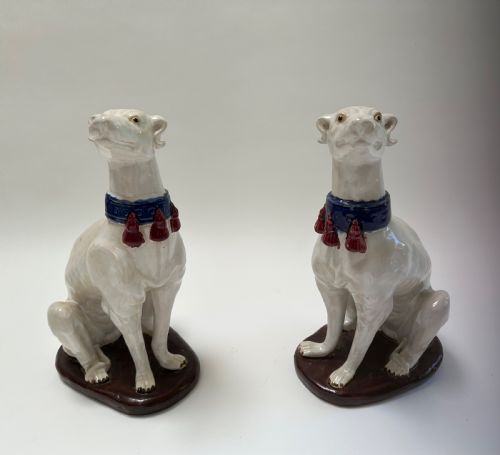
Cats and poodles gaze from mantelpieces beside smug lions and watchful sheep.
What Varies in Quality
Quality rests upon the crispness of the moulded detail, particularly in the rendering of facial expressions, coats and attire on portrait figures and animal pairs. Finer examples retain clean white glazing without heavy pooling, alongside crisp hand-painted enamel and gilt application.
The sculptural presence dictates the upper tier, where substantial scale and well-balanced modelling elevate standard decorative figures into striking mantel ornaments.
Thomas Parr·Gao Hengsheng
The White Glazed Pottery Figure Glossary
- Flatback
- A pottery figure modelled fully in the front and sides with a flat, unglazed or minimally decorated reverse designed for display against a wall or mantelpiece.
- Tin Glaze
- An opaque white lead glaze containing tin oxide, providing a smooth surface for painted enamel decoration on earthenware pieces.
- Lead Glaze
- A glossy transparent or semi-translucent coating applied to earthenware and fired to seal the porous ceramic body.
- Quill Holder
- A utilitarian pottery object incorporating a shaped figure or animal beside a trough designed for holding writing feathers.
White Glazed Pottery Figure: Frequently Asked Questions
How do I identify a Victorian Staffordshire figure?
Look for earthenware bodies covered in a white glaze with hand-painted enamel colours and often a flat, unpainted back designed for mantel display.
These pieces typically depict animals, historical personages, or literary scenes popular during the nineteenth century.
Were these pottery figures used for writing desks?
Several examples incorporate practical functions alongside decoration, serving as inkwells or quill holders for the nineteenth-century desk.
Animals such as spaniels and dalmatians frequently appear in these functional pottery configurations.
How should I clean my glazed pottery figure?
Dust the ceramic surface gently with a soft, dry brush to prevent dirt accumulation within the moulded crevices and glaze lines.
Avoid immersing antique earthenware in water, as moisture can penetrate hairline cracks in the glaze or body.
What subjects are common in these figures?
Popular themes include domestic and exotic animals such as poodles, lions, cows, sheep, and goats, often modelled in symmetrical pairs.
Portrait figures of royalty, military leaders, and theatrical actors also appear regularly across the nineteenth-century selection.