

Polychrome Ceramic Figurine
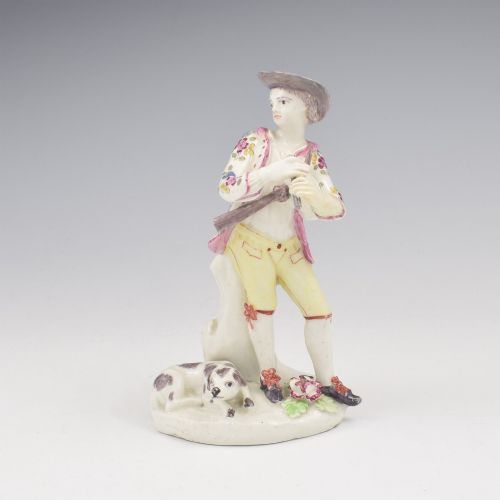
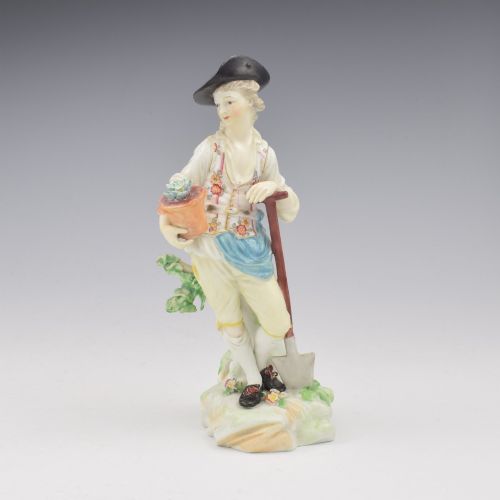
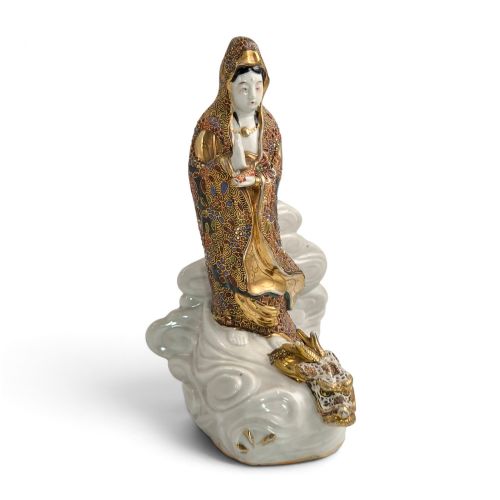
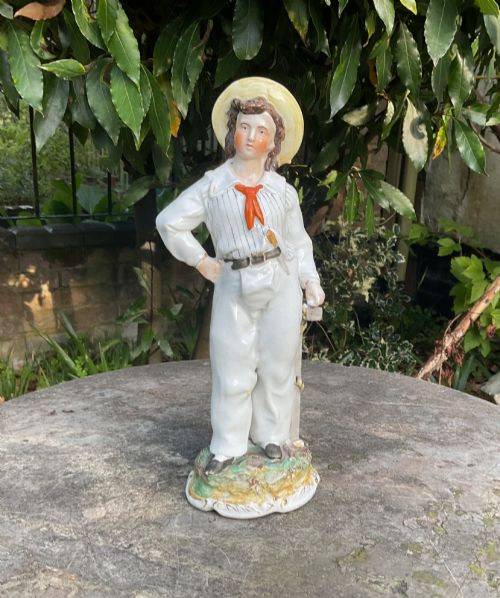
These polychrome ceramic figurine works bring centuries of modelled colour and character to a room.
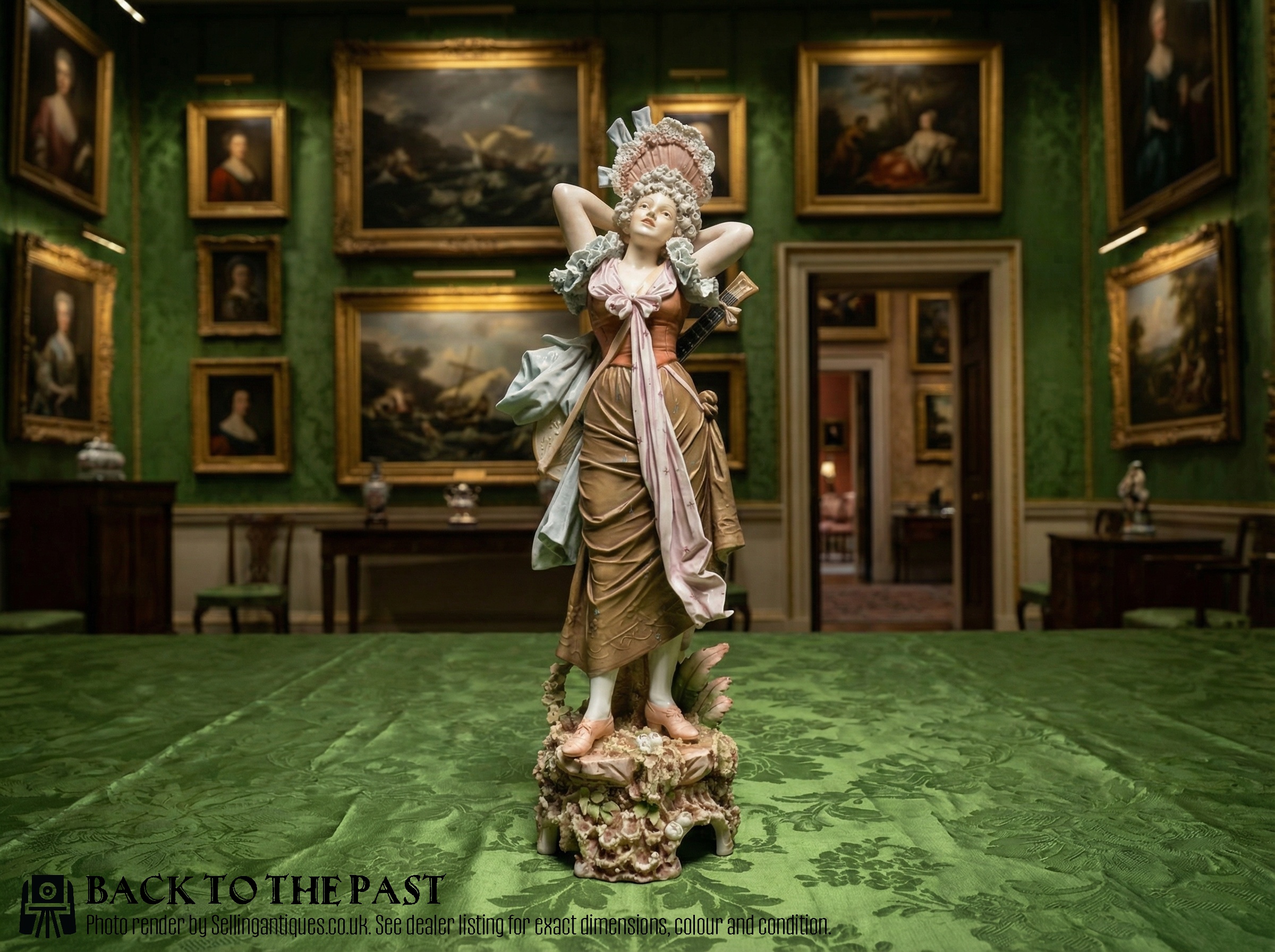
Polychrome Ceramic Figurine
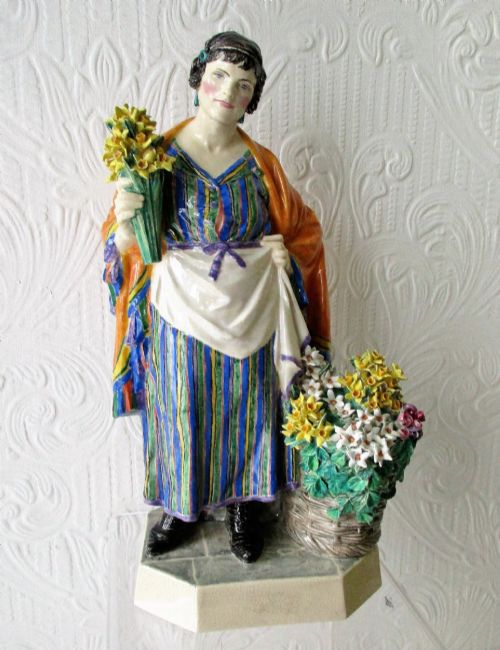
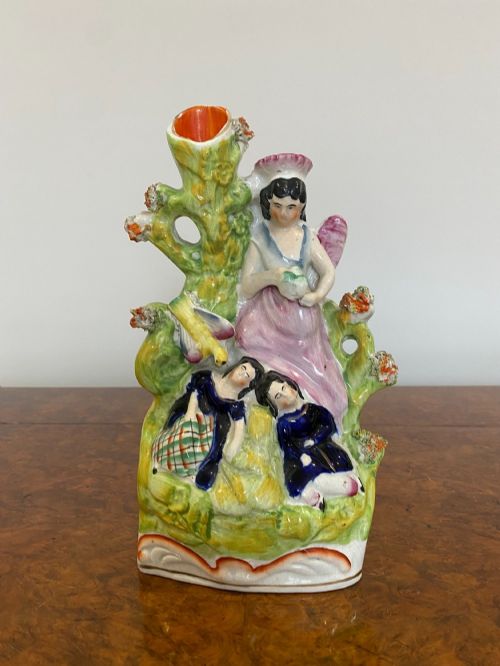
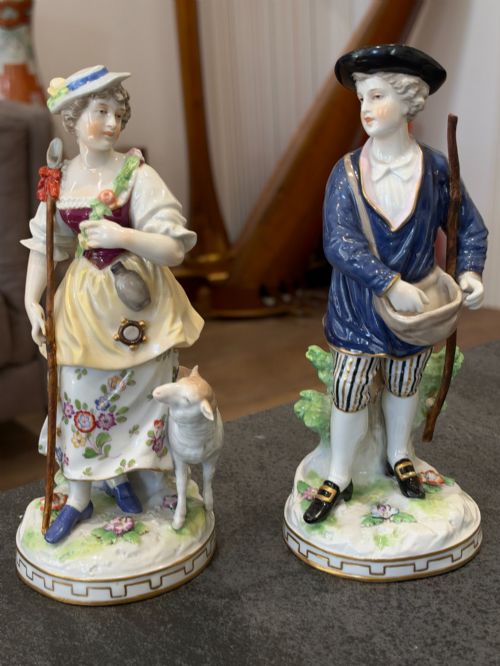
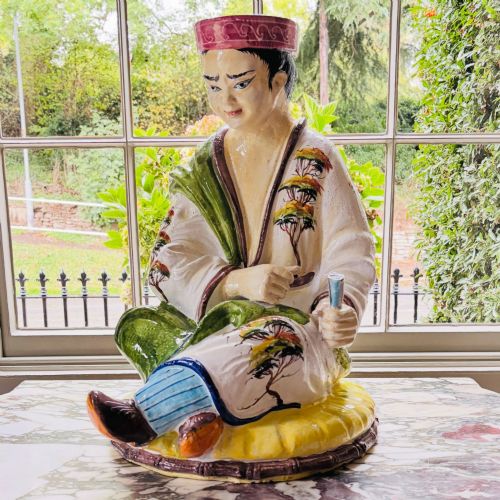
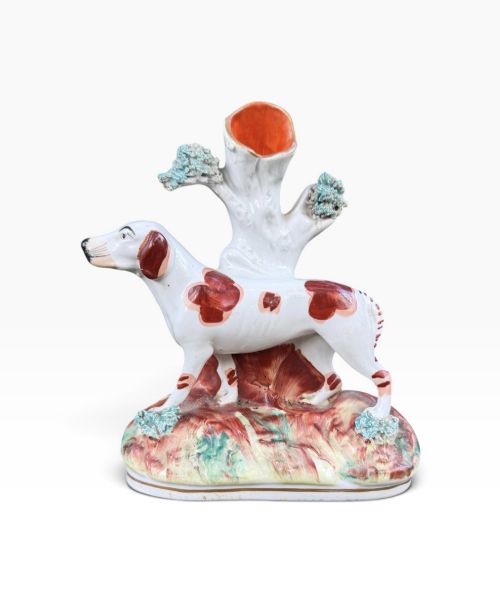
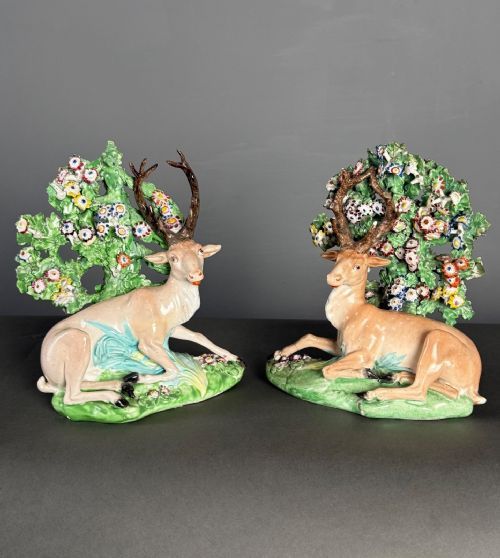
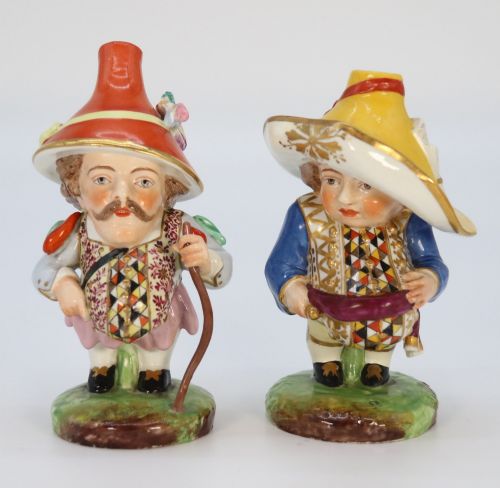
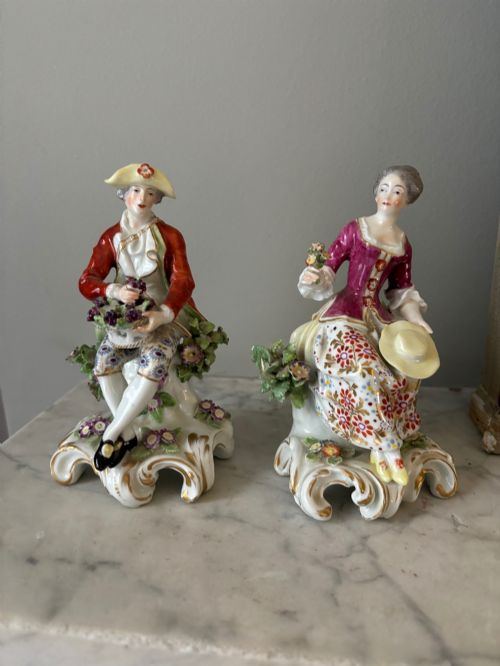
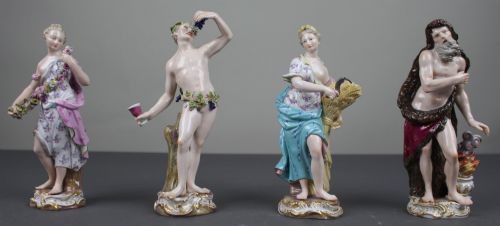
A polychrome ceramic figurine represents modelled human, animal or allegorical subjects shaped from clay or paste, then painted in multiple colours under or over the glaze. When collectors search for a polychrome ceramic figurine, they encounter works ranging from eighteenth-century soft-paste figures to twentieth-century studio pottery.
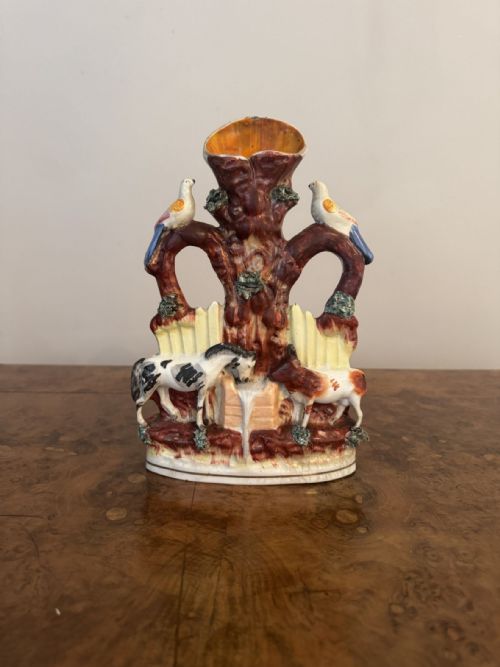
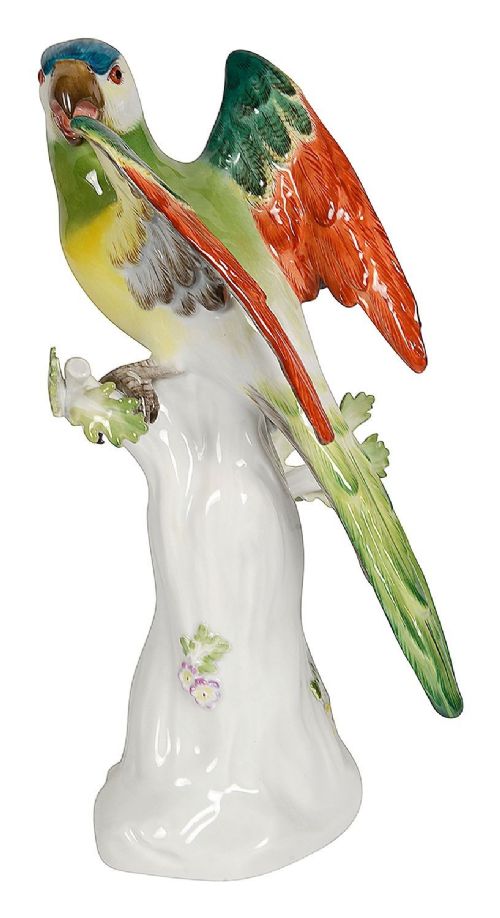
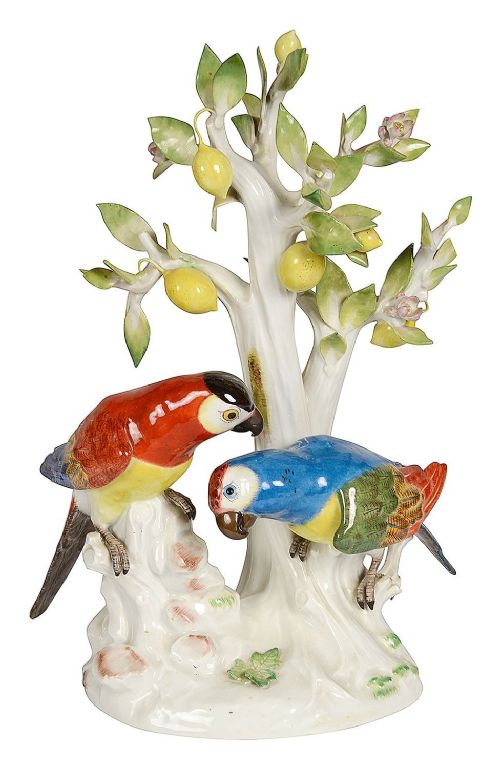
The selections span English, continental European and Asian traditions, including Staffordshire earthenware pottery, Meissen porcelain animals and French faience figures. The most frequent examples on this page date from the eighteenth and nineteenth centuries, alongside twentieth-century studio pieces.

How They Were Made
Makers formed these pieces using press-moulding or slip-casting in earthenware, stoneware, porcelain or hard-paste porcelain. Artisans then applied enamel colours by hand, frequently incorporating gold leaf accents before firing the pieces in kilns to fix the glaze.
Early works rely on soft-paste porcelain or tin-glazed earthenware, while later Victorian and twentieth-century examples utilise hard-paste porcelain, refined ceramic bodies and detailed hand-enamelled decoration.
Polychrome Ceramic Figurine Retail Price Guide 2026
Typical asking prices for polychrome ceramic figurine among the pieces listed under this phrase on Sellingantiques today, from the lower quarter to the upper quarter. They describe what is for sale here now, not the wider market.
Listings feature porcelain, earthenware, hard-paste porcelain and enamel materials across eighteenth, nineteenth and twentieth century periods.
What Varies in Quality
Lesser pieces exhibit heavy, flat brushwork, blurred details and clumsy proportions. Superior factory productions and recognised studio works maintain consistent glaze quality and controlled firing temperatures that prevent warping or discolouration.
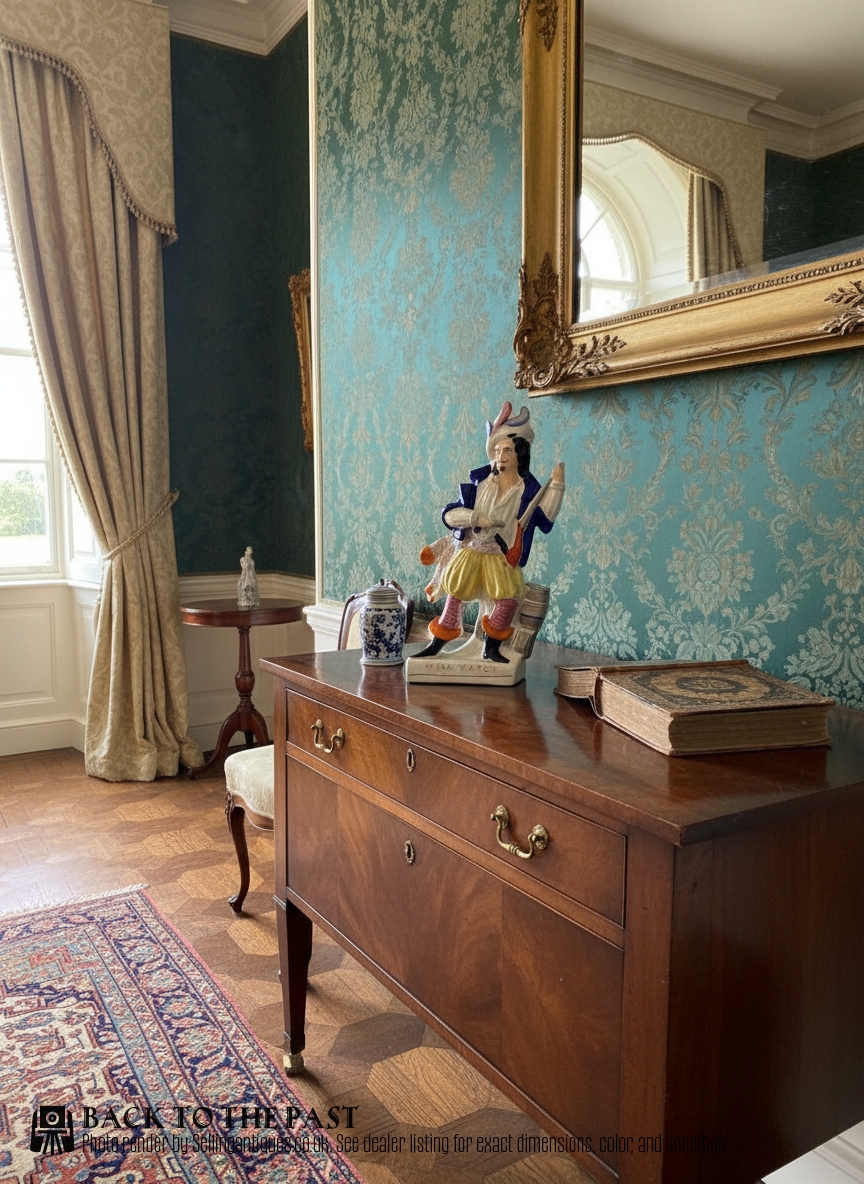
Edmé Samson·Meissen·Volkstedt Rudolstadt Factory·Charles Vyse·John Bevington·Royal Doulton
The Polychrome Ceramic Figurine Glossary
- Polychrome
- Decorated in multiple colours. This term describes ceramics and figures painted with various enamel pigments rather than a single monochrome glaze.
- Hard-paste porcelain
- A dense, vitrified ceramic composed of kaolin and petuntse. It fires at very high temperatures and resists scratching.
- Faience
- Tin-glazed earthenware produced in France and other European regions. It provides an opaque white surface suitable for hand-painted enamel decoration.
- Enamel
- Opaque or translucent glass-based paint applied to fired ceramics. Artisans fuse these pigments to the surface in a secondary kiln firing.
- Putto
- A modelled figure of a chubby male child, often winged. These decorative motifs appear frequently in eighteenth-century allegorical sets.
Polychrome Ceramic Figurine: Frequently Asked Questions
What are polychrome ceramic figurines?
These pieces are three-dimensional sculptural objects formed from clay, earthenware or porcelain and decorated with hand-painted multi-coloured enamels. They depict human characters, animals, historical figures and allegorical subjects.
Craftsmen across European and Asian potteries produced them as decorative ornaments, inkwells, table centrepieces and cabinet displays over the course of several centuries.
How were antique figures used?
Historically, wealthy households displayed these glazed sculptures on mantelpieces, dining tables and in specialised cabinets to signal taste and culture. Some forms served practical purposes, such as figural inkwells, sweet baskets or fairing ornaments.
Later Victorian and twentieth-century examples functioned primarily as decorative interior ornaments for domestic parlours and drawing rooms.
How do I care for ceramic figures?
Display these glazed sculptures away from direct sunlight to prevent fading in the hand-painted enamel colours. Dust them gently with a soft, dry brush without using harsh chemical cleaners.
Handle pieces firmly by their solid structural parts rather than delicate protruding elements like fingers, leaves or branches.
How can I tell periods apart?
Eighteenth-century examples often feature soft-paste bodies, rococo scrollwork bases and hand-modelled details associated with early European factories. Nineteenth-century pieces typically exhibit heavier hard-paste porcelain, brighter Victorian Staffordshire earthenware glazes or distinct factory mark systems.
Twentieth-century studio pottery and art wares introduce modern glazes, simplified forms and individual artist signatures.