


Victorian Pottery Figure
A victorian pottery figure brings nineteenth-century personalities, animals, and theatrical scenes directly to the mantelpiece.
Victorian Pottery Figure
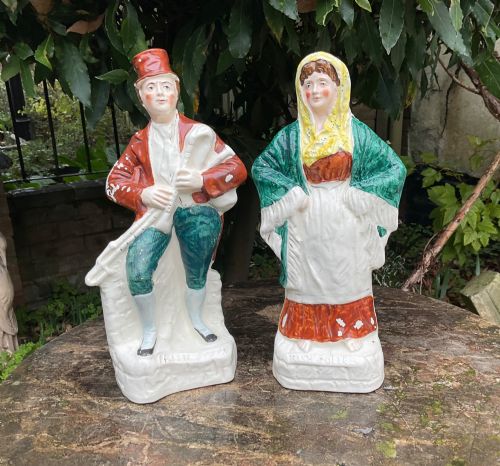
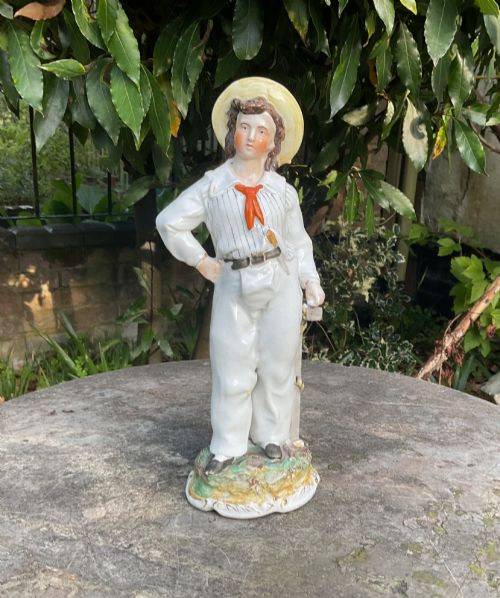
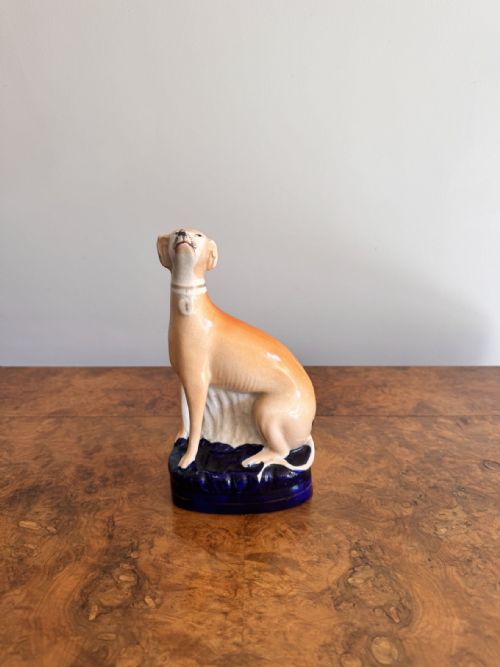
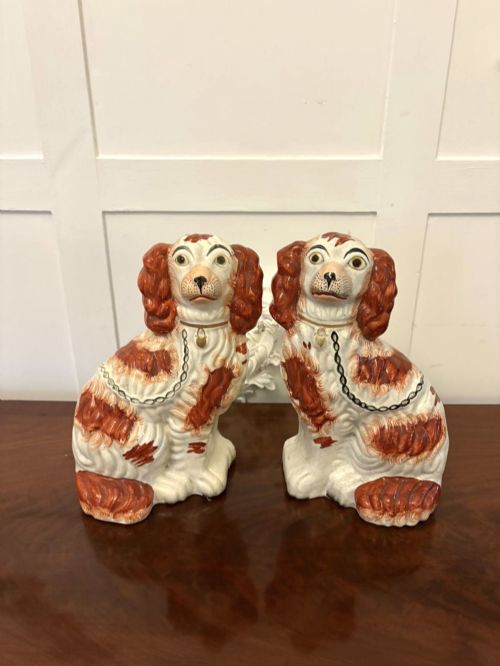
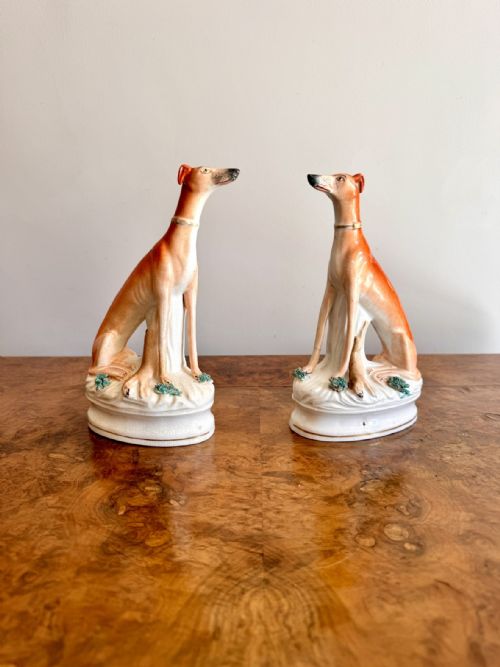
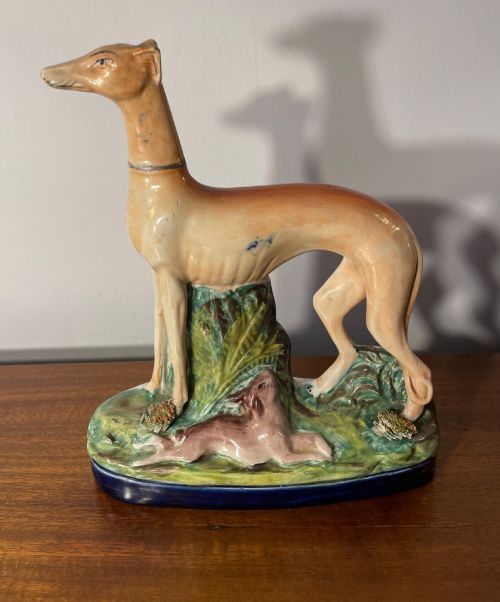
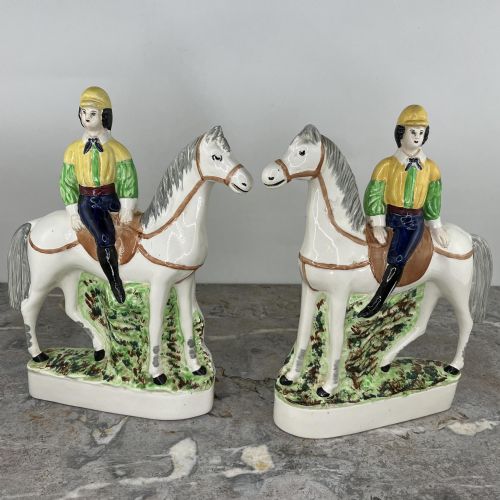
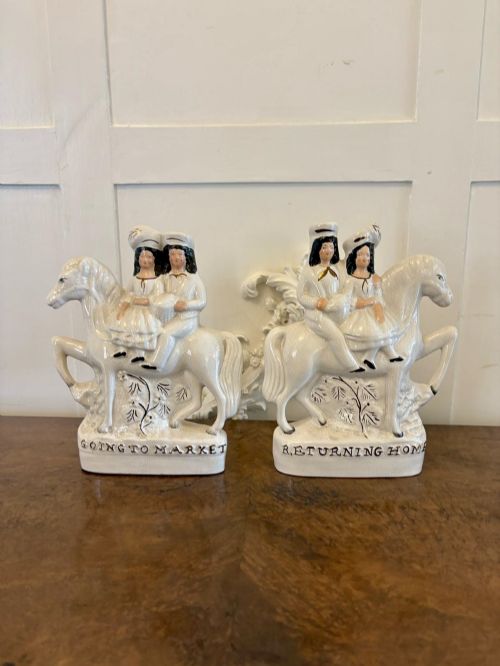
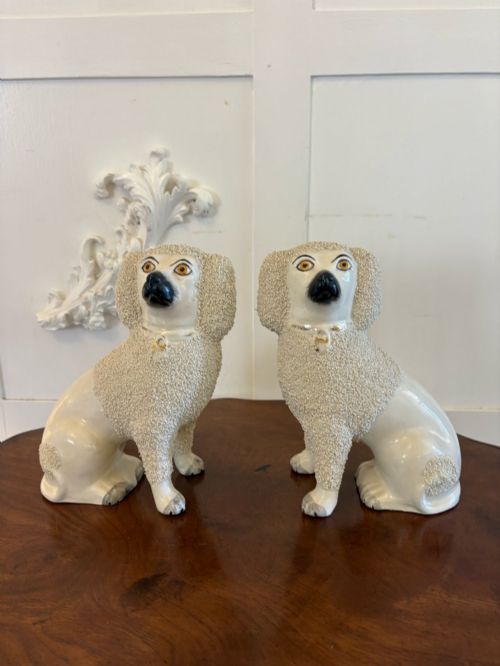
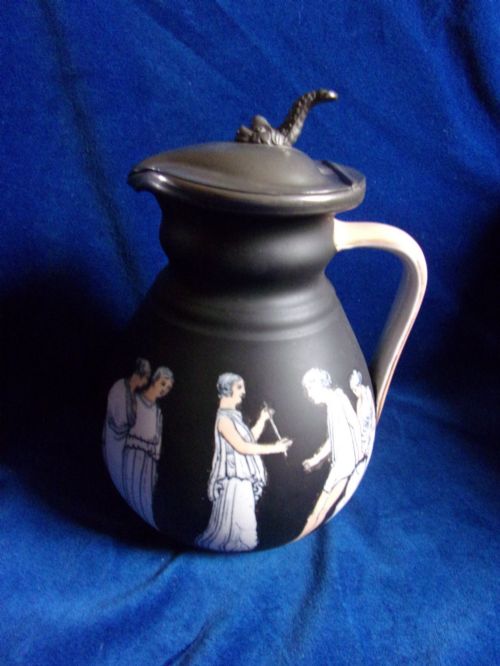
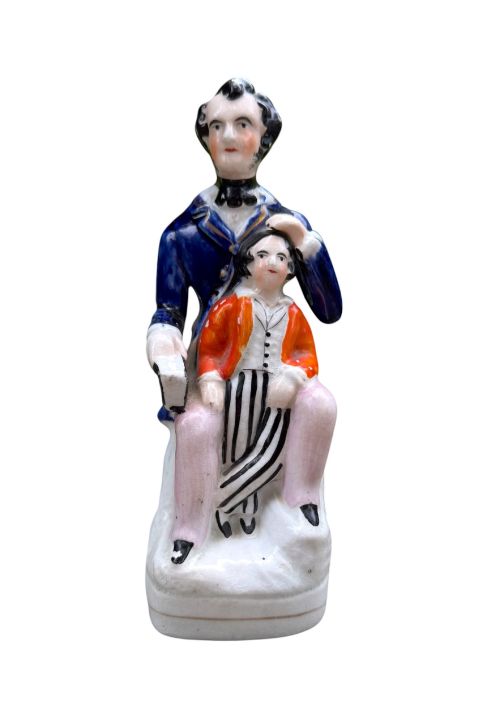
When searching for a victorian pottery figure, collectors encounter a diverse range of earthenware ceramic ornaments produced during the nineteenth century. These objects include portrait pieces depicting royalty and military heroes, theatrical groups, and pairs of domestic animals like spaniels and poodles.
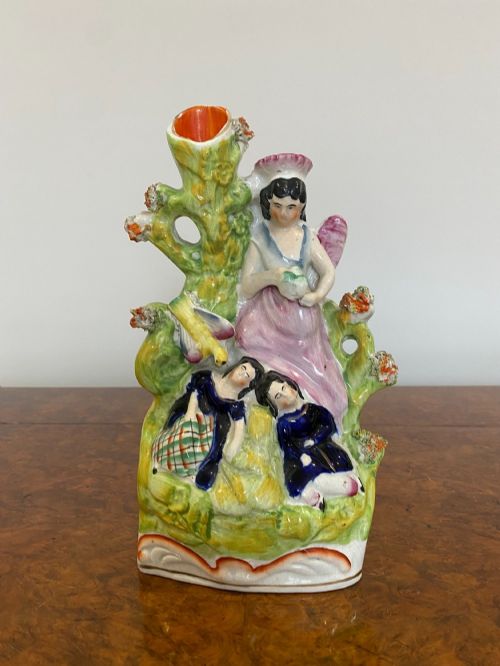
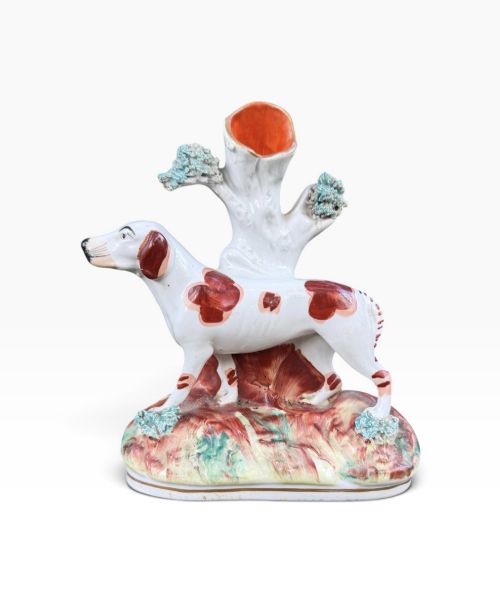
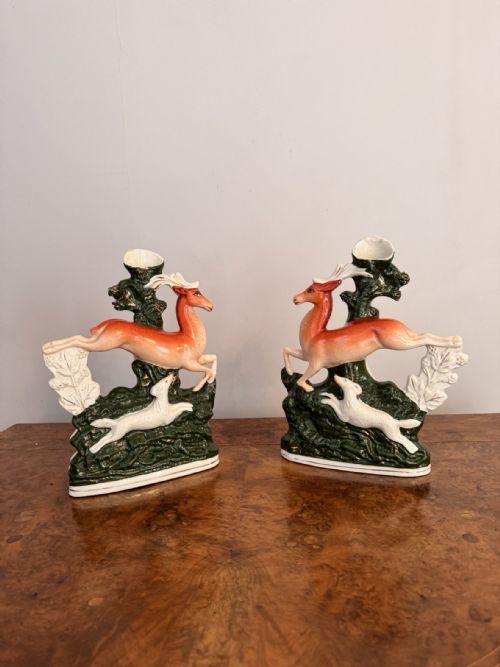
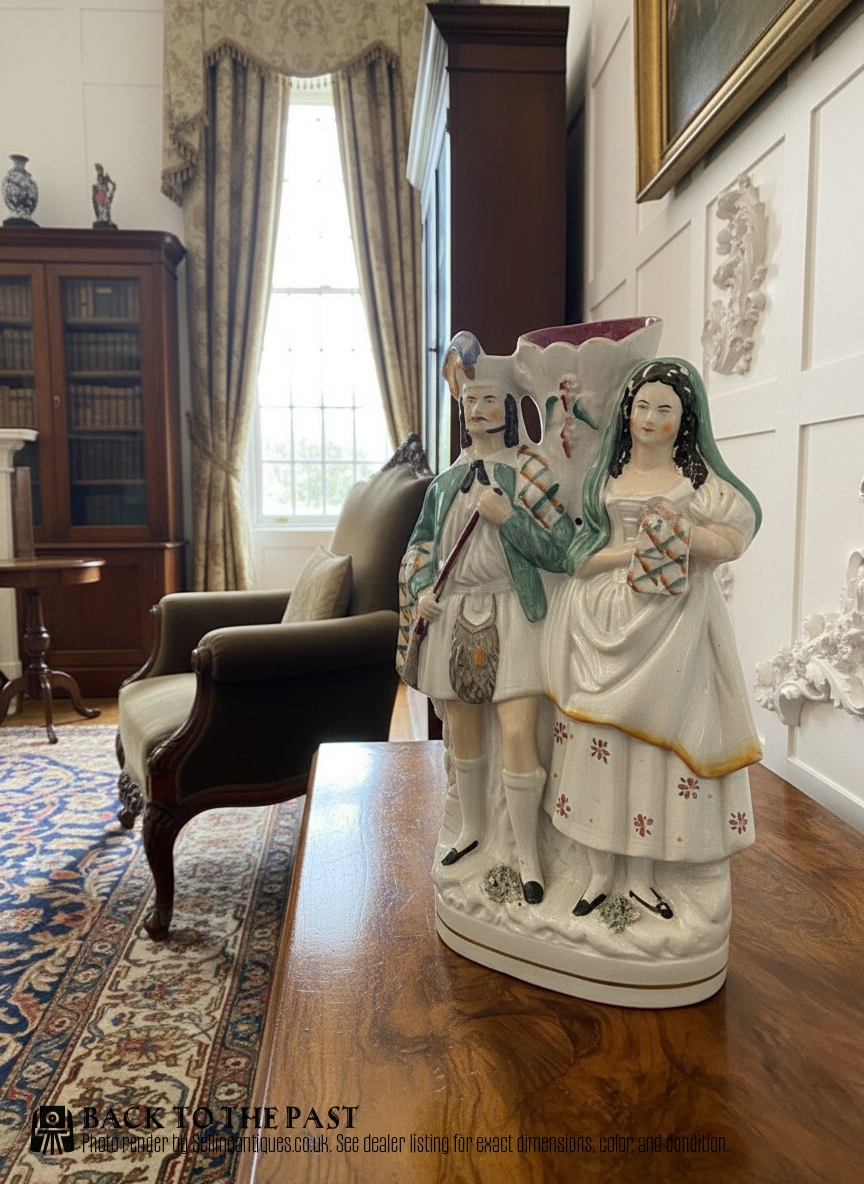
The flatback figure designed to face a wall is especially common among these listings, alongside spill vases incorporating animal forms. Many pieces commemorate contemporary events such as the Crimean War or portray characters from literature and popular stage productions.
Makers often drew inspiration from notable figures of the day, ranging from statesmen to religious evangelists. The resulting earthenware objects capture the domestic taste and visual culture of the Victorian era.

How They Were Made
Certain models incorporate specialised finishes, including confetti applied to ceramic poodles to simulate curly coats, or gold leaf highlights added to ornament bases and uniforms. Firing took place in kilns, sealing the earthenware body beneath a glossy protective surface.
Victorian Pottery Figure Retail Price Guide 2026
Typical asking prices for victorian pottery figure among the pieces listed under this phrase on Sellingantiques today, from the lower quarter to the upper quarter. They describe what is for sale here now, not the wider market.
Listings feature numerous nineteenth-century Staffordshire earthenware figures, including spill vases, portrait pieces, and pair sets glazed with enamel paint.
What Varies in Quality
Matched pairs command particular attention when both figures retain their original proportions and corresponding decoration without mismatched replacement parts. The clarity of the subject matter, especially in lesser-known theatrical or historical portrait subjects, also elevates the standing of individual examples.
Rockingham Pottery·John Bevington
The Victorian Pottery Figure Glossary
- Flatback
- A figure moulded with a finished front and a plain, unglazed or partially glazed flat rear designed to sit flush against a mantelpiece. This method saved time and materials during production.
- Spill Vases
- Hollow ceramic figures combined with an attached upright cylinder intended to hold wooden spills for lighting fires. They frequently feature wildlife subjects such as deer or lions.
- Earthenware
- A porous, non-vitreous ceramic body fired at lower temperatures, commonly used for nineteenth-century Staffordshire figures. It requires a glaze layer to hold liquids or protect the surface.
- Lead Glaze
- A glossy coating containing lead compounds applied to ceramics before firing to provide a smooth, waterproof finish. It gives these nineteenth-century pieces their characteristic shine.
Victorian Pottery Figure: Frequently Asked Questions
Why are the backs flat on these figures?
Potters shaped these pieces to sit safely against cottage mantelpieces and wall shelves where depth was limited. This construction also saved valuable clay and reduced weight during the kiln firing process.
Leaving the reverse unglazed or roughly finished lowered production costs for domestic ornaments intended for middle-class homes.
How were spill vases used in homes?
These functional ceramic vessels held thin wooden splints called spills, which residents transferred from an open hearth to light candles, lamps, or tobacco pipes. Combining the holder with an animal figure made a practical household item decorative.
They sat within easy reach in parlours and sitting rooms throughout the nineteenth century.
Who do these portrait figures represent?
Makers cast figures of reigning monarchs, military leaders from the Crimean War, preachers, and actors in famous theatrical roles. Commemorative pieces recorded births, marriages, and political alliances.
Local heroes and literary characters also appeared on mantelpieces alongside national figures.
How can I tell a pair of spaniels apart from fakes?
Genuine nineteenth-century Staffordshire dogs exhibit period-appropriate earthenware bodies, crazed lead glazes, and hand-applied enamel markings rather than modern transfer printing. Weight, glaze pooling beneath the base, and minor firing imperfections help confirm age.
Genuine pairs face inward toward one another rather than facing the same direction.