
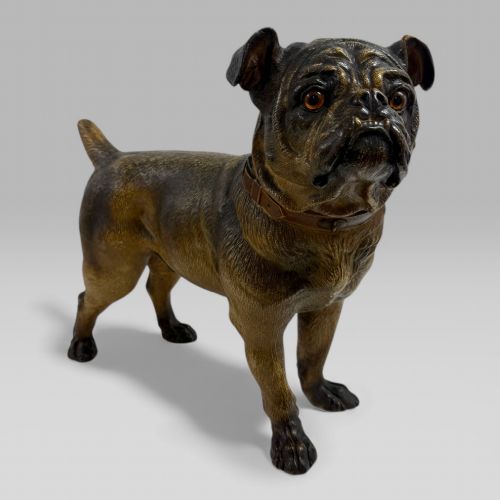
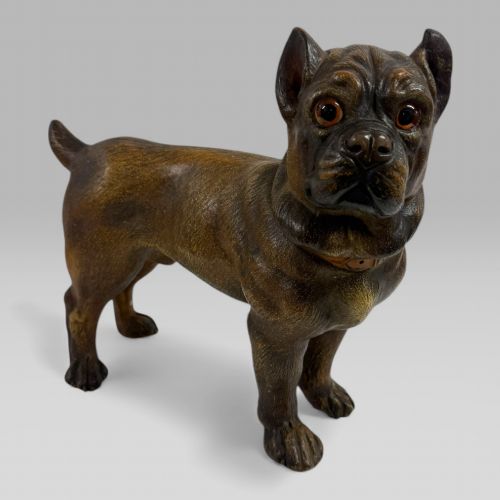


Antique Ceramic Dog Figure
These antique ceramic dog figure examples bring character to a room, offering the charm of Staffordshire pottery and life-size terracotta sculptures.
What They Are
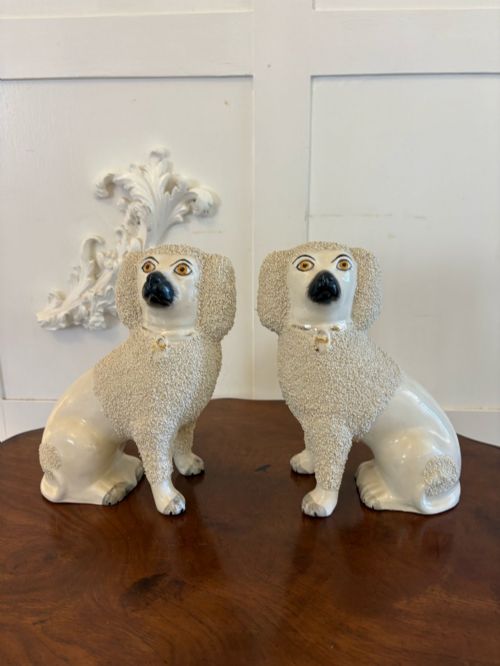
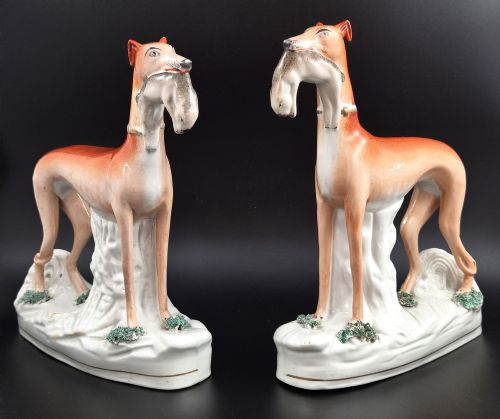
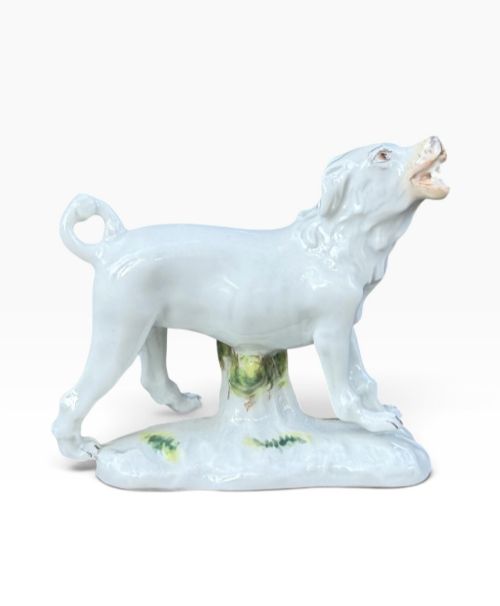
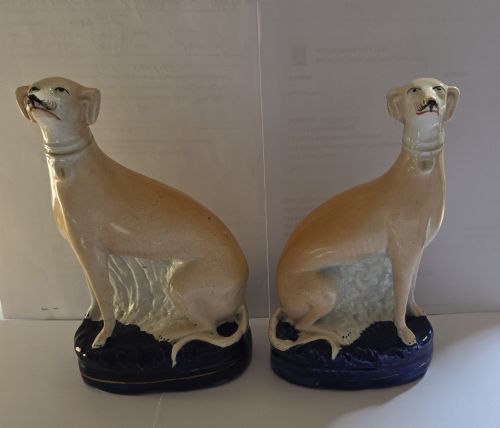
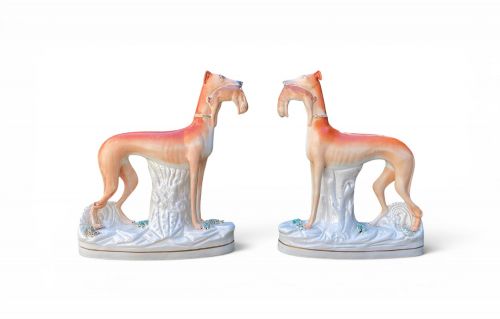
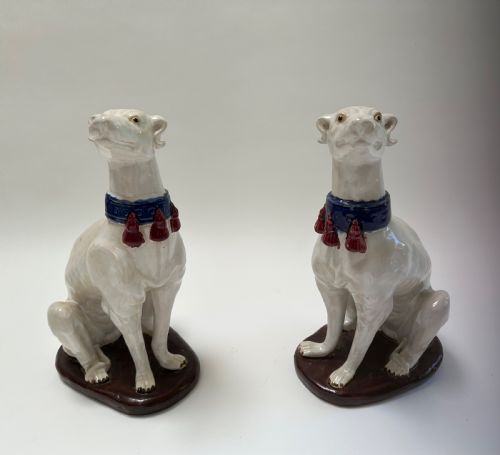
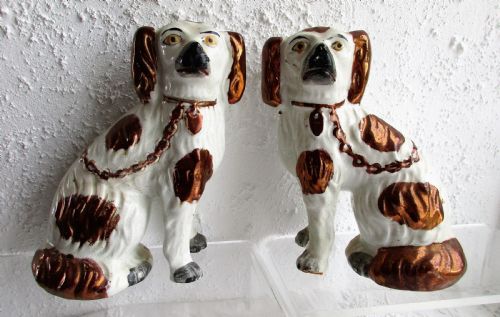
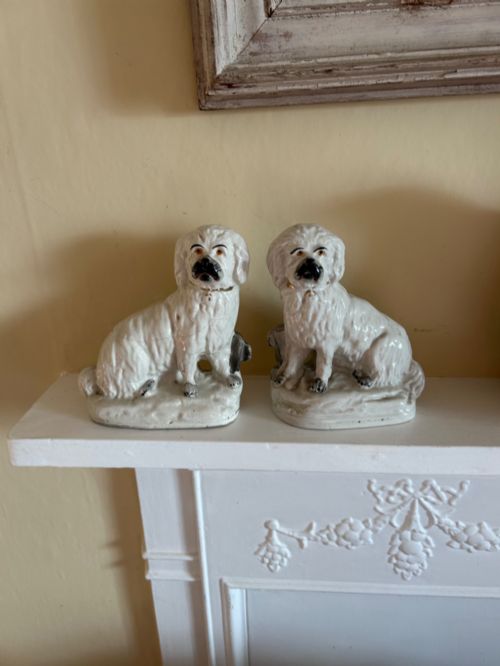
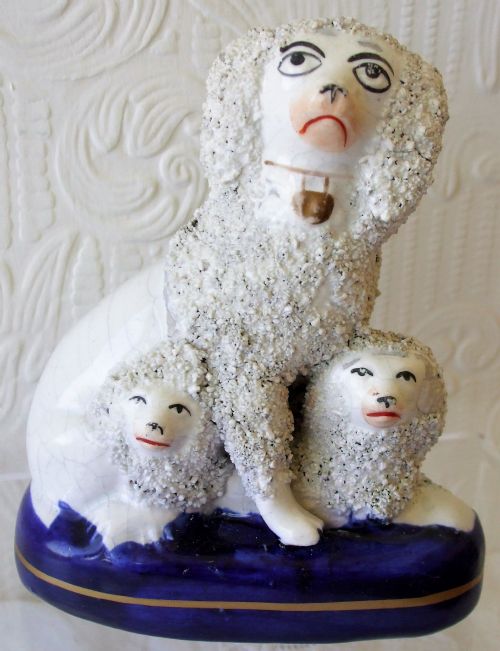
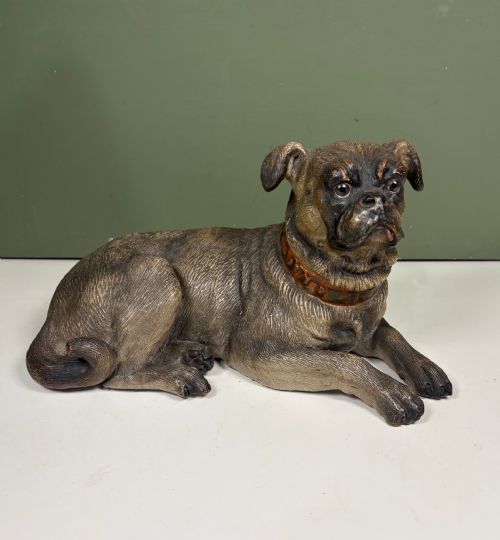
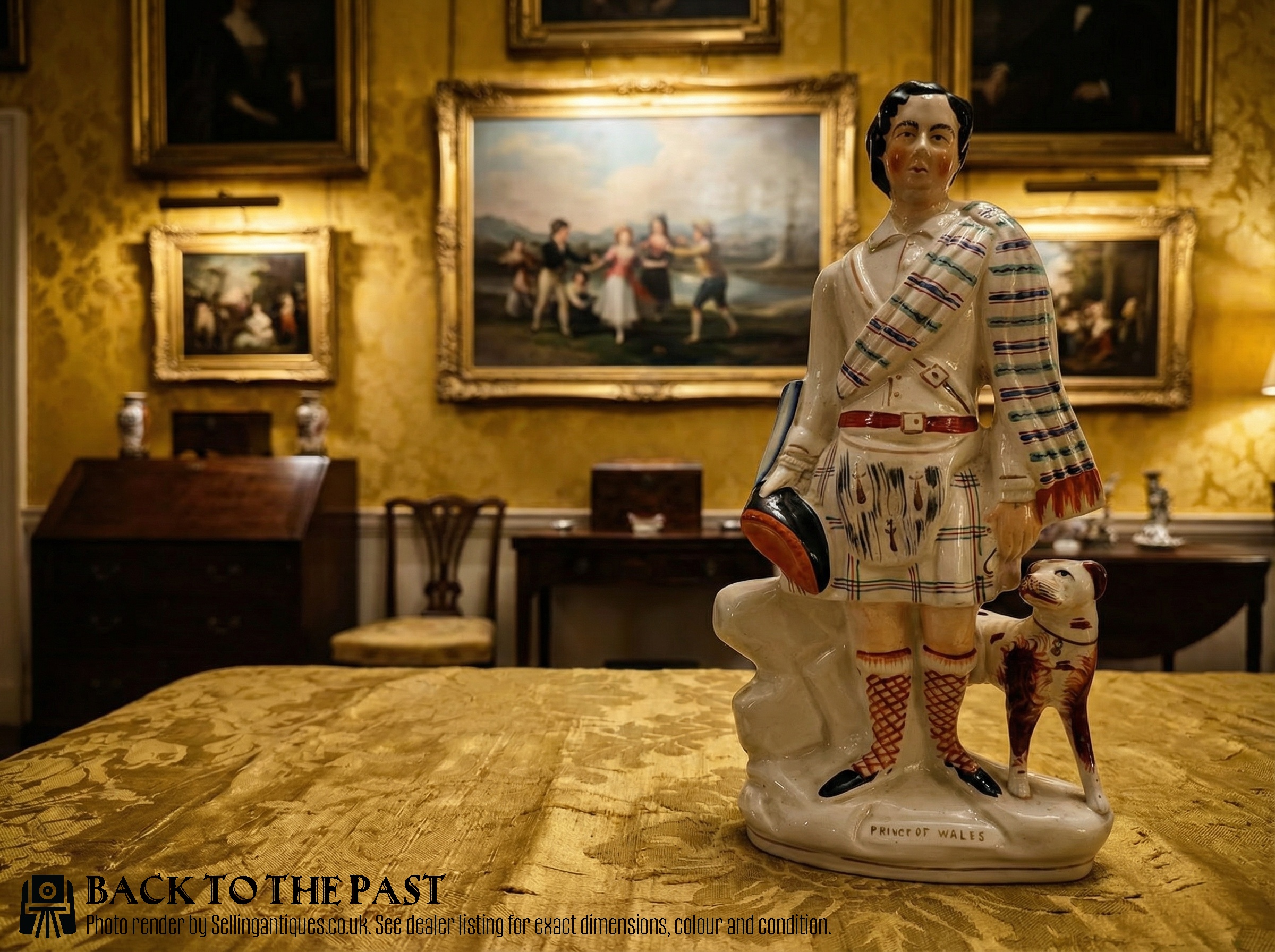
An antique ceramic dog figure captures the domestic appeal of 19th-century subjects, ranging from Staffordshire poodles and pugs to setters and the Prince of Wales. Buyers seeking these ornamental pieces encounter various forms, including decorative figurines, sculptural groups, and life-size puppy sculptures.
The material record spans traditional earthenware, terracotta, and pottery finished with lead glaze and enamel. Pieces originate from English and Austrian workshops, reflecting both standard mantelpiece ornaments and larger sculptural works.
How They Were Made
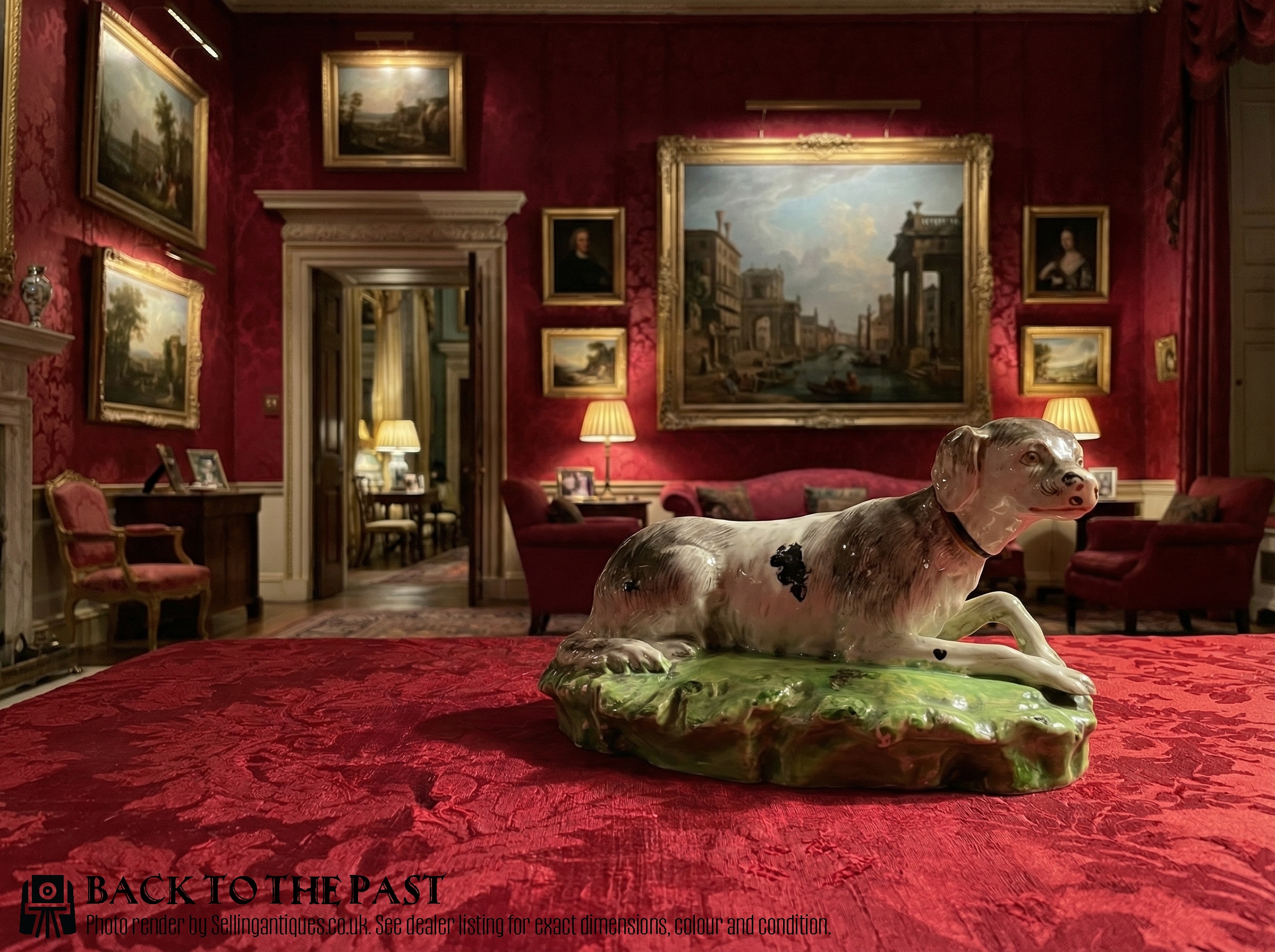
Makers shaped these figures from earthenware, terracotta, and pottery, utilising mould-pressed and modelled techniques to achieve realistic animal forms. Artisans then applied enamel colours and lead glaze surfaces before firing.
Surface treatment relies on coloured glazes and enamel details to define collars, coats, and facial expressions. The combination of earthenware bodies and glossy lead glaze gives each piece its distinct tactile quality.
Retail Price Guide 2026
Typical UK retail prices for ceramic dog figure, calculated from the Sellingantiques database of over a million retail prices indexed since 2003. This retail price guide relies exclusively on Sellingantiques data; no external sources or auction records are used, so the figures do not describe the wider market.
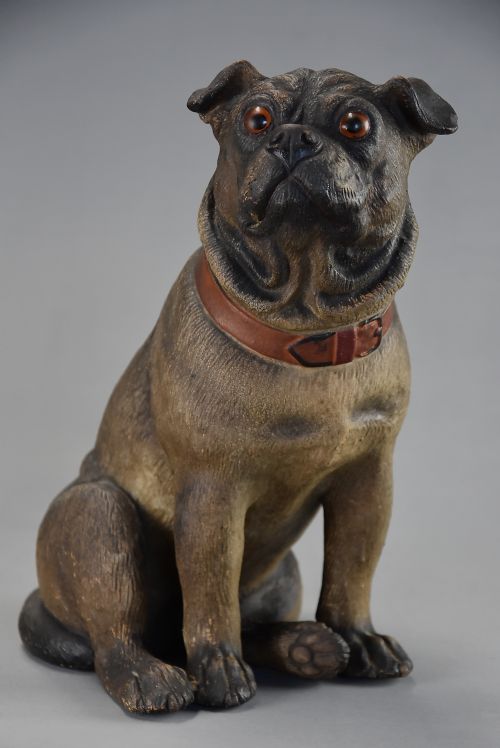
Among the pottery menagerie, a life-size pug puppy stands ready to greet visitors without ever needing a walk.
What Varies in Quality
The ambition of the piece also dictates its standing, moving from standard mantelpiece figurines up to life-size terracotta sculptures. The handling of the lead glaze and the stability of the earthenware body distinguish standard production from exceptional work.
Enoch Wood factory
The Antique Ceramic Dog Figure Glossary
- Earthenware
- A porous ceramic body fired at lower temperatures, commonly used for 19th-century figures. It requires a glaze to hold water and provide a smooth surface.
- Staffordshire
- A regional ceramic term denoting pottery produced in the Staffordshire potteries. These figures include poodles, pugs, and commemorative subjects.
- Lead Glaze
- A glossy vitreous coating applied to pottery before firing. It deepens the colours of the underlying enamel and protects the porous body.
- Terracotta
- An unglazed or glazed fired clay of a brownish-red colour. It appears in larger sculptural works and life-size animal figures.
Frequently Asked Questions
What are antique ceramic dog figures made from?
These figures are primarily formed from earthenware, terracotta, and pottery bodies. Artisans finished them using enamel colours and lead glaze.
Such materials defined 19th-century production across English and Austrian workshops.
How were Staffordshire dog figures displayed?
Victorians placed these pottery figures on mantelpieces, often arranging them as pairs facing inward. They served as domestic ornaments in parlours.
Their presence added a touch of homely sentiment to 19th-century interiors.
How do I identify a Victorian ceramic dog?
Look for 19th-century stylistic markers such as lead glaze finishes, earthenware bodies, and modelled forms like poodles and pugs. Enoch Wood and Staffordshire traditions offer key benchmarks.
Details in the enamel painting and moulding help separate these from later reproductions.
Are all these dog figures from Staffordshire?
While Staffordshire pottery accounts for many examples, the selection also includes Austrian terracotta sculptures. Different regions employed distinct materials like life-size terracotta.
Origin is determined by the specific clay body and regional moulding style.