

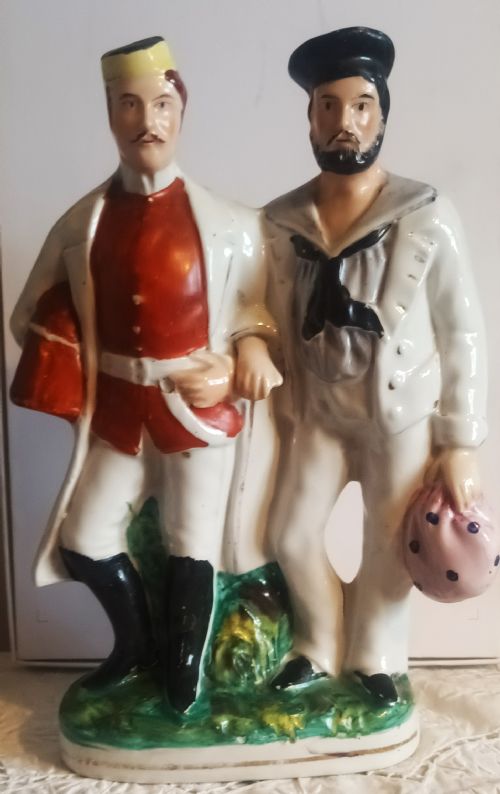
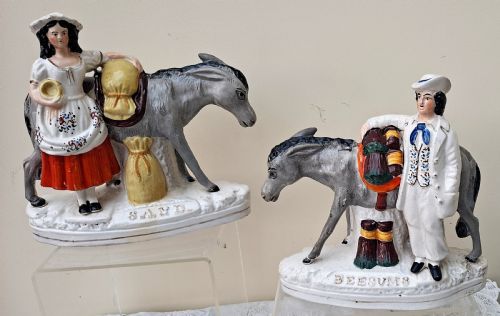

Victorian Staffordshire Flatback
These Victorian Staffordshire flatback figures brought portraiture, royalty and rustic romance into nineteenth-century parlours.
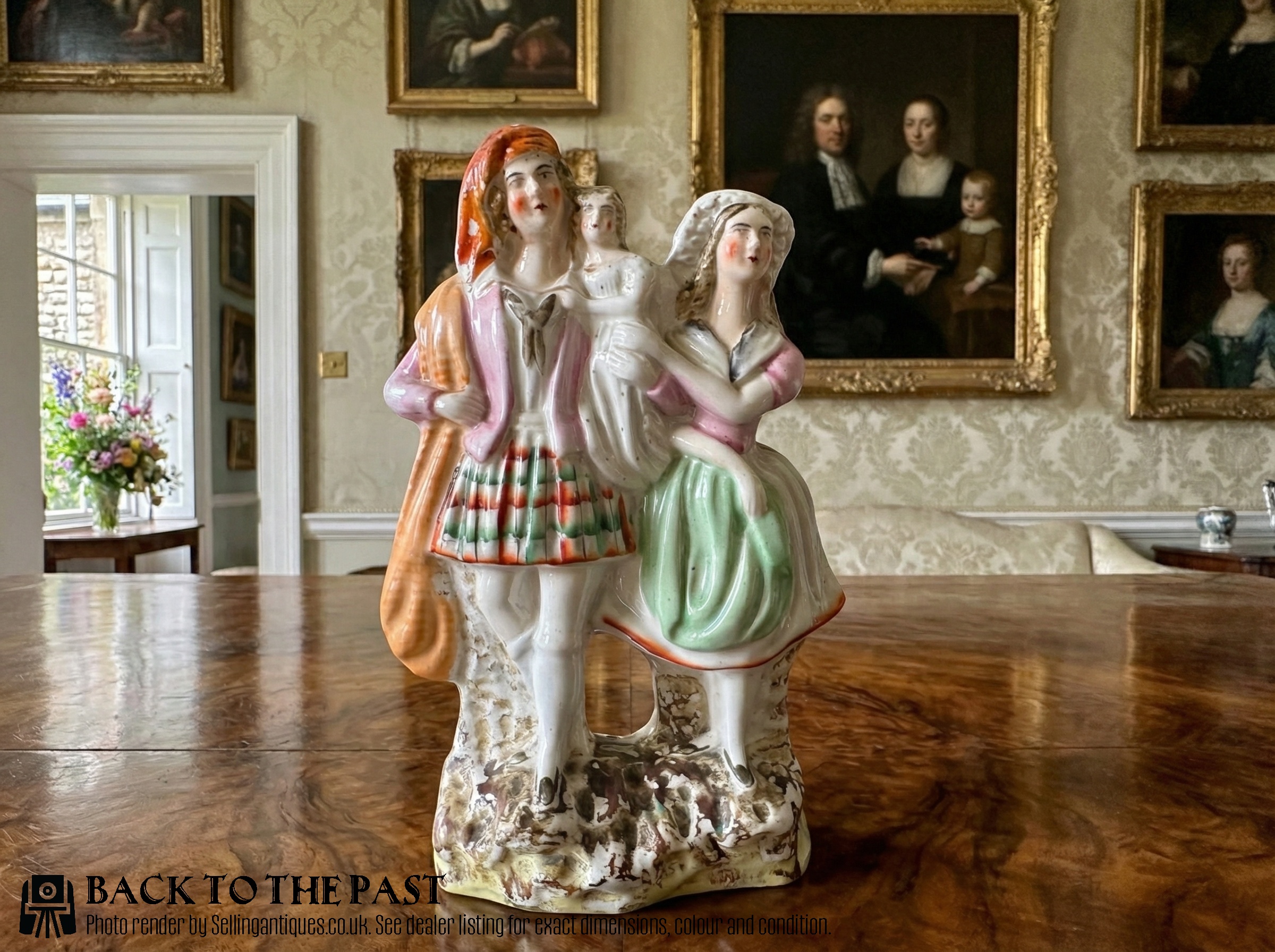
Victorian Staffordshire Flatback
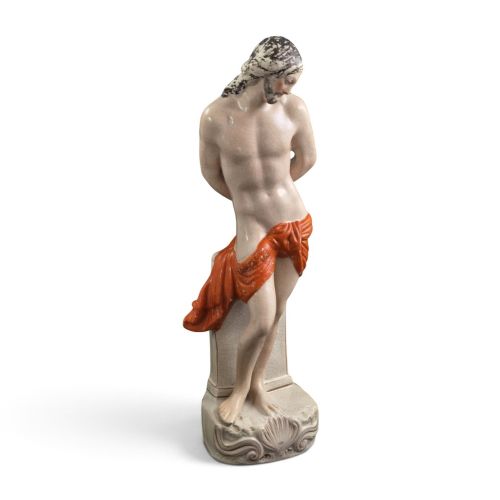
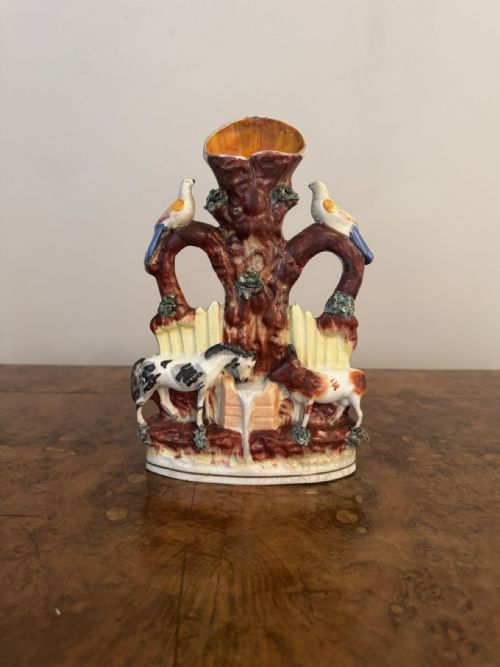
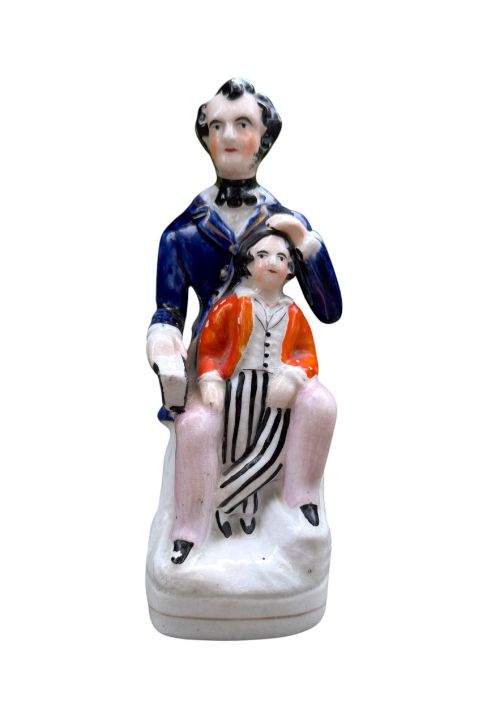
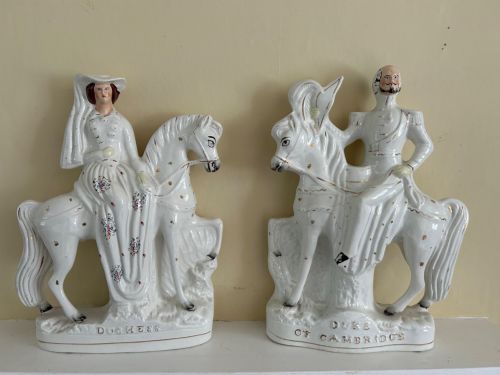
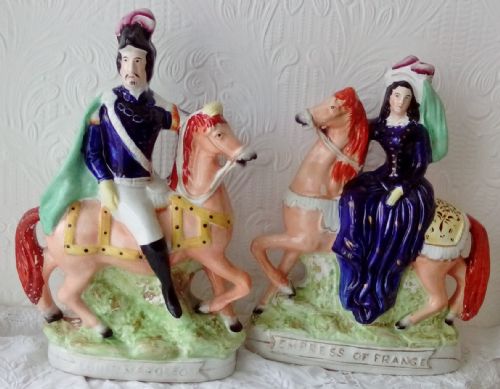
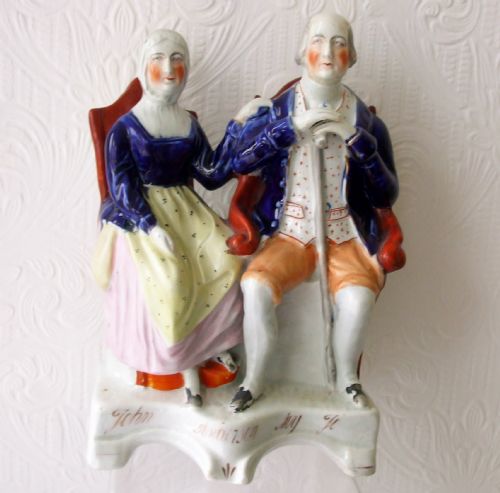
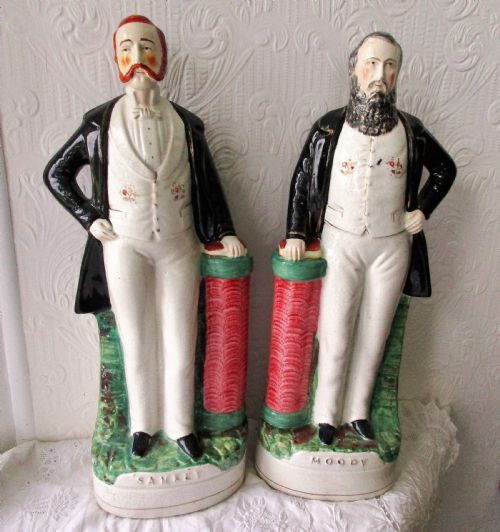
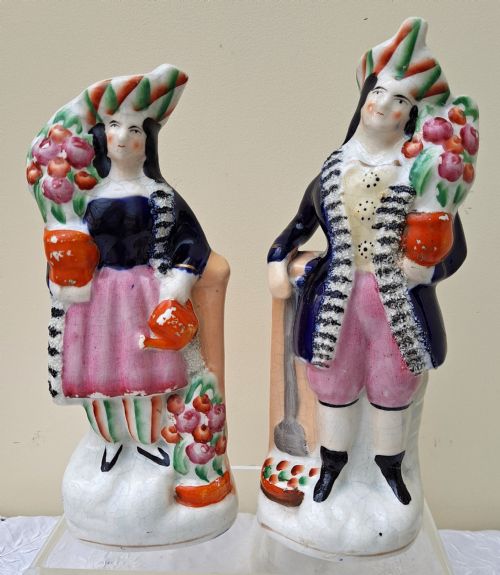
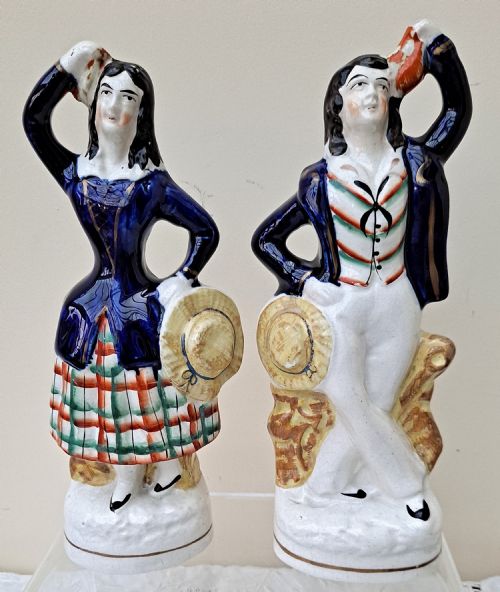
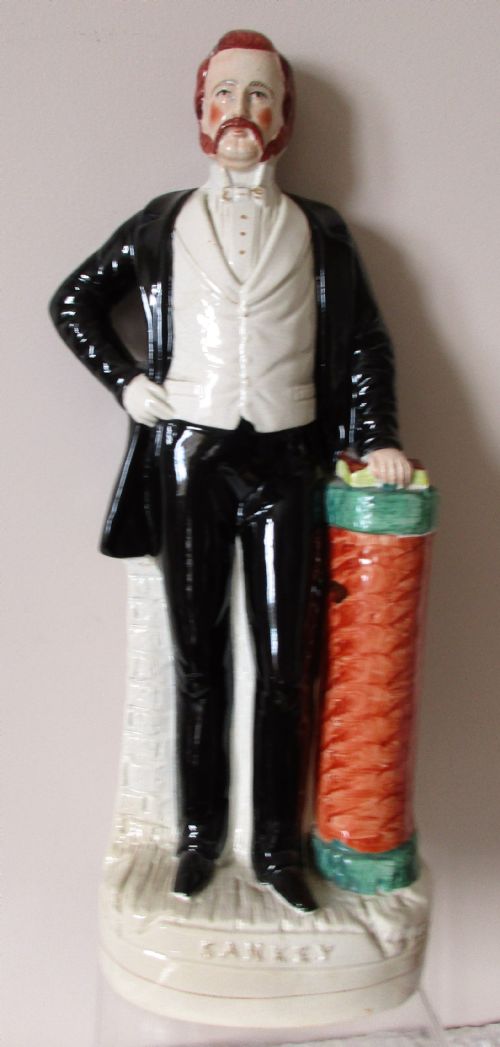
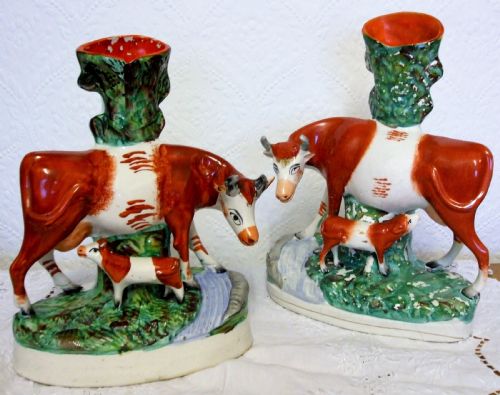
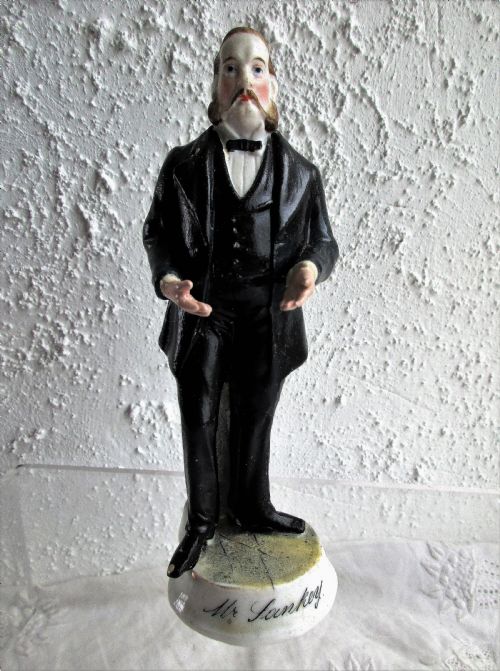
When you search for Victorian Staffordshire flatback, you are looking at moulded earthenware figures designed to stand proudly on mantelpieces and brackets against a wall, leaving the unglazed rear plain. These ornamental pieces depict royalty, military heroes, literary characters, theatrical duos and pastoral subjects such as cottages, castles and spill vases.
The versions you are most likely to meet on this page span the nineteenth century, particularly originating from the decades between eighteen-forty and nineteen-hundred. They appear singly or in pairs, capturing the popular culture and sentimental tastes of the Victorian household through modelled pottery forms.
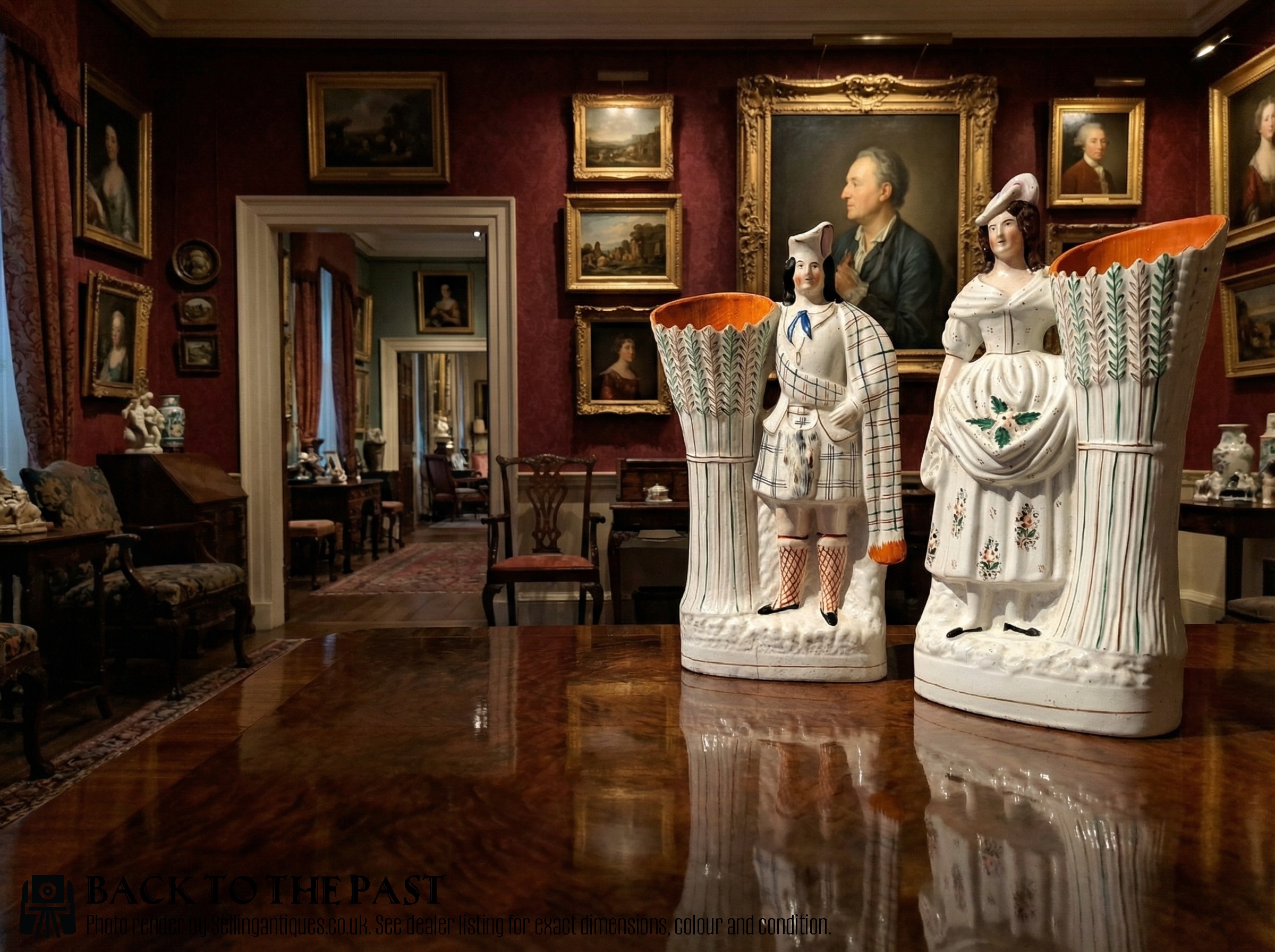
Materials and Manufacture
Potters shaped these figures using earthenware clay pressed into moulds, applying lead glaze to seal the porous ceramic body and provide a glossy finish. Artisans then painted details by hand using enamel colours, often adding touches of gilt for royal or theatrical subjects.
The flatback construction method economised on time and materials by omitting detailed modelling from the reverse side, since the object rested against a wall. Firing took place in Staffordshire kilns, where the combination of earthenware, glaze and enamel pigments produced the characteristic tactile finish.
Victorian Staffordshire Flatback Retail Price Guide 2026
Typical asking prices for victorian staffordshire flatback among the pieces listed under this phrase on Sellingantiques today, from the lower quarter to the upper quarter. They describe what is for sale here now, not the wider market.
Listings feature nineteenth-century earthenware materials shaped into figures, cottages, castles and spill vases.
Assessing Quality and Execution
The distinction also lies in the proportion and modelling of the subject, whether human portrait group or architectural cottage. Stronger pieces retain their structural balance and visual charm without excessive blurring in the earthenware details or careless application of the glaze.
The Victorian Staffordshire Flatback Glossary
- Flatback
- A pottery figure modelled with a finished front and a plain, unglazed or minimally glazed reverse designed to sit against a wall.
- Spill Vase
- A hollow ceramic cylinder incorporated into a figure group, intended to hold wooden spills for lighting fires or candles.
- Earthenware
- A porous type of pottery fired at lower temperatures, requiring a lead glaze to become waterproof.
- Enamel Paint
- Vitreous coloured decoration applied over the glaze and fired at a lower heat to fix the pigments.
- Gilt
- A thin layer of gold applied to ceramic highlights for decoration and emphasis.
Victorian Staffordshire Flatback: Frequently Asked Questions
How were spill vases used?
Spill vases held slender pieces of wood called spills, which people carried to transfer flames from the hearth to lamps and pipes.
Potters combined these holders with animal and human figures to make practical items look decorative.
Where were these pieces made?
These ornaments were produced in the potteries of Staffordshire, England, during the nineteenth century.
Local factories and workshops supplied domestic and international households with popular portraits and rustic scenes.
How do I display them?
Display these earthenware figures on shelves, mantelpieces or wooden brackets where they can be viewed safely from the front.
Keep them away from direct sunlight and dust them gently with a dry cloth to protect the glaze and enamel.