


Hand Painted Pottery
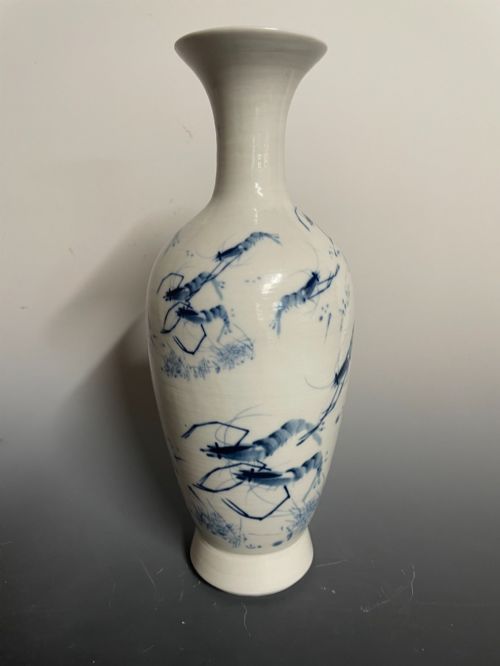
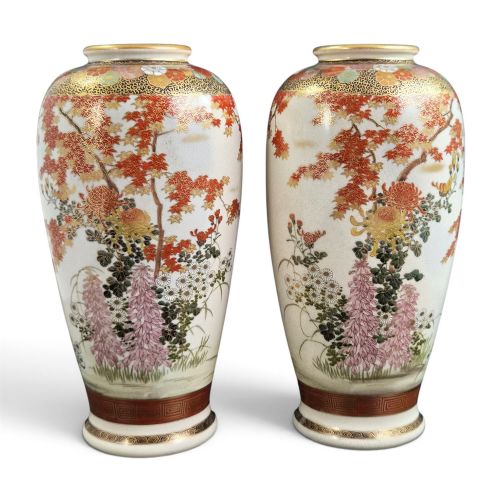
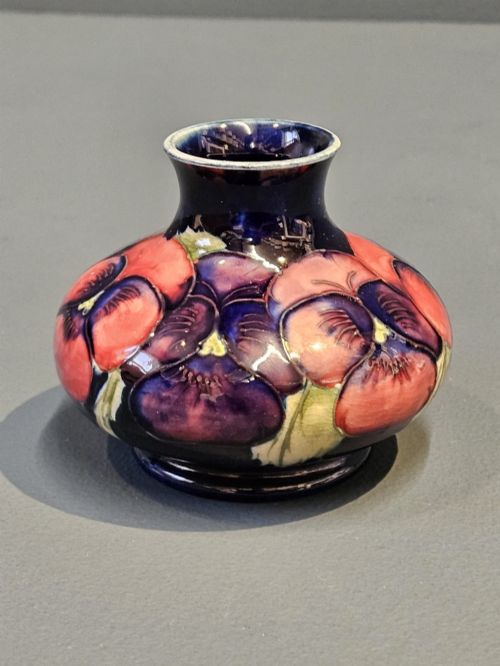
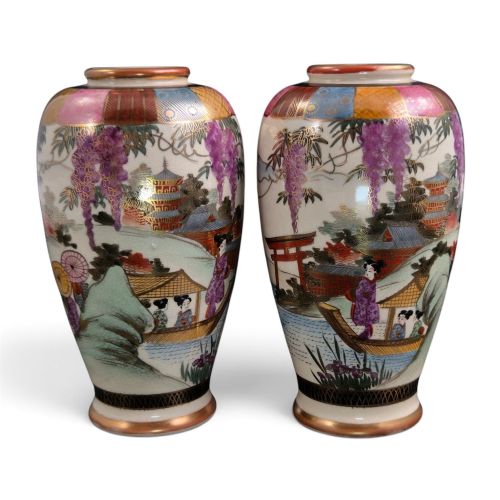
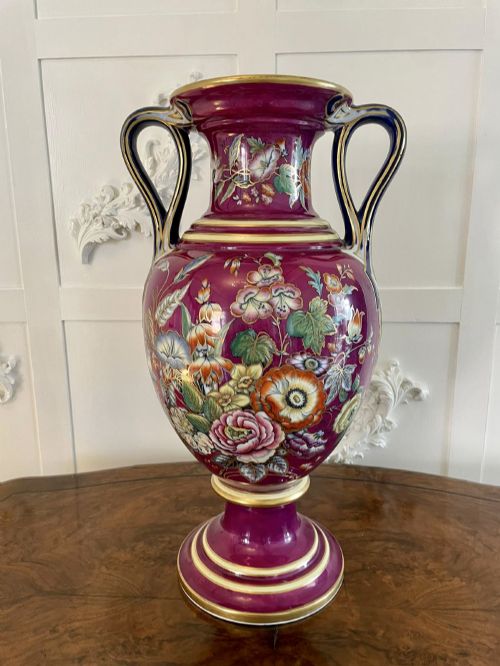
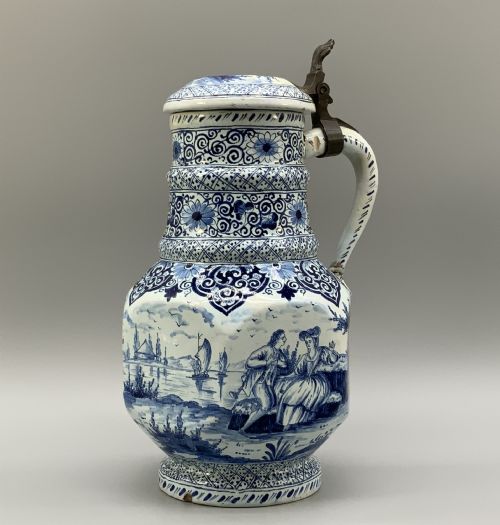
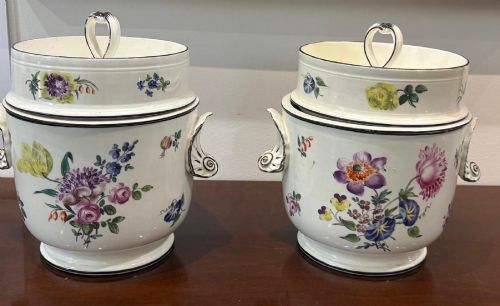
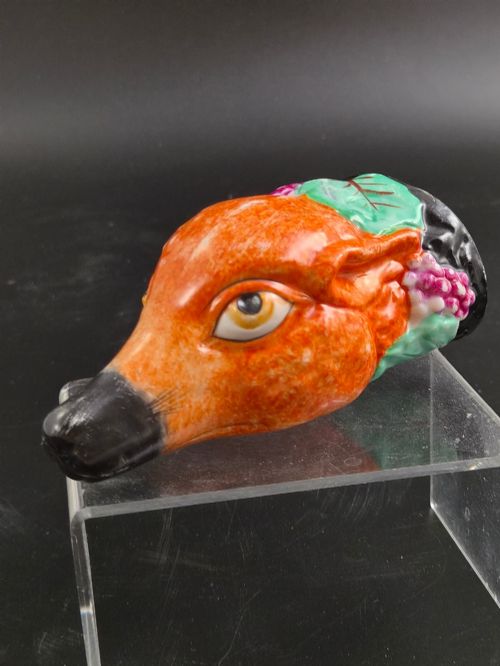
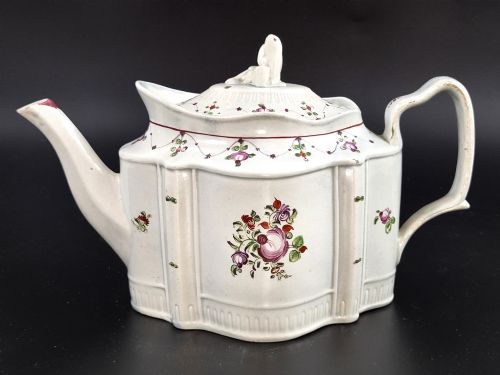
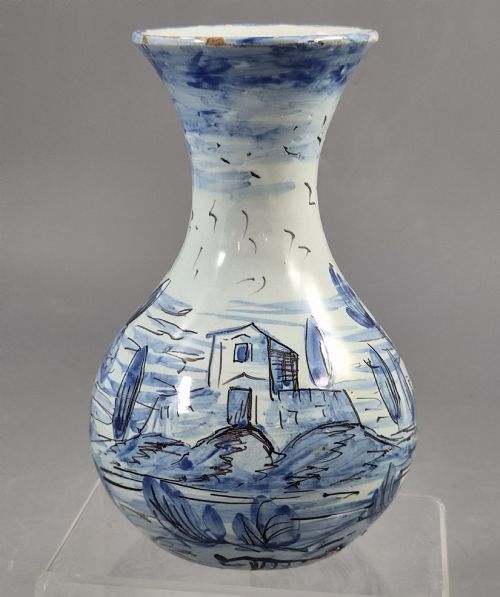
Hand painted pottery brings tactile colour and individual brushwork into a room, offering everything from early delft plates to Art Deco wall masks.
Understanding hand painted pottery
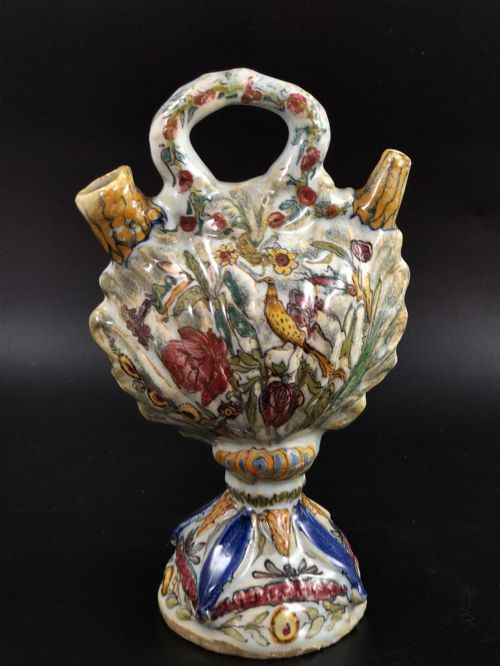
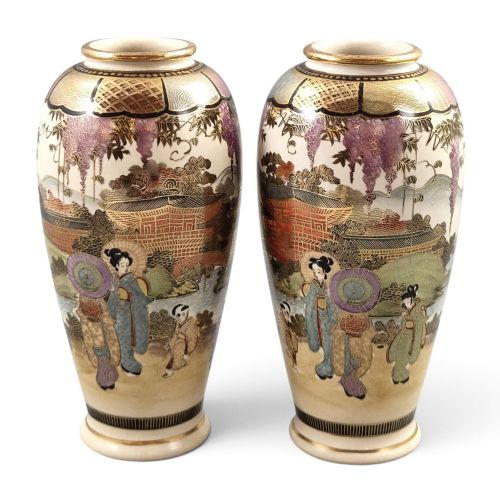
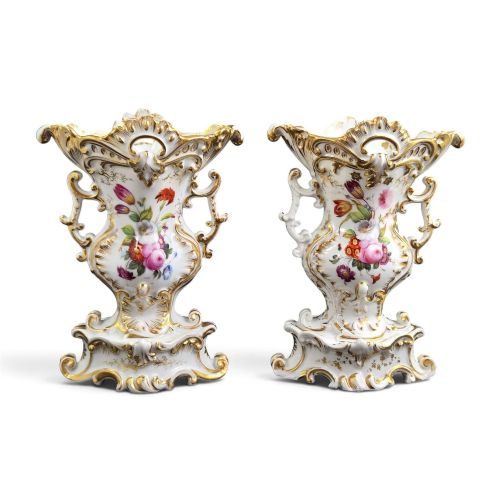
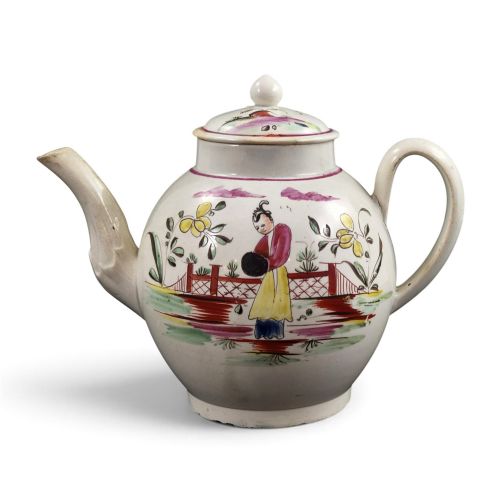
When you search for hand painted pottery, you encounter a diverse array of ceramic forms spanning multiple centuries and origins. The selection includes plates, dishes, decorative jugs, vases, figurines, and wall masks created across England, Europe, and Japan.
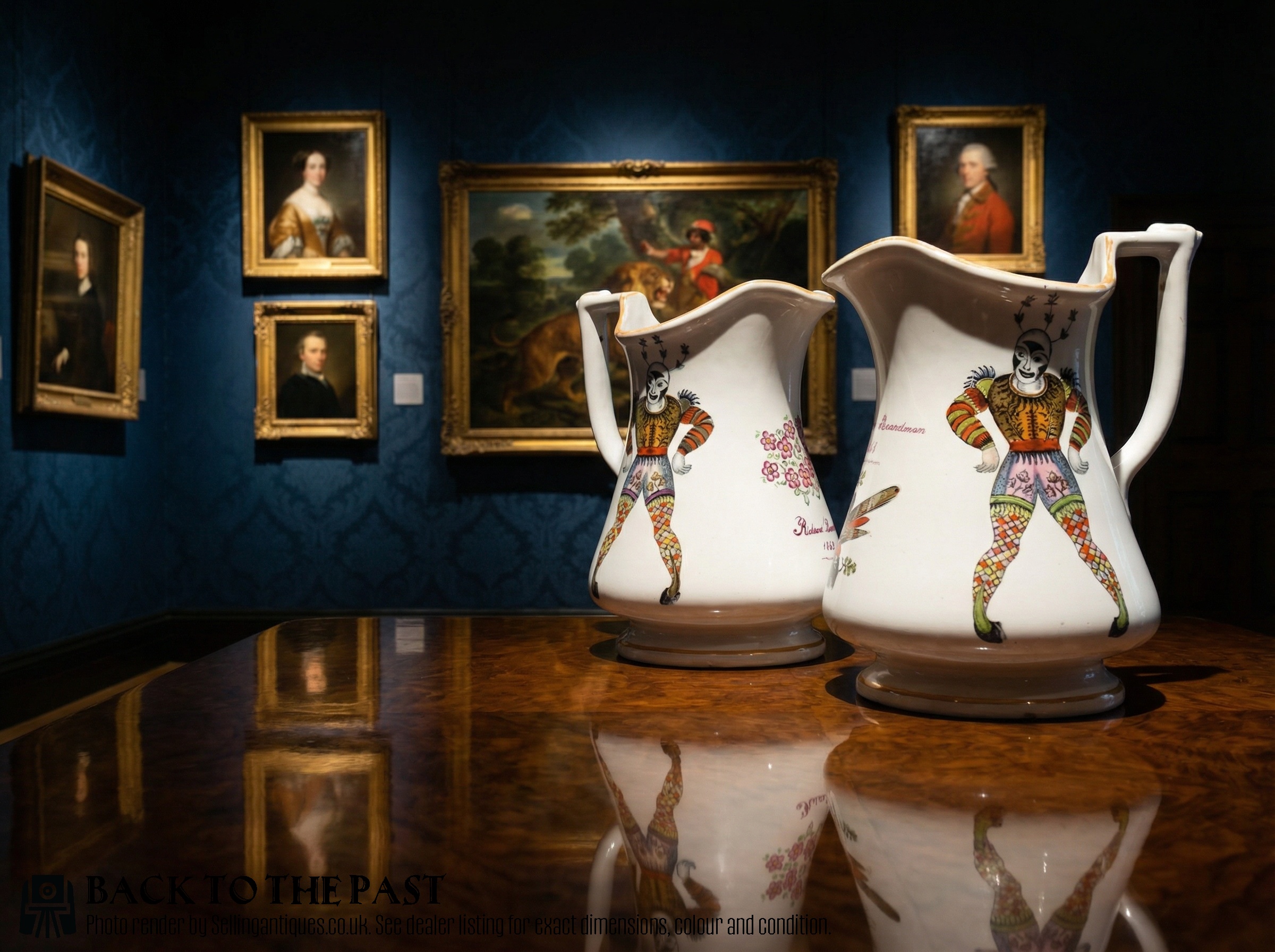
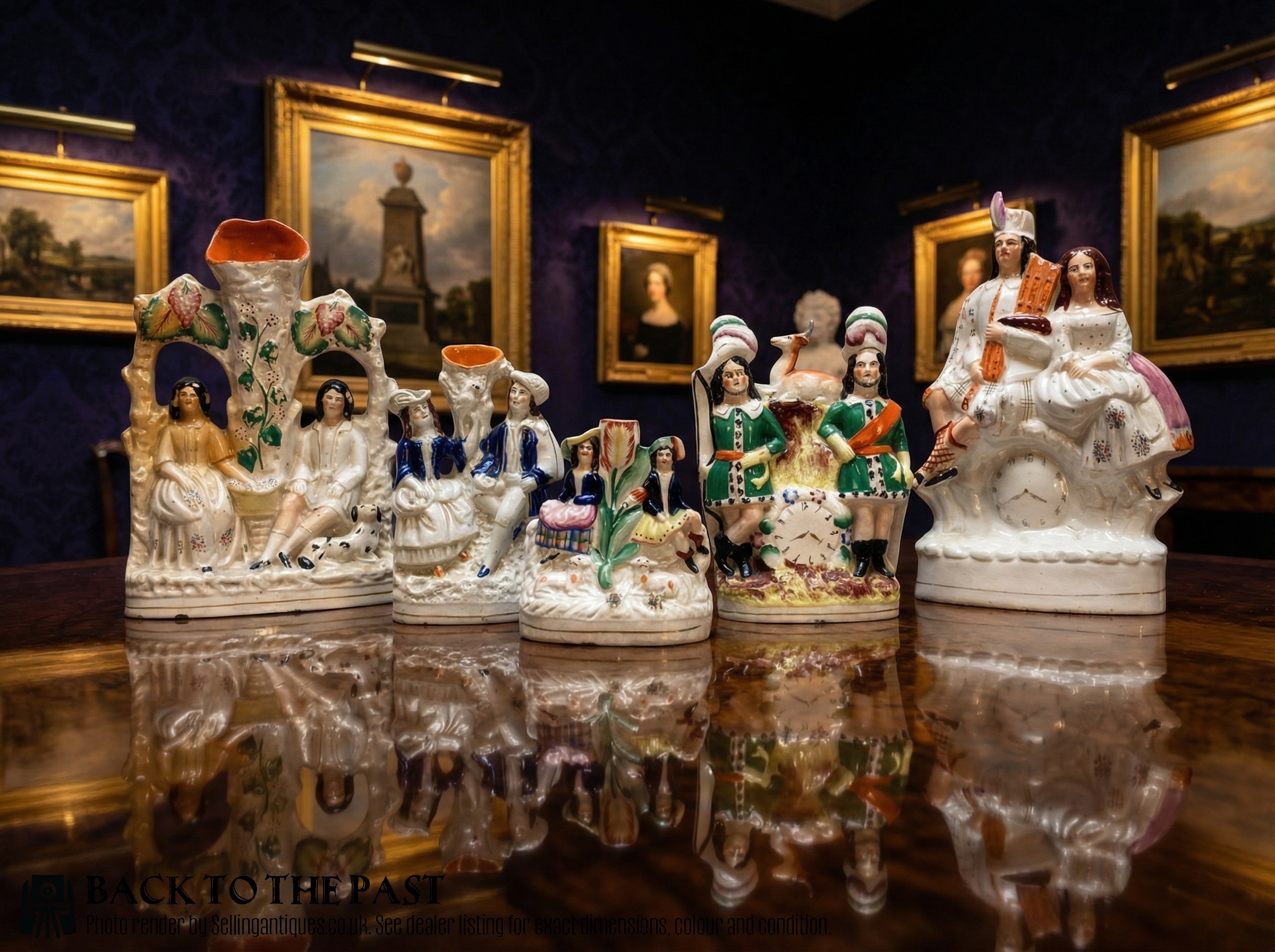
You are most likely to meet Victorian Staffordshire figures, English delft plates, and 19th-century ironstone puzzle jugs on this page. These pieces showcase various regional traditions, from English earthenware to Continental majolica and faience.
The objects range from domestic items like botanical jugs and basins to display pieces such as portrait plates and architectural vases. Each piece reflects the specific decorative tastes of its period, whether Queen Anne, Victorian, or Art Deco.
Materials and methods
Potters shape these items using ceramic, earthenware, and ironstone bodies, sometimes thrown by hand before firing. Tin-glazed earthenware and faience provide an opaque white surface suitable for direct brushwork.
Decorators apply pigments using cobalt oxide, enamel, and glaze, occasionally highlighting details with gilt. The pigments fuse with the surface during kiln firing, locking the brushstrokes beneath or above the glaze.
Retail Price Guide 2026
Typical UK retail prices for hand painted pottery, calculated from the Sellingantiques database of over a million retail prices indexed since 2003. This retail price guide relies exclusively on Sellingantiques data; no external sources or auction records are used, so the figures do not describe the wider market.
The listings here feature ceramics from the 18th, 19th, and early 20th centuries, utilising earthenware, ironstone, and tin-glazed bodies.
Assessing quality and execution
The fineness of the brushwork largely determines the distinction between standard production wares and superior studio pieces. Confident, fluid strokes executed by named artists or skilled painters demonstrate a higher level of workshop mastery.
The complexity of the form and the richness of the palette contribute significantly to an item's standing. Elaborate modelling in figurines and depth of colour in tin-glazed or majolica surfaces separate ordinary examples from exceptional ones.

Royal Doulton·Doulton Lambeth·Carter Stabler and Adams
The Hand Painted Pottery Glossary
- Delftware
- Tin-glazed earthenware produced in England or the Netherlands, typically featuring blue and white decoration inspired by imported porcelain.
- Ironstone
- A dense, durable type of earthenware patented in the 19th century as a robust alternative to porcelain.
- Majolica
- Heavy earthenware coated with an opaque tin glaze and painted with metallic oxide colours, popular in Italian and Continental traditions.
- Staffordshire flatback
- A type of ceramic figure produced in the English potteries with a decorated front and a flat, unpainted back meant for display against a wall.
- Tin-glazed earthenware
- Pottery covered with a glaze containing tin oxide, which fires to a white and opaque finish that accepts painted decoration.
Frequently Asked Questions
How do I clean hand painted pottery?
Dust these ceramic pieces gently with a dry, soft cloth to protect the decorated surface.
Avoid using water or chemical cleaners, especially on antique enamel and tin-glazed items where the pigments might be sensitive.
Are these pieces safe for food use?
Most antique and vintage ceramic pieces are intended for decorative display rather than daily dining.
Older glazes, particularly on earthenware and majolica, can be porous or contain materials not approved for modern food safety.
How can I tell the period?
Examine the base material, the weight of the ceramic body, and the style of the painted decoration.
Manufacturing techniques and maker marks, where present, help narrow down the date of production.
Where should I display them?
Place plates and plaques on stable stands or secure wall mounts away from direct sunlight.
Keep figurines and vases on shelves or cabinets where they remain safe from accidental knocks.