
Vintage Ceramic Vessel
When you search for a vintage ceramic vessel, you are looking for earthenware, stoneware, and porcelain shaped into utilitarian and decorative forms across past centuries.
Vintage Ceramic Vessel
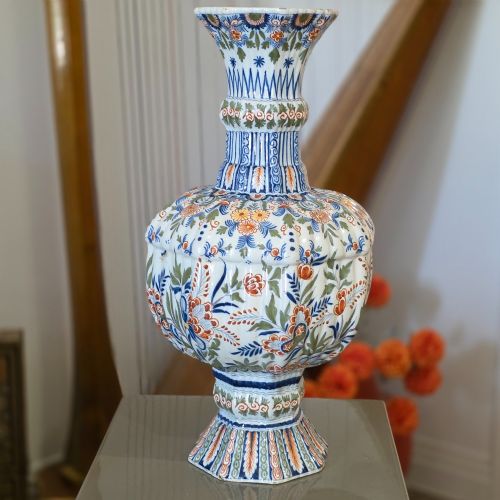
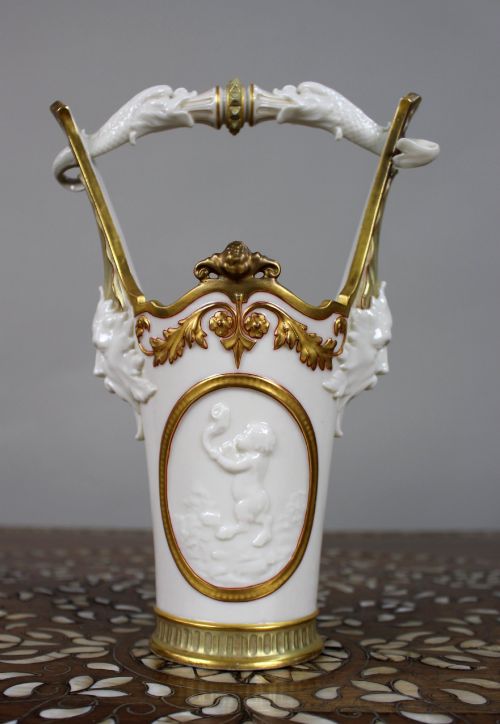
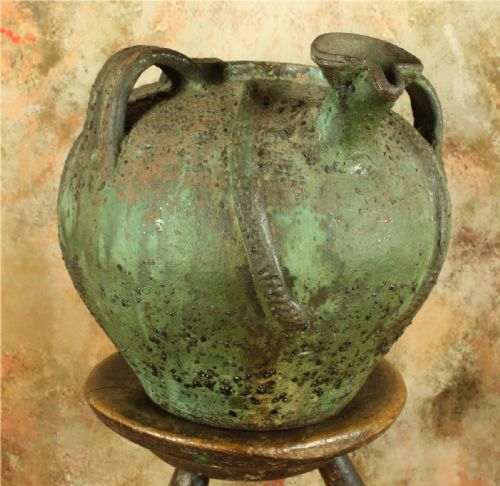
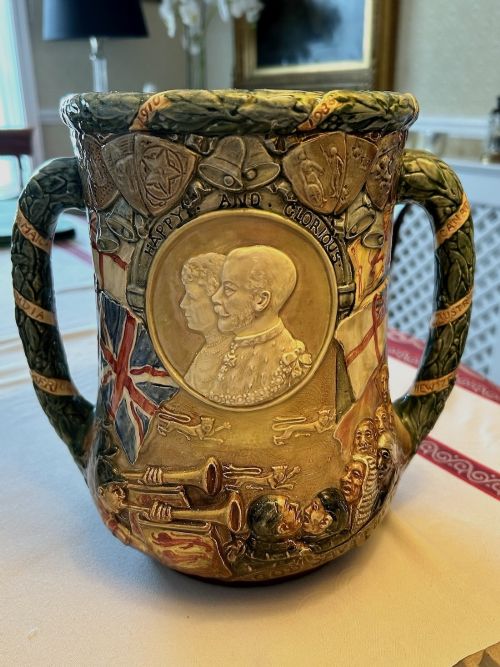
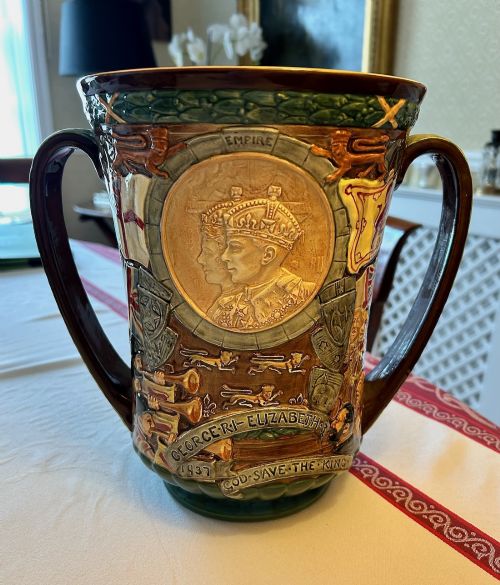
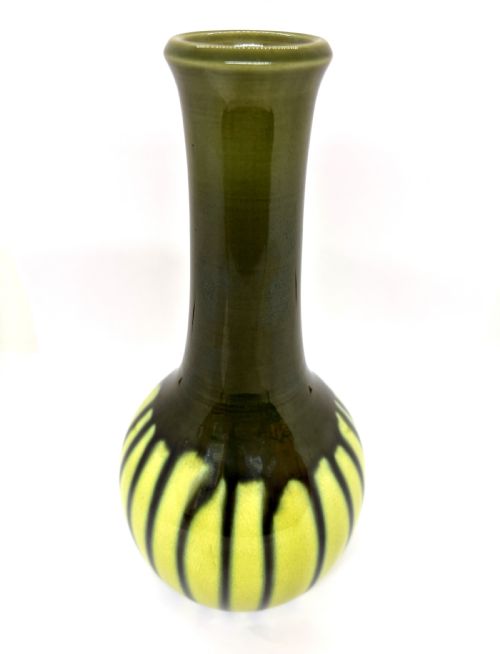
A vintage ceramic vessel encompasses a broad range of utilitarian and ornamental forms found within this selection, including vases, loving cups, planters, storage crocks, and decorative jugs. These pieces originate from diverse periods such as the nineteenth century, the Edwardian era, and the nineteen-twenties, reflecting both British and international traditions.
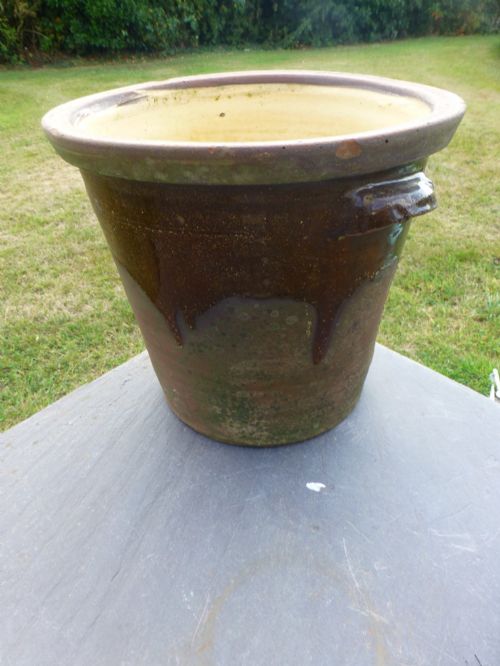
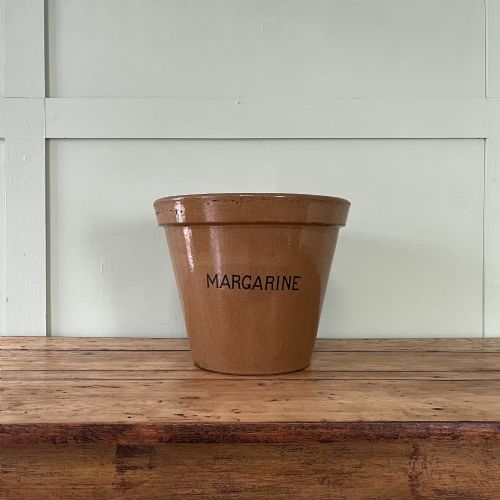
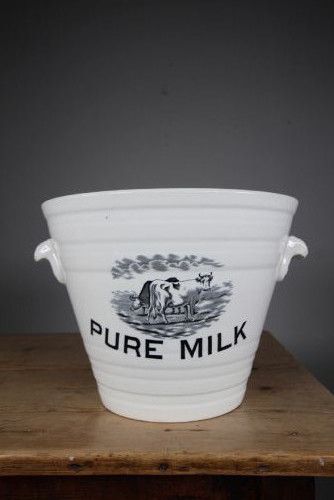
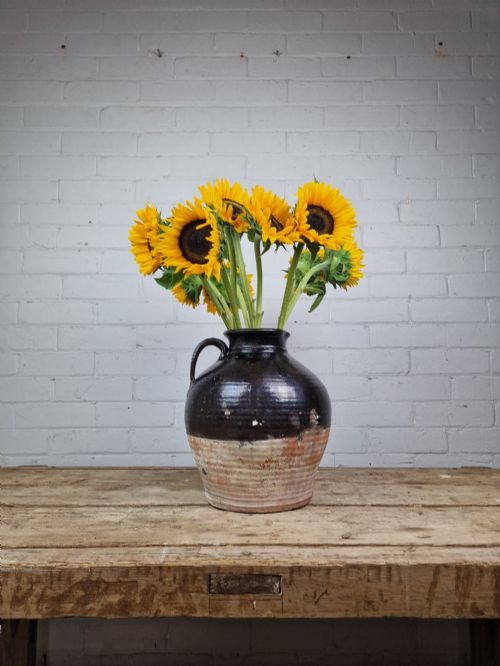
Buyers will frequently encounter utilitarian wares such as dairy salting crocks, oil pots, and milk pails alongside purely decorative vases and bowls. The selection bridges functional domestic items from past centuries and artistic studio pottery from later periods.
How They Were Made
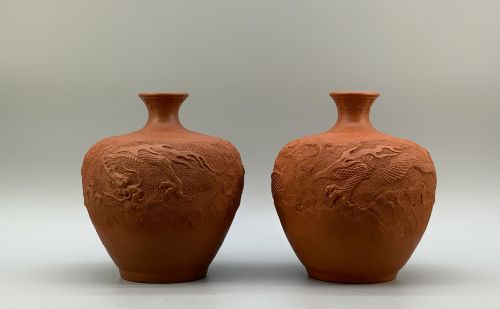
The pieces in this category are fashioned from materials such as earthenware, terracotta, stoneware, ironstone, and porcelain. Makers utilised techniques including glaze application, enamel decoration, and slipware to finish the surfaces.
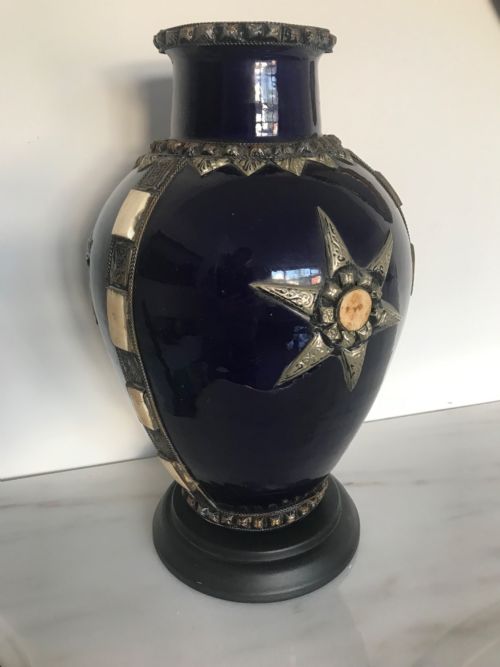
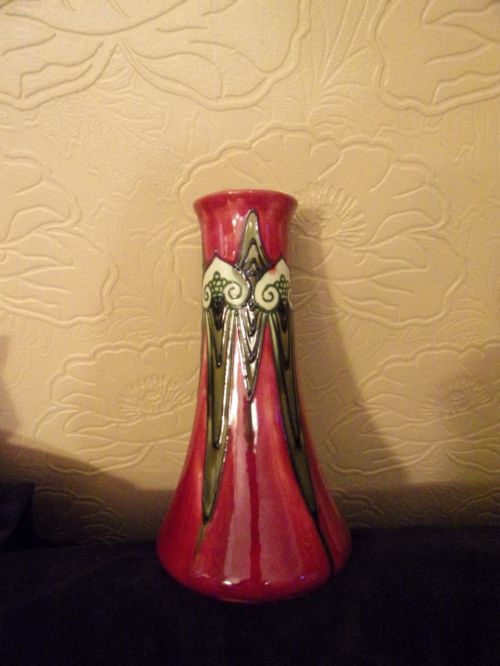
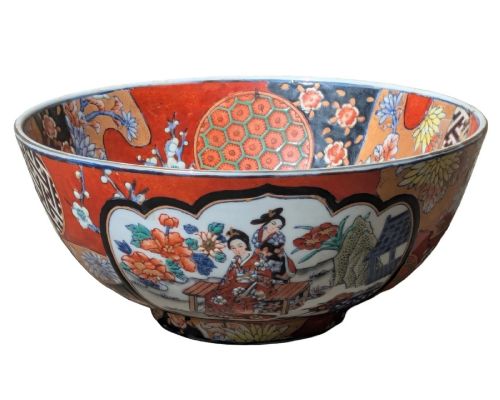
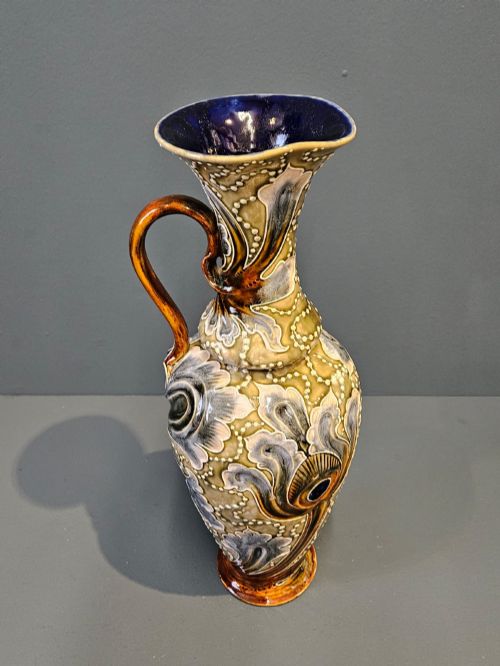
Specific methods recorded in the evidence include tube-lined designs, polychrome painting, and applied decorative elements like silver cabochons or figural reliefs. Firing methods and clay selection determine whether the final body is porous earthenware or vitrified stoneware.
Vintage Ceramic Vessel Retail Price Guide 2026
Typical asking prices for vintage ceramic vessel among the pieces listed under this phrase on Sellingantiques today, from the lower quarter to the upper quarter. They describe what is for sale here now, not the wider market.
Materials represented across the inventory comprise earthenware, porcelain, stoneware, terracotta, and ironstone, decorated with glazes, enamels, and slip.
What Varies in Quality
Quality in these vessels is evident in the execution of the surface decoration, whether through hand-enamelled details, precise tube-lined ceramic work, or finely applied glazes. The reputation of the manufacturing pottery or the skill of the individual decorator heavily influences the distinction between standard utilitarian production and exhibition-tier pieces.
The integrity of the body and the preservation of the original glaze or enamel finish also distinguish finer examples. Wares bearing specific maker attributions or commemorative historical subjects often demonstrate a higher degree of artistic ambition.
Minton·Royal Worcester·Royal Doulton·Burmantoft's Pottery·Doulton Lambeth·Boch Freres·Bretby Pottery·Wedgwood·H & R Daniel
The Vintage Ceramic Vessel Glossary
- Earthenware
- Porous pottery fired at lower temperatures, typically requiring a glaze to become impermeable to liquids. This material forms the base of many traditional storage vessels and jugs.
- Stoneware
- A dense, hard ceramic fired at higher temperatures until vitrified, making it naturally waterproof. It is frequently found in durable household crocks and bottles.
- Ironstone
- A type of durable British ceramic developed in the nineteenth century to imitate porcelain while offering greater strength for domestic utility. It is commonly used for large dairy and tableware items.
- Majolica
- Low-fired earthenware coated with an opaque tin-glaze and painted with metallic oxide colours. This technique produces vibrant polychrome surfaces seen on nineteenth-century pharmacy jugs.
- Lustre
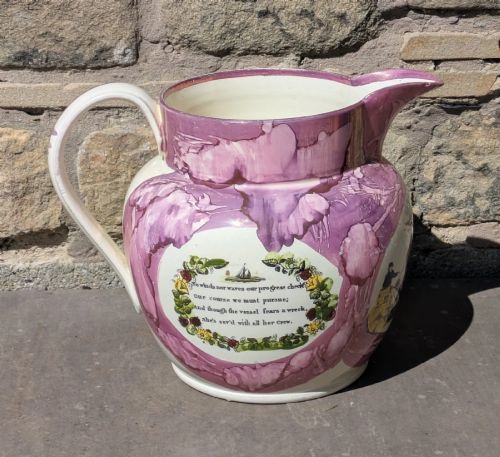
- A metallic ceramic glaze that creates an iridescent sheen on the surface of the vessel. Sunderland pink lustre is a notable example found on maritime-themed jugs.
- Tyg
- A large drinking vessel featuring multiple handles designed for passing among guests at communal gatherings. These are often produced in slipware or stoneware.
Vintage Ceramic Vessel: Frequently Asked Questions
What is a ceramic vessel?
A ceramic vessel is any hollow container shaped from fired clay, encompassing functional items like crocks and jugs alongside purely decorative vases and urns.
These pieces are categorized by their specific clay body, such as earthenware, stoneware, or porcelain, and the glazing techniques applied to their surfaces.
How were old ceramic jugs used?
Many older ceramic vessels served practical domestic roles in kitchens and dairies, holding liquids, milk, oil, or salted provisions.
Other examples were created specifically for commemorative events, such as royal jubilees and coronations, or functioned as ornamental mantelpiece items.
How do I clean an antique ceramic pot?
Antique ceramics generally require gentle cleaning with a soft cloth and lukewarm water, avoiding harsh chemical detergents that might harm delicate historic glazes or enamels.
Porcelain and vitrified stoneware tolerate careful washing better than porous earthenware or pieces with external metallic lustre finishes.
How can I tell the period of a ceramic vessel?
Determining the period involves examining the clay body, the characteristics of the glaze, and any maker marks, stamps, or painted signatures on the base.
Stylistic indicators, such as Art Nouveau floral motifs or Victorian commemorative subjects, also help narrow down the date of manufacture.