




1920s Art Deco Vase
These 1920s art deco vases combine geometric forms with vibrant colours and bold materials, offering collectors striking centrepieces.
Understanding the 1920s Art Deco Vase
When you search for a 1920s art deco vase, you are looking at items defined by the distinctive styling of that decade. These pieces showcase the geometric discipline and stylised motifs characteristic of the period.
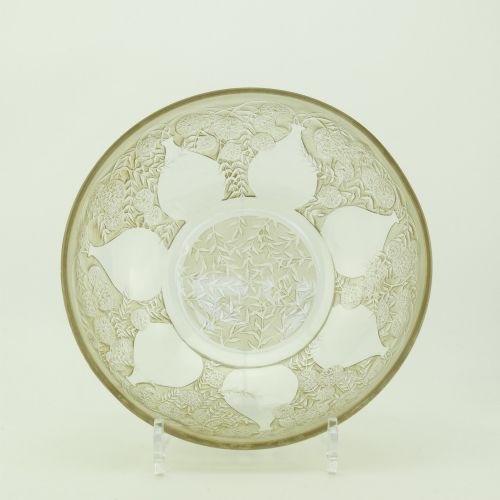
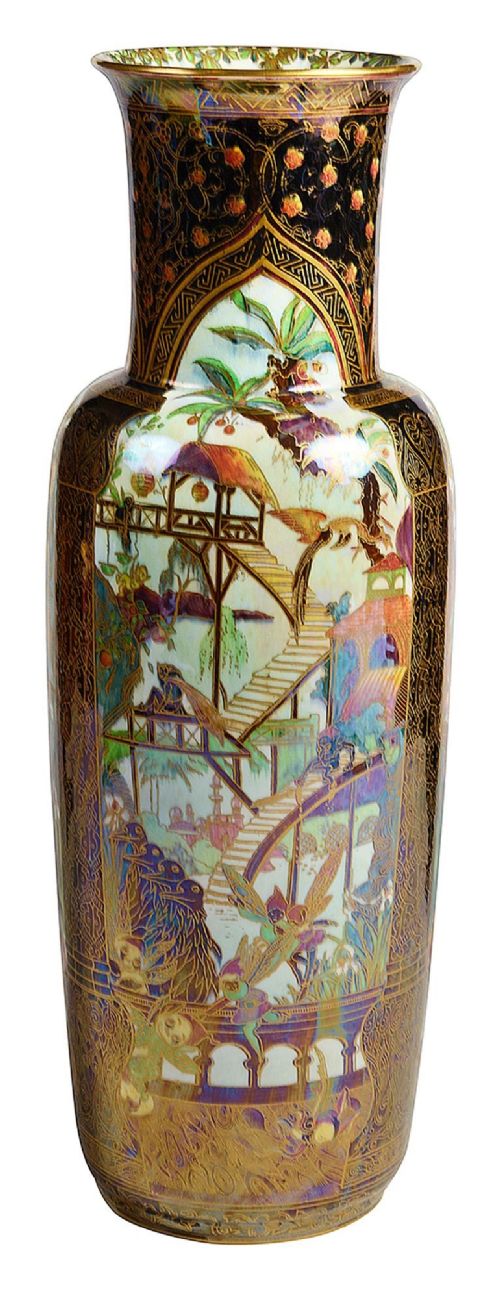
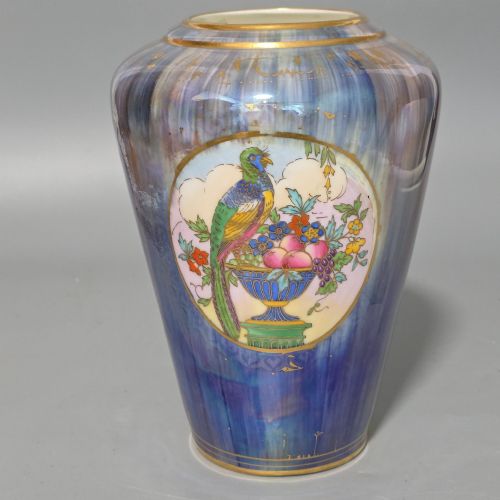
The selections available here span diverse interpretations of the style, from moulded glass and crystal to enamelled earthenware and pottery. Such variety gives buyers access to different expressions of interwar design.
Materials and Techniques
Makers utilised a diverse range of materials, including earthenware, opalescent glass, crystal, and cameo glass. Some pieces incorporate gold leaf or hand-applied enamel to enrich the finished surface.
Techniques varied from acid-etching layered glass to hand-painting pottery with bold geometric or naturalistic patterns. Each method required distinct skill sets, whether shaping molten glass or firing glazed ceramics.
Retail Price Guide 2026
Typical UK retail prices for 1920s art deco vase, calculated from the Sellingantiques database of over a million retail prices indexed since 2003. This retail price guide relies exclusively on Sellingantiques data; no external sources or auction records are used, so the figures do not describe the wider market.
Assessing Quality
Quality rests upon the precision of execution and the sophistication of the material handling. Masterworks demonstrate crisp execution in cameo carving or flawless clarity in heavy crystal.
The distinction between standard production and top-tier pieces often lies in the depth of the glaze, the complexity of the enamel work, or the prestige of the designer associated with the piece.
Rene Lalique·Daum·Minton·Le Verre Francais·Schneider·Royal Doulton·Frederick Rhead·Charlotte Rhead·Bursley Ware·Moser
The 1920s Art Deco Vase Glossary
- Opalescent glass
- Glass containing ingredients that cause it to milky-blue glow when light strikes the surface at certain angles. This technique creates a luminous, depth-enhancing visual effect.
- Cameo glass
- Art glass produced by carving or acid-etching through at least one layer of contrasting glass to reveal a design. The process requires immense patience and steady hands.
- Earthenware
- Porous pottery fired at lower temperatures and rendered impermeable by a vitreous glaze. It forms the base for many brightly coloured interwar decorative vessels.
- Gold leaf
- Extremely thin sheets of beaten gold applied to surfaces for ornamentation. It highlights specific decorative elements on select ceramic and glass items.
Frequently Asked Questions
What materials are typical for these vases?
The pieces utilise materials such as earthenware, crystal, opalescent glass, and cameo glass. Artisans often enhanced these surfaces with hand-applied enamel or gold leaf.
Such material choices reflect the broader manufacturing ambitions of the period, balancing industrial innovation with artistic expression.
How do I identify the style?
Look for characteristic geometric patterns, stylised motifs, and bold colour palettes that define the aesthetic of the decade. The forms often favour clean lines or deliberate symmetry.
Comparing individual items against documented examples from the same period helps confirm stylistic authenticity.
Were these items produced in pairs?
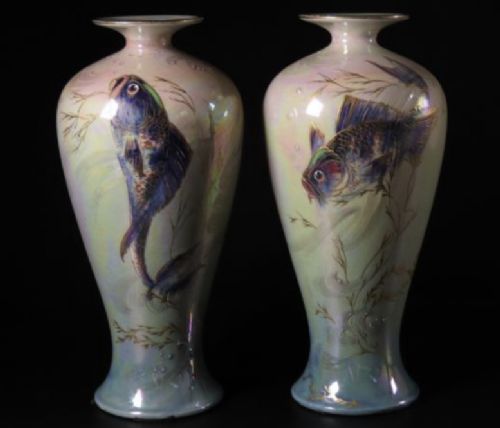
Certain designs were created as matching pairs, while others were sold as singular decorative objects. Surviving pairs offer symmetry for mantelpieces or sideboards.
Individual vases usually served as standalone focal points within a room scheme.
How should I display them at home?
Position them where adequate light can pass through the glass or highlight the glazed earthenware surfaces. Placing them away from high-traffic areas protects delicate enamel or crystal edges.
Allowing sufficient space around each piece lets the distinctive silhouettes stand out.