
Edwardian Ceramic Vase
An edwardian ceramic vase brings together the floral motifs of the period and the rich glaze experiments of prominent potteries.
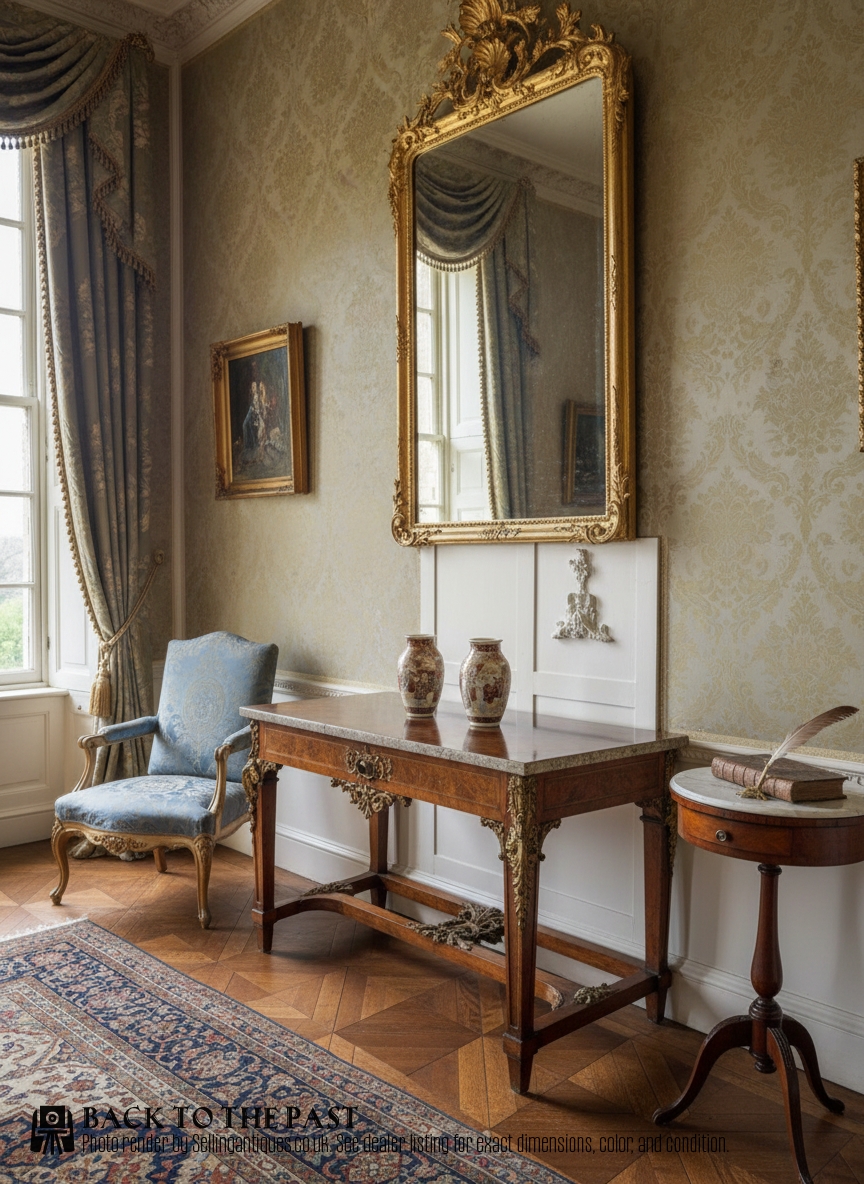
Edwardian Ceramic Vase
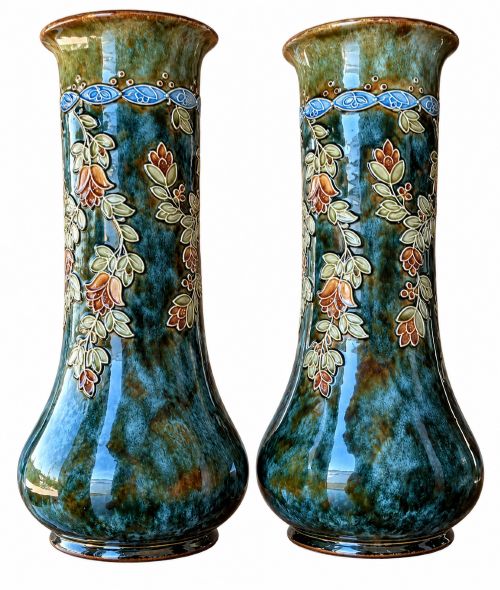
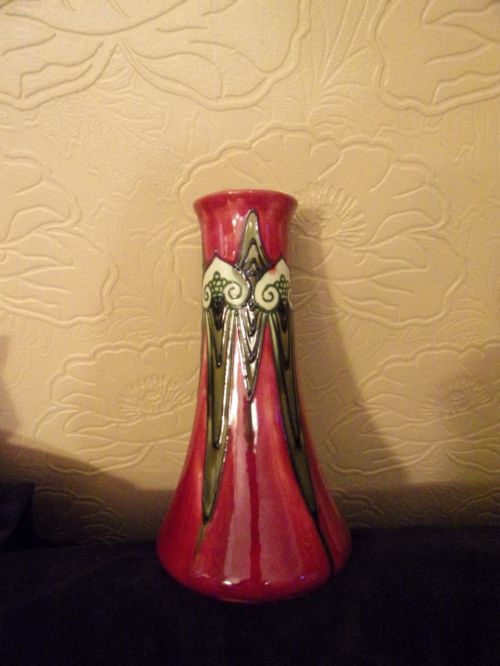
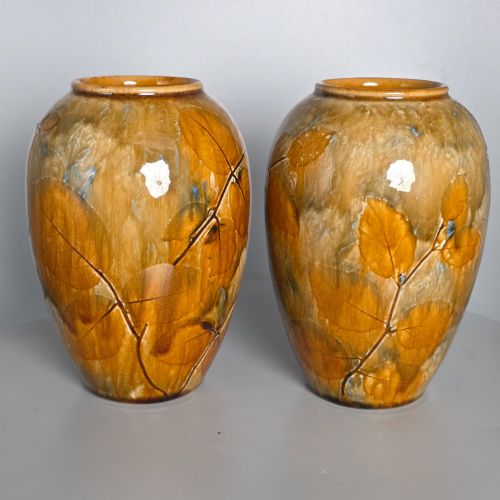
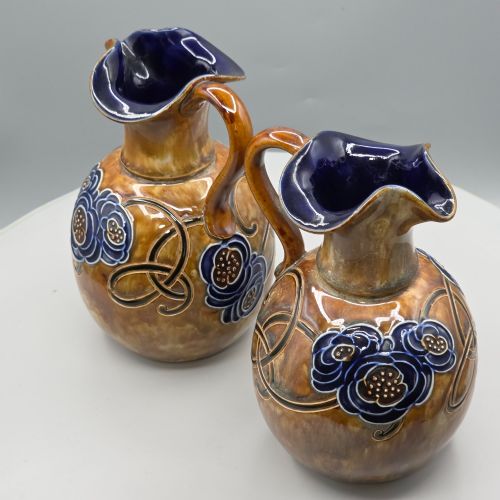
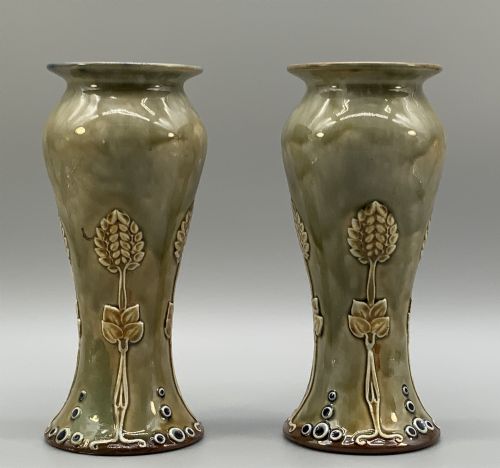
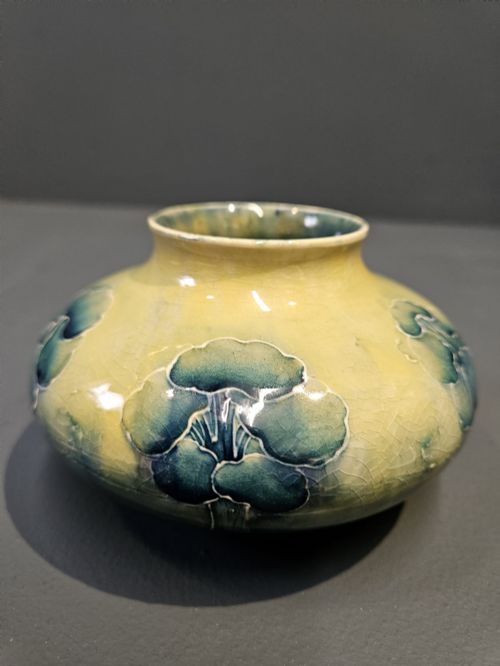
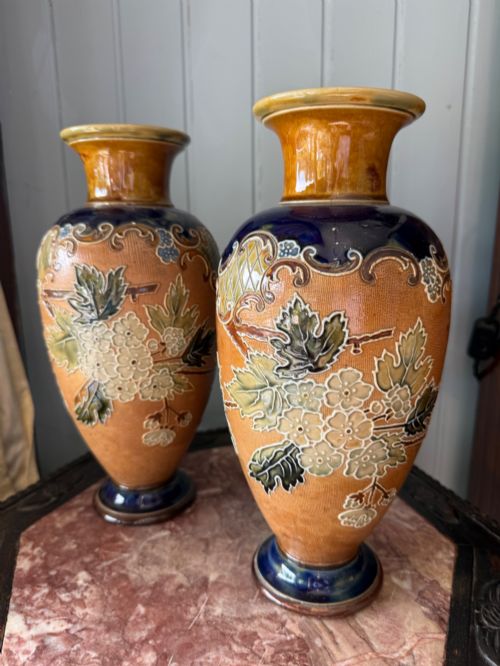
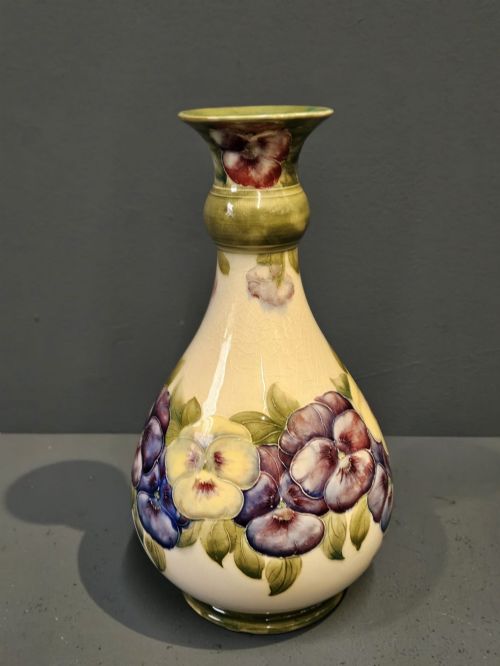
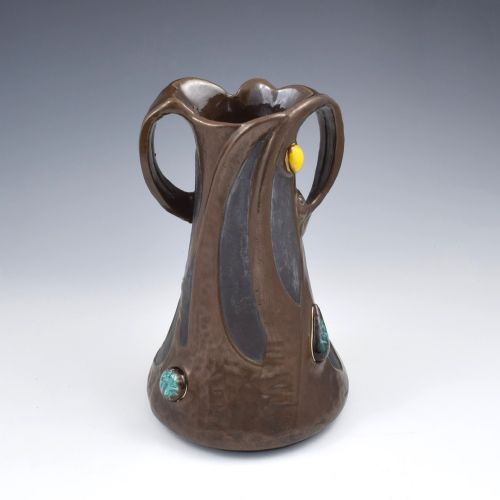
An edwardian ceramic vase encompasses the decorative vessels produced in earthenware, porcelain and stoneware around the turn of the twentieth century. These pieces reflect the prevailing tastes for natural forms, floral painting and the flowing lines of the Art Nouveau and Arts and Crafts movements.
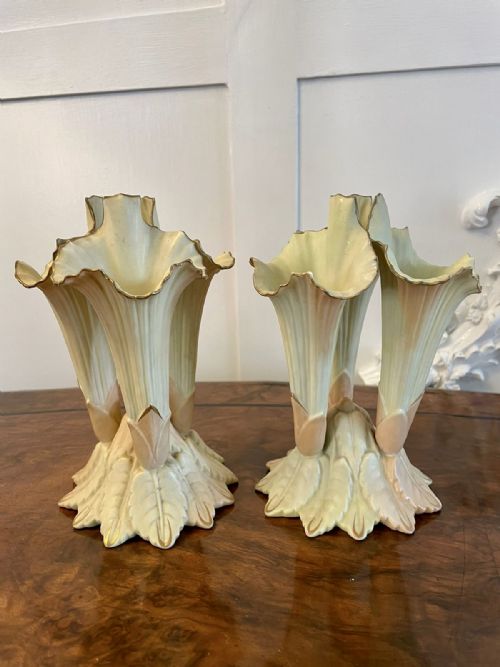
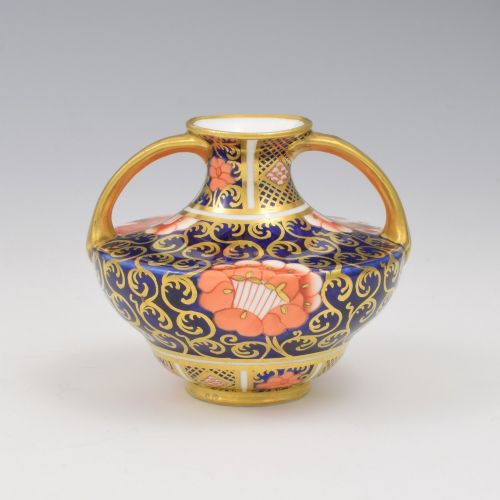
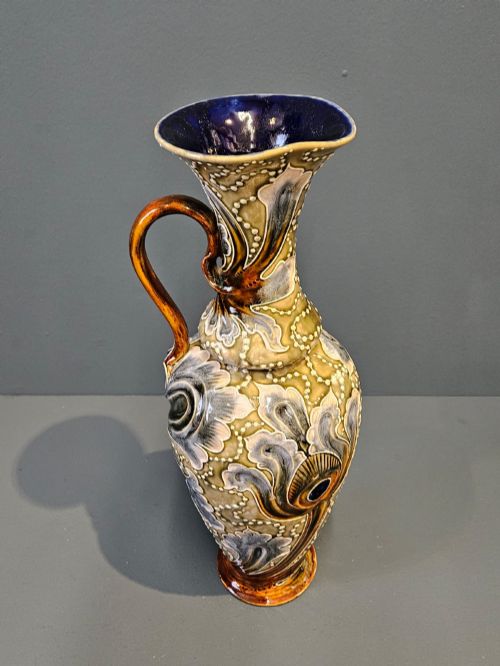
The selections span small cabinet pieces, spill vases and substantial ewers from major kilns such as Royal Doulton, Royal Worcester and Moorcroft. Many items emerge from the broader Edwardian era while drawing on Victorian traditions or early developments in tube-lined art pottery.
How They Were Made
Potters shaped these vessels using earthenware, stoneware and fine porcelain bodies, often employing moulds or throwing on the wheel before applying specialised glazes and enamels. Techniques such as tube-lining created raised clay boundaries to hold distinct pools of coloured glaze.
Makers finished many pieces with hand-painted details, gilding or gold leaf, while others relied on lustre effects, copper finishes and jewelled cabochons to add texture and depth to the ceramic surface.
Edwardian Ceramic Vase Retail Price Guide 2026
Typical asking prices for edwardian ceramic vase among the pieces listed under this phrase on Sellingantiques today, from the lower quarter to the upper quarter. They describe what is for sale here now, not the wider market.
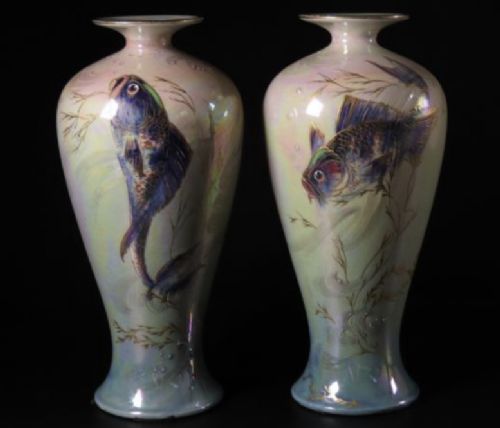
Several pieces feature hand-painted birds, fish and exotic scenes peering out from glossy coloured grounds.
What Varies in Quality
Quality rests upon the crispness of the modelled form, the precision of the hand-painted decoration and the success of the glaze firing. Pieces bearing the signature of established artists or specific factory marks often demonstrate superior artistic ambition.
The depth and complexity of tube-lined designs, coupled with the richness of enamel colours and the presence of intricate gilding, separate standard production ware from exceptional examples.
Royal Doulton·Moorcroft·Royal Worcester·Minton·Locke And Co·Royal Crown Derby·Shelley·Booths·Coalport·Wileman·Crown Staffordshire·Mason·TG Green·Bretby Pottery·Krister KPM Waldenburg
The Edwardian Ceramic Vase Glossary
- Tube-lining
- A technique where a fine line of liquid clay is squeezed onto the unglazed ceramic body to form raised outlines for enamel colours. This method creates a distinct relief effect on art pottery.
- Blush Ivory
- A specialised porcelain body with a soft, cream-coloured matte glaze, commonly used as a background for delicate hand-painted floral decoration.
- Stoneware
- A heavy, durable ceramic fired at high temperatures until vitrified, making it largely impermeable and well-suited for rich salt-glazed or coloured finishes.
- Lustre
- A type of ceramic glaze containing metallic salts that produce an iridescent, shimmering surface upon reduction firing.
- Ewer
- A large jug with a wide spout and looped handle, frequently produced as a decorative ornamental piece rather than for practical use.
Edwardian Ceramic Vase: Frequently Asked Questions
How do I identify an edwardian ceramic vase?
Look for characteristic design elements such as flowing floral patterns, tube-lined motifs, and specific factory marks from the period on the base.
Many pieces also feature soft blush ivory glazes or rich art pottery finishes typical of the early twentieth century.
Were these vases used for flowers?
While some vessels served a practical purpose for holding cut stems, many were created purely as decorative ornaments for the mantelpiece or cabinet.
Styles like spill vases and small posy holders were designed for specific domestic uses within the Edwardian home.
What is art pottery?
Art pottery describes the decorative ceramic wares produced by studios and factories that emphasised artistic design over mass-produced utility.
These pieces often highlight experimental glazes, hand-painted scenes, and individual artist signatures.
How should I display my vase?
Place your piece in a stable position away from direct sunlight and high traffic areas to protect delicate hand-painted surfaces and gilding.
Allow enough surrounding space for the form and glaze details to be appreciated without visual clutter.