



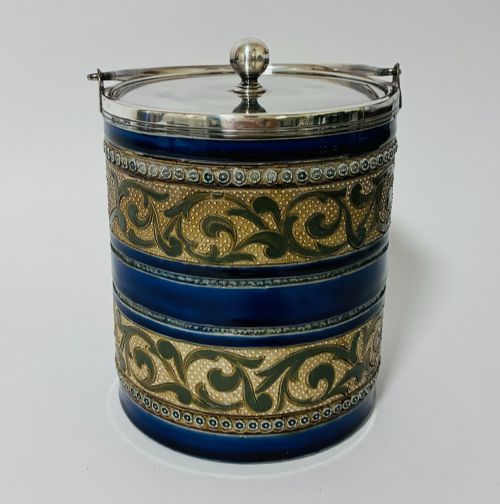
Antique Blue Pottery
These pieces of antique blue pottery unite centuries of global kilncraft, offering deep cobalt glazes and hand-painted motifs that anchor any interior.
Antique Blue Pottery
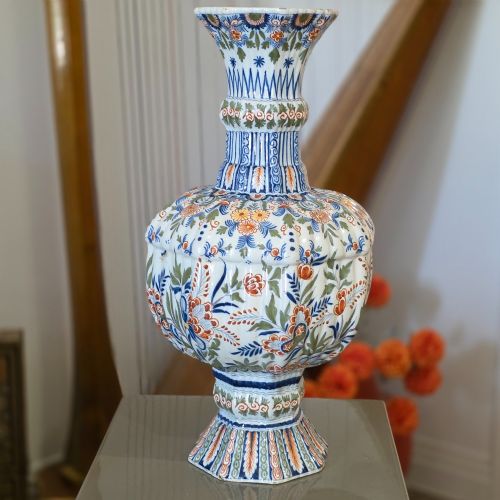
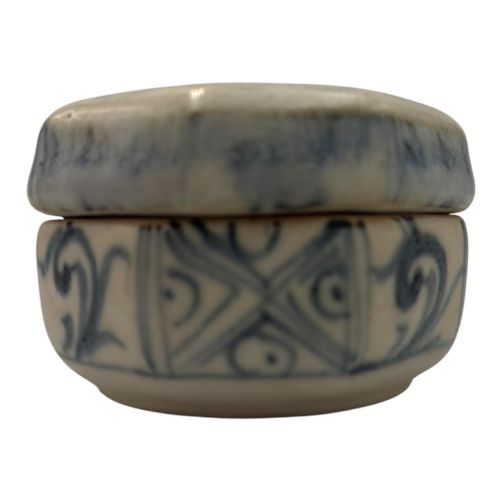
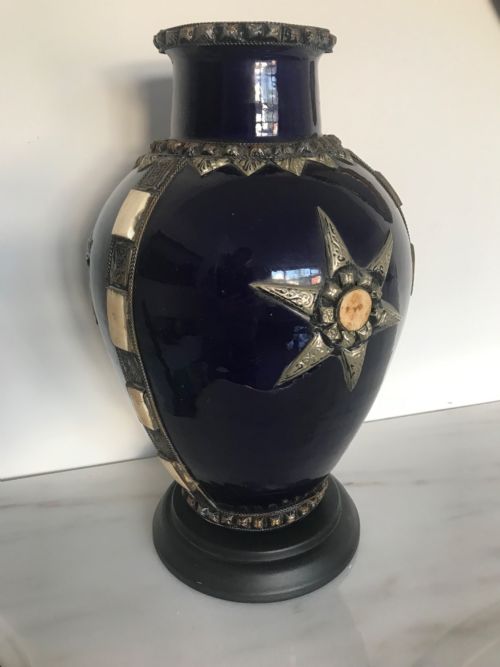
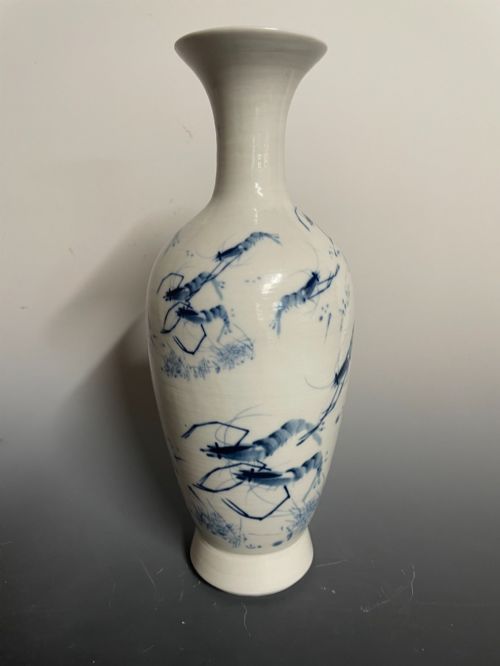
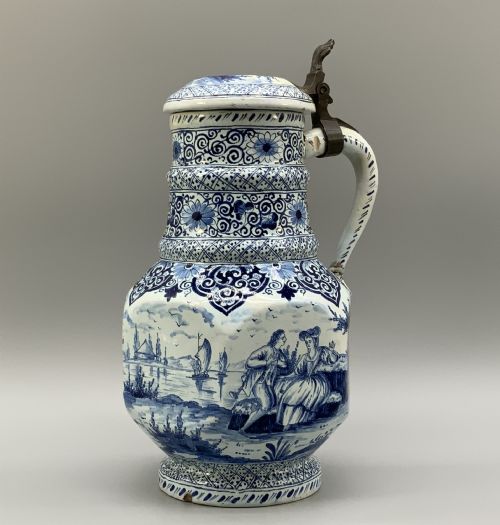
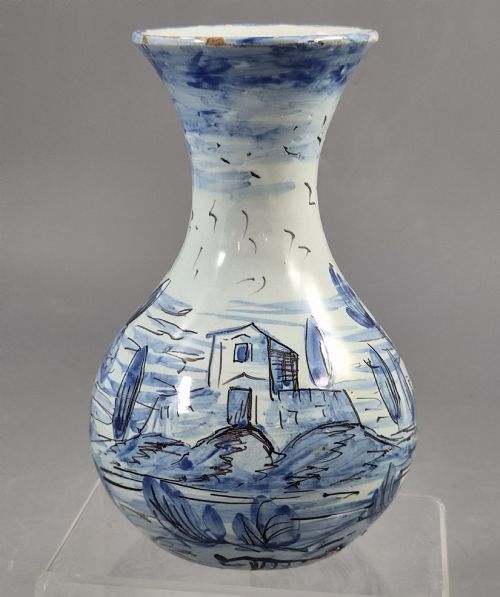
When exploring antique blue pottery, you encounter a sweeping range of domestic utensils and display items spanning several centuries. The selection encompasses robust English transferware platters alongside Dutch delftware chargers, Persian ceramic vases, and delicate Chinese porcelain vessels.
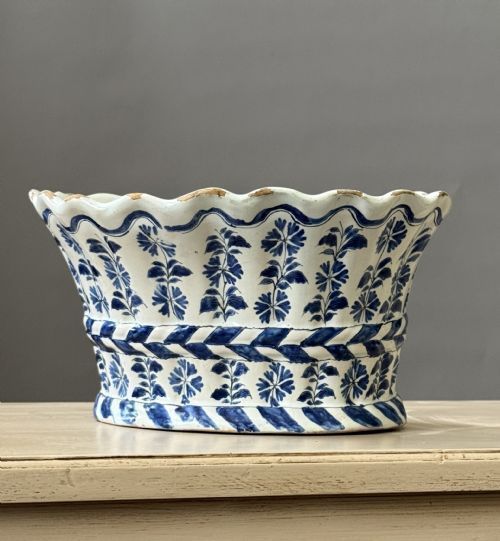
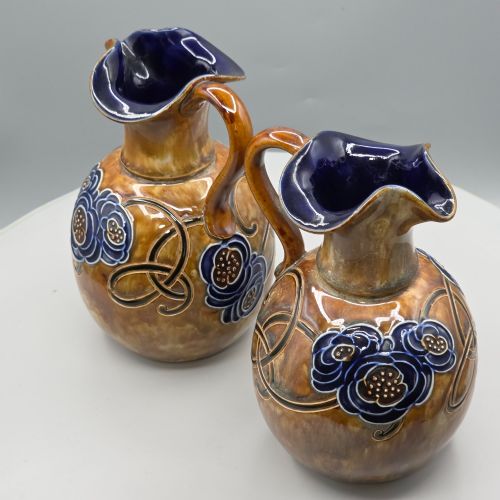
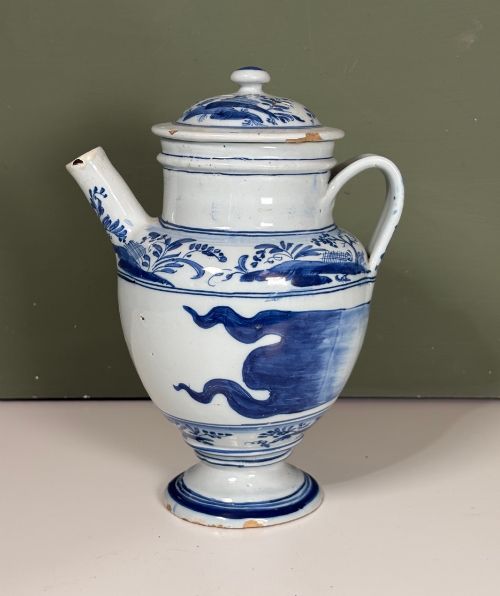
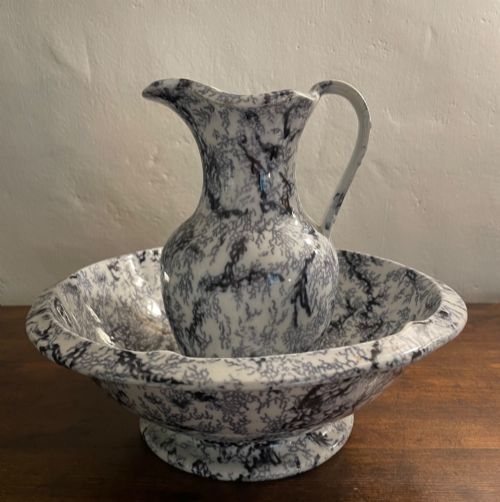
Vessels and serving pieces dominate the offerings, running from large dining platters and washing basins to apothecary jars and decorative bough pots. Earthenware and tin-glazed specimens sit alongside dense ironstone jugs and heavy stoneware vases.
Most examples originate from European potteries and Asian kilns, reflecting stylistic shifts from 17th-century baroque forms to Victorian revival designs. The enduring appeal lies in the rich cobalt pigment applied under or over the glaze.
Materials and production techniques
Potters built these bodies using refined earthenware, stoneware, creamware, or porcelain, shaping them either on the wheel or within press moulds. Tin-glazing provided an opaque white surface that accepted cobalt blue pigments directly before a final transparent gloss firing.
Transfer printing revolutionized production during the Georgian era, allowing complex engraved copperplate designs to transfer smoothly onto clay surfaces. Hand-painting remained essential for fine delftware and Oriental imports, where artisans laid down fluid cobalt strokes by brush.
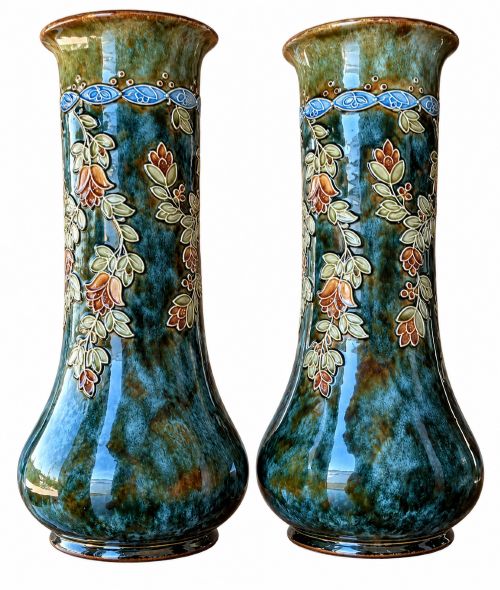
Listings feature items spanning from 17th-century delft chargers to 20th-century stoneware vases.
Assessing quality and craftsmanship
Quality reveals itself in the crispness of the cobalt transfer or the fluidity of the hand-painted brushwork across the ceramic body. Superior examples display deep, stable pigment penetration without pooling or blurring around the motif edges.
The sophistication of the glaze surface and the precision of the underlying ceramic potting separate ordinary wares from exceptional items. Early pieces demonstrate the mastery required to control firing temperatures in wood or coal kilns without warping the vessel shape.
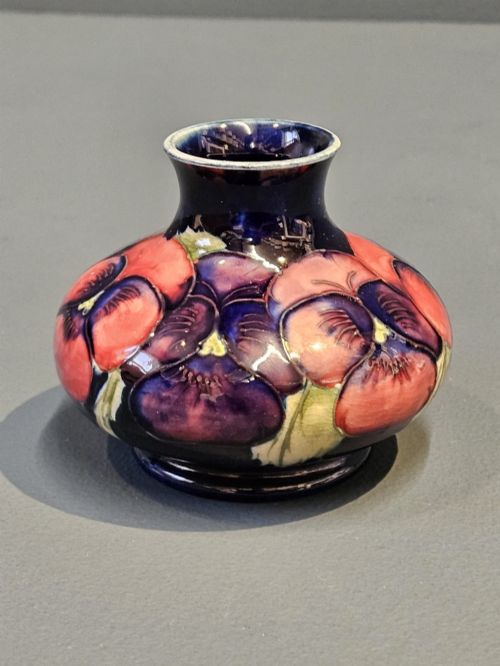
Royal Doulton·Moorcroft·Wedgwood·Mason's Ironstone·Spode·Mintons·Cantagalli
The Antique Blue Pottery Glossary
- Tin-glazed earthenware
- Pottery coated with a glaze containing tin oxide to produce an opaque white finish suited for blue painting. This technique defined European delftware and faience production.
- Transferware
- Ceramic decorated by pressing a paper design from an engraved copper plate onto the bisque body. This method enabled mass production of intricate pictorial scenes in rich blue.
- Ironstone
- A heavy, durable type of earthenware patented in the 19th century to imitate Chinese porcelain. It resists chipping and formed the basis for robust Victorian jugs and platters.
- Charger
- A large decorative plate or shallow dish intended for display on a wall or sideboard rather than daily dining. These often featured elaborate hand-painted cobalt landscapes.
- Bough pot
- A specialised vessel designed to hold flowering branches or floral arrangements inside the home. These containers frequently featured pierced lids to keep stems upright.
Antique Blue Pottery: Frequently Asked Questions
Are these blue and white pieces safe for food use?
Most antique earthenware and delftware possess fragile glazes and historical wear that make modern dining impractical. Older lead or tin glazes can also degrade when exposed to acidic foods over time.
Treat these items as decorative display pieces rather than functional tableware. Enjoy them on walls, shelves, or sideboards rather than the dining table.
How can I tell English delftware from Dutch delft?
English delftware bodies often appear slightly pinkish or buff-coloured in cross-section, whereas Dutch pieces tend towards a pale yellowish or cream fabric. The glaze composition and blue hues also vary based on regional raw materials and kiln traditions.
Examining the foot ring and any potting flaws helps determine the workshop origin. Comparing known marked examples provides the surest guide for attribution.
What causes crazing on antique glazed ceramics?
Crazing occurs when the surface glaze contracts at a different rate than the underlying ceramic body during firing or over long periods of ageing. This network of fine cracks is a common characteristic of older earthenwares and does not inherently threaten stability.
Stable crazing simply reflects the natural ageing process of historical glazes. Keep the items dry to prevent staining within the hairline fractures.