
Edwardian Art Pottery
Edwardian art pottery brings vibrant decorative forms, rich glazes and distinct fluid lines into modern interiors.
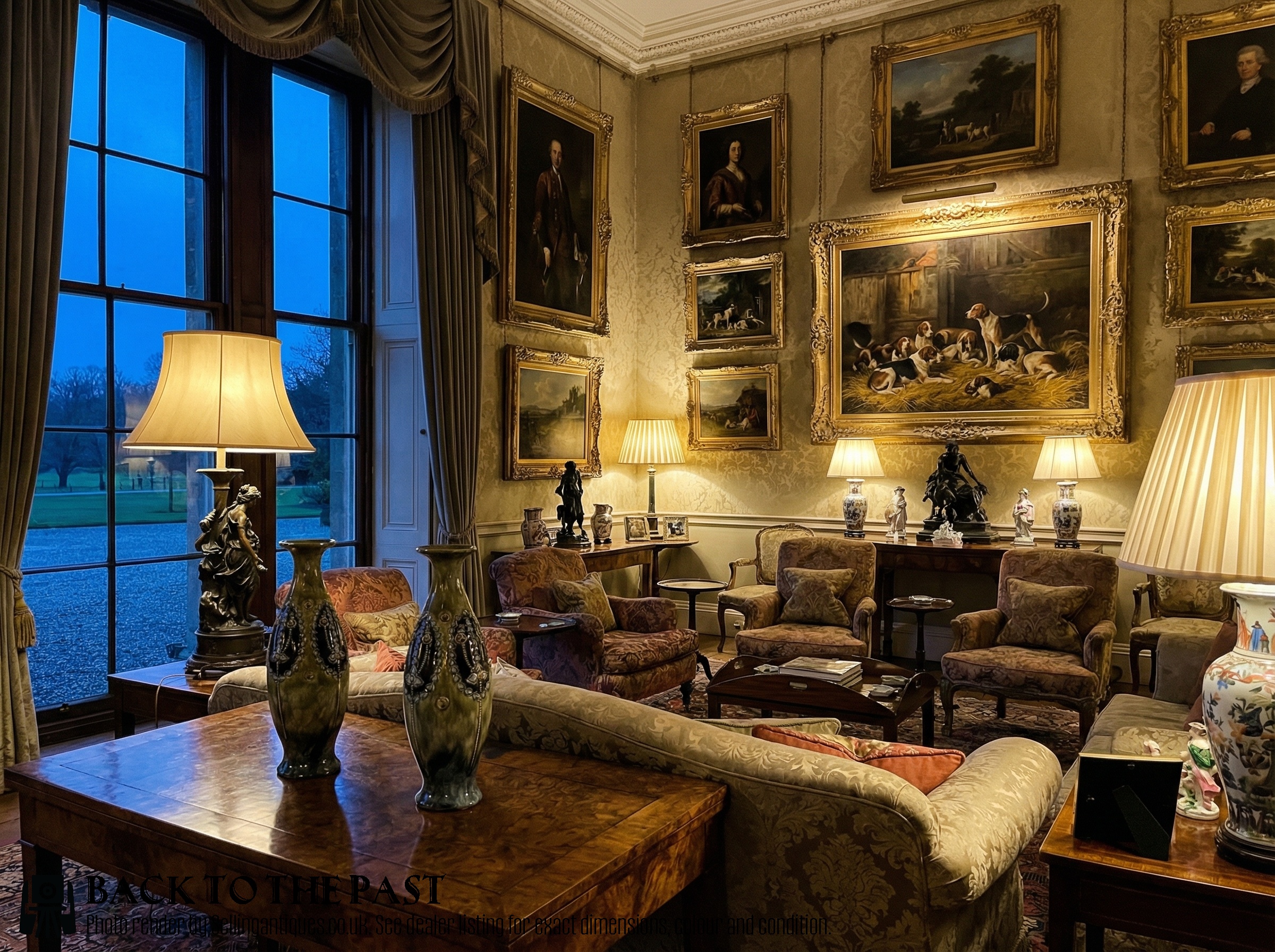
Edwardian Art Pottery
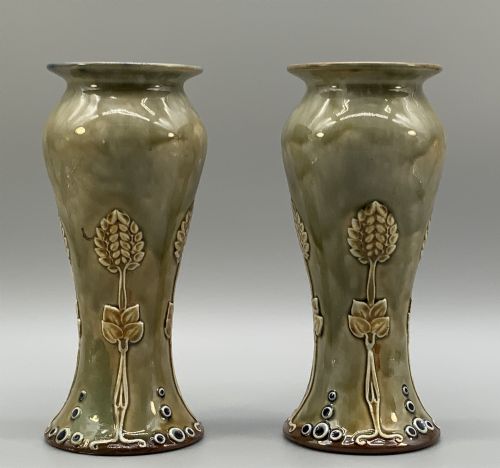
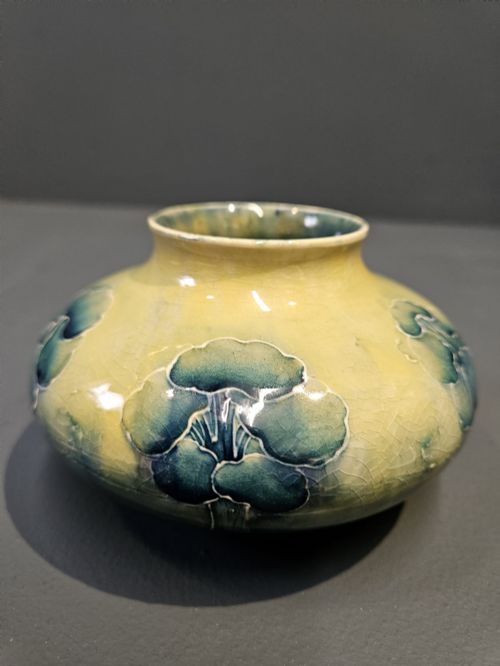
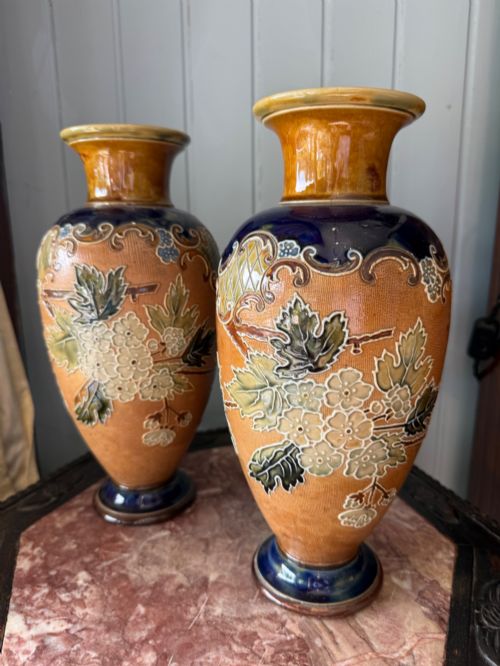
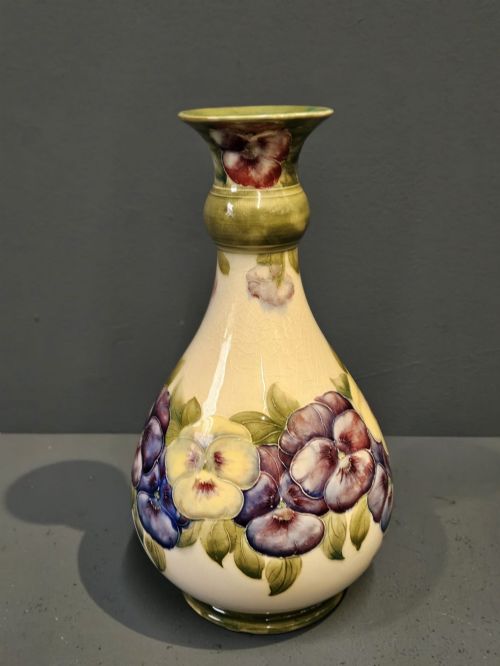
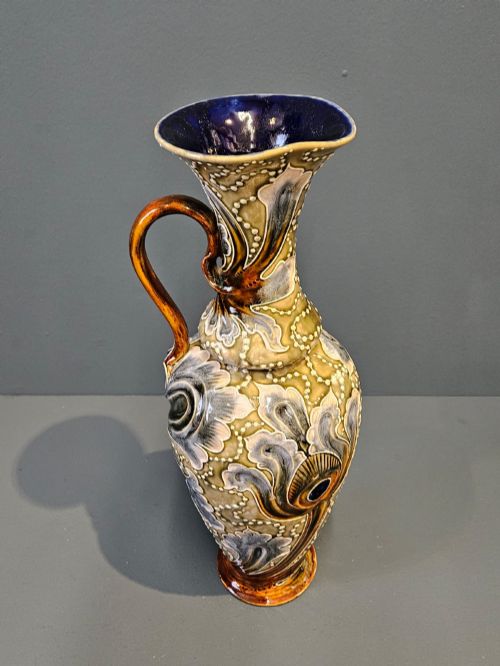
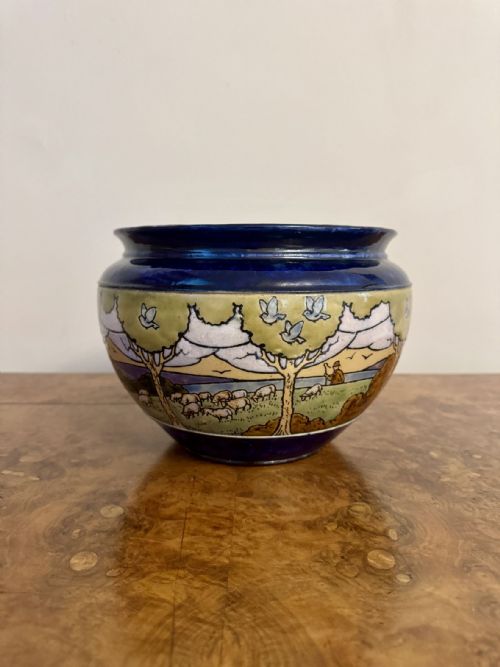
Edwardian art pottery encompasses a diverse selection of ceramic objects produced around the turn of the twentieth century, bridging Victorian tradition and modern design movements. When exploring edwardian art pottery, buyers frequently encounter vases, decorative bowls, jardinieres, and jugs reflecting the dominant aesthetic currents of the era.
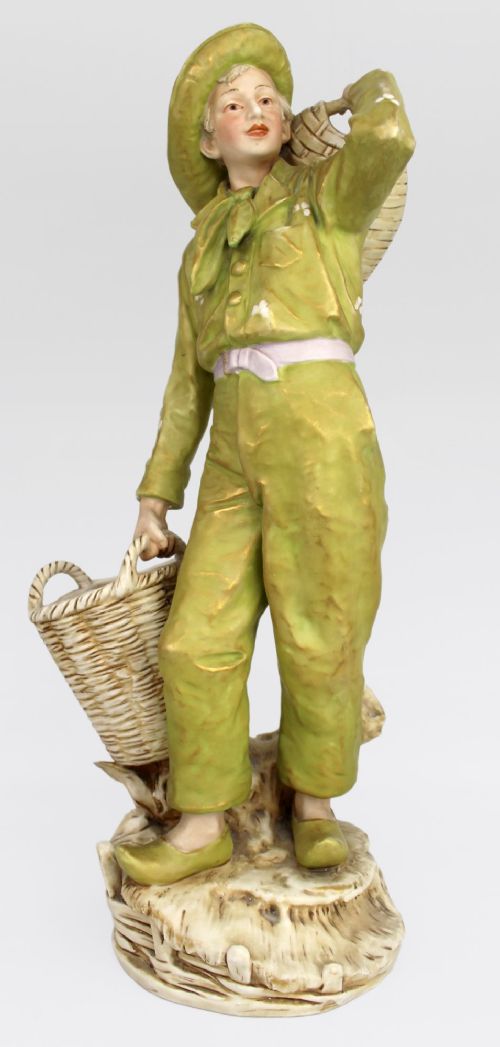
The objects listed on this page span from the late nineteenth century through the nineteen-twenties, incorporating periods marked by stylistic experimentation. Most pieces originate from major British potteries and studios operating during the Edwardian years, showcasing the period's preference for expressive ornamentation.
Forms range from intimate cabinet pieces to large floor-standing vessels, alongside architectural tiles and wall art. Everyday domestic items such as chamber sticks and tableware also receive artistic treatment, transforming functional objects into sculptural focal points.

How They Were Made
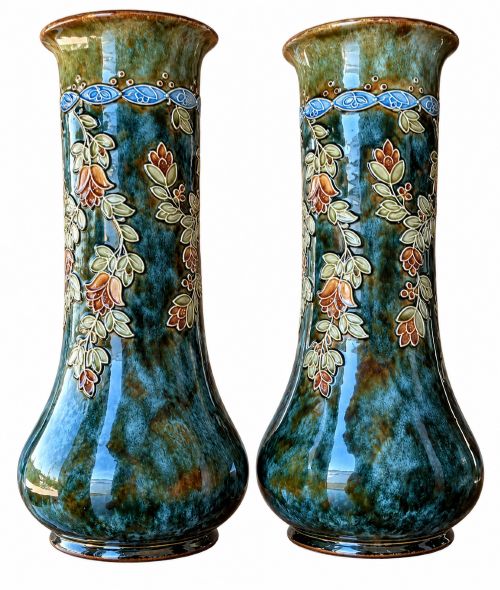
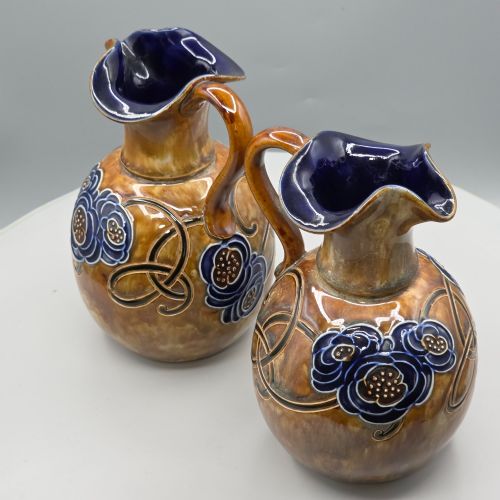
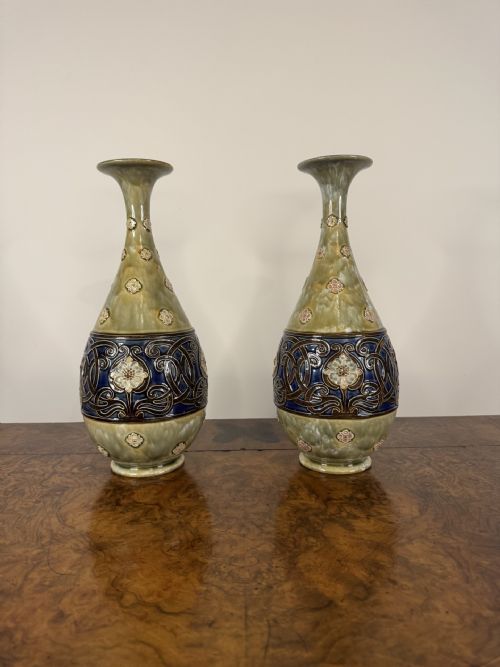
Makers utilised earthenware, stoneware, and porcelain as foundational bodies, shaping them by hand or moulding them with precision. Surface decoration relied heavily on specialised glazes, slip trailing, and tube-lined techniques to create raised outlines for vibrant enamels.
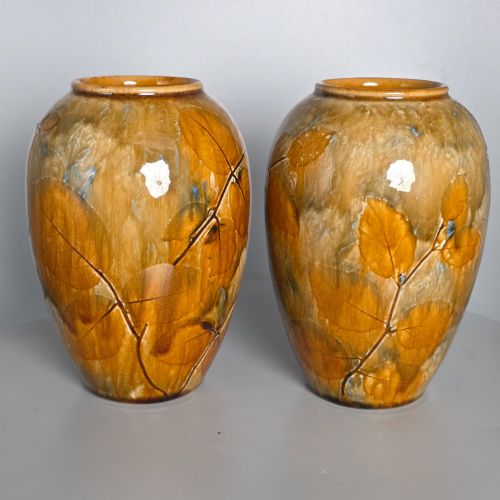
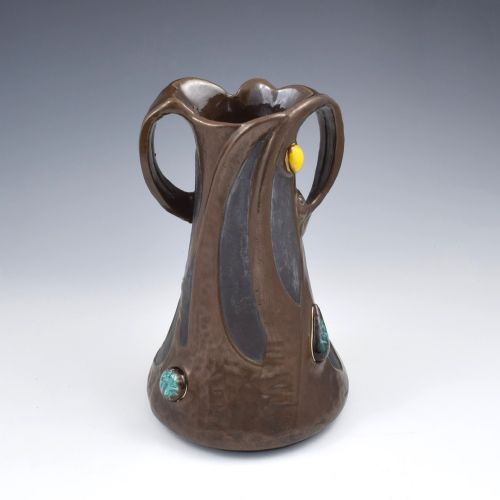
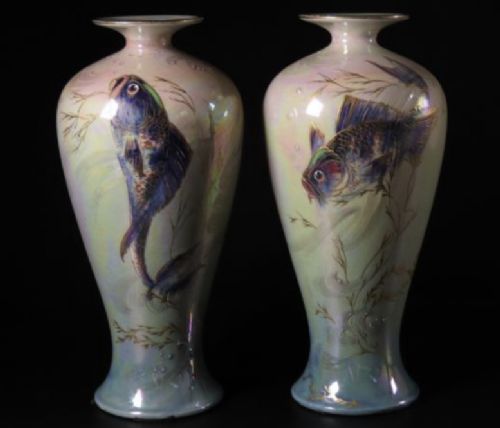
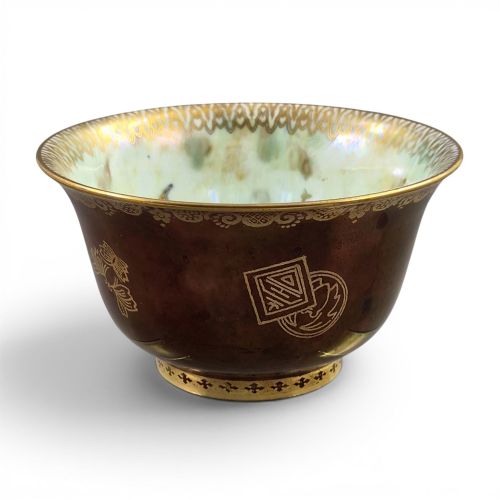
Advanced firing methods allowed potteries to achieve complex lustre effects, metallic sheens, and rich autumnal colour palettes. Many pieces integrate applied elements such as jewelled cabochons, gold leaf, or hand-painted details executed by skilled studio artists.
Edwardian Art Pottery Retail Price Guide 2026
Typical asking prices for edwardian art pottery among the pieces listed under this phrase on Sellingantiques today, from the lower quarter to the upper quarter. They describe what is for sale here now, not the wider market.
Listings feature earthenware and stoneware bodies decorated with specialised glazes, including lustre and enamel.
What Varies in Quality
Distinction across the range rests upon the crispness of the modelled design and the control demonstrated in the glazing process. Superior examples exhibit deliberate artistic intent, where hand-painted motifs and tube-lined patterns align harmoniously with the underlying ceramic contour.
The reputation of the designer and the technical ambition of the studio heavily influence the standing of an individual piece. Work involving complex lustre finishes, experimental glazes, or identifiable hand-painted signatures represents the upper echelon of output.
Royal Doulton·William Moorcroft·Minton·Wedgwood·Bretby Pottery·Sir Edmund Elton·Wileman Intarsio·Sherwin and Cotton
The Edwardian Art Pottery Glossary
- Tube-lining
- A decorative technique where liquid clay slip is squeezed through a nozzle onto the ceramic body to form raised outlines. This method creates cells that hold coloured glazes before firing.
- Lustre ware
- Pottery featuring a metallic film that produces an iridescent sheen when fired in a reduced oxygen environment. Wedgwood and Shelley produced notable examples of this technique.
- Jardiniere
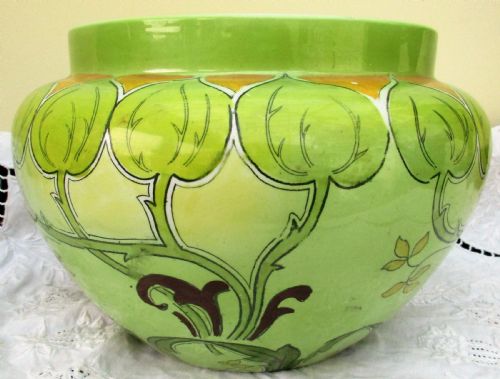
- A large ornamental ceramic pot designed to hold a live plant or floral arrangement. These vessels often sit on pedestals or function as floor-standing decor.
- Secessionist
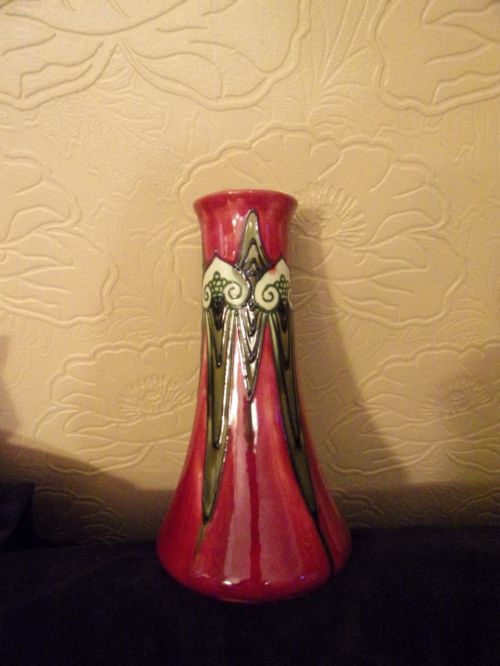
- A stylistic designation linked to continental and British design reforms that embraced simplified geometric forms and bold floral motifs. Minton produced prominent pottery under this banner.
- Baluster
- A architectural form characterised by a rounded lower body that tapers upward to a narrow neck. Many decorative vases adopt this classic silhouette.
Edwardian Art Pottery: Frequently Asked Questions
What defines Edwardian art pottery?
These ceramics are defined by their experimental glazes, sculptural forms, and adherence to Arts and Crafts or Art Nouveau principles. They represent a departure from rigid industrial uniformity in favour of expressive craftsmanship.
Potteries of this era focused on artistic expression through distinctive surface textures, tube-lined patterns, and fluid natural motifs.
How were these ceramic pieces used originally?
Many items served as purely ornamental focal points for Edwardian drawing rooms, mantelpieces, and entrance halls. Vases, jardinieres, and decorative bowls were displayed prominently to showcase household taste.
Other items fulfilled domestic functions, such as jugs, tea services, and chamber sticks, combining everyday utility with artistic decoration.
How do I style these ceramics at home?
These pieces integrate well into contemporary interiors by introducing organic shapes, rich colours, and tactile surfaces. Placing a single striking vase on a wooden surface allows the glaze and form to draw the eye.
Grouping items by colour or material, such as combining metallic lustres or matte stoneware, creates a cohesive display that highlights their historical character.
How do I distinguish different periods and styles?
Stylistic cues provide the clearest indication of date, with flowing asymmetrical lines pointing toward Art Nouveau and sturdy, honest construction indicating the Arts and Crafts movement. Lustre finishes and vibrant tube-lined glazes frequently point toward the early twentieth century.
Maker marks, impressed pottery stamps, and handwritten signatures on the base often confirm the exact workshop and period of production.