


Antique Wedgwood Porcelain
Antique wedgwood porcelain brings remarkable colour and intricate patterns to a room, offering everything from cabinet plates to decorative bowls.

What antique wedgwood porcelain is
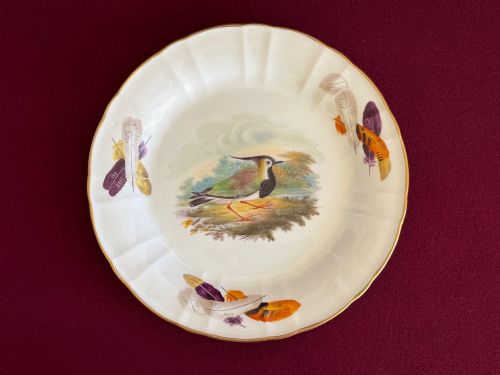
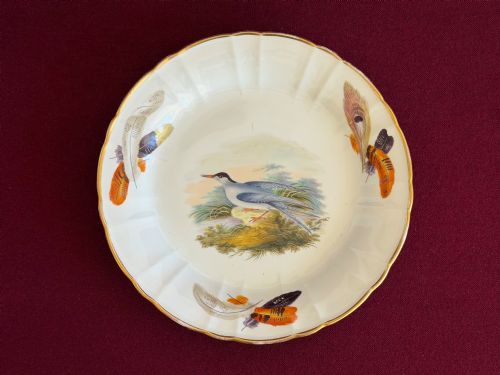
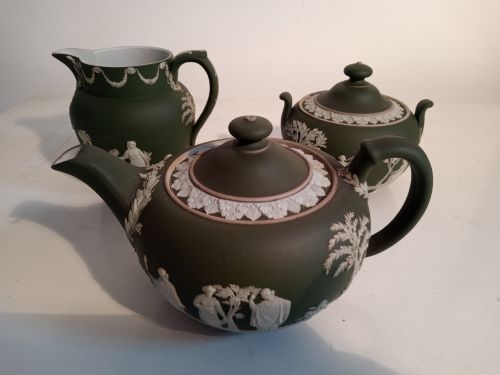
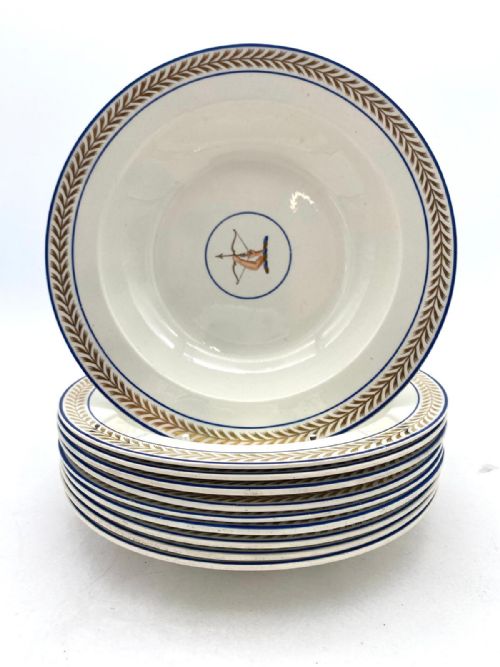
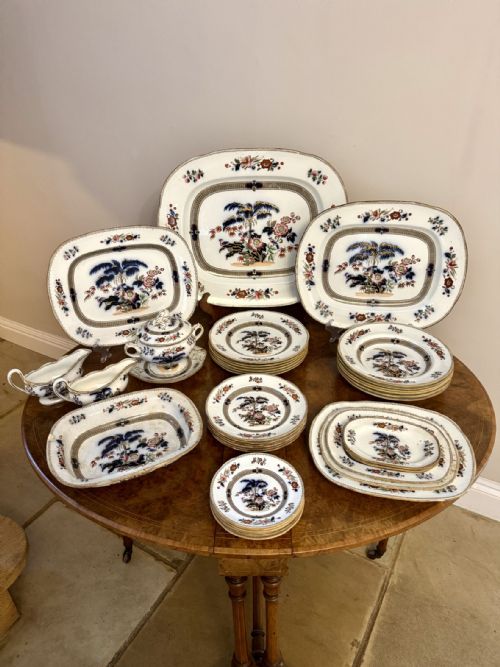
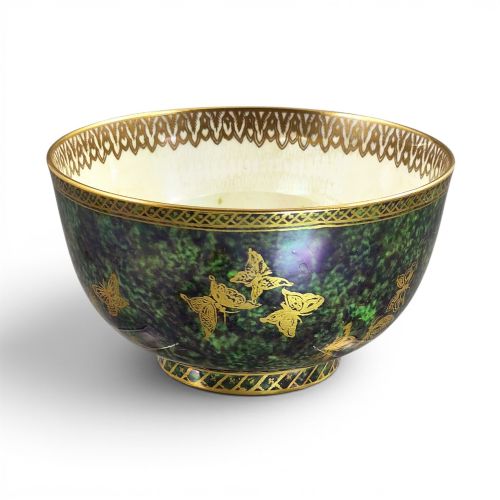
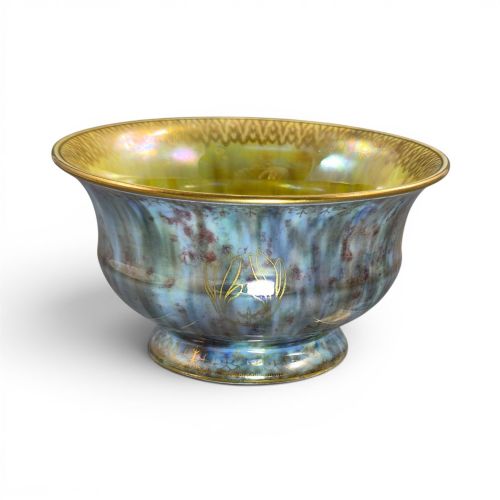
When you search for antique wedgwood porcelain, you find a range of ornamental wares including decorative bowls, cabinet plates, miniature cups and decorative dishes. These pieces display distinct styles spanning the Regency, Edwardian, Art Nouveau and Art Deco periods, alongside items from around 1900, 1910 and 1920.
How they were made
Potters shaped bone china and standard porcelain into forms ranging from octagonal bowls and double gourd vases to shaped dishes and cabinet plates. Artisans applied detailed hand painted motifs, incorporating enamel colours and delicate gold leaf or gilt highlights.
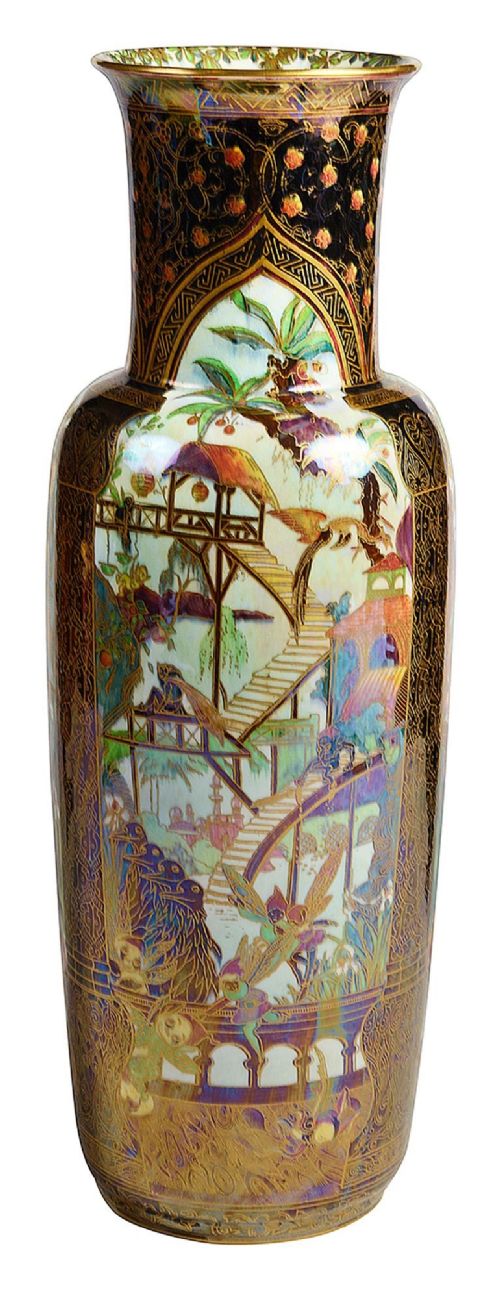
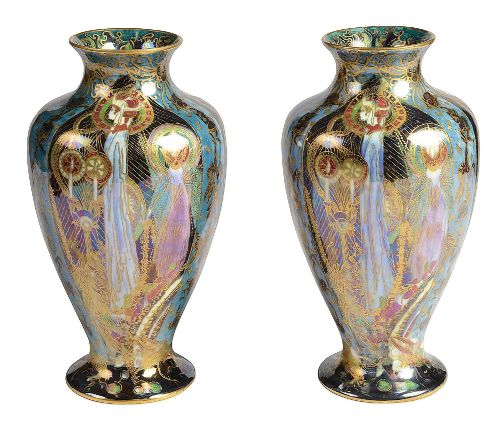
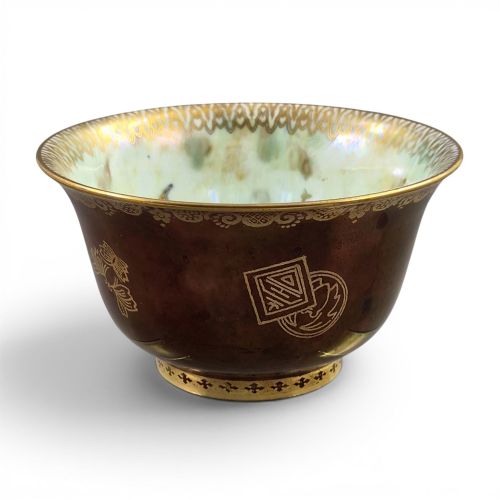
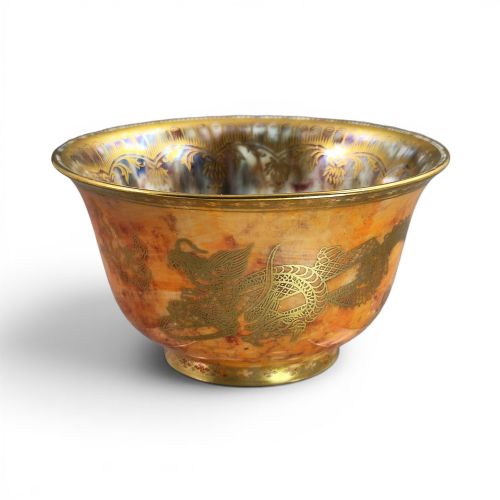
Specialised glaze techniques define many of the finest pieces, notably the distinctive lustre glaze that produces iridescent finishes. Skilled decorators painted intricate subjects like birds, floral patterns and mythical dragons onto the prepared surfaces before final firing.
Retail Price Guide 2026
Typical UK retail prices for wedgwood porcelain, calculated from the Sellingantiques database of over a million retail prices indexed since 2003. This retail price guide relies exclusively on Sellingantiques data; no external sources or auction records are used, so the figures do not describe the wider market.
Listings span the Regency, Edwardian, Art Nouveau and Art Deco periods, utilising bone china, porcelain, enamel, lustre glaze and gold leaf.
What varies in quality
The distinction between standard pieces and exceptional examples rests upon the complexity and precision of the painted decoration. Elaborate multi-coloured dragon motifs and intricate lustre effects demand superior artistry compared to simpler floral designs.
Condition and the preservation of delicate surface details such as gold leaf and enamel also determine the standing of a piece. Works associated with named designers like Daisy Makeig-Jones typically display a high standard of artistic ambition and technical execution.
Daisy Makeig Jones·Wedgwood
The Antique Wedgwood Porcelain Glossary
- Lustre Glaze
- A metallic ceramic glaze that produces an iridescent, reflective surface effect. This technique creates the shimmering colours seen on many decorative bowls.
- Bone China
- A type of soft-paste porcelain containing bone ash. It provides a bright white, translucent body suitable for fine cabinet plates.
- Gilt
- A thin layer of gold applied to the surface of porcelain. It highlights rims, handles and painted details with metallic brilliance.
- Cabinet Plate
- A decorative plate intended for display in a cabinet rather than for dining use. These items frequently showcase elaborate hand painted scenes.
Frequently Asked Questions
What periods do these pieces span?
The items here cover several distinct eras, stretching from the Regency period around 1815 through to Edwardian designs and the 1920s. You will also find pieces from around 1900 and 1910 representing Art Nouveau and Art Deco styles.
Each period brings its own characteristic palette and decorative approach, from early hand painted birds to later fantastical lustre dragon patterns.
How were lustre bowls used?
These decorative bowls and dishes served primarily as ornamental items for display on tables, sideboards and within cabinets. Their vibrant lustre glazes and intricate motifs made them focal points for Edwardian and Art Deco interiors.
While formed as bowls, cups and dishes, their detailed enamel and gold leaf decoration meant they functioned as works of art rather than everyday tableware.
Who designed the dragon patterns?
Many of the most striking lustre pieces, including the Celestial Dragon and King Dragon designs, were created by Daisy Makeig-Jones. Her work defines the colourful, imaginative output of the factory during the 1910s and 1920s.
These identifiable patterns remain sought after by collectors interested in early twentieth century ceramic artistry.
What materials are used?
The listings feature porcelain and bone china as the primary ceramic bodies. Artisans decorated these surfaces using enamel paints, lustre glazes, and accents of gold leaf or gilt.
Combined techniques allow individual pieces to feature both subtle floral motifs and deeply iridescent mythical creatures.